Babyproofing Basics Every Parent Should Know
6 August 2026
There is a moment that every parent remembers. You turn your back for thirty seconds, and suddenly your baby has crawled across the room, pulled themselves up on the bookshelf, and is reaching for a power cord with the determination of a tiny mountain climber. Your heart stops. Then you realize that the house you once thought of as safe is actually a obstacle course of hazards waiting for a curious mind.
Babyproofing is not about wrapping your home in bubble wrap. It is about understanding how your child moves, what they see, and what they are trying to accomplish. Babies do not understand danger. They understand cause and effect, but they have no concept of consequences. A hot mug on the edge of a table is just a shiny object to grab. An electrical outlet is a fascinating hole. A staircase is an invitation to climb.
The goal of babyproofing is not to eliminate every risk. That is impossible. The goal is to reduce the likelihood of serious injury while allowing your child to explore, learn, and develop the skills they need to navigate the world safely. This article will walk you through the fundamentals, the common mistakes, and the practical decisions you will face as you make your home safer.
Why Babyproofing Is Not a One-Time Event
Many parents make the mistake of treating babyproofing as a weekend project. They buy a kit, install outlet covers, put locks on the cabinets, and consider the job done. But babyproofing is an ongoing process that changes as your child grows.A four-month-old cannot roll over yet. A seven-month-old can roll and maybe scoot. A ten-month-old can crawl at impressive speed. A twelve-month-old can walk while holding onto furniture. An eighteen-month-old can climb onto the couch. A two-year-old can open doors, undo simple locks, and figure out how to move a chair to reach something on the counter.
Each stage brings new abilities and new risks. The outlet covers that worked at eight months are still necessary at two years, but now you also need to worry about the child climbing onto the kitchen counter. The cabinet locks that kept a crawler out might not stop a determined toddler who has watched you open them a hundred times.
The best approach is to do a thorough safety sweep every few months. Get down on your hands and knees and look at the world from your child's eye level. What do you see? What can you reach? What looks interesting? Then adjust your safety measures accordingly.
The Room-by-Room Approach
The Living Room: The Center of Activity
The living room is where most families spend their waking hours, which means it is also where most accidents happen. Start with the obvious: furniture that can tip over. Dressers, bookshelves, televisions, and heavy floor lamps are all tipping hazards. A child pulling themselves up on a bookshelf can easily pull the entire piece down on top of themselves. Anchor all tall furniture to the wall using anti-tip straps or brackets. This is non-negotiable. The straps are inexpensive and take about ten minutes to install, and they can literally save your child's life.Corner guards are another common addition, but they are not always necessary. If you have a sharp-edged coffee table and a baby who is just learning to walk, corner guards can prevent a nasty gash. However, some parents find that corner guards become a chewing hazard themselves, especially once babies start teething. If your child is a chewer, consider replacing sharp furniture with rounded alternatives or simply moving the furniture out of high-traffic areas until your child is more stable on their feet.
The television should be mounted to the wall if possible, or placed on a low, stable stand that is anchored. Never place a TV on a dresser or a piece of furniture that a child could climb. The combination of a climbing toddler and a heavy TV is one of the most dangerous scenarios in any home.
Electrical cords are another hidden danger. Not just the cords from lamps and TVs, but also the cords from blinds and curtains. Loop cords on window blinds are a strangulation hazard. If you have older blinds with looped cords, replace them with cordless versions or install cord cleats to keep the cords out of reach. Power cords from electronics should be tucked away or covered with cord concealers, but be careful not to create a new hazard by running cords under rugs where they can overheat.
The Kitchen: The Most Dangerous Room
The kitchen is statistically the most dangerous room in the house for young children. It has heat, sharp objects, heavy appliances, and cleaning products all in one space. The key to kitchen safety is not to make the kitchen completely childproof, but to create a safe zone within the kitchen where your child can be while you cook.Start with the cabinets. The cabinets under the sink are the most critical because that is where you likely store cleaning supplies. These need to be locked with a latch that your child cannot open. Magnetic locks are popular because they are invisible from the outside and require a special key to open. They are more expensive than traditional latches, but they are also harder for children to figure out. Adhesive latches that hook onto the inside of the cabinet door are cheaper and work well, but some determined toddlers can learn to defeat them.
The cabinets that contain pots and pans are less dangerous, but they can still be a problem. A toddler can pull a heavy cast iron skillet onto their head. If you do not want to lock every cabinet, at least move the heaviest and most dangerous items to upper cabinets that are out of reach. The same goes for knives, which should be stored in a drawer with a lock or on a high shelf.
The stove is a major hazard. The front burners are the most dangerous because a child can reach up and grab a pot handle. Always turn pot handles toward the back of the stove, even when you are not cooking. This is a habit that takes time to develop, but it becomes automatic after a while. Stove knob covers are also useful, especially once your child is tall enough to reach the knobs. These covers prevent a child from turning on the gas or electric burners.
The oven door gets hot during use, and a crawling baby can easily put their hands on it. Oven door shields are available, but they can be awkward. A simpler solution is to keep a baby gate across the kitchen entrance while you are cooking, giving your child a safe place to watch from a distance. This also keeps them away from hot liquids, steam, and splattering oil.
The refrigerator is another overlooked hazard. A toddler can open the refrigerator door and pull out glass jars or heavy containers. Refrigerator locks are available, but they can be annoying for adults. If you decide to use one, make sure it is the type that opens easily with one hand. Some parents simply teach their children that the refrigerator is off-limits, but this is not reliable until the child is older. For most families, a lock is the safer choice.
The Bathroom: Water and Medicine
The bathroom is a high-risk area for two reasons: water and medication. Never leave a child unattended in the bathroom, even for a moment. A child can drown in just a few inches of water in a bathtub. This is not an exaggeration. It takes only seconds for a child to slip under the water. Always stay within arm's reach of your child during bath time, and never leave the bathroom to answer the phone or the door.Toilet locks are controversial. Some experts recommend them because a curious toddler can fall into an open toilet and drown. Others argue that the risk is low and that toilet locks are just another thing to install and maintain. The reality is that the risk is real, especially for younger babies who are top-heavy and can fall forward into the bowl. If you have a child under two, a toilet lock is a reasonable precaution. Once your child is older and understands not to play in the toilet, you can remove the lock.
Medicine is a serious hazard. Child-resistant caps are not childproof. They are designed to slow a child down, not to stop them completely. All medications, including vitamins and over-the-counter drugs, should be stored in a locked cabinet that is out of reach. The same goes for toothpaste, mouthwash, and cosmetics. These items often contain ingredients that are toxic in large quantities, and they can look appealing to a child.
The bathroom cabinet is a common place for these items, but it is also easy for a child to access if the cabinet is low. Install a latch on the bathroom cabinet, or move all medications and toiletries to a high shelf that your child cannot reach. Also, remember to keep your purse or diaper bag out of reach, because these often contain medications, hand sanitizer, and other small items that a child could swallow.
The Bedroom and Nursery
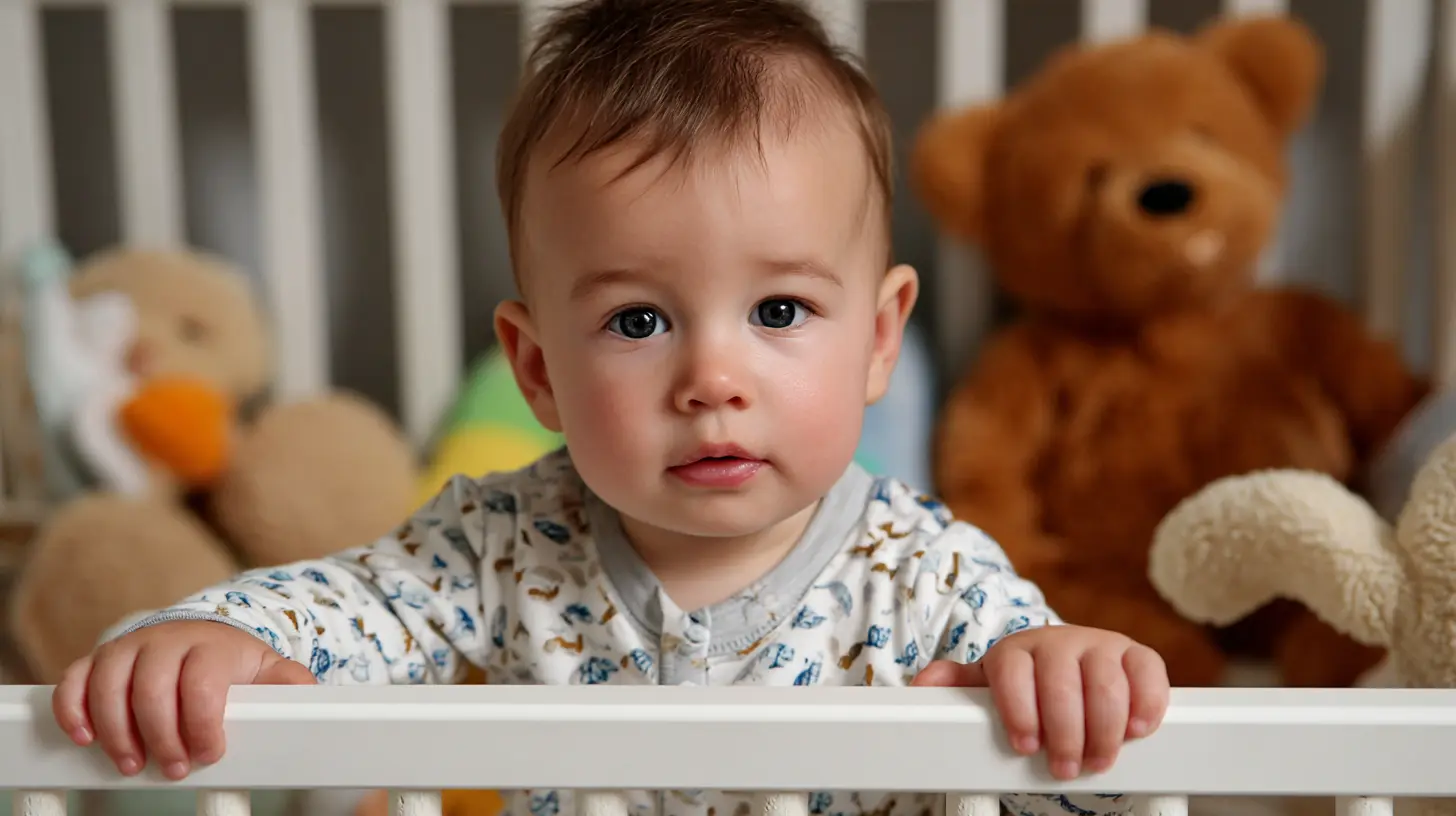
The nursery is where your child sleeps, and the biggest hazard here is not what you might think. The most dangerous thing in the nursery is the crib itself if it is not set up correctly. The crib mattress should be firm and fit snugly against the sides of the crib. There should be no gap between the mattress and the crib frame. The crib should have no pillows, blankets, bumper pads, or stuffed animals for a baby under one year old. These items increase the risk of suffocation and sudden infant death syndrome (SIDS). A fitted sheet is all you need.As your child grows, the crib becomes a climbing hazard. Once your child can pull themselves up and over the crib rail, it is time to transition to a toddler bed. This usually happens between eighteen months and two years, but every child is different. Do not wait until your child falls out of the crib. If you notice your child trying to climb out, make the switch immediately.
The changing table is another hazard. Always keep one hand on your child while they are on the changing table, even if they are strapped in. The straps are not enough to prevent a determined baby from rolling off. Keep all supplies within arm's reach so you never have to turn away. Some parents prefer to change diapers on the floor, which eliminates the fall risk entirely. This is a perfectly good option, especially for wiggly babies.
Window cords should be addressed in every room, but especially in the nursery where your child sleeps. Also, check that windows are secure. If you live in a multi-story home, install window guards or stops that prevent windows from opening more than a few inches. A child can easily push out a screen and fall through an open window.
Staircases and Hallways
Staircases are a major hazard for crawlers and new walkers. The best solution is to install baby gates at both the top and the bottom of the stairs. The gate at the top should be hardware-mounted, not pressure-mounted. Pressure-mounted gates can be pushed over by a determined toddler or by an older sibling. The gate at the bottom can be pressure-mounted, but hardware-mounted is still safer.There is a common misconception that you should let your child practice on the stairs so they learn to navigate them safely. This is partially true. You should allow your child to practice climbing stairs under your direct supervision, but you should never leave them alone near the stairs. The gate is there for the times when you cannot be right there. As your child gets better at stairs, you can keep the gates up until they are at least two years old. Many experts recommend keeping them up even longer, until the child is consistently safe on stairs without supervision.
Hallways are less hazardous, but they can have outlets, cords, and small objects. Walk through your hallways at your child's eye level and remove anything that could be a choking hazard or a tripping hazard. Also, make sure that any rugs are secured with non-slip pads so they do not slide out from under your child.

The Most Common Babyproofing Mistakes
Even well-intentioned parents make mistakes. Here are the most common ones and how to avoid them.The first mistake is focusing only on the obvious hazards and missing the subtle ones. For example, many parents install outlet covers but forget about the power strips that are plugged into the outlets. A power strip is just as dangerous as an outlet, and a child can pull out the plugs or chew on the cords. Cover power strips with a dedicated power strip cover or place them out of reach.
The second mistake is relying on baby gates that are not properly installed. A gate that is not securely mounted can be pushed over, and a gate with vertical bars that are too far apart can trap a child's head. Check the spacing on your gate. The bars should be no more than two and three-eighths inches apart. Also, make sure the gate is tall enough that your child cannot climb over it. Most gates are at least thirty inches tall, but some toddlers are excellent climbers. If your child can climb the gate, it is time to find a different solution.
The third mistake is forgetting about the car. Babyproofing the house is important, but the car is also a dangerous place. Car seats are the most critical piece of safety equipment you will ever use. Make sure your car seat is installed correctly and that your child is in the right seat for their age and size. Rear-facing is recommended until age two or longer, and the car seat should be tightly installed with less than one inch of movement at the base.
The fourth mistake is ignoring the dangers in the yard or garage. If you have a backyard, check for poisonous plants, sharp tools, and standing water. The garage often contains chemicals, paints, and tools that are extremely dangerous. If you can, keep the garage door locked and make it off-limits to your child.
The fifth mistake is thinking that babyproofing is a substitute for supervision. No amount of babyproofing can replace an attentive adult. Babyproofing reduces risk, but it does not eliminate it. Your child will still find ways to surprise you. The best safety measure is always your own attention.

The Trade-Offs of Babyproofing
There is a tension between safety and development. If you make your home completely sterile and hazard-free, your child will not learn to recognize danger. If you leave everything as is, your child is at risk of serious injury. The balance is different for every family, but there are some general principles to keep in mind.First, allow your child to take small risks. Climbing on the couch is a risk, but it is a manageable one. Falling off the couch onto a carpeted floor is unlikely to cause serious injury, and it teaches your child about their own limits. Similarly, letting your child touch a warm (not hot) surface teaches them about heat. These small experiences build the foundation for good judgment.
Second, do not overdo the safety equipment. If you lock every single cabinet, your child will never learn to open cabinets safely. Instead, lock the cabinets that contain dangerous items and leave a few lower cabinets unlocked with safe items like plastic containers or wooden spoons. This gives your child a safe space to explore and satisfies their curiosity.
Third, remember that babyproofing is not just about preventing injury. It is also about creating a space where you can relax. If you are constantly worried about what your child might get into, you will be less attentive and more stressed. A well-babyproofed home gives you peace of mind, which makes you a better parent.
When to Start and When to Stop
Start babyproofing before your baby starts moving. The best time is around six months, when your baby is starting to roll and scoot. This gives you time to do a thorough sweep and install the necessary equipment before your baby becomes mobile. Do not wait until your baby is already crawling. By then, it is a race against time.As for when to stop, there is no clear end date. Some safety measures, like furniture anchors and window guards, should stay in place for years. Others, like cabinet locks and outlet covers, can be removed once your child demonstrates that they understand the rules and can be trusted. This usually happens around age three or four, but every child is different. Some children are naturally cautious, while others are fearless. Trust your judgment and your child's maturity level.
The Final Word
Babyproofing is not about fear. It is about foresight. It is about looking at your home through your child's eyes and understanding that everything is new, interesting, and worth investigating. Your job is not to stop that investigation. Your job is to make sure that investigation does not end in the emergency room.Take it one room at a time. Start with the most dangerous areas and work your way through. Do not try to do everything in one day. And most importantly, remember that you are not alone. Every parent goes through this. Every parent makes mistakes. Every parent learns as they go.
The goal is not a perfect home. The goal is a home where your child can grow, explore, and thrive, and where you can breathe a little easier knowing that you have done what you can to keep them safe. That is what babyproofing is really about.
all images in this post were generated using AI tools
Category:
Baby Care BasicsAuthor:

Kelly Snow