Balanced Meal Plans for Growing Kids
13 February 2026
Let’s be honest—feeding kids can feel like a full-time job, right? One minute they love broccoli, the next they're hiding it under the table. If you’ve ever questioned whether your child is getting everything they need to grow strong and healthy, you're not alone. The good news? Creating balanced meal plans for growing kids doesn’t have to be complicated or overwhelming. In fact, with a little planning and a dash of creativity, it can be fun and rewarding!
This guide is packed with practical, doable tips to make mealtimes less stressful and more nutritious—for you and your little ones. Let’s dive in!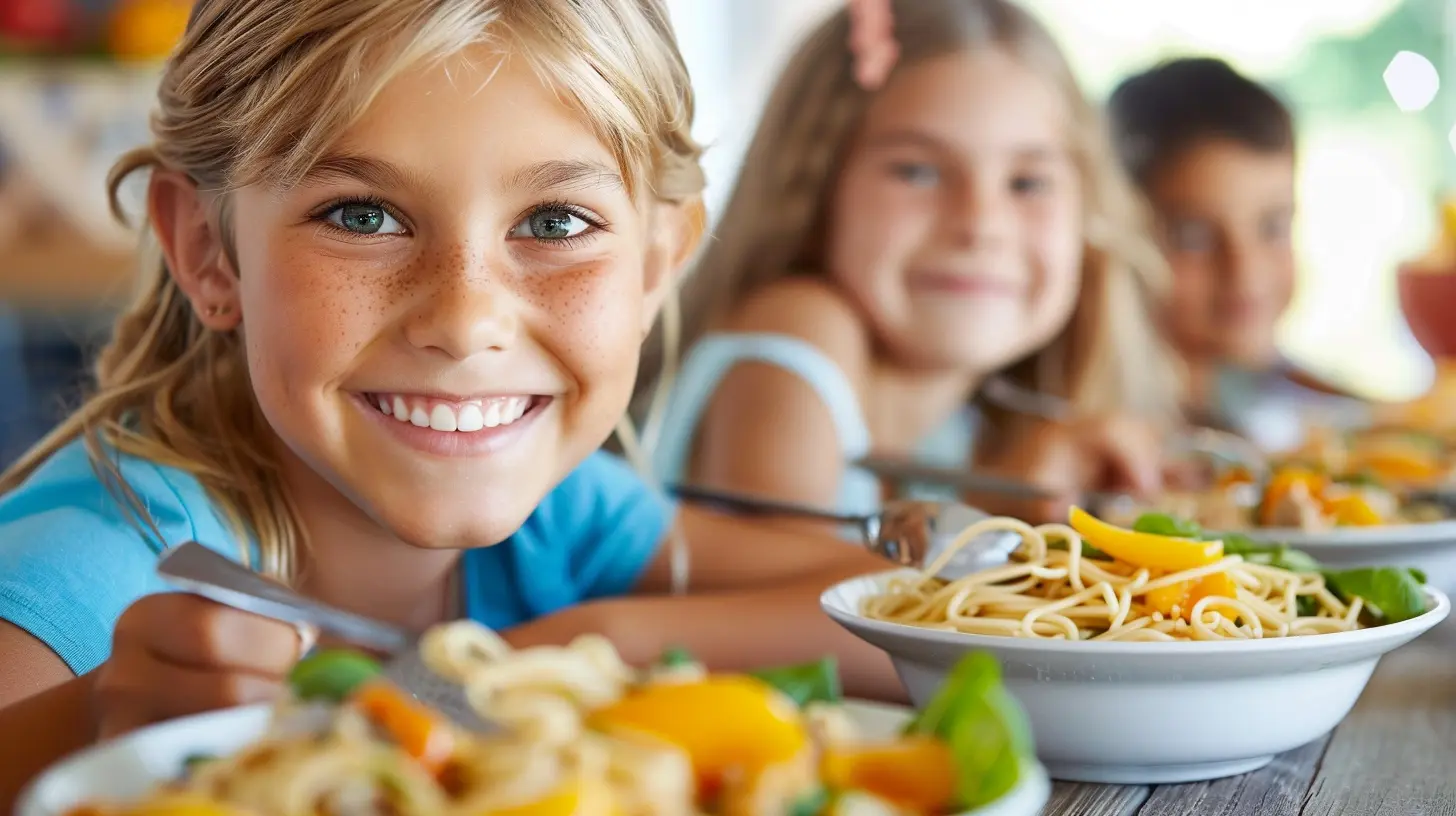
Why Balanced Meals Matter for Kids
Think of your child as a growing tree. Just like a tree needs water, sunlight, and nutrient-rich soil to thrive, kids need a mix of nutrients to fuel their bodies and brains. Balanced meals help support:- Healthy growth and development
- Stronger immunity
- Better concentration and learning
- Steady energy levels
- Balanced mood and behavior
Skipping on proper nutrients isn’t just about missing a food group—it’s like building a house without a foundation. Eventually, it starts to show.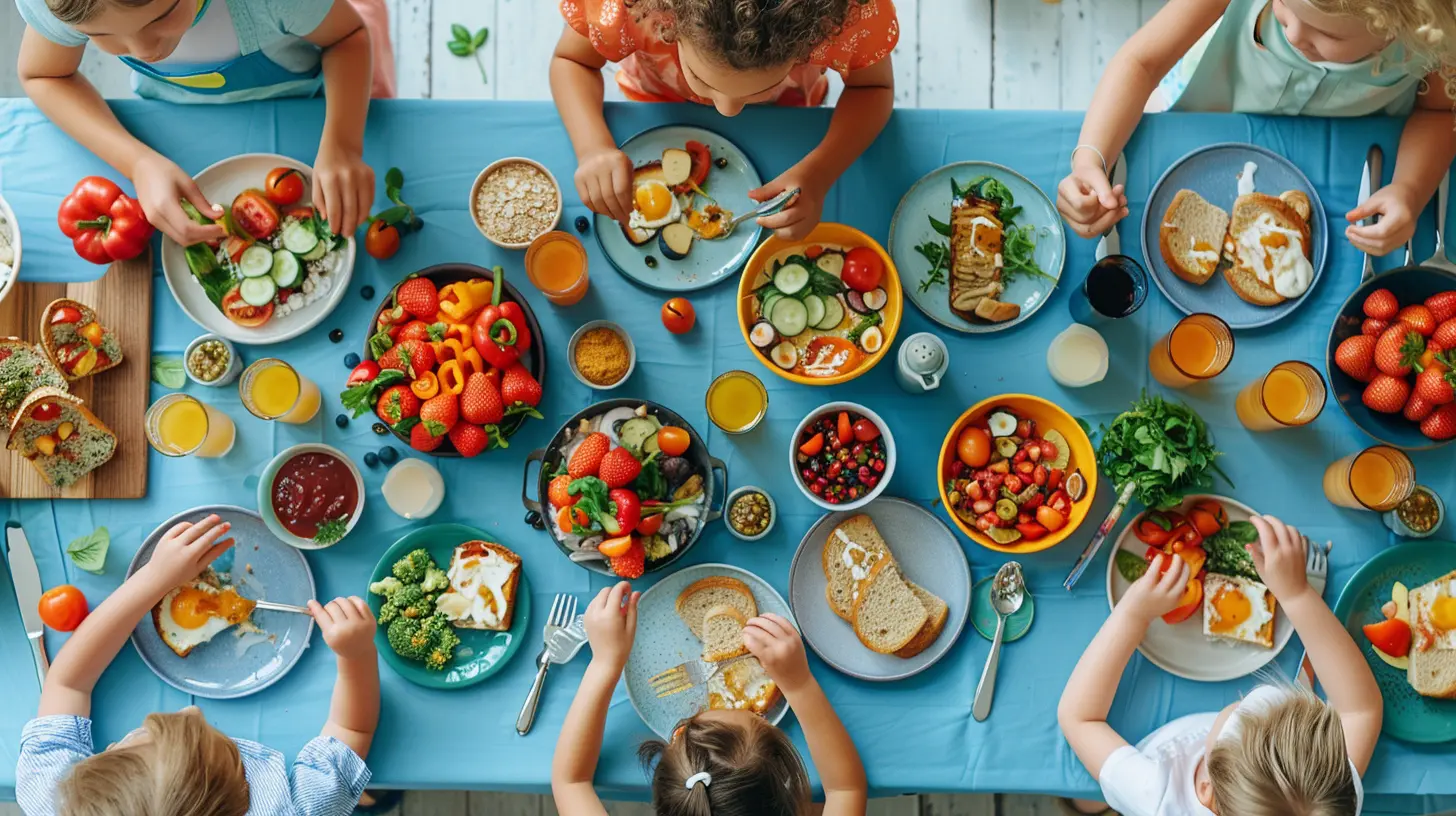
What Does a Balanced Meal Look Like?
Creating balanced meals doesn’t mean serving gourmet dishes. At its core, a balanced plate has four key components:1. Protein – Think lean meats, eggs, tofu, beans, or dairy.
2. Healthy Carbohydrates – Whole grains, fruits, veggies, and starchy vegetables like sweet potatoes.
3. Healthy Fats – Avocados, nuts, seeds, olive oil, and fatty fish.
4. Fiber and Micronutrients – Mostly from fruits and vegetables.
A great visual to follow is the USDA's MyPlate model. Imagine a plate divided into four sections—veggies, fruits, protein, and grains, with a side of dairy. Easy peasy!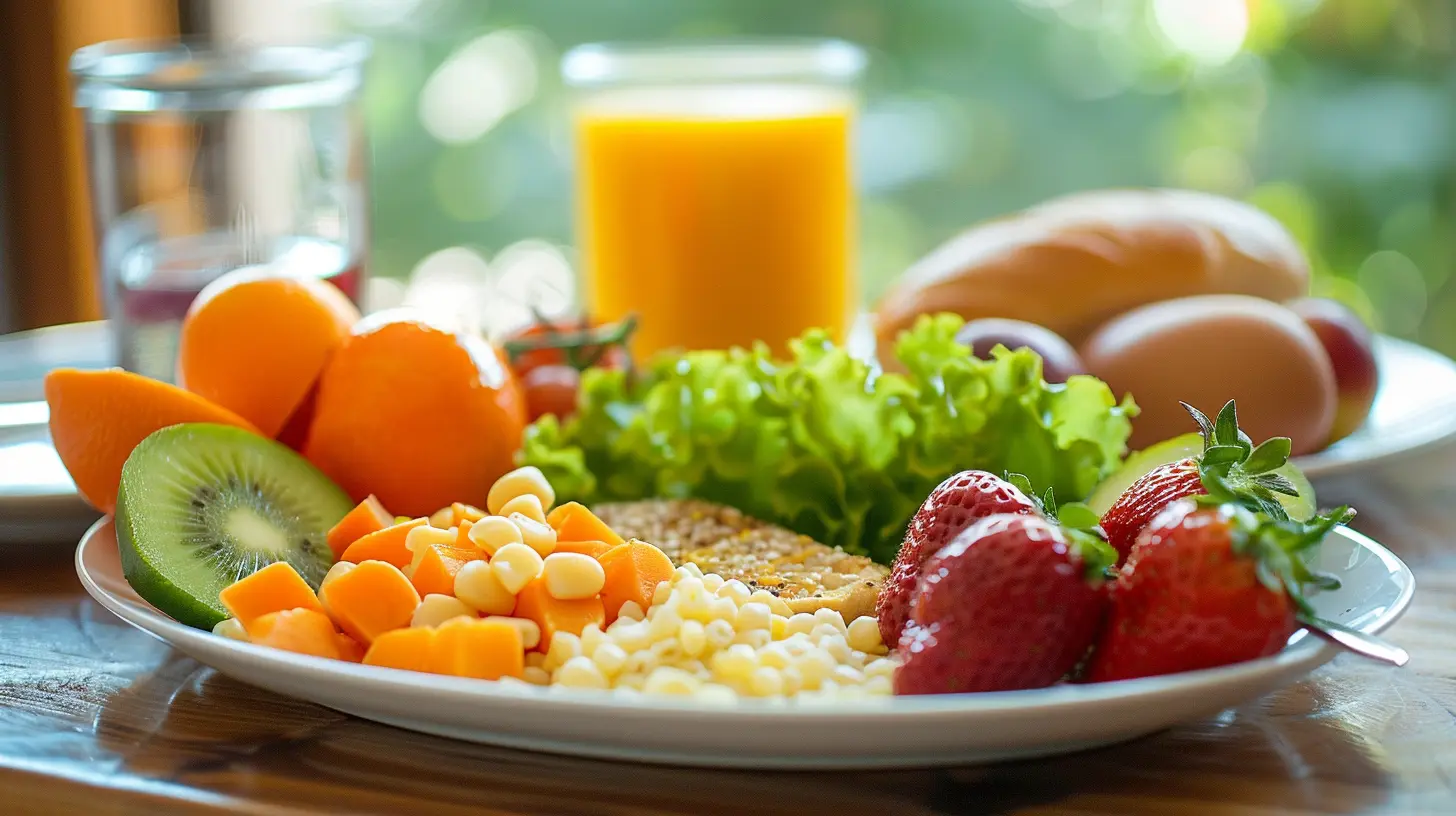
Nutritional Needs by Age: What Your Child Really Needs
Every stage of childhood comes with different nutrient needs. A toddler’s appetite isn’t the same as a growing pre-teen—both in quantity and nutrients. Here's a simple breakdown:Toddlers (1–3 years)
- Needs: Small, frequent meals- Focus on: Iron, calcium, vitamin D
- Tip: Serve soft foods in fun shapes to encourage eating
Preschoolers (4–5 years)
- Needs: Nutrient variety and routine meals- Focus on: Fiber, protein, and omega-3s
- Tip: Involve them in simple kitchen tasks—they’re more likely to eat what they help make
School-Age Kids (6–12 years)
- Needs: More energy, brain fuel- Focus on: Balanced carbs, protein, magnesium, and hydration
- Tip: Keep healthy snacks around and limit sugary drinks
Teens (13+ years)
- Needs: Increased calories, especially active boys and girls- Focus on: Iron (especially for girls), calcium, vitamin B12, and lean protein
- Tip: Encourage mindful eating over calorie counting
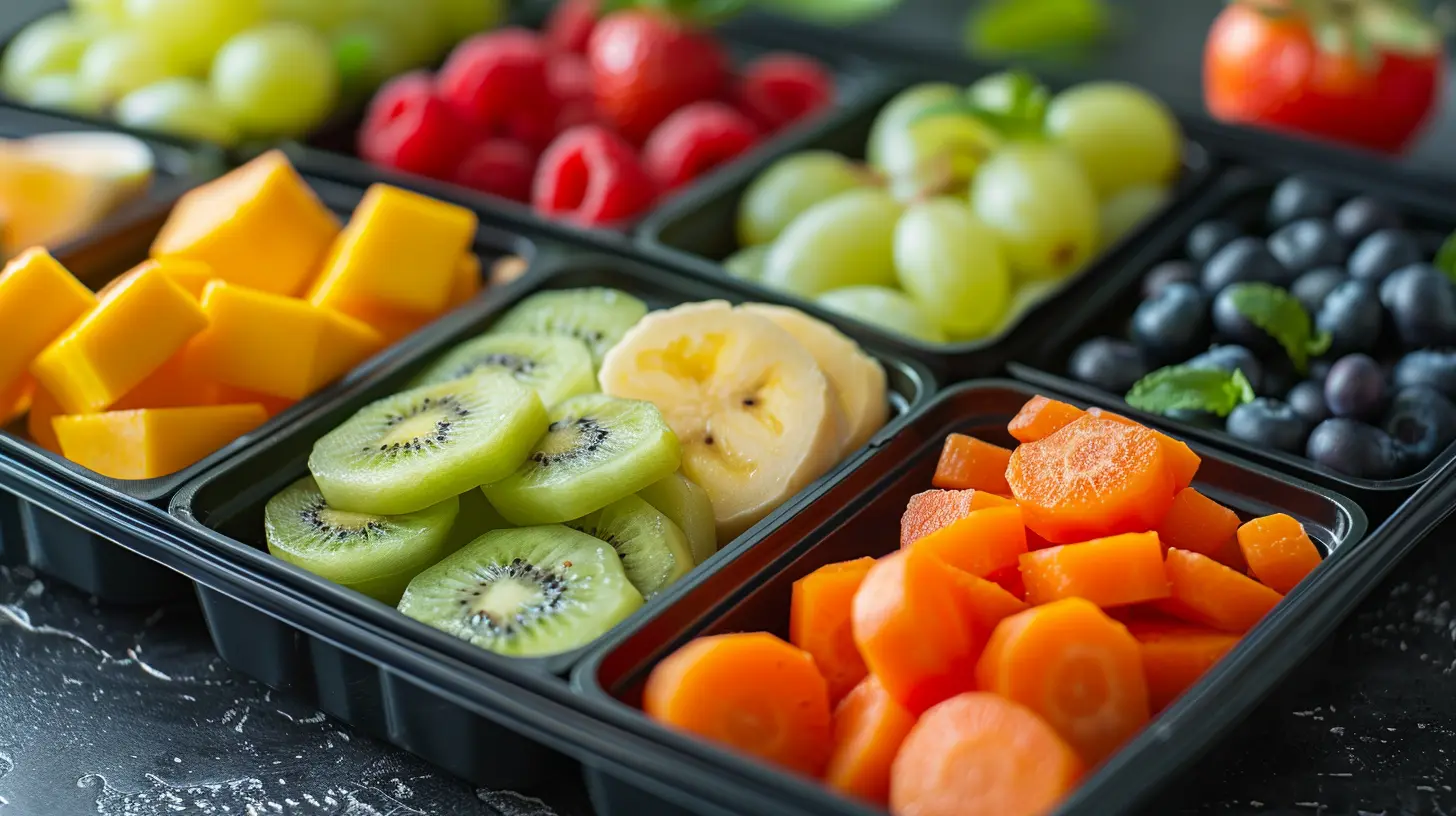
Sample Balanced Meal Plans for Kids
You’re probably thinking, “This sounds nice, but what does it actually look like on the plate?” Here’s a handy sample meal plan to guide you.Breakfast Ideas
- Oatmeal Bowl: Rolled oats with almond butter, banana slices, flax seeds, and a splash of milk.- Avocado Toast + Egg: Whole-grain toast topped with mashed avocado and a poached egg.
- Smoothie + Whole-Wheat Muffin: Berry smoothie with Greek yogurt and spinach, paired with a banana-oat muffin.
Lunch Ideas
- Turkey and Veggie Wrap: Whole wheat wrap filled with turkey slices, spinach, shredded carrots, and hummus.- DIY Bento Box: Boiled eggs, cherry tomatoes, cheese cubes, whole-grain crackers, and apple slices.
- Mini Quesadillas: Whole-wheat tortillas filled with beans and cheese, served with a side of guacamole and carrots.
Snack Ideas
- Apple slices with peanut butter- Yogurt with granola and berries
- Cucumber sticks with ranch or hummus
- Trail mix (nuts, seeds, raisins, minimal chocolate)
Dinner Ideas
- Grilled Chicken & Veggies: Served with brown rice and a side of steamed broccoli.- Salmon and Sweet Potatoes: Oven-baked salmon, roasted sweet potatoes, and green beans.
- Spaghetti with Turkey Meatballs: Whole-grain pasta, tomato sauce, side salad.
Dessert (Because Balance!)
- Fruit kabobs with a drizzle of dark chocolate- Baked apples with cinnamon
- Frozen yogurt with fresh fruit
Remember, it’s not about perfection—it’s about balance over time.
Making Mealtimes Peaceful and Productive
We all have those chaotic dinner nights when serving cereal sounds like a win (and sometimes it totally is). But creating a peaceful mealtime vibe encourages better eating habits. Here’s how:1. Create a Routine
Kids thrive on predictability. Serve meals and snacks around the same time each day to keep hunger and meltdowns in check.2. Involve the Kids
Let them pick a veggie at the store or help stir the pot. When children have a role in prepping food, they feel empowered—and often, more willing to try new things.3. Serve Family Style
Place dishes in the center and let kids serve themselves. It gives them control and encourages listening to their hunger cues.4. Limit Pressure
A “just one bite” rule can backfire. Instead, offer the food without pressure. Exposure over time increases familiarity and acceptance.Simple Tips to Keep Meals Balanced Every Day
Even when life gets hectic (because let’s be real, it always does), these quick tips can keep your child's nutrition on track:- Batch cook staples like quinoa, pasta, or grilled chicken for mix-and-match meals
- Use a rainbow rule—aim to see at least 3 colors on their plate
- Keep healthy snacks ready in easy-to-reach containers
- Make smoothies your secret weapon—you can hide leafy greens and protein
- Pack lunches the night before to avoid the morning rush
Healthy Relationship with Food Starts Young
Balanced meals aren’t just about nutrients; they’re about setting the tone for a life-long relationship with food. Kids learn from what they see, not just from what you say.So, go ahead—try new foods with them, eat together when possible, and talk about how different foods help our bodies. Instead of labeling foods as “good” or “bad,” teach them about “always foods” (like fruits and veggies) and “sometimes foods” (like cookies and chips). It’s all about balance, not restriction.
The more positive food experiences your children have now, the more confident, curious, and smart eaters they’ll be later on.
Encouraging Picky Eaters (Yes, It’s Possible)
It’s totally normal for kids to go through picky phases. One week it’s blueberries, the next week it’s only crackers. Here’s how to ride the wave:- Reintroduce rejected foods every few weeks in different ways
- Pair new foods with familiar favorites
- Avoid bribing—it creates power struggles
- Keep meal vibes low-key and positive
- Celebrate small wins (like touching or smelling a new food!)
Remember: patience now pays off big time later.
Final Thoughts: It’s a Journey, Not a Sprint
Feeding kids well takes time, patience, and a little trial and error. You’re not expected to get it right every single meal. Some days will be frozen pizza and applesauce—and that’s okay.What matters is consistency, love, and intention. Keep showing up, keep offering variety, and keep talking about how food helps us grow big, strong, and smart.
You’ve got this, mama (or papa)! With a little prep, a lot of heart, and a sprinkle of flexibility, balanced meal plans for growing kids can fall right into place—and even make mealtimes something to look forward to.
all images in this post were generated using AI tools
Category:
Healthy MealsAuthor:

Kelly Snow
Discussion
rate this article
2 comments
Sophia McAlister
This article is a fantastic resource for parents! Offering diverse, nutrient-rich meal plans ensures kids get the essential vitamins and minerals they need for healthy growth. Great tips!
March 5, 2026 at 3:37 PM
Kelly Snow
Thank you for your kind words! I'm glad you found the meal plans helpful for your kids' nutrition.
Buzz Myers
This article offers fantastic insights into creating nutritious meal plans for kids. The tips are practical and easy to implement, ensuring our little ones get the balance they need for healthy growth. A must-read for every parent!
February 17, 2026 at 3:41 AM
Kelly Snow
Thank you for your kind words! I'm glad you found the tips helpful for your kids' nutrition. Your support means a lot!