Best Practices for Keeping a Teething Baby Comfortable
2 April 2026
Ah, teething. That magical stage where your adorable little gummy bear starts growing teeth… and somehow transforms into a drooling, cranky, sleep-fighting tiny tornado. If you're a parent in the thick of it, just know you’re not alone. Teething can be tough—for baby and for you. But the good news? There are ways to ease the discomfort and bring back the giggles.
In this guide, we’ll dive into tried-and-true best practices for keeping a teething baby comfortable. You’ll find practical tips, gentle remedies, and a whole lot of empathy. Because let’s face it: parenting doesn’t come with a manual—but that doesn’t mean you have to go it alone.
What Exactly Is Teething?
Before we jump into how to soothe your little one, let’s break down what teething actually is. Teething is that delightful phase when your baby’s first set of teeth (also known as primary or milk teeth) start pushing through the gums.It usually kicks off around 4 to 7 months, though some early birds might start even earlier. And yes, it can go on for a while. Some kids finish teething by 2 years old, others take a bit longer. But regardless of the timeline, the discomfort is real.
Common Signs of Teething
Every baby is different, but here are some classic signs that teething might be the culprit:- Excessive drooling (hello, bib life!)
- Chewing on everything—fists, toys, your shirt, or even your face
- Irritability or fussiness
- Swollen or tender gums
- Disrupted sleep
- Decreased appetite
- Mild temperature increase (but not a high fever—more on that later)
Think of it like the pre-show before the tooth makes its grand debut. Not all babies show all these signs, but if you're checking several of these boxes, teething might be the reason behind the chaos.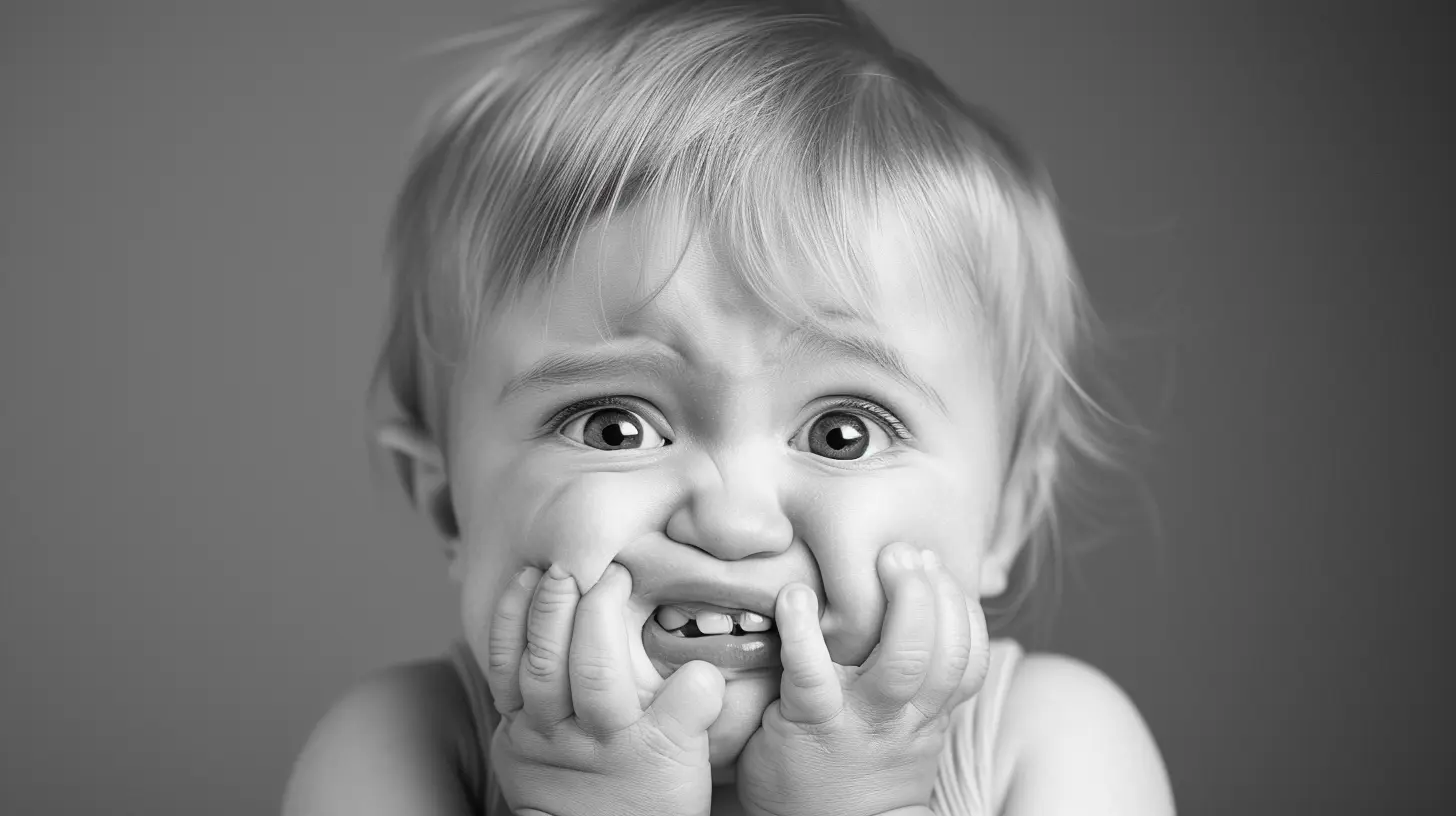
The Golden Rule: Comfort is Key
When your baby is teething, your role shifts from “just parent” to “comfort ninja.” Your mission? To reduce the irritation and bring on the calm.Let’s get into some practical, parent-tested methods to bring relief.
Keep It Cool (Literally and Figuratively)
Cold is a teething baby’s best friend. It numbs the gums and reduces inflammation. Here are some chill ideas:🧊 Chilled Teething Toys
Pop a teething ring into the fridge (not the freezer—too cold can hurt!). Let your baby chew on it for a cooling comfort session. Look for BPA-free toys made specifically for teething.🥶 Cold Washcloth Trick
Wet a clean washcloth, twist it, and place it in the fridge for a bit. Babies love the texture and temperature. It's like a baby-approved icy chew toy.🍎 Chilled Snacks (for babies on solids)
If your baby has started solids, offer cold cucumber sticks, apples slices, or even chilled bananas in a mesh feeder. It’s soothing and a great distraction.Safe and Soothing Teething Toys
Not all teething toys are created equal. You want something that’s soft enough for sore gums but durable enough to handle the chewing frenzy.What to Look for:
- BPA and phthalate-free materials- Easy to grip handles
- Varied textures for sensory stimulation
- Freezer- and dishwasher-safe is a bonus!
Toys like silicone teethers or wooden rings are great options. Sometimes, a baby’s favorite isn’t even a toy—it might be a safe household item like a silicone spatula (clean, of course!).
Massage Those Gums
Think about how good a back rub feels when you’re sore. For babies, a gentle gum massage can work wonders.Here’s how to do it:
- Wash your hands thoroughly- Use a clean finger
- Apply gentle pressure and rub in small circles on the sore spots
It’s simple, but the comfort factor is real. Some babies even fall asleep mid-rub—it’s that soothing.
Try Teething Gels or Remedies (With Caution)
There are some over-the-counter options available, but this is where you want to tread lightly.Avoid anything with benzocaine or lidocaine—these ingredients can be harmful to babies. If you’re considering a teething gel or homeopathic remedy, always chat with your pediatrician first.
Natural remedies like chamomile teething tablets or gels may work for some families but again—consult your baby’s doctor. What’s “natural” isn’t always baby-safe.
Pacifiers: Old-School Comfort
Pacifiers can be a lifesaver for teething babies. The sucking motion helps soothe irritated gums. Some even come with textured surfaces specifically for teething.For an extra soothing boost, chill the pacifier in the fridge before offering it to your baby. Not only will it calm them, but it might also buy you a few precious minutes of peace and quiet (hallelujah!).
Drool Patrol: Keep That Chin Dry
Drooling isn't just a mess—excess moisture can lead to skin irritation, rashes, or even little red bumps around the mouth and neck.Quick Tips:
- Keep a stack of clean bibs nearby (seriously, it’s a game-changer)- Gently pat your baby's chin dry throughout the day
- Apply a thin layer of baby-safe balm or petroleum jelly as a barrier on the skin
Think of yourself as the MVP of drool defense. It sounds small but makes a huge difference!
Maintain the Sleep Schedule (As Best You Can)
We get it—sleeping and teething often don’t mix. But sticking to a consistent bedtime routine can make things a little smoother.Try This:
- Warm bath before bed- Dim lights and calming music
- Extra cuddles
- A little pre-bedtime gum massage
Even if your baby wakes up more often, keeping bedtime predictable provides comfort and signals it’s time to relax.
Pain Relief (Only When Necessary)
If your baby is really struggling and you've tried everything, talk to your pediatrician about baby-safe pain relief options like acetaminophen (Tylenol) or ibuprofen (Advil).Only use medication as a last resort and follow your doctor’s dosage recommendations strictly. Babies are tiny, and even a little too much can be too much.
What Not to Do for a Teething Baby
Here are a few things to steer clear of:🚫 Don’t freeze teething toys solid – they can be too harsh
🚫 Don’t use amber teething necklaces (choking and strangulation hazards)
🚫 Don’t rub alcohol or other adult remedies on the gums
🚫 Don’t ignore symptoms—sometimes what seems like teething might be something else
If your baby has a high fever, diarrhea, or a rash, it’s best to check with your doc. Teething can be a handy scapegoat, but it doesn’t cause everything.
Teething Survival Tips for Parents
Let’s talk about you for a second. Because while you're doing everything to care for your baby, it’s easy to forget about yourself.Take breaks when you can. If you have a partner or support system, tag out when needed. Drink coffee (or tea), rest when you can, and know that this phase won’t last forever.
You’re not just keeping your teething baby comfortable—you’re showing them what love looks like. Exhausted, maybe. But strong, always.
When to Call the Pediatrician
If you’ve tried every trick in the book and your baby is still inconsolable, there may be something more going on. Here’s when to call the doctor:- High fever (over 100.4°F or 38°C)
- Vomiting or diarrhea
- Rash that doesn't go away
- Refusal to feed for several feedings
- Symptoms lasting longer than a few days without improvement
Always trust your gut. No one knows your baby like you do.
Final Thoughts: Embrace the Journey (Drool and All)
Teething can feel like a marathon with no finish line in sight. But it’s also a major milestone. Your baby is growing, changing, and becoming their tiny toothy self.In the middle of the frustration, the sleepless nights, and the endless bibs, try to hold onto the small wins—a successful nap, a belly laugh, or that adorable first little tooth poking through.
And remember: you're doing a great job.
all images in this post were generated using AI tools
Category:
Teething BabyAuthor:

Kelly Snow
Discussion
rate this article
2 comments
Kenna Riggs
Teething is nature's way of reminding us that parenting is a pain—literally! Just remember: a cool teething toy and a dash of humor can turn those wails into giggles!
April 7, 2026 at 3:30 AM
Kelly Snow
Absolutely! A little humor and the right tools can make teething more bearable for both baby and parents. Keep those smiles coming!
Thea Banks
Great tips! A nursing necklace or teething toy can really help soothe a teething baby. Don’t forget to offer plenty of cuddles and distractions during tough moments!
April 4, 2026 at 2:29 AM
Kelly Snow
Thanks for the reminder! Cuddles and distractions make a big difference during those tough times.