Can Teething Cause a Loss of Appetite?
16 February 2026
Ah, teething—the dreaded word that makes parents everywhere tense up just a little. If you're a parent in the middle of this stage, you're probably already dealing with the telltale signs: excessive drooling, endless chewing, crankiness, and sometimes, sleepless nights. But what about your baby suddenly turning their nose up at food? You're not imagining it—yes, teething can cause a loss of appetite.
Let’s dive into this parenting puzzle piece and unpack exactly how and why teething may affect your baby’s eating habits, what signs to look out for, and what on earth you can actually do to help.
What Exactly Is Teething?
Before we get into the appetite side of the conversation, let's hit pause and make sure we're on the same page about teething itself.Teething is the natural process of your baby's teeth pushing through their gums. It usually starts around 4 to 7 months of age, but—as with all things baby-related—there’s a wide range of “normal.” Some babies start teething earlier, others a little later.
The bottom central incisors are usually the first to show up, followed by the top front teeth. The whole teething process continues for months (sometimes years) as more teeth make their debut.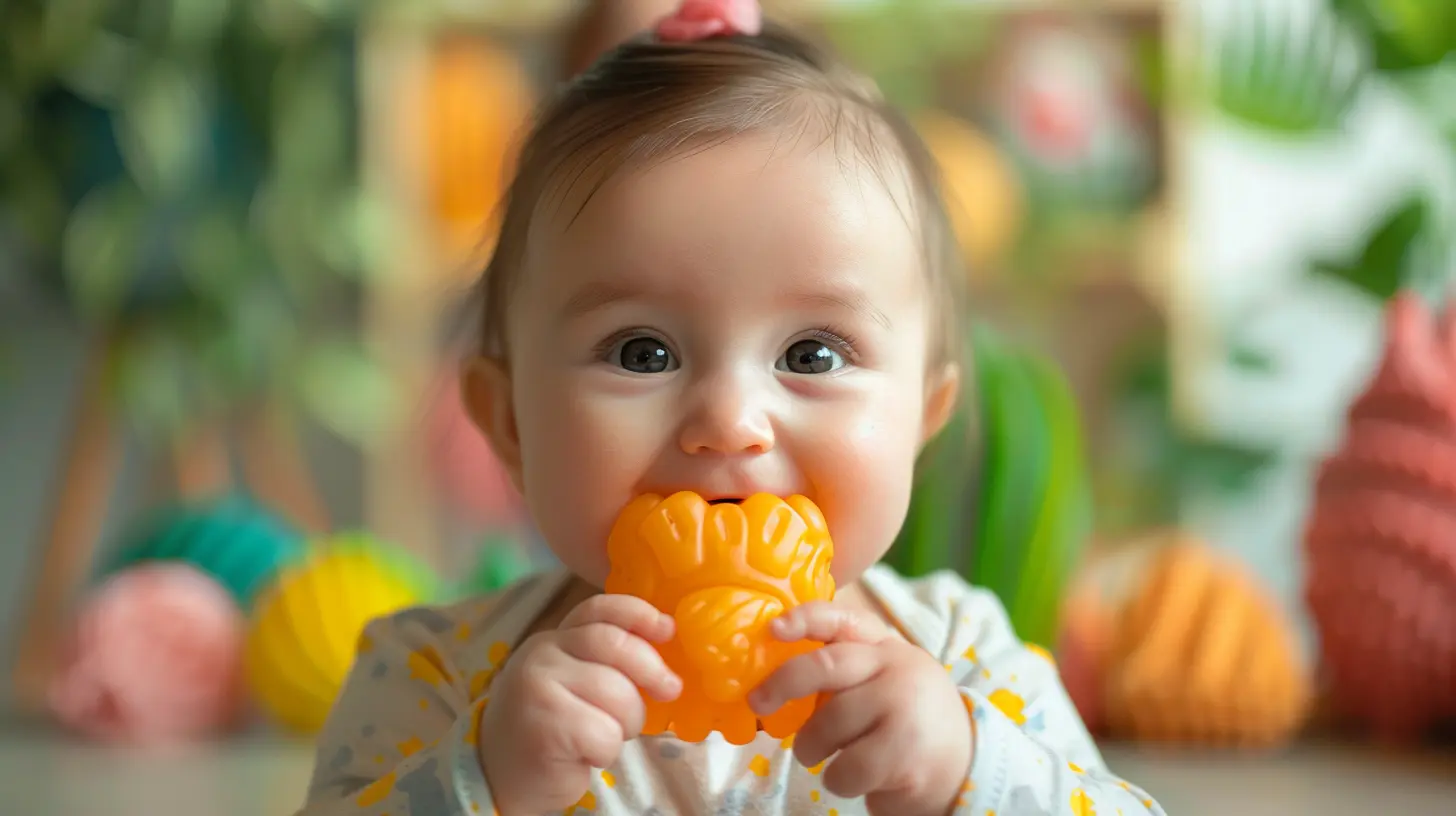
Common Teething Symptoms
We all know no two babies are exactly alike, but there are some classic signs many parents report when baby teeth start popping in:- Drooling—a lot of it
- Swollen or tender gums
- Chewing on anything and everything
- Fussiness and irritability
- Rosy cheeks
- A slight rise in body temperature (but not always a true fever)
- Trouble sleeping
And then there’s the one we came here for—loss of appetite.
Can Teething Cause a Loss of Appetite?
Short answer? Absolutely. But let’s break down the "why" behind it.You see, teething is not just about a couple of cute teeth emerging—it puts your baby’s little mouth through quite a bit of discomfort. Imagine having sore, swollen gums and then being expected to chow down like it's business as usual. Doesn’t sound too pleasant, right?
When babies are teething:
- Their gums may be too sore to tolerate sucking on a bottle or breast.
- Biting and chewing can make the pain worse.
- They may be more interested in soothing their gums with a cold teething ring than dealing with food.
In short, teething may temporarily zap your baby’s desire to eat—not because they’re trying to be difficult, but because their mouth simply hurts.
How Long Does the Appetite Loss Last?
Great question—and thankfully, the answer is usually “not long.”Most babies experience a dip in appetite for a few days before and after a tooth breaks through. Once that little tooth finally emerges, things often return to normal pretty quickly. But if your baby is cutting multiple teeth at once—or if the process is particularly rough for them—you might see this on-and-off pattern over a longer period.
Still, it’s typically a short-term situation, so try not to worry too much unless you notice other warning signs (which we’ll talk about shortly).
Appetite Loss Vs. Illness: How To Tell The Difference
Now, here's where things can get a little tricky. Just because your baby isn't eating doesn't always mean teething is the culprit. Sometimes, other issues—like an illness—can sneak into the mix.So how do you tell the difference?
Appetite Loss Likely Due to Teething if:
- It coincides with obvious signs of teething (drooling, irritability, swollen gums)
- There's no fever higher than 100.4°F (38°C)
- Baby is still somewhat interested in feeding, just more reluctant
- The behavior is short-lived (a few days)
Appetite Loss Might Be Due to Illness if:
- There’s a high fever
- Baby has diarrhea or vomiting
- There's a persistent cough or congestion
- Your child appears lethargic or unusually weak
- Loss of appetite lasts more than four or five days
If you’re ever unsure—it’s always best to check in with your pediatrician. Trust your instincts, mama or papa bear. You know your baby best.
What Can You Do To Help When Baby’s Not Eating?
Okay, so your baby’s teething, and mealtime has turned into a full-on protest. What now?1. Offer Cold Foods
Cold equals soothing when it comes to teething. Think of it like placing ice on a swollen ankle—it dulls the pain.Try offering:
- Chilled fruit in a mesh feeder (frozen banana, apple slices, or even a cold cucumber slice)
- Cold yogurt or applesauce if your baby is old enough
- Refrigerated teething toys or spoons
2. Use Teething Relief Methods
There are a bunch of baby-safe ways to ease teething pain:- Gently massage their gums with a clean finger
- Offer teething rings or silicone toys
- Use baby-safe teething gels (but only with your pediatrician’s okay)
Some parents swear by using a cold, wet washcloth for their baby to gnaw on. It's simple, gentle, and works like a charm for many.
3. Offer Smaller, More Frequent Feedings
If your little one is skipping their usual meals, don't panic. Instead of pushing for a full feed, offer smaller amounts more frequently throughout the day. A few ounces here and there can add up.4. Stick to Soft, Easy-to-Eat Foods
If your baby has started solids, stick to smooth, soft foods that don't require much chewing. Think mashed avocado, soft scrambled eggs, or well-cooked oatmeal. Avoid crunchy or coarse textures that might irritate sore gums.5. Stay Calm and Patient
Look, we get it—watching your baby refuse food can be stressful. But try not to force the issue. Teething is just a phase, and almost every kid goes through some mealtime rebellion. Keep offering, keep comforting, and soon enough, they’ll be back to devouring their meals like the hungry little monsters they are.When Should You Worry?
Loss of appetite during teething is usually not cause for concern, but there are a few red flags to watch for:- Baby is not gaining or is losing weight
- They’re not having enough wet diapers (sign of dehydration)
- They seem in pain all the time (not just during feeding)
- Symptoms go on longer than 5–7 days
Again—when in doubt, talk to your pediatrician. Peace of mind is priceless, and it's always better to over-ask than under-worry when it comes to your baby’s health.
Teething and Breastfeeding or Bottle Feeding
If you’re breastfeeding, teething can sometimes make your baby latch differently (or not at all). They might start biting or pulling away. Yes, it can be frustrating—and yes, it can literally hurt you, too.If your baby bites, calmly unlatch them and say “no” firmly. Then try again in a few minutes. Often, babies don’t mean to bite—they're just experimenting or trying to relieve soreness.
If you’re bottle feeding, consider trying a softer nipple or a different bottle brand that requires less suction, which might ease their discomfort.
Does Every Baby Lose Their Appetite While Teething?
Not all babies experience a dip in appetite during teething, just like not all babies suffer from diaper rash or night wakings. Some sail through it without a fuss, while others… well, make sure you have coffee ready.So if your baby continues eating like a champ while teething—count yourself lucky! But if they suddenly become picky or a bit resistant, know that it’s completely normal and temporary.
The Bigger Picture
Babies are unpredictable little humans. One day they love bananas, the next day they act like you're feeding them socks. When teething enters the mix, it’s no wonder mealtimes can spiral into chaos. But here’s the good news—it won't last forever.The key is to keep offering food without pressure, give them plenty of comfort, and stay consistent with your routine. Most importantly? Try not to stress too much. You’re doing a great job—and your baby will be back to eating with gusto in no time.
Final Thoughts
So, can teething cause a loss of appetite? Yes, it definitely can. But it's usually a temporary bump in the road, not a reason to panic. As long as your little one is generally healthy, hydrated, and not showing other signs of illness, they're likely just dealing with the discomfort of those new pearly whites pushing through.Keep showing up with love, patience, and maybe a few extra clean bibs for all that drool—and you’ll both get through this teething stage just fine.
all images in this post were generated using AI tools
Category:
Teething BabyAuthor:

Kelly Snow
Discussion
rate this article
2 comments
Derek Ross
Absolutely! Teething can be a tricky phase for little ones, and a dip in appetite is common. Just remember, it’s usually temporary! Offer soothing foods and love, and soon enough, your little one will be back to munching like a champ. Hang in there—this too shall pass!
March 2, 2026 at 3:31 AM
Kelly Snow
Thanks for sharing your thoughts! You're right, it can be tough, but with some patience and care, it will pass.
Liora McBride
Great insight! Teething can definitely affect appetite—understanding this can help parents navigate their little one's needs.
February 21, 2026 at 5:27 AM
Kelly Snow
Thank you! I'm glad you found the information helpful for navigating teething challenges.