Creating a Home Environment That Inspires Confidence
8 August 2026
Confidence is not something a child is born with, nor is it a switch that flips on at a certain age. It is built slowly, layer by layer, through everyday interactions and the physical and emotional space a child inhabits. As a parent, you cannot hand your child confidence like a gift, but you can absolutely create the conditions where it can take root and grow. The home environment, in its most complete sense, is the soil. This article will walk you through what that soil needs to look like, feel like, and function like.
The Difference Between Praise and a Confidence-Building Environment
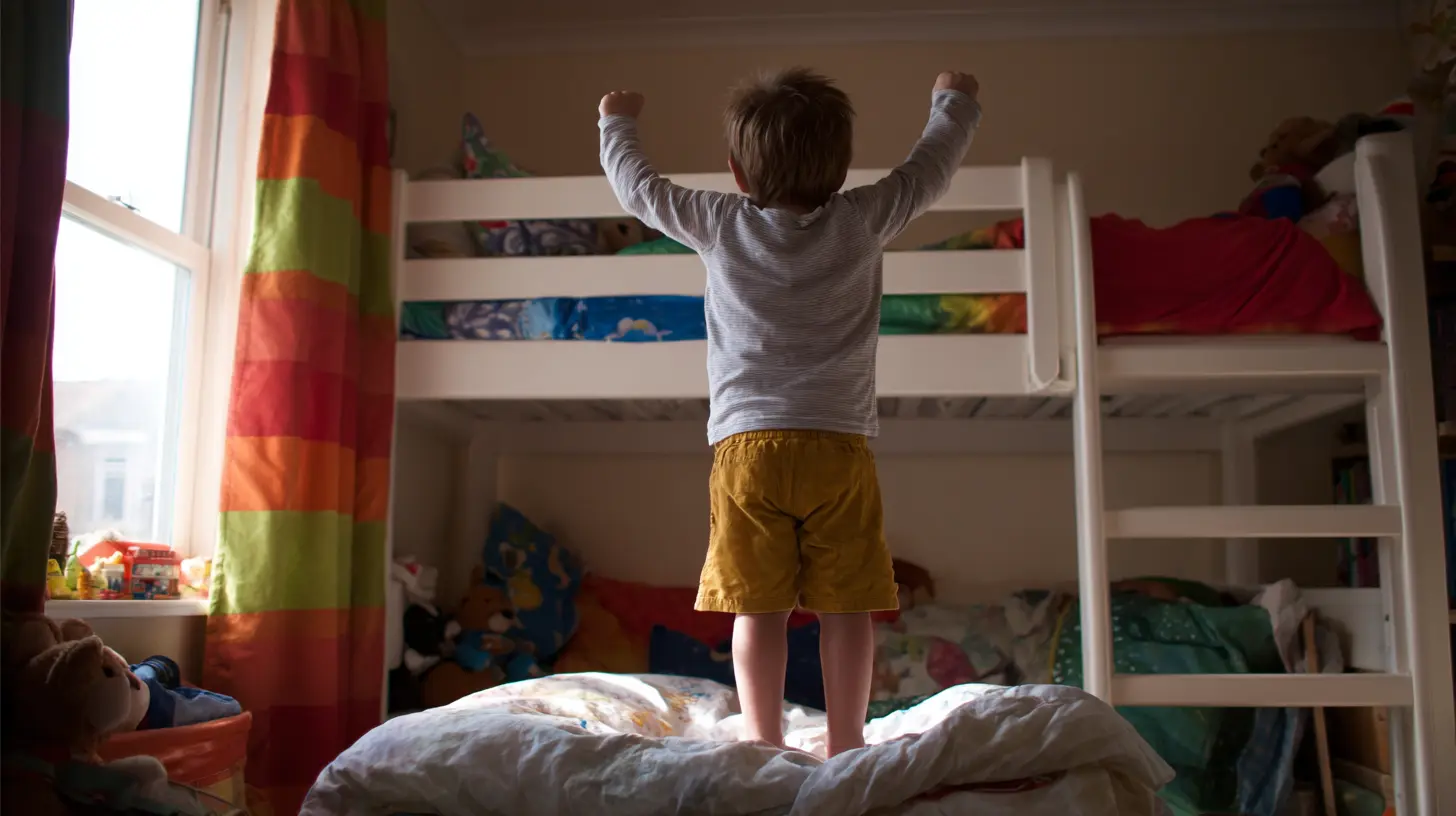
Many parents make the mistake of thinking that constant praise is the shortcut to confidence. They say "Good job!" for every drawing, every block tower, every finished plate of food. The problem is that praise, when it becomes a reflex, loses its meaning. Children are remarkably good at detecting when a compliment is empty. Over time, they start to rely on external validation for every single action, which actually undermines confidence because it teaches them that their own judgment is not enough.A confidence-building environment is different. It is not about telling a child they are great all the time. It is about giving them the space to try, to fail, to adjust, and to try again without fear of shame. The physical space matters here. A child needs a place where they can make a mess, where they can attempt something difficult, and where the outcome does not have to be perfect to be valued.
Consider the difference between a home where every surface is pristine and a home where there is a designated "tinkering table." In the pristine home, a child learns quickly that mess is dangerous, that mistakes are costly, and that the best way to stay safe is to do nothing. In the home with the tinkering table, the message is different. It says, "Experiments are welcome here. Your curiosity is more important than the carpet."
The Physical Layout: Designing for Autonomy
The way you arrange your furniture and organize your child's belongings sends a powerful message about how much you trust them. A home that inspires confidence is one where a child can access what they need without asking for help for everything.Reachable and Organized Spaces
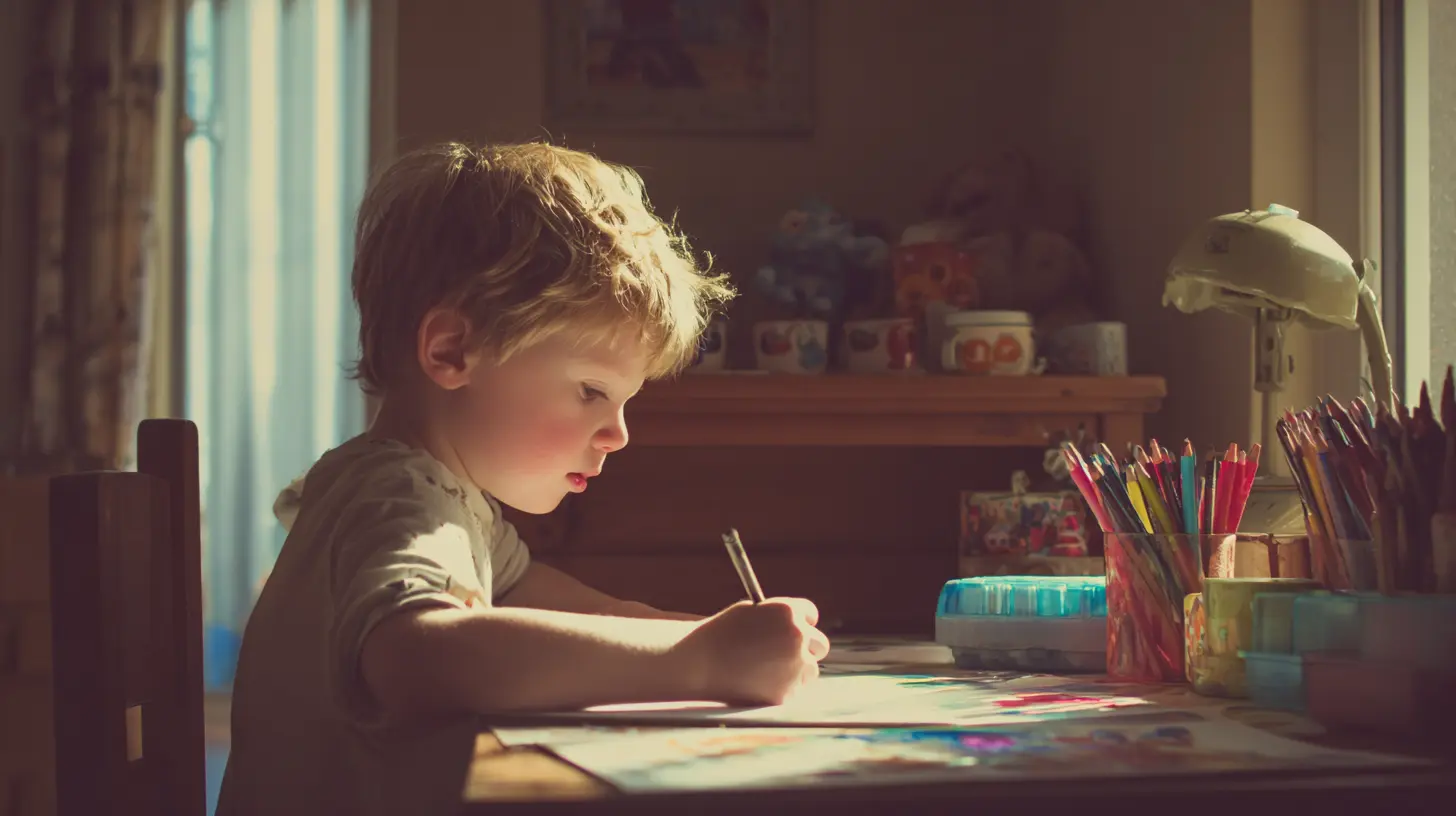
Start with the basics. Are your child's cups, plates, and snacks in a lower cabinet or drawer that they can actually open? Is there a step stool in the bathroom so they can wash their hands by themselves? Is their clothing in drawers that are low enough and light enough for them to manage? These small adjustments are not about convenience. They are about giving a child the repeated experience of being capable. Every time a child gets their own cup without asking, a tiny neural pathway of independence is strengthened.The key is not to make everything easy, but to make everything possible. If a shelf is too high, that is a problem. If a shelf is at the right height but the items on it are fragile and breakable, that is a different problem. You want to strike a balance where the child can succeed, but where success requires some effort. For instance, storing art supplies in a rolling cart that the child can pull out and put away gives them control over their creative time. But if you leave all the supplies out all the time, the environment becomes chaotic, and chaos does not inspire confidence. It inspires anxiety.
The Power of a Personal Space
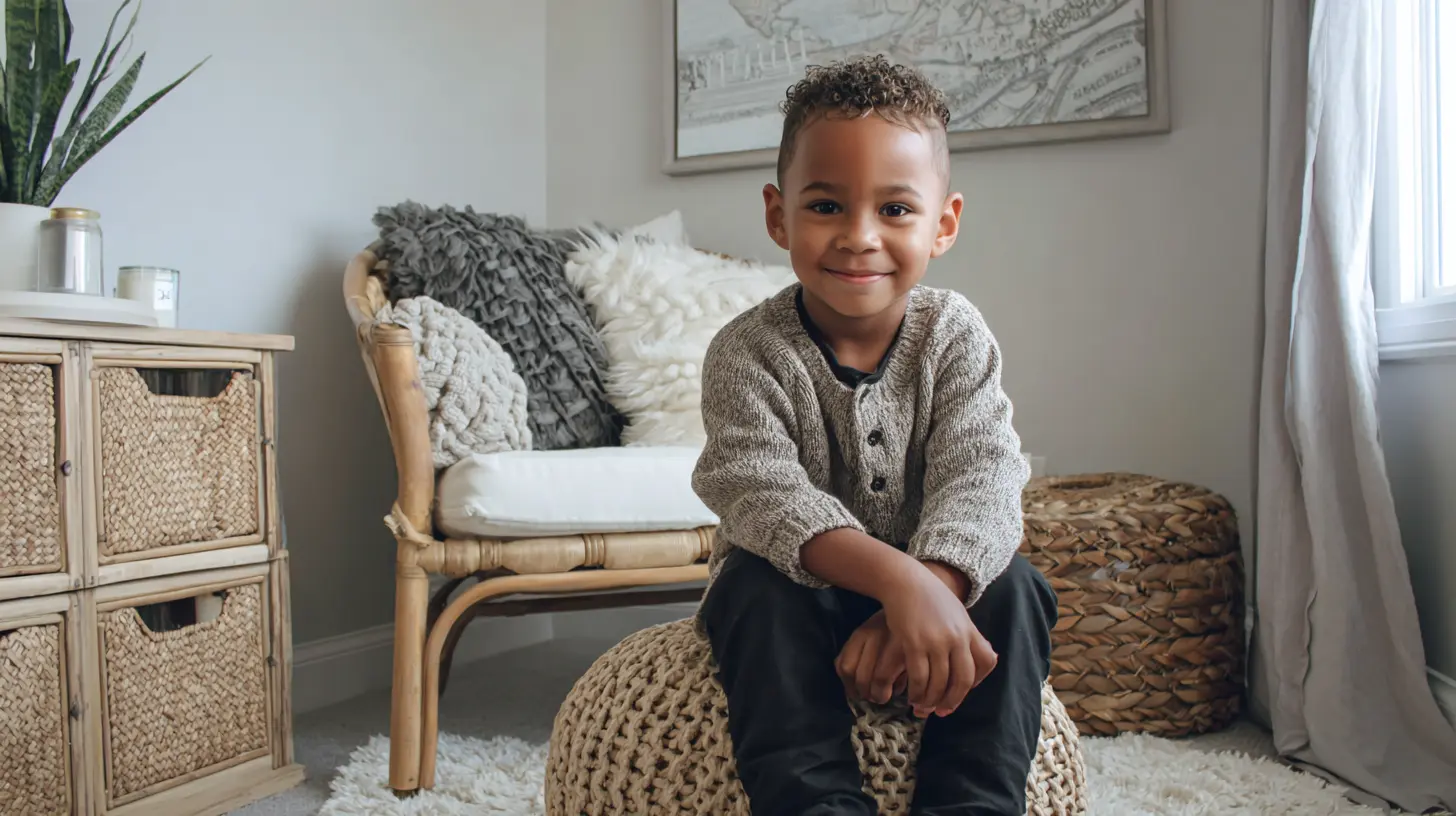
Every child, even a very young one, needs a corner of the home that is truly theirs. This does not have to be a bedroom. It can be a corner of the living room with a small rug, a low shelf, and a pillow. The point is that the child has some say over what happens there. They get to decide whether the books are stacked neatly or spread out. They get to decide what goes on the wall. This ownership is a direct contributor to confidence because it says, "Your preferences matter. Your taste matters. You have a place in this world that reflects you."When you respect that space, you reinforce the lesson. Do not reorganize their shelf without asking. Do not throw away their "treasures" (which may look like junk to you). When you treat their space with respect, they learn that they are worthy of respect. And that is the foundation of confidence.
The Emotional Climate: Safety to Fail
The physical environment matters, but the emotional environment matters infinitely more. A child can have the most beautiful, well-organized room in the world, but if they are afraid of being yelled at for spilling a glass of milk, that room will not give them confidence. The emotional climate of the home is set by you, the parent, and it is set by your reactions to your own mistakes as well as theirs.Modeling Imperfection
Children do not learn from what you say. They learn from what you do. If you want a child who is confident enough to try new things, they need to see you trying new things and failing. Let them see you burn the toast. Let them see you struggle with a new piece of software. Let them hear you say, "Well, that did not work. I will try a different way." This is the most powerful lesson you can teach. It says that failure is not a verdict on your worth. It is just information.Many parents instinctively hide their struggles from their children, thinking they are protecting them. But this creates an unrealistic standard. The child sees a parent who seems to do everything right, and they conclude that they themselves must be defective because they cannot do the same. When you show your own vulnerability, you give your child permission to be imperfect. And that permission is the bedrock of confidence.
The Language of Process
The way you talk about your child's efforts also shapes their confidence. Instead of focusing on the outcome, focus on the process. For example, instead of saying "You got an A on the test!" say "I saw how much you studied for that test. You really stuck with it even when it was hard." This shifts the child's focus from the result to their own agency. It teaches them that they have control over their effort, even when they do not have control over the outcome.This is a subtle but critical distinction. A child who is praised only for results will avoid challenges where the result is uncertain. A child who is praised for effort and strategy will embrace challenges because they know that the effort itself is valuable. The home environment should be full of language that highlights problem-solving. "What did you try first?" "What happened when that did not work?" "What will you do differently next time?" These questions, asked in a calm and curious tone, make the child the expert on their own experience. That is a massive confidence booster.

The Role of Choice and Consequences
Confidence grows when a child feels a sense of control over their own life. But control without boundaries is not confidence; it is chaos. The art of parenting is in offering choices that are meaningful but safe, and then letting the child live with the consequences.Designing Good Choices
For a young child, do not ask open-ended questions like "What do you want to wear?" That is overwhelming. Instead, offer a limited set of options. "Do you want the red shirt or the blue shirt?" This gives the child a decision to make, but it is a decision they can handle. As the child grows, the range of choices expands. A teenager can choose their own classes, their own friends, and their own hairstyle, even if you do not agree with all of those choices.The important part is that you genuinely accept the child's decision once it is made. If you offer a choice between two outfits and then complain when the child picks the one you do not like, you have taught them that choices are a trap. That is a fast way to kill confidence. When you offer a choice, you must be prepared to honor it.
Natural Consequences
Letting children face the consequences of their choices is hard for parents. It is natural to want to protect them from discomfort. But if you always step in to save them, you are telling them that you do not believe they can handle difficulty. Let a child forget their jacket on a cool day. They will be cold for ten minutes, and they will remember the jacket next time. Let a teenager spend their allowance on a game they get bored of. They will think more carefully about the next purchase.This does not mean you should let your child experience dangerous or truly harmful consequences. It means you should let them experience small, reversible, age-appropriate consequences. Each time they survive a small failure, their confidence in their ability to cope with the world increases. If you never let them fail, they never learn that they can cope. That is a recipe for anxiety, not confidence.
The Myth of the "Confident Child"
There is a common misconception that confidence is a fixed trait. Some children are "born confident," and others are not. This is simply not true. Confidence is a skill, and like any skill, it can be developed with practice. The home environment is the practice ground.You might have a shy child who avoids new situations. It is tempting to label them as "not confident" and to push them into activities to "fix" them. But pushing a shy child into a loud party is not going to build confidence. It is going to build fear. Instead, the home environment should provide a quiet, safe base from which the child can take small risks at their own pace.
The Slow Path
For a shy child, confidence might mean making eye contact with the cashier at the grocery store, not performing on a stage. Celebrate those small steps. Do not compare your child to their outgoing sibling or friend. The home environment should be a place where your child's unique temperament is honored, not where it is seen as a problem to be solved. When a child feels accepted for who they are, they can begin to build confidence on their own terms.The Overconfident Child
On the other end of the spectrum, you have the child who seems overconfident. They brag, they take unnecessary risks, and they refuse to admit when they are wrong. This is often a mask for deep insecurity. The home environment can help here too. This child needs to experience safe failure. They need to be in a place where they can be wrong without losing face. You can model this by admitting your own mistakes readily and without drama. You can also gently challenge their bravado with questions like "What did you learn from that?" or "How do you think the other person felt?"The goal is not to crush their spirit but to help them see that their worth does not depend on being right or being the best. This is a hard lesson for an overconfident child, but it is essential for genuine confidence.
Practical Setups That Build Independence
Let us move from theory to practice. Here are some concrete ways to structure your home to promote confidence.The "I Can Do It" Kitchen
Set up a low shelf in the kitchen with a water dispenser, a supply of cups, and some healthy snacks in small containers. Show your child how to use it, and then step back. Yes, there will be spills. Yes, it will be messy at first. But the look on a three-year-old's face when they pour their own water is worth it. This setup teaches self-sufficiency and also reduces the number of times they have to ask for help, which builds a sense of agency.The "Work in Progress" Wall
Designate a wall or a large corkboard where your child can display their work, but with a twist. Do not just hang the perfect final product. Hang the first draft, the failed attempt, and the final version. Write a small note next to it: "First try," "Second try," "Final version." This visually demonstrates that improvement is a process. It normalizes the awkward middle stages of learning. It shows that the child is capable of growth, which is the essence of confidence.The Repair Station
When something breaks in your home, do not immediately throw it away or buy a new one. Instead, have a small toolbox with child-safe tools and a designated place where you try to fix things together. This could be a broken toy, a wobbly chair, or a torn book. The act of repairing something is a profound confidence builder. It teaches problem-solving, patience, and the idea that things are not disposable. It also gives you a chance to work alongside your child as a partner, not a boss.The Digital Environment: A Modern Challenge
In today's world, the home environment includes screens. The digital space your child inhabits is just as important as the physical space. A child who spends hours on a social media feed is being told constantly that they are not good enough. This is the opposite of a confidence-building environment.Boundaries and Intentionality
Set clear boundaries around screen time, but do not be a dictator. Involve your child in creating the rules. Ask them, "When do you think it is okay to use a tablet?" "How long feels right?" When they have a say in the rules, they are more likely to follow them. The goal is to make screens a tool for creation rather than passive consumption. Encourage your child to use a drawing app, to code a simple game, or to make a video. Creating something digital gives a sense of accomplishment that scrolling can never provide.The Comparison Trap
Talk openly about the fact that what people post online is a highlight reel, not their real life. This is a conversation you need to have early and often. The home environment should be a refuge from comparison. When your child comes to you and says, "Everyone else has a better life than me," do not dismiss it. Acknowledge the feeling and then help them see the reality. This critical thinking is a protective layer for their confidence.
Common Mistakes and How to Avoid Them
Even with the best intentions, parents make mistakes. Here are a few of the most common ones, and how to correct course.Mistake: Doing Everything For Them
When your child is struggling with a task, your instinct is to help. But there is a difference between helping and taking over. If you tie their shoes for them every morning because they are slow, you are telling them that they are not capable. Instead, allow extra time in the morning so they can do it themselves. If they are struggling with a math problem, do not give them the answer. Ask them questions that guide them to the solution themselves. This takes more patience, but it builds far more confidence.Mistake: Over-Scheduling
Some parents think that confidence comes from achievement, so they pack their child's schedule with activities. The child goes from soccer to piano to tutoring. They are always busy, and they are always being evaluated. This can actually destroy confidence because the child never has time to just be. They never have time to pursue their own interests at their own pace. Make sure your home has unscheduled time. Let your child be bored. Boredom is the mother of creativity, and creativity is a huge confidence booster.Mistake: Ignoring Your Own Confidence
You cannot give what you do not have. If you are constantly self-critical, if you are always apologizing for yourself, if you never try new things because you are afraid of failing, your child will absorb that. Work on your own confidence. It is not selfish. It is one of the most generous things you can do for your child. When you model self-acceptance and resilience, you give your child a blueprint for their own life.The Long Game: Confidence as a Journey
Building a home environment that inspires confidence is not a one-time project. It is an ongoing practice. There will be days when you lose your temper, days when you do too much for your child, days when the house is a mess and the screens are on too long. That is okay. The goal is not perfection. The goal is a general direction.The home environment is the most powerful force in a child's life. It is where they learn who they are and what they are capable of. By paying attention to the physical space, the emotional climate, and the language you use, you can create a home where confidence does not have to be taught. It can simply grow.
Your child will not remember every perfect meal you made or every clean floor. They will remember the feeling of being trusted with a task. They will remember the feeling of being allowed to fail and try again. They will remember the feeling of being heard and respected. That is the true gift of a confidence-building home.
all images in this post were generated using AI tools
Category:
Raising Confident KidsAuthor:

Kelly Snow