Creating Routine Check-Ins with Your Kids for Improved Communication
29 December 2025
Let’s be real—if parenting came with a manual, most of us would still be flipping through chapter one while the kids write their own version in crayon on the living room wall. Between school runs, work meetings, dinner prep, and just trying to breathe, making time for deep, meaningful conversations with your children can feel like a wishful fantasy. But here’s the thing: improving communication with your kids doesn’t require grand gestures. It starts with something simple yet powerful—routine check-ins.
So, what exactly are routine check-ins, and how can they transform the way you communicate with your kids? Let’s dive in and break it down together.
What Are Routine Check-Ins?
Picture this: instead of waiting until your child is melting down over something seemingly minor (but actually pretty big in their world), you have a regular, safe moment set aside every day—or week—just to talk. Not lecture. Not interrogate. Just talk. That, my friend, is the essence of a routine check-in.A routine check-in is a scheduled moment where you and your child connect. It might be over breakfast, before bedtime, or even during a walk around the block. The goal? To create consistent, non-judgmental space for open, honest conversation.
Why Routine Check-Ins Matter for Kids
We all want stronger bonds with our children, but that doesn’t happen overnight or automatically. Just like a garden needs water, your relationship with your child needs care, attention, and time.Here’s why check-ins are a game changer:
1. They Build Trust and Emotional Safety
When kids know they have your full attention regularly, they feel valued and secure. It tells them, “Hey, you matter. Your thoughts and feelings are important to me.”2. They Strengthen Connection
You’ll learn more about what’s going on in their lives—in school, with friends, or even just in their heads. It’s a natural way to build closeness without forcing it.3. They Improve Communication Skills
By modeling open and respectful conversation, you’re teaching your kids how to express themselves, listen actively, and navigate emotions.4. They Help Detect Issues Early
Having routine conversations gives you a chance to catch emotional or behavioral red flags before they spiral. Prevention is always better than cure.
Making It Happen: How to Start Routine Check-Ins
You don’t have to be a therapist, a parenting guru, or have hours to kill. What matters most is your intent and consistency. Here’s a simple roadmap to get you going.Step 1: Pick the Right Time
Timing is everything. Choose a moment when neither of you is rushed or distracted. Some great options include:- During morning breakfast
- After school
- Right before bedtime
- During car rides
- After dinner walks
The key? Keep it natural. You’re not adding another chore to the to-do list—you’re weaving connection into your normal routine.
Step 2: Keep It Age-Appropriate
Different age, different approach. A five-year-old isn’t going to engage in the same way as a teenager. Tailor your conversations to your child’s developmental stage.- Younger kids: Keep it light and playful. Use stories or drawings.
- Tweens: Go with direct but simple questions. Give them room to think.
- Teens: Respect their space, but don’t shy away from honesty. Be real, and they’ll respond in kind.
Step 3: Ask the Right Questions
The classic “How was your day?” rarely cuts it. Try open-ended, engaging questions instead. A few good options:- What made you smile today?
- Did anything surprise you today?
- Is there something you wish had gone differently?
- What’s something small that made you happy?
Avoid turning the check-in into an interrogation. Don’t pepper them with questions—just let it flow naturally.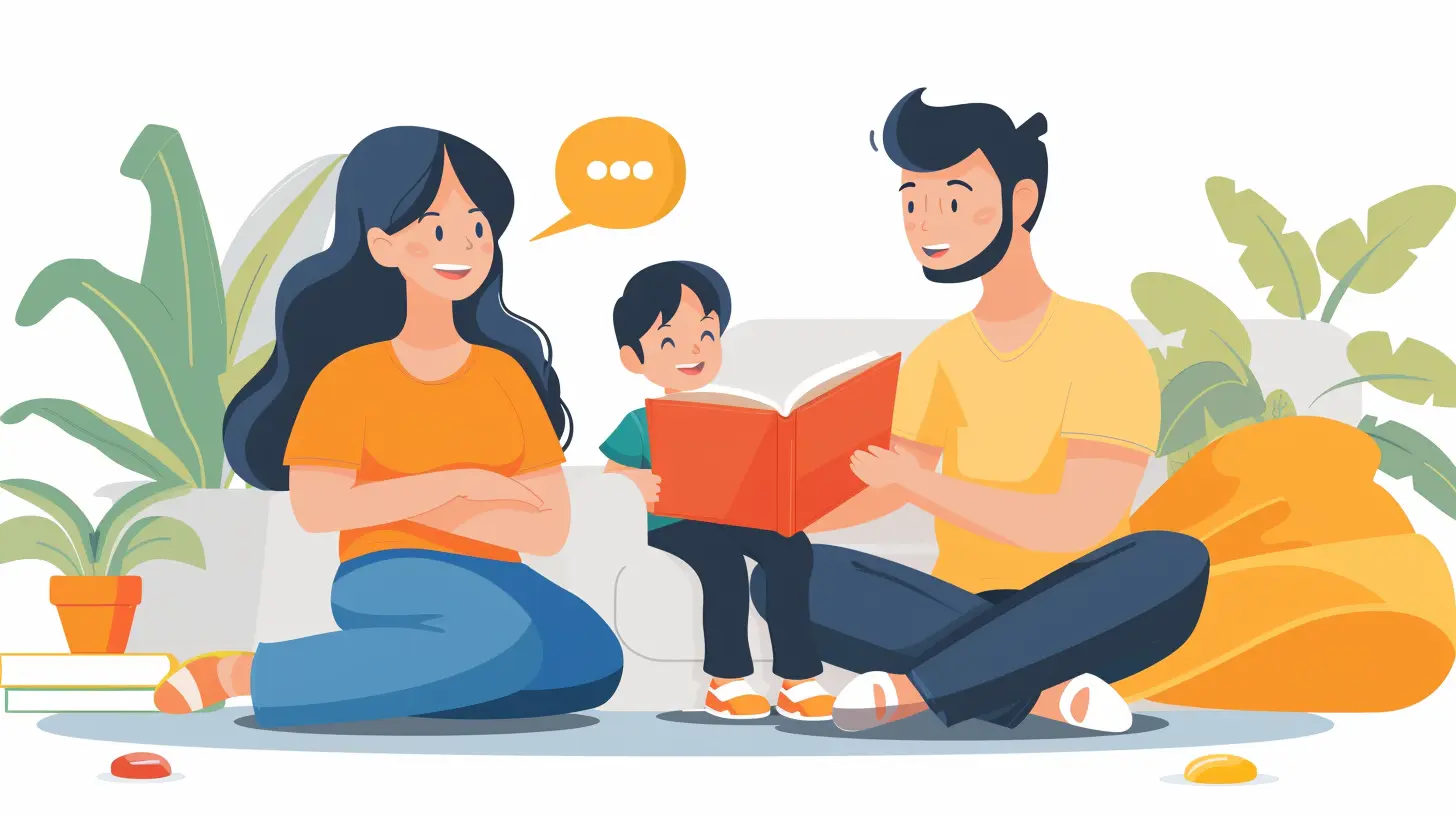
Tips to Make Check-Ins Meaningful (and Not Awkward)
Let’s face it—some kids are chatterboxes while others make you feel like you’re pulling teeth to get a sentence. Either way, these tips can help make your check-ins actually count.1. Create a Judgment-Free Zone
Resist the urge to correct, criticize, or problem-solve immediately. Just listen. Let your child say what they need to say without fear of punishment or lecture.2. Be Fully Present
Put down your phone. Turn off the TV. Give eye contact. Your child will notice when they have your undivided attention, and it’ll mean the world.3. Share About Your Day, Too
This isn’t a one-way street. Share a funny story from work or something that frustrated you. It humanizes you and encourages your child to open up more.4. Use Tools to Break the Ice
There are some great conversation card decks for families or even apps designed to prompt discussions. You could also start a shared journal where you both write back and forth.Overcoming Common Challenges
Let’s be honest—creating routine check-ins sounds amazing in theory, but life is messy. Here’s how to handle some common bumps in the road.“My Kid Just Doesn’t Want to Talk.”
That’s okay. Not every day will be deep and meaningful. The point is to keep showing up. Sometimes just sitting silently together builds connection. Trust that over time, they’ll open up more.“We’re Too Busy.”
Even five minutes can make a difference. It’s not about quantity; it’s about quality. Add it to an existing routine and you’ll barely notice the extra time.“My Teen Eye Rolls Every Time I Try.”
That’s just the teen survival mechanism at work. Don’t take it personally. Just be there. Keep your cool. Your teen may act like they don’t care, but deep down, they do.“I’m Not Good at Talking About Feelings.”
Guess what? You don’t have to be perfect. Just be honest. Say something like, “I’m still figuring this out, too.” That honesty will speak volumes.Making Check-Ins a Habit
Habits are born from repetition. Here’s how to cement check-ins into your family rhythm:- Choose consistent times: Maybe it’s every night after dinner.
- Set reminders: Use your phone or post a sticky note somewhere visible.
- Celebrate the wins: When your child opens up, acknowledge it. Even a simple “Thanks for sharing that with me” goes a long way.
- Be patient: Habits take time to form. Stick with it, even if the results aren’t immediate.
Long-Term Benefits You’ll Actually See
You’re probably wondering—what’s the real payoff? Is it worth the effort? Absolutely. Over time, you’ll likely notice:- Fewer emotional meltdowns
- More honesty and openness
- Better problem-solving together
- Stronger mutual respect
- A sense of closeness that money can’t buy
It’s like watering a plant. You might not see growth overnight, but give it time and attention, and something beautiful will bloom.
Check-In Ideas for Different Ages
Let’s break it down with some handy age-specific suggestions:For Toddlers & Preschoolers
- Use play to communicate (tea parties, puppets, dolls).- Ask “What was your favorite part of your day?”
- Make it part of storytime—use feelings-focused books.
For Elementary-Age Kids
- Use a feelings chart or emotion cards.- Make it a game: “Two truths and a lie” about their day.
- Say something silly to start, like “Did you eat a cloud for lunch?”
For Tweens
- Try journaling back and forth in a shared notebook.- Let them lead the conversation.
- Be curious, not intrusive.
For Teens
- Schedule a regular coffee run or short walk.- Use car time wisely—teens often open up when you're not making direct eye contact.
- Talk about your own experiences—without turning it into a lecture.
Final Thoughts
At the end of the day, creating routine check-ins with your kids isn’t about adding another box to tick off. It’s about building a bridge—one moment at a time—that carries love, trust, and understanding back and forth between you and your child.These little check-ins? They may seem small, but they’re mighty. They're the glue that holds your relationship together during the stormy tween years, teenage turbulence, and even sweet, simple childhood days.
So take a breath, find your moment, and just ask, “How are you feeling today?” You might be surprised at what unfolds.
all images in this post were generated using AI tools
Category:
Parenting RoutinesAuthor:

Kelly Snow
Discussion
rate this article
2 comments
Solstice Bass
Creating routine check-ins with kids is like trying to teach a cat to fetch—fun in theory but usually ends with chaos! Just remember, if all else fails, chocolate and silliness are great conversation starters!" 🍫😄
January 22, 2026 at 3:41 AM
Kelly Snow
Absolutely! Embracing chaos with chocolate and silliness can make routine check-ins more enjoyable and engaging for both you and your kids. 😊🍫
Kylie McCaw
What a fantastic article! Establishing routine check-ins is such a wonderful way to foster open communication and strengthen bonds with our kids. Thank you!
January 17, 2026 at 5:01 AM
Kelly Snow
Thank you so much for your kind words! I'm glad you found the article helpful in fostering communication with your kids.