Embracing Cultural Differences: Teaching Kids to Communicate Respectfully
10 March 2026
Imagine this. Your child is at the playground, meeting another kid from a different background. Different clothes, different accent, maybe even different food in their lunchbox. Now, here's the big question—does your child feel curious and respectful, or confused and uncomfortable?
In our increasingly connected world, embracing cultural differences isn’t just a good idea—it’s a must-have life skill. And guess what? It all starts at home. Teaching kids to communicate respectfully with people from all walks of life is one of the most valuable lessons we can give them.
Let’s dive into how we can raise open-minded, empathetic kids who not only accept but celebrate diversity.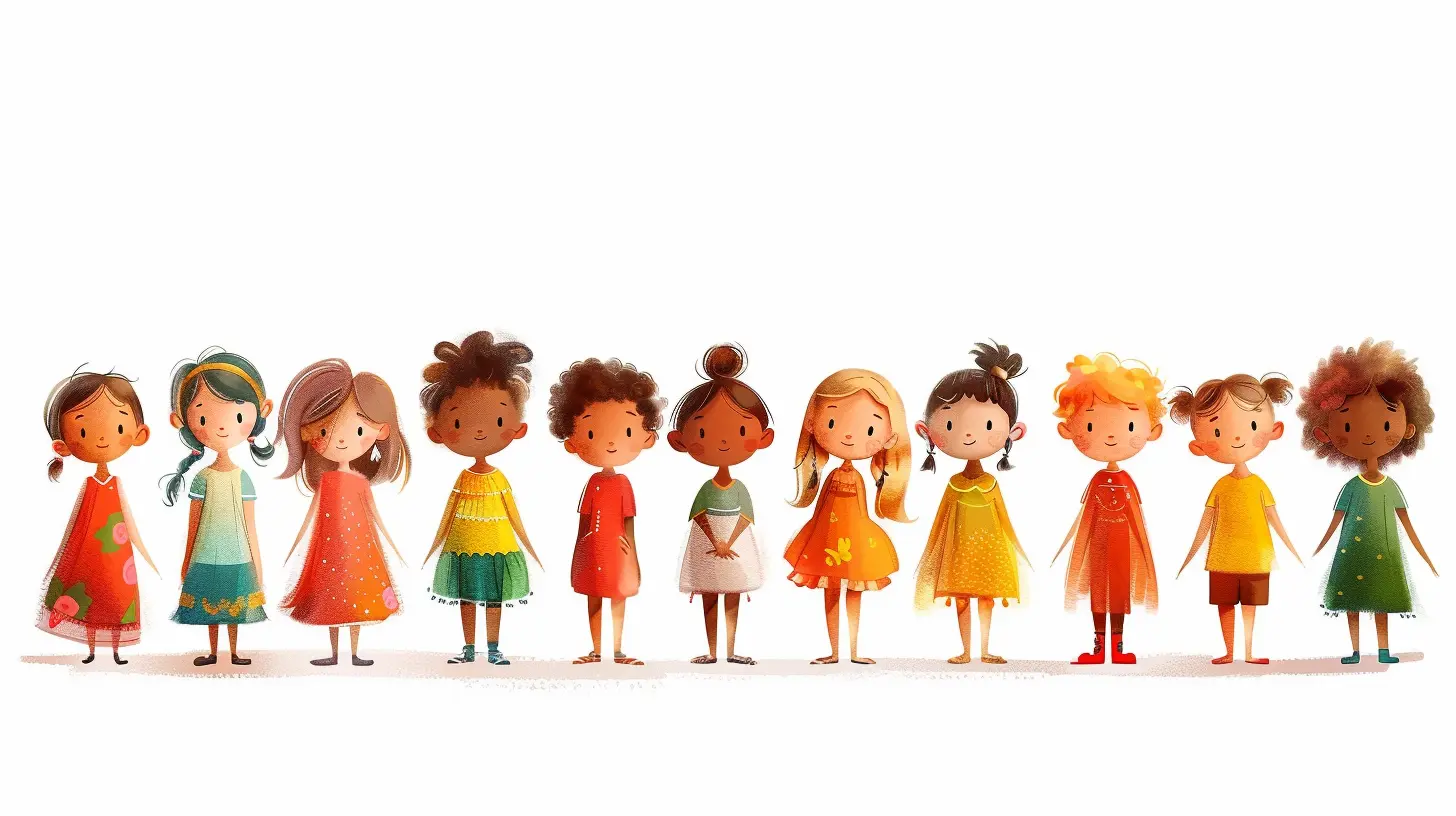
Why Cultural Awareness Matters (Even for Toddlers)
You might be wondering—can a toddler really grasp cultural differences? The answer is yes, in their own way. Kids are like little sponges. They're constantly absorbing language, behavior, and social cues. So if they’re exposed to respectful communication and diverse cultures early on, that becomes their normal.Think of it like planting tiny seeds that bloom into empathy, kindness, and open-hearted conversations. It doesn't take a lecture on world history—it starts with everyday moments.
The Foundation: Teaching Respectful Communication
Before we even dig into culture, let’s get the base right—respectful communication.Talk With Them, Not At Them
Kids model what they see. If we're always barking commands or interrupting them, that's exactly what they’ll mimic. Try active listening: look them in the eye, nod, respond thoughtfully. It teaches them that every voice matters—especially when it's different from their own.Use Kind Words (And Explain Why)
Saying "please" and "thank you" is a start, but go deeper. Teach them to say things like, “I don’t understand, can you explain?” instead of “That’s weird.” It’s a huge shift from judgment to curiosity.
Start at Home: Embracing Diversity in Daily Life
You don’t need to hop on a plane to introduce your kids to the world. Culture is everywhere! And the best part? Teaching kids about global diversity can be fun and full of adventure.1. Read Books Featuring Diverse Characters
Books are windows into other worlds. Choose stories with characters from different races, traditions, religions, and abilities.- Try picture books featuring children celebrating holidays like Diwali, Ramadan, or Chinese New Year.
- Look for stories where kids look, dress, or speak differently.
Reading together opens the door to important conversations like, “Why do some people wear headscarves?” or “What does it mean to be bilingual?”
2. Celebrate Cultural Holidays
You don’t have to go overboard—but learning about and celebrating holidays like Kwanzaa, Lunar New Year, or Eid can be eye-opening. Cook a special recipe, try a craft, or watch a video about the traditions. Make it a family event.3. Diversify Your Dinner Table
Food is a gateway to culture—and it’s delicious too! Try a new cuisine once a week and talk about where it comes from. Sushi, tacos, falafel, curry. Each dish has a story behind it.You can say, “Tonight we’re having Thai food—people in Thailand eat lots of rice and noodles like this. Let’s find it on the map!”
Talking About Differences (Without Making It “Weird”)
Let’s be real: kids notice differences. They’ll ask out loud why someone has darker skin or speaks differently—and that’s okay! The trick is not to shush their curiosity but to shape their response.Normalize Differences
Respond with calm and honesty: “People come in all skin colors, just like we have different hair and eye colors!” Keep it simple and judgment-free.Correct, Don’t Punish
If your child says something unintentionally offensive, it’s a teaching moment, not a time for shame. Say, “I know you didn’t mean to hurt anyone. Let’s think of a kinder way to say that.”Remember, it’s not about being “color-blind.” It’s about being color-aware and appreciating those differences.
The Power of Asking Questions
One of the best habits we can teach our kids is to ask respectful, thoughtful questions when they don’t understand something.Instead of saying, “That’s strange,” guide them to say:
- “I’ve never seen that before, can you tell me about it?”
- “What language are you speaking? It sounds really interesting.”
Questions open doors; assumptions slam them shut.
Teaching Empathy Through Storytelling
Kids love stories—the more imaginative, the better. So why not use storytelling to spark empathy? Share real-life tales of children around the world: what they wear, how they go to school, who they live with.Empathy starts when kids realize someone else’s experience is just as real—and valuable—as their own. Use phrases like, “How do you think that child felt?” or “What would you do if you were in their shoes?”
It’s like walking a mile in someone else’s sneakers, even if they’re on the other side of the globe.
Role-Playing Respect
Here’s a parenting hack—turn cultural education into a game.Create mini scenarios:
- What would you say if a new student didn’t speak English well?
- How would you feel if someone laughed at your lunch?
Let your child act it out. Let them be the helper, the outsider, the curious friend. It builds emotional intelligence like nothing else.
Digital World, Global Playground
Our kids are growing up online. That means their “neighborhood” now includes kids from five continents. Social media, online games, and virtual classrooms bring cultures together—instantly.Teach digital kindness and responsibility:
- Use respectful language in chats.
- Don’t make fun of accents or expressions.
- Be mindful of jokes and emojis—they might not translate well.
Help them understand that even behind a screen, there’s a real person with feelings and a story.
Encouraging Inclusion in Real Life
Let’s not forget the real world. Schools, playgrounds, and sports teams are perfect places for kids to practice what they’ve learned.Encourage Diverse Friendships
Ask your child, “Who did you sit with at lunch today?” “What’s your new friend’s background?” Help them appreciate variety instead of sticking to a comfort zone.Support Inclusive Environments
Attend multicultural school events. Volunteer at community festivals. Expose your child to spaces where diversity isn’t just accepted—it’s celebrated.Handling Tough Questions (Gracefully)
Sometimes your child might ask something tough, like, “Why doesn’t that girl have a mom?” or “Why does he wear that thing on his head?” Don’t panic.Use these questions as doorways to deeper understanding. Explain honestly, using words they can grasp.
Try: “Some people wear turbans or hijabs as part of their religion. It’s something they’re proud of.” Or, “Families look different—some have two moms, some have grandparents raising kids, and they all belong.”
What If We Don’t Know Everything?
Newsflash—it’s okay not to have all the answers. In fact, acknowledging that is a great lesson for our kids. Say, “Hmm, I’m not sure. Let’s look it up together.” That models humility and curiosity.You’re not just teaching your child—you’re learning side by side. It’s a team journey.
Keep the Conversation Going
Teaching kids to respect cultural differences isn’t a one-time “talk.” It’s an ongoing conversation, a way of living. Keep noticing, celebrating, asking questions. Keep being curious.And most importantly, keep showing love. Because when kids feel secure at home, they’re confident enough to embrace the world outside.
Final Thoughts
Raising culturally aware and respectful kids might seem like a big task—but really, it all comes down to small, consistent habits. It’s about creating a home where curiosity is welcome, feelings are respected, and differences are celebrated.Think of your child as a future world traveler—even if they never leave your town. They’ll meet people from all over, whether it’s at school, online, or someday at work. When they’re equipped to treat others with kindness and respect, no matter their background, they’ll be unstoppable.
So start today. Read the book. Ask the question. Share your own stories. Show them the world through loving eyes.
Because when we teach our kids to embrace cultural differences, we’re not just raising good children—we’re raising good humans.
all images in this post were generated using AI tools
Category:
Communication With KidsAuthor:
Kelly Snow
Discussion
rate this article
2 comments
Caleb Palmer
Love this! Teaching kids respect enriches their lives greatly!
March 11, 2026 at 3:15 PM
Kelly Snow
Thank you! I completely agree—teaching respect is essential for fostering understanding and appreciation of cultural differences.
Greta McCord
Embracing cultural differences enriches our children’s lives, teaching them the power of respect and understanding. By fostering open communication and appreciation for diversity, we prepare them to thrive in a connected world. Let’s nurture kindness and curiosity together!
March 11, 2026 at 3:41 AM
Kelly Snow
Thank you for your insightful comment! I completely agree that embracing cultural differences is vital for nurturing respectful communication and promoting a more connected, understanding world for our children.