Empowering Girls Through Positive Role Models
10 August 2026
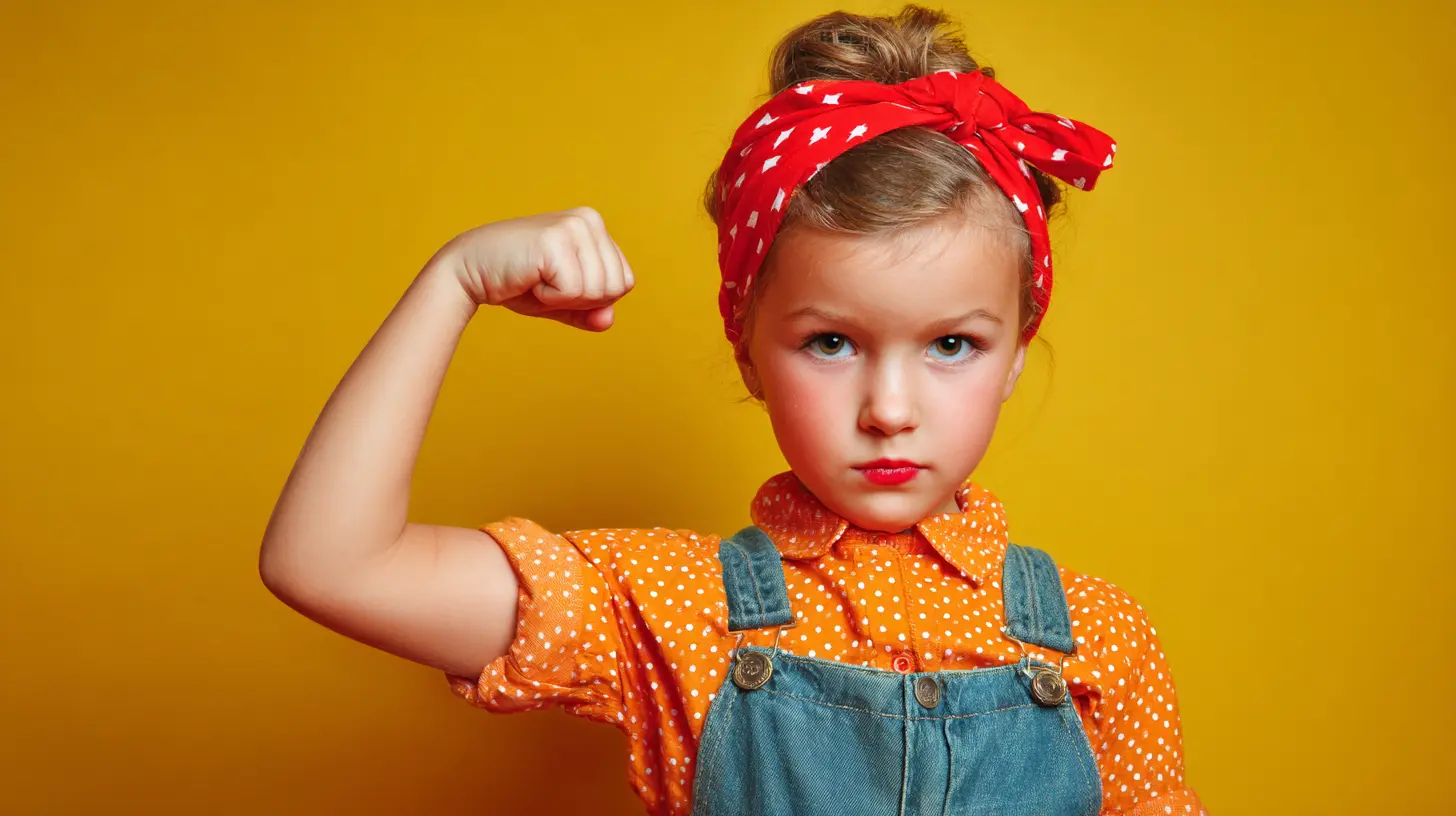
Every girl grows up surrounded by messages about who she should be. Some of those messages come from family, some from friends, and a great many from media, school, and the broader culture. The challenge is that too many of those messages still tell girls that their value rests mostly in how they look, how agreeable they are, or how well they fit into narrow expectations. Positive role models cut through that noise. They show girls a wider range of possibilities and give them permission to pursue their own paths with confidence. But not all role models are created equal, and the way we present them matters just as much as who we choose to highlight.
Why Role Models Matter More Than Advice
Telling a girl she can be anything she wants is cheap. It costs nothing and often sounds hollow, especially when her daily reality shows her something different. Role models do what advice cannot. They demonstrate that a particular path is actually walkable. When a girl sees a woman who looks like her, comes from a similar background, or faced similar struggles and still succeeded, something shifts internally. The abstract becomes concrete. The impossible becomes merely difficult.This is not about inspiration alone. It is about cognitive mapping. A girl needs to see the steps, the setbacks, and the detours. She needs to understand that success is rarely a straight line. A role model who openly talks about failing a class, getting rejected from a program, or struggling with self-doubt is far more useful than one who presents a flawless highlight reel. The polished version creates admiration but not identification. The messy version creates connection and, more importantly, a blueprint.
Consider a teenage girl who loves coding but has never met a female software engineer. She might keep coding as a hobby but never consider it a career. Then she watches a documentary about a woman who built a successful tech startup after switching careers at thirty. That single story can reroute her entire trajectory. It is not because the documentary gave her new information about coding. It is because it gave her a new picture of who can be a coder.
The Difference Between Famous and Relevant Role Models
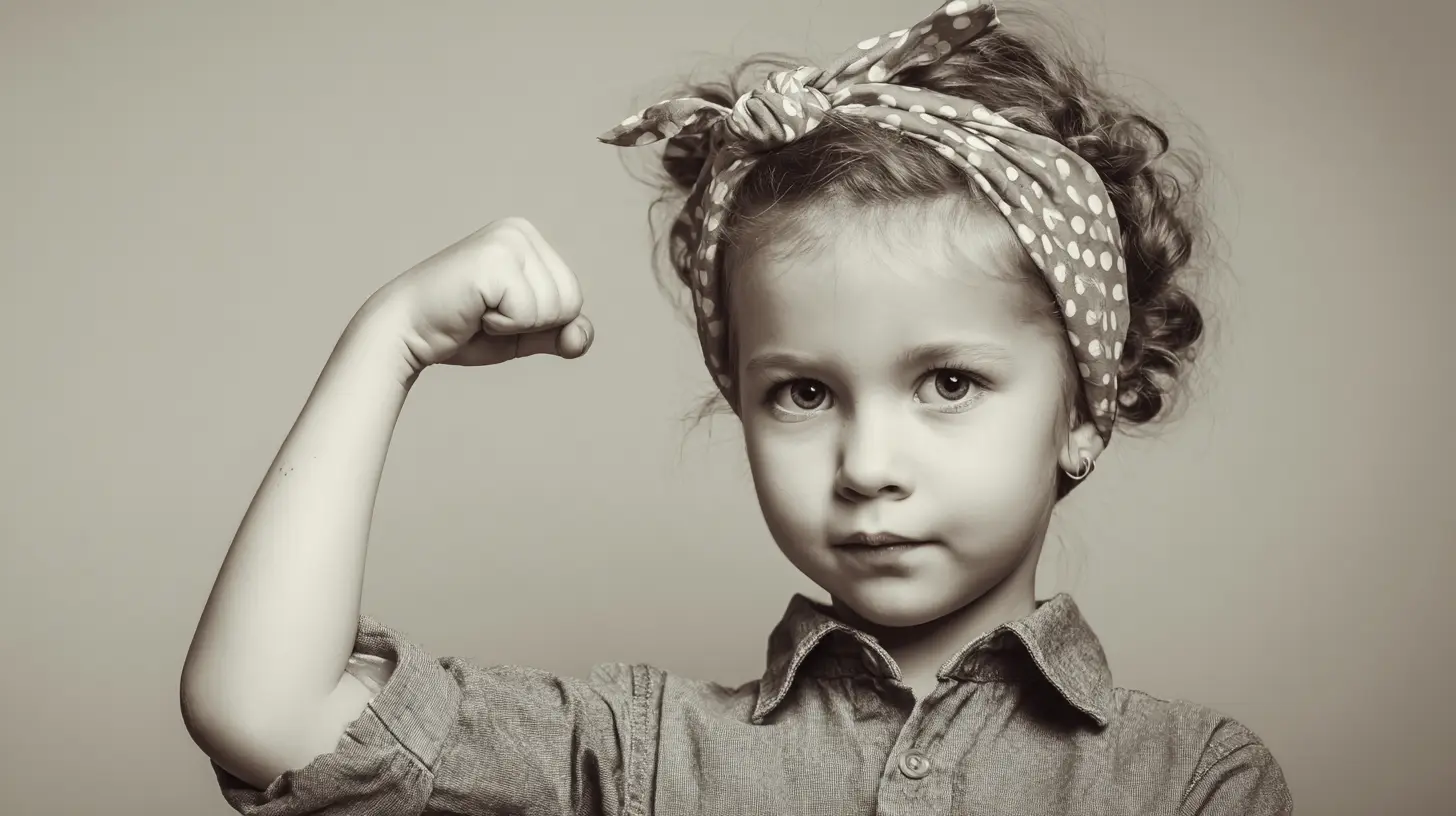
There is a common misconception that role models need to be famous. We tend to think of astronauts, CEOs, Olympic athletes, and Nobel laureates. These figures are valuable, but they are also distant. A twelve-year-old girl in a small town cannot easily imagine herself as a Nobel Prize winner. The gap between her life and that achievement is too wide. She needs closer targets.Relevant role models are people whose lives are within reach. They include:
- A female teacher who runs a robotics club after school
- An aunt who is a nurse practitioner and also raises two kids alone
- A neighbor who owns a plumbing business
- A cousin who is the first in the family to graduate from college
- A high school senior who leads the debate team
These everyday role models do something that celebrities cannot. They show that you do not need extraordinary talent, luck, or connections to build a meaningful life. They demonstrate that ordinary people make choices, work hard, and handle setbacks. That is a far more realistic and empowering message for most girls.
Famous role models are not useless. They can be powerful symbols and sources of aspiration. But they should be part of a larger ecosystem, not the whole ecosystem. If a girl only ever hears about exceptional women, she may conclude that exceptional achievement is the only form of success. That is a dangerous and discouraging message. Most girls will not become astronauts. They need to know that they can still be proud, capable, and successful in ways that fit their own values and circumstances.

What Makes a Role Model Positive
Not every successful woman is a positive role model. Success alone is not enough. A woman can be brilliant, wealthy, and famous while also being cruel, dishonest, or deeply unhappy. The label of role model carries a moral and practical weight. We need to be careful about who we hold up as examples.A positive role model for girls typically has several key traits:
- She is authentic about her struggles and does not pretend that everything came easily
- She treats other people with respect, including those who have less power than she does
- She takes responsibility for her choices instead of blaming others
- She demonstrates resilience without romanticizing suffering
- She is willing to help others along the way rather than hoarding opportunities
- She lives according to values that go beyond personal gain
Notice what is not on that list. She does not need to be perfect. She does not need to have a flawless career. She does not need to be universally liked. In fact, a role model who is too polished can be counterproductive. Girls need to see that strong women are not always agreeable, that they sometimes make unpopular decisions, and that they can still be good people while doing so.
There is also a generational component. A positive role model for a ten-year-old may not resonate with a sixteen-year-old. Younger girls often respond to warmth, creativity, and playfulness. Older girls are more attuned to independence, social issues, and complex moral questions. The best approach is to expose girls to a range of role models across different ages, fields, and personality types. This gives them the raw material to pick what fits their current stage of development.

The Hidden Danger of the Superwoman Stereotype
One of the most subtle and damaging patterns in how we present female role models is the superwoman narrative. This is the story that says a woman can have it all, do it all, and make it look effortless. She is a CEO, a marathon runner, a gourmet cook, a devoted mother, and a community volunteer. She wakes up at five in the morning, meditates, and never misses a school play.This narrative is not empowering. It is exhausting and deeply unrealistic. When girls internalize this standard, they set themselves up for chronic feelings of failure. No one can do everything well all the time. The superwoman myth also implies that if a girl does not achieve this impossible balance, she is personally deficient.
A healthier approach is to celebrate role models who make trade-offs openly. A woman who says, "I chose to step back from my career for a few years to raise my kids, and that was the right choice for me," is providing a valuable service. So is the woman who says, "I never wanted children, and I built my life around my work, and I am happy." Both are legitimate. Both show that there is no single correct way to be a woman.
The key is to present role models as people who made choices, not as people who somehow avoided the need to choose. Every life involves trade-offs. The myth that some women escape this is a lie that harms girls by making them feel inadequate before they even begin.
How Parents Can Actively Use Role Models
Passive exposure to role models is not enough. If you simply hope your daughter will stumble across good examples, she will likely absorb whatever the algorithm feeds her. Parents and caregivers need to be intentional. This does not mean lecturing or forcing biographies on her. It means creating conditions where positive influences are more likely to take root.Start With Your Own Behavior
The most powerful role model in a girl's life is usually a parent or primary caregiver. This is uncomfortable to hear because it means we have to look at ourselves honestly. A father who tells his daughter she can be anything but then makes sexist jokes at the dinner table is sending a mixed message. A mother who complains about her weight constantly while telling her daughter to love her body is doing the same.Girls are sharp observers. They notice what you do far more than what you say. If you want her to be confident, show confidence in your own decisions. If you want her to be kind, be kind to yourself and others. If you want her to pursue her interests boldly, let her see you pursue yours, even when it is inconvenient.
This is not about being perfect either. It is about being honest. When you make a mistake, say so. When you are struggling, let her see you struggle and then see you cope. That is a far better lesson than pretending you never have problems.
Curate Media and Books Deliberately
The media landscape is vast, and much of it is not designed to empower girls. That does not mean you should ban everything. It means you should be a thoughtful curator. Look for books, shows, and movies that feature female characters with depth. Characters who have goals beyond romance. Characters who are smart, funny, brave, and flawed. Characters who solve problems and make a difference.Ask questions about what she watches. "What do you think of how that character handled that situation?" "Do you think she made a good choice?" "What would you have done differently?" These conversations turn passive consumption into active learning. They also help your daughter develop critical thinking skills that will serve her well beyond the topic of role models.
Introduce Real People She Can Meet
Whenever possible, arrange for your daughter to meet women in fields that interest her. This could be as simple as asking a friend who is an engineer to talk to her about her work. Or visiting a local business owned by a woman. Or attending a public talk by a female scientist. These interactions do not need to be formal or lengthy. Even a short conversation can plant a seed.The advantage of real encounters is that they allow for questions and authenticity. Your daughter can ask things like, "What was the hardest part?" and get a genuine answer. She can see that the woman is a normal person, not a myth. This demystifies success and makes it feel attainable.
Address Negative Role Models Directly
Not all role models are positive. Your daughter will likely look up to influencers, celebrities, or peers who do not model healthy behavior. Instead of simply criticizing these figures, engage with them. Ask your daughter what she admires about a particular person. Then ask her what she thinks about that person's behavior in a specific situation. This helps her distinguish between traits worth emulating and those that are problematic.For example, a teenage girl might admire a social media star for her fashion sense and confidence. The same star might also promote extreme dieting or toxic relationship dynamics. You can acknowledge the positive aspects while questioning the harmful ones. This approach is far more effective than blanket condemnation, which often pushes girls to defend their idols.
The Role of Fathers and Male Caregivers
Much of the conversation about empowering girls focuses on mothers and female mentors. Fathers and male caregivers play an equally important role, though in different ways. A father who respects his daughter's opinions, encourages her independence, and treats her mother or other women with respect is modeling what healthy male-female dynamics look like.This matters because girls learn about how they should be treated by watching how the men in their lives behave. A girl whose father listens to her, takes her interests seriously, and does not dismiss her emotions is less likely to accept poor treatment from romantic partners later. She also learns that she does not need male approval to feel valid.
Fathers can also actively introduce their daughters to female role models. A father who takes his daughter to see a female keynote speaker, or who reads books about women in history with her, is sending a powerful message. He is saying, "I believe in your potential and I want you to see what women can achieve."
Common Mistakes Parents Make
Even with good intentions, parents often make errors in how they handle role models. Here are some of the most common ones and how to avoid them.Overemphasizing Appearance
When we talk about successful women, we often mention how they look. "She is brilliant and also so beautiful." This seems like a compliment, but it sends a harmful message. It suggests that a woman's appearance is always part of her value, even when her achievements have nothing to do with it. When discussing role models, stick to their actions, ideas, and character. If you would not mention a man's looks in the same context, do not mention a woman's.Comparing Your Daughter to Others
Nothing kills confidence faster than comparison. When you say, "Why can't you be more like your cousin who gets straight As?" you are not motivating her. You are telling her she is not good enough as she is. Role models should be sources of inspiration, not weapons of criticism. The point is to show what is possible, not to shame her for not already being there.Ignoring Her Individual Interests
You might think your daughter should admire a female pilot because you think aviation is a great field. But if she is not interested in flying, this role model will not resonate. Pay attention to what she actually cares about. If she loves drawing, find female illustrators. If she loves animals, find female veterinarians or wildlife biologists. The role model must connect to her genuine interests to have impact.Expecting Role Models to Do the Parenting Work
Introducing a role model is not a substitute for ongoing support. A girl who watches a documentary about a strong woman but then comes home to a household where her opinions are dismissed will not be empowered. Role models are supplements, not replacements. The daily environment matters far more than any single inspirational story.
The Trade-Offs of Different Approaches
There is no single best way to empower girls through role models. Different approaches have different strengths and weaknesses.The celebrity approach offers broad visibility and cultural relevance. It can spark interest in fields a girl had not considered. But it can also feel distant and unattainable. The everyday approach offers realism and accessibility but may lack the excitement that captures a girl's imagination. The historical approach provides perspective and shows long-term progress but can feel dry if not presented well. The contemporary approach is relatable but may lack the weight of proven legacy.
The best strategy is to use a mix. Let your daughter see women in history who changed the world. Let her see women today who are doing interesting work. And let her see women in her own life who are quietly building meaningful lives. Each type of role model serves a different purpose. Together, they provide a complete picture of what is possible.
When Role Models Can Do More Harm Than Good
It is uncomfortable but necessary to acknowledge that role models can sometimes backfire. This typically happens when the role model is presented as proof that systemic barriers do not exist. For example, a girl might be told, "Look at this female CEO. She made it. So if you do not make it, it is your own fault." This is a toxic misuse of a role model.Role models should not be used to deny the existence of sexism, racism, classism, or other structural obstacles. They should be used to show that obstacles can be overcome, not that they are imaginary. A girl needs to know that the world is not always fair. She needs strategies for navigating that unfairness. A role model who acknowledges the barriers she faced and explains how she dealt with them is far more useful than one who pretends barriers do not exist.
There is also the issue of role model fatigue. If a girl is constantly bombarded with stories of extraordinary women, she may start to feel that she is supposed to be extraordinary too. This can create pressure rather than freedom. The goal should be to help her become her best self, not to turn her into a version of someone else.
Practical Strategies for Long-Term Impact
Building the influence of positive role models takes time and consistency. Here are some strategies that work over the long term.Create a family habit of discussing women's achievements. This can be as simple as sharing a story at dinner about a woman in the news who did something impressive. It normalizes the idea that women are achievers.
Encourage her to write about or draw the women she admires. This deepens her connection and helps her articulate what she values. It also gives you insight into her thinking.
Support her participation in activities where she can be around strong female peers and mentors. Sports teams, scouting, debate clubs, coding camps, and art programs often provide these opportunities.
Help her develop a critical lens for media. Teach her to ask who created a message, what the message is trying to sell, and whether it reflects reality. This skill will protect her from harmful influences throughout her life.
Celebrate her own achievements, no matter how small. The most important role model in her life should eventually be herself. She needs to see herself as someone capable of setting goals and reaching them. That self-perception is the foundation on which all other role models build.
The Long View
Empowering girls through positive role models is not a one-time conversation or a single book assignment. It is an ongoing process that evolves as she grows. The role models she needs at six are different from the ones she needs at sixteen. The way you talk about them must change too. At six, she needs simple stories about brave women. At sixteen, she needs nuanced discussions about trade-offs, setbacks, and complex moral choices.The ultimate goal is not to fill her head with names and achievements. It is to give her a deep and lasting sense of her own capability. Role models are tools to that end. They are scaffolding that helps her build her own identity. Eventually, she should be able to stand without that scaffolding, confident in her own judgment and resilient in the face of challenges.
When that happens, she will become a role model herself, for her own children, her younger relatives, or the girls in her community. That is the true measure of success. Not that she became famous or rich or powerful, but that she lives with integrity and passes on the belief that girls can be anything they choose to be. That is a legacy worth building.
all images in this post were generated using AI tools
Category:
Raising Girl EmpoweredAuthor:

Kelly Snow