Encouraging Better Behavior Through Consistent Routines
2 August 2026
Let’s face it—parenting doesn’t come with a manual! And when it comes to managing our kids' behavior, it can sometimes feel like we’re juggling spaghetti—messy and unpredictable. But what if I told you that one of the most powerful tools for encouraging better behavior isn’t a fancy gadget, a reward chart, or a new discipline strategy? Nope—it’s something as simple as a routine. Yep, that’s right! A consistent daily routine does wonders for shaping how kids behave and feel.
In this article, we’re going to break down why routines are magical (seriously, they are), how you can build them with your kids, and the incredible behavior benefits you’ll see when you stick with them.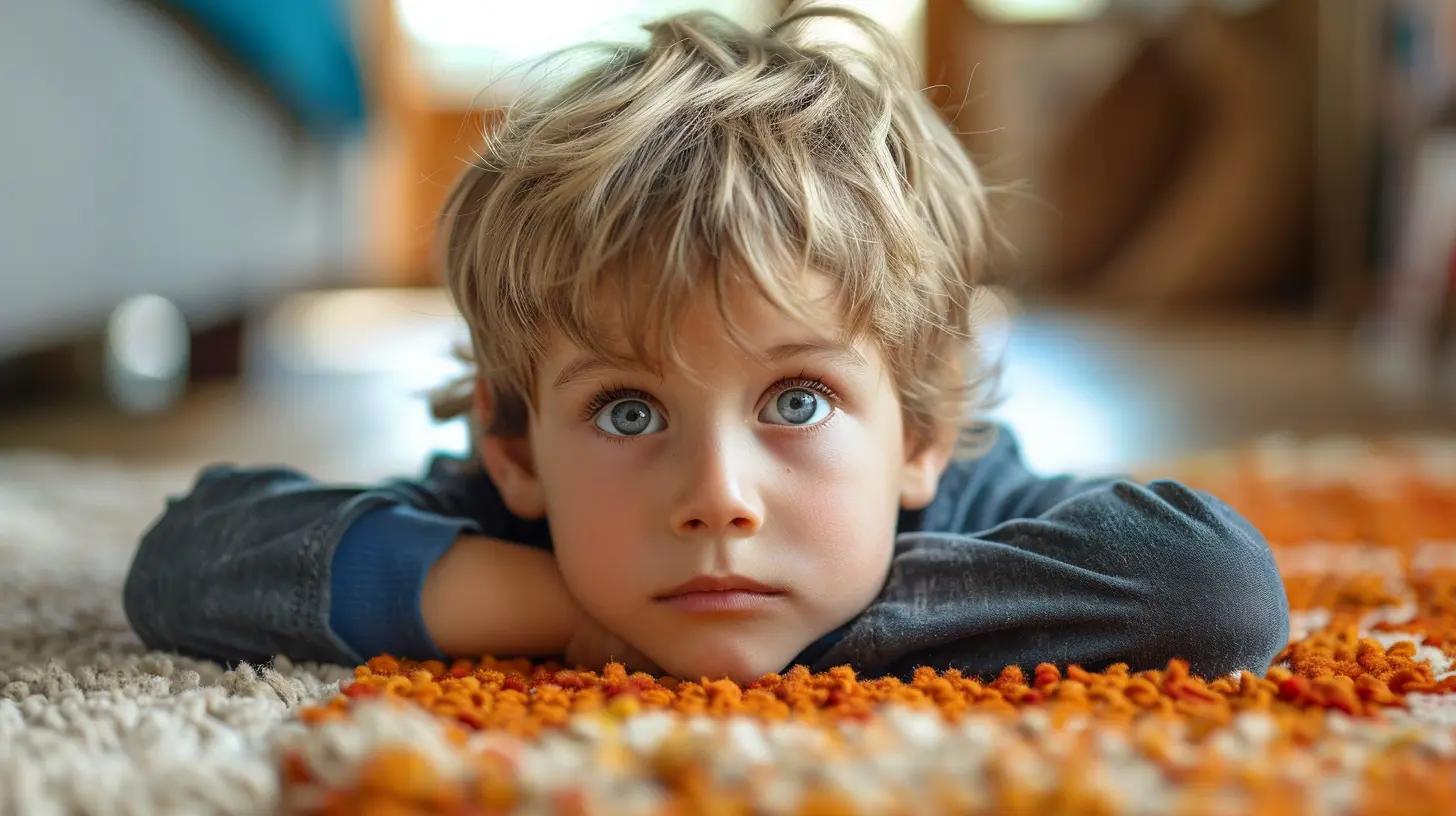
Why Kids Thrive on Routine (Even If They Say They Don’t)
Have you ever noticed how kids ask a dozen questions about "what’s next?" They crave structure, even if they act like they don’t. Routines are like a safety net, giving kids a sense of predictability in a world that can often feel big and chaotic.Think of routines as the cozy sweater of a child's day—warm, familiar, and comforting. Without them, every day can feel like the wild west. But with consistent routines, kids know what's expected and when, which creates a strong foundation for better behavior.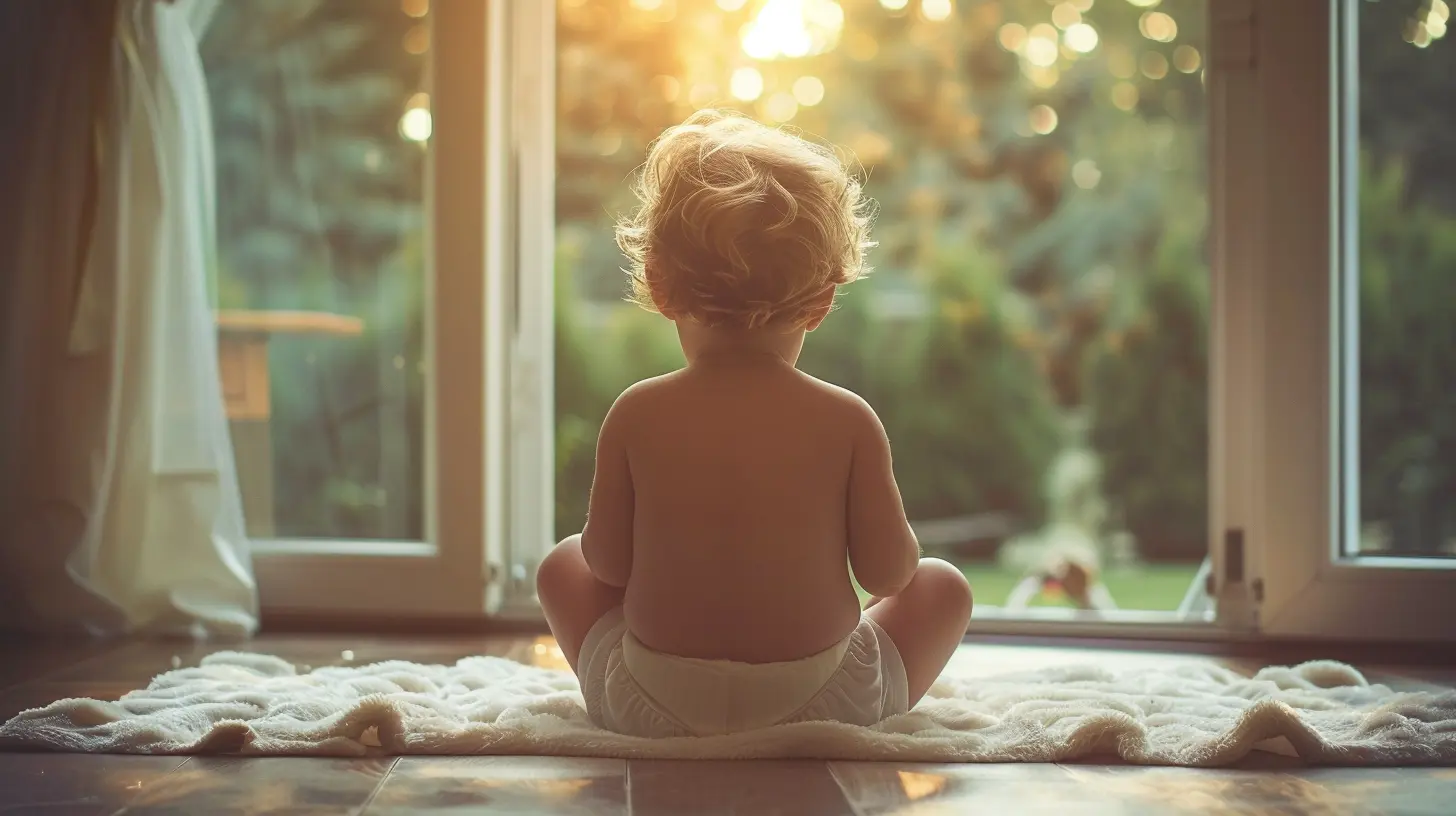
How Routines Boost Better Behavior
Let’s talk about how sticking to a routine can shape behavior—in the best ways!1. Reduces Anxiety and Meltdowns
Kids don’t always have the words to explain when they’re overwhelmed. Changes, surprises, and too many decisions can send them spiraling. But when they know what’s coming next, it lowers their stress levels. Less stress = fewer meltdowns.2. Builds Independence
Believe it or not, routines actually help kids become more independent. When they know what to do next—like brush teeth after dinner or pack their bag before bed—they start doing those tasks without being told (or nagged... score!).3. Sets Clear Expectations
Routines eliminate the guesswork. When kids understand what’s expected, they’re more likely to behave appropriately. The same way adults follow social norms, routines help kids learn their own daily “code of conduct.”4. Encourages Responsibility
With routines comes accountability. A child who's asked to help set the table every evening becomes someone who knows they’re contributing. They feel important. And when kids feel important, they're more likely to behave in a positive way.
Building a Routine That Actually Works (Without Losing Your Mind)
Okay, so routines sound great—but how do we make them stick without feeling like a drill sergeant? It’s all about keeping it simple, flexible, and consistent.1. Start With One Part of the Day
Don’t overhaul the entire day all at once. That’s a surefire way to burn out. Instead, focus on one tricky time—maybe mornings or bedtime—and build a routine around that.Let’s say bedtime is a circus. You can simplify it into a predictable flow like:
- Bath time
- Pajamas
- Brush teeth
- Read a story
- Lights out
Do it the same way every night, and soon your child will follow along like clockwork (with fewer bedtime battles too!).
2. Create Visual Aids
Young kids especially benefit from visual routines. You can make a fun chart or use pictures to show what happens next. Not only is it helpful, but it turns routine-building into a craft project you can do together!3. Make It Enjoyable
Routines don’t have to be rigid or boring. Add fun! Sing a silly song while getting dressed or turn tooth brushing into a game. When routines are fun, kids look forward to them—and that's half the behavioral battle.4. Praise and Encourage
Notice the little wins. “Hey, I saw you got dressed without me reminding you—nice work!” Positive reinforcement encourages repeat behavior. Who doesn’t love a little high-five after a job well done?
Sample Daily Routine for Kids (And Why It Works)
Curious about what a basic routine might look like? Here's a simple structure you can tweak to fit your child’s age and needs:Morning:
- Wake up- Brush teeth and wash face
- Get dressed
- Eat breakfast
- Pack up for school
Afternoon:
- Snack time- Homework or quiet activity
- Free play
- Dinner prep help (if age-appropriate)
Evening:
- Dinner- Family time (maybe a game or show together)
- Bath/shower
- Pajamas and teeth brushing
- Story time or calm activity
- Bedtime
Why does this work? Because every task comes in a predictable flow. As time passes, the transitions become smoother—and so does the behavior.
Handling Routine Roadblocks Without Losing Your Cool
Let’s be real: sometimes routines fall apart. Someone gets sick, there’s a family event, or everyone wakes up late. Life happens. The trick is to keep coming back to the rhythm, even if it skips a beat.Here’s how to handle those hiccups:
1. Stay Flexible
You don’t need to follow every step to the minute. Life isn’t a military drill; it’s more like a dance. If you miss a step, just slide back into the beat when you can.2. Give Gentle Reminders
It’s okay to remind kids of the next step without nagging. Use humor or a fun voice if needed. “Uh-oh! Did someone forget their backpack again? Backpack patrol to the rescue!”3. Use Transitions Smoothly
Moving from one activity to another can be tough for kids. Give countdowns or visual timers. A simple “Five more minutes, then we clean up,” helps prep their little brains for what's next.The Long-Term Payoff of Consistent Routines
Here’s where things get exciting. When you stick with routines over time, something incredible happens: your child starts internalizing good habits.They learn:
- Time management
- Responsibility
- Self-regulation
- Confidence in knowing what to expect
And you? You get a happier, more cooperative child. Days run smoother. Tantrums lessen. You feel more in control (even when everything else is chaos).
Real Talk: Routines Help Parents Too
Let’s not forget us in this equation. Routines aren’t just for kids—they’re sanity-savers for parents, too. When everyone knows the daily plan, there’s less yelling, fewer arguments, and more time for connection.You won’t need to repeat instructions 47 times. You’ll have more moments to enjoy your coffee while it’s still hot. And who doesn’t want that?
Tips to Keep Routines Fresh and Flexible
Here’s the thing—routines don’t have to stay the same forever. As your child grows, their needs change. That’s normal! Just make small adjustments as you go, and keep the rhythm consistent.A few pro tips:
- Revisit your routine every few months
- Talk to your child about changes so they feel involved
- Swap in new activities to keep things exciting
Making Routines a Family Affair
When the whole family is involved, routines really stick. Try holding a “family meeting” to talk about routines and get everyone’s input. You’d be surprised how much ownership kids take when they feel heard.Even giving them simple choices like “Do you want to brush teeth before or after pajamas?” can make them feel empowered and more willing to follow along.
Wrapping It All Up
Encouraging better behavior through consistent routines really is one of the simplest, most effective parenting tools out there. It doesn’t cost a thing, doesn’t require perfection, and can totally transform your home.Start small. Stay consistent. Be patient. And remember, it’s okay to laugh along the way—even when things don’t go quite as planned. Parenting is a journey, not a sprint, and routines are the sturdy shoes that help us (and our kids) walk it with a little more balance.
So go ahead—build your routine, stick with it, and watch your child's behavior and confidence bloom like never before.
all images in this post were generated using AI tools
Category:
Parenting RoutinesAuthor:

Kelly Snow
Discussion
rate this article
1 comments
Shiloh Bell
This article highlights the importance of routines in shaping children's behavior. Consistency fosters security and understanding, making it easier for kids to thrive. Great insights for parents looking to create a positive environment.
August 2, 2026 at 4:53 AM