Encouraging Kids to Share Without Fear of Judgment
19 June 2026
Let’s be honest—being a kid is not always easy. There’s so much going on in those little minds. From playground politics to school stress and everything in between, life can feel like a whirlwind. Now, imagine carrying all of that without feeling like you have a safe space to talk. Not ideal, right?
That’s why encouraging kids to share without fear of judgment should be at the heart of every parent’s mission. It’s not just about opening up—it’s about knowing they’ll be heard, respected, and loved, no matter what they say.
Let’s dive deep into how we can develop this culture of open communication at home, and help our kids grow into confident, emotionally intelligent humans.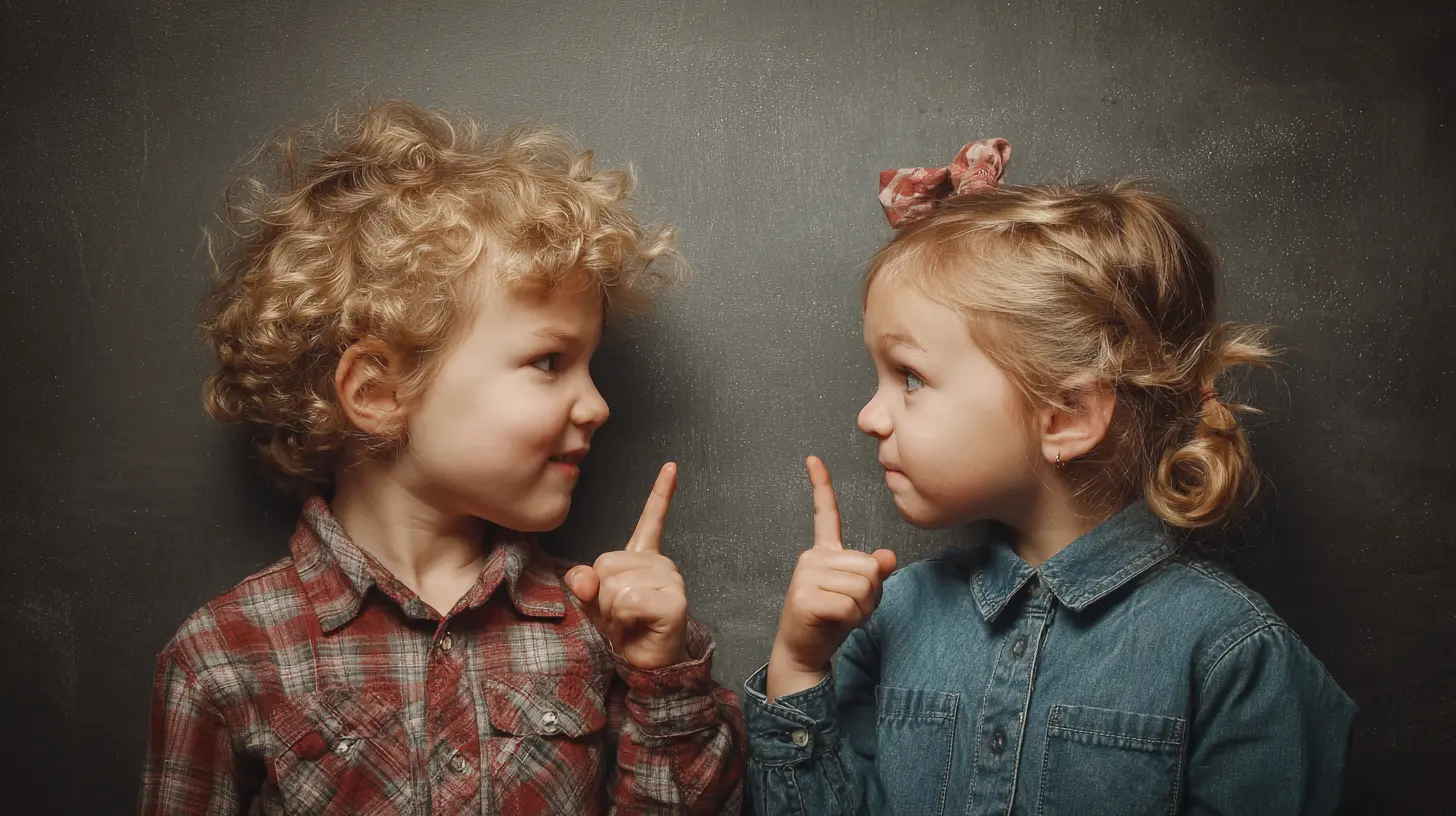
Why Do Kids Hold Back?
Before we jump into the how, let’s understand the why. Why do kids sometimes clam up instead of speaking their minds?1. Fear of Being Judged
Kids are smart. They can easily pick up on facial expressions, tones, or even offhand comments. A simple “Why would you do that?” can translate in their minds to “You messed up.”2. Fear of Consequences
They’re afraid their honest confessions will land them in trouble. If they broke something, didn’t do their homework, or had a fight with a friend, they might fear punishment more than they desire to be truthful.3. Embarrassment or Shame
A child might not want to talk about certain things because it’s embarrassing—or they think they’re the only one experiencing it. Whether it's a failed test, a crush, or bedwetting, shame can be a serious silencer.4. They Don’t Know How
Sometimes, kids just don’t have the words. Imagine being overwhelmed with emotion but not knowing how to form the sentences. They need help learning how to express what’s going on inside.
Creating a Judgment-Free Zone at Home
Now the good stuff—how to actually encourage your child to open up without feeling like they’re on trial.1. Be Their Safe Harbor
Kids need to know that no matter what storm they’re going through, they can always dock safely at home. You’re their anchor. That means if they mess up or feel scared, your reaction shouldn’t be to panic, yell, or shame them.Let them know, “Whatever it is, I’m here. We’ll figure it out together.”
2. Watch Your Reactions
Your body speaks louder than words. That eyebrow raise or sigh might seem minor to you, but to a child, it could scream disappointment.Try to keep your tone and expressions neutral, even if what they’re saying is surprising. It sends the message: “You’re safe here.”
3. Normalize Feelings
Ever catch yourself saying, “Don’t cry,” or “That’s not a big deal”? It’s easily done—and always with good intentions—but it can minimize their emotions.Instead, say things like:
- “It’s okay to feel sad about that.”
- “That must’ve been really hard.”
- “I’m here for you.”
It shows them that all emotions are valid—even the messy ones.
4. Use Open-Ended Questions
Skip the yes-or-no questions and try things like:- “How did that make you feel?”
- “What happened next?”
- “What do you wish had happened?”
These encourage deeper thinking and give your child more space to share.
5. Share Your Own Feelings
Being vulnerable yourself is probably one of the most powerful things you can do. Tell them when you’ve had a hard day. Admit to your own mistakes. It humanizes you and shows them that imperfection is okay.Think of it like emotional role modeling.
The Power of Listening (Really Listening)
Let’s talk listening. Not the kind where you nod while checking work emails—but full, active listening.What Does Active Listening Look Like?
- Put down the phone. Yep, even just for a few minutes.- Make eye contact. It shows they have your full attention.
- Reflect back. Saying things like “So you felt left out when they didn’t invite you?” helps them feel truly heard.
- Don’t rush to fix. Sometimes they’re not looking for solutions. They just need a listening ear.
When a child feels heard, it builds trust. And trust is the foundation of open communication.
Praise Their Honesty—Not Just the “Good” Stuff
It’s easy to celebrate when your child tells you they helped a friend or got a good grade. But what about when they confess they made a mistake?Praise their honesty. Thank them for being brave enough to tell the truth, even if the content is tough to hear.
This reinforces that your love isn’t conditional on perfection.
Don't Label or Compare
“You’re so dramatic.”“Why can’t you be more like your sister?”
“Stop being a baby.”
Yikes. These phrases can shut down communication fast. Labels stick, especially in young minds. Instead of criticism, opt for curiosity.
Try saying:
- “Tell me more about why you feel that way.”
- “That sounds frustrating. What happened next?”
Avoiding comparisons and labels creates space for individuality and authenticity.
Encourage Expression in Different Ways
Not every kid is a talker—and that’s okay! Some might express themselves better through writing, drawing, or even play.Some Ideas:
- Journaling: Let them write about their day or emotions privately.- Art: Drawing what they feel can be powerful.
- Role-play: Dolls, action figures, or puppets can help younger kids project their feelings safely.
The goal isn’t the method—it’s the expression.
Build the Habit Early
The earlier you encourage open dialogue, the more natural it becomes. Make it a part of everyday life, not just something that happens during “serious talks.”Try:
- Chatting during car rides.- Bedtime talks about “Highs and Lows” of the day.
- Asking “If you could change one thing about today, what would it be?”
These daily check-ins add up to a culture of communication.
Teach Resilience, Not Perfection
If kids believe they must always be perfect, they’ll hide mistakes and flaws. Instead, help them see bumps in the road as part of the journey.Let them know:
- Mistakes are how we learn.
- Everyone struggles sometimes.
- It’s brave to admit you need help.
When children understand that failure isn’t shameful, but normal, they’re more likely to open up.
When They Pull Away: Be Patient
Adolescents, especially, might go through a phase where they shut down. That’s normal. Don’t take it personally.Keep the lines open with:
- Gentle check-ins.
- Respect for their privacy.
- Non-verbal connection (a hug, a note, a favorite snack left out).
It’s not about forcing them to talk—it’s about showing them you’re always there.
Let Them Know They’re Enough
Ultimately, kids need to know they’re unconditionally loved. Not for their achievements, their behavior, or their ability to share—but just for being themselves.Say it often. Show it in your actions. Be their cheerleader, their safe space, and their biggest fan.
When kids feel seen and accepted exactly as they are, that’s when the walls come down and the real conversations begin.
Final Thoughts
Encouraging kids to share without fear of judgment isn’t about having perfect parenting strategies. It’s about showing up—consistently, lovingly, and openly.It means being okay with the messy moments, holding space for raw feelings, and choosing connection over correction.
If our kids grow up knowing they can always come to us—without fear, without shame, without hesitation—then we’ve already won half the parenting battle.
So, the next time your little one hesitates before speaking, take a breath, get down to their level, and say, “Whatever it is, I’m all ears.”
You never know what beautiful, brave truth they’re waiting to share.
all images in this post were generated using AI tools
Category:
Communication With KidsAuthor:

Kelly Snow
Discussion
rate this article
1 comments
Astoria McTiernan
Teaching kids to share builds confidence and empathy.
July 9, 2026 at 3:16 AM
Kelly Snow
Absolutely. Sharing helps kids understand and connect with others, laying the foundation for strong relationships.