Fun Cooking Activities to Teach Kids About Nutrition
29 May 2026
Let’s face it—talking about nutrition with kids can feel a little like convincing them broccoli is candy. Not easy, right? But what if I told you that teaching kids about healthy eating doesn't have to be a snooze fest or a power struggle?
One of the most effective (and fun!) ways to instill good eating habits is to get kids involved in the kitchen. That’s right—grab those aprons and let your little chefs take the lead! Cooking is hands-on, creative, messy, and incredibly educational. It’s the perfect combo to teach kids about nutrition in a way that actually sticks.
In this article, we’ll dive into fun cooking activities that not only make mealtime more exciting but also teach valuable lessons about nutrition.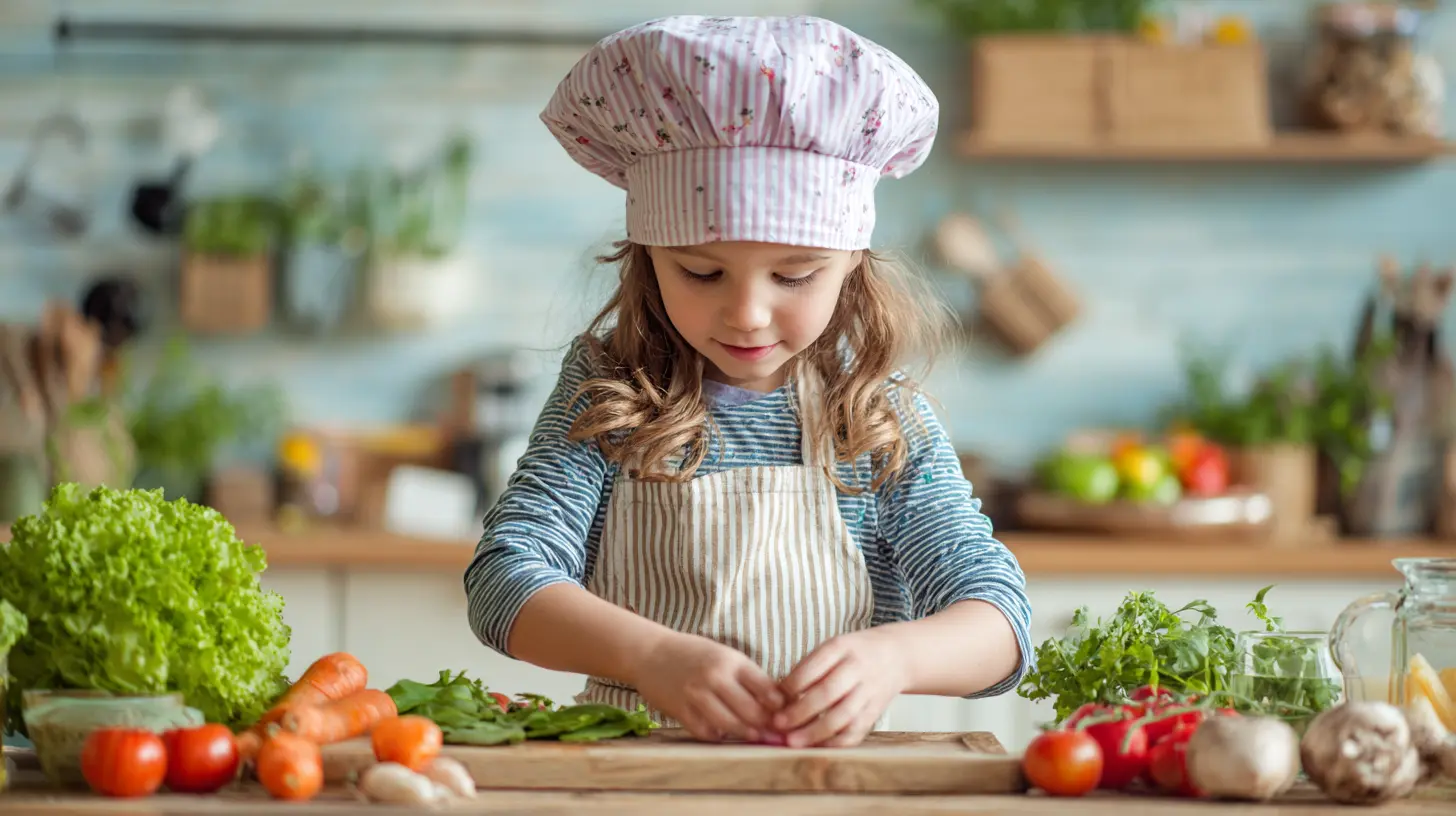
Why Cook With Kids?
Before we get into the fun stuff, you might be wondering—why should I let my kids cook when I can barely get dinner on the table as it is?Well, here’s the deal:
- Hands-on learning sticks better than a lecture.
- Kids are more likely to try new foods when they help make them.
- Cooking builds confidence and life skills early on.
- It’s a sneaky way to teach math, science, language, and culture all in one go.
Most importantly? You’re creating memories around healthy food—and that’s a gift that keeps on giving.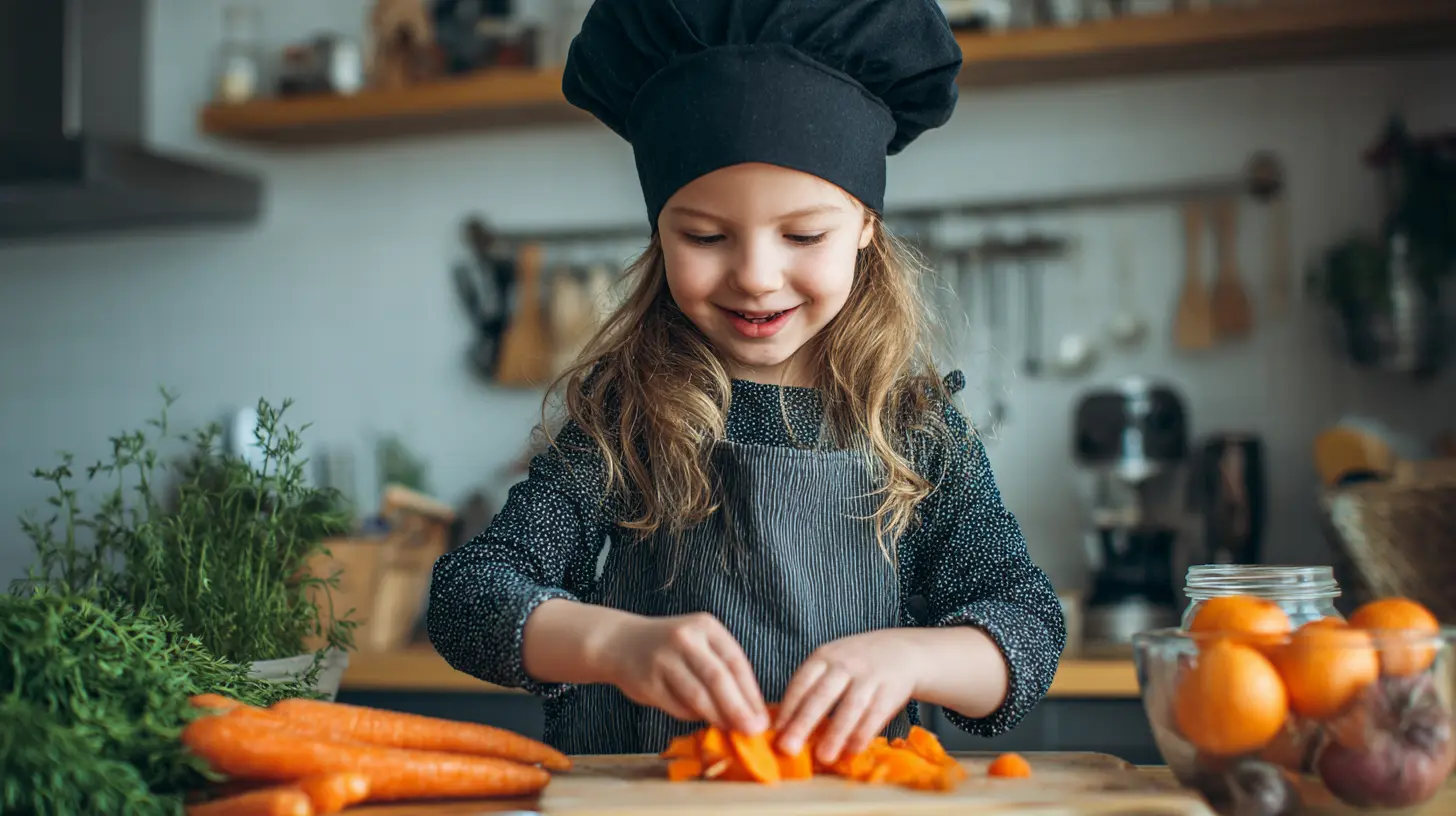
1. DIY Rainbow Veggie Wraps ?
This colorful activity turns the “eat your veggies” challenge into an art project.What You’ll Need:
- Whole grain tortillas or wraps- Hummus, guacamole, or Greek yogurt as a base
- An assortment of veggies (bell peppers, shredded carrots, spinach, cucumbers, beets, red cabbage)
Why It Works:
Kids get hands-on cutting (with kid-safe knives), picking colors, and arranging their wrap like a rainbow. The goal? Fill their tortilla with at least one veggie from each color of the rainbow.Nutrition Lesson:
Teach them that different colored veggies have different nutrients. Red for heart health. Orange for eyes. Green for bones. The more color on their plate, the better!Bonus Tip: Add a fruit rainbow platter for dessert to keep the theme going.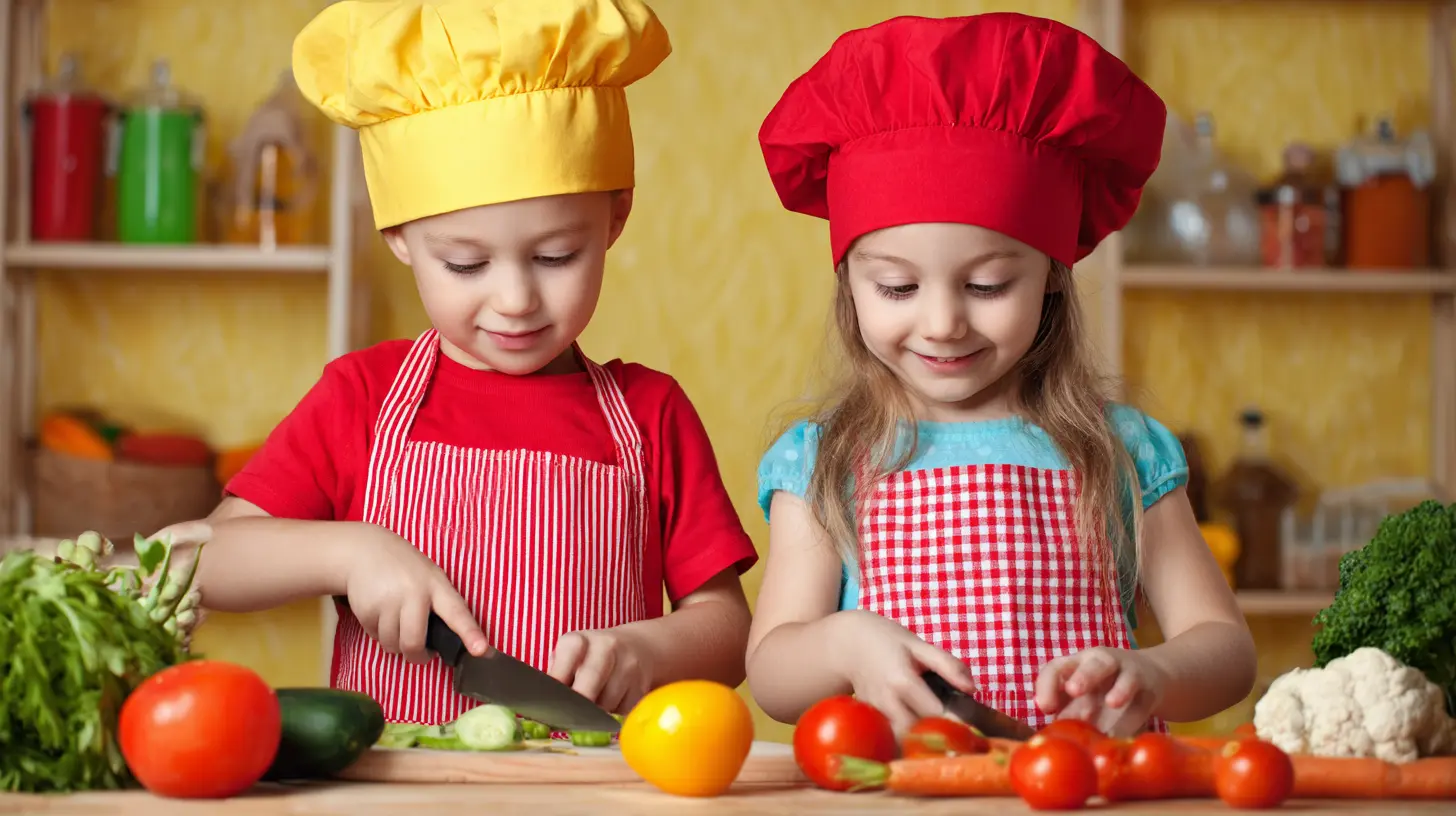
2. Build-Your-Own Smoothie Bar
Let the kiddos pretend they’re running their own smoothie café. This is a super fun weekend breakfast idea or after-school snack activity.What You’ll Need:
- Frozen fruit (bananas, berries, mango, pineapple)- Leafy greens (spinach, kale)
- Plain Greek yogurt or milk
- Optional boosts: Chia seeds, flaxseed, oats, honey, nut butter
How It Works:
Set everything out buffet-style. Let your child build their smoothie, choose ingredients, blend, and even name their creation.Nutrition Lesson:
Explain how fruits give natural sweetness and vitamins, while yogurt adds protein and calcium. Talk about balancing carbohydrates with proteins and healthy fats.Pro Tip: Use clear cups so they can see the layers before blending!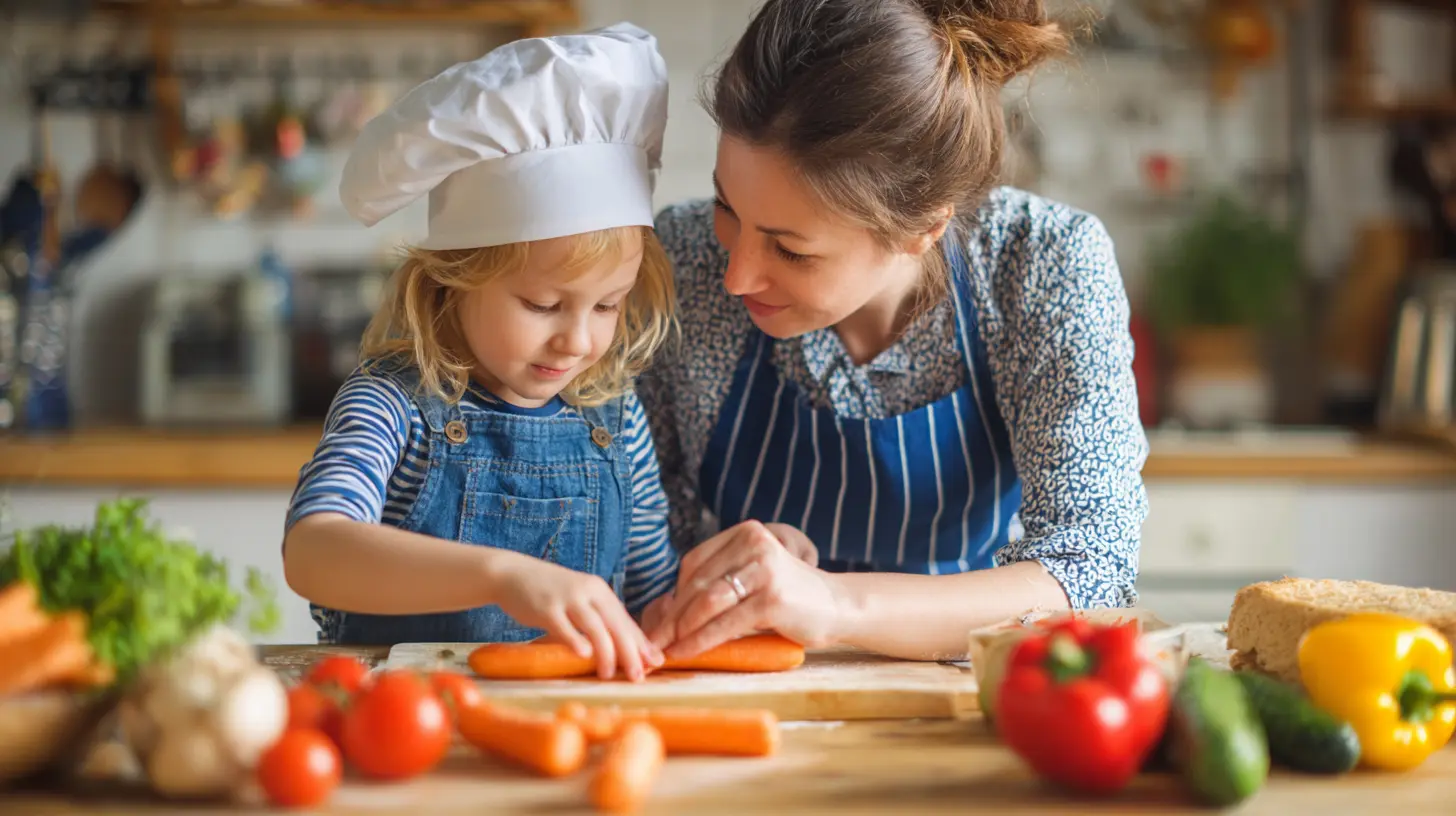
3. MyPlate Pizza Night ?
We all know kids love pizza—so why not build a healthier version while sneaking in a nutrition lesson?What You’ll Need:
- Whole wheat pizza crusts or English muffins- Tomato sauce
- Low-fat mozzarella cheese
- A variety of toppings: mushrooms, olives, peppers, onions, spinach, grilled chicken, pineapple
How It Works:
Let each child make their own mini pizza. Challenge them to add toppings that represent all 5 MyPlate food groups: Fruits, Vegetables, Protein, Grains, and Dairy.Nutrition Lesson:
Use this as a natural segue into talking about balanced meals, serving sizes, and the importance of variety.Added Fun: Make a pizza graph afterwards—how many veggies vs. proteins did each child choose?
4. Taste-Testing Adventure ?
Have a little explorer in the house? Channel that curiosity into a global tasting party.What You’ll Need:
Pick 3–5 small, healthy dishes or snacks from different cultures. Make simple versions—think hummus and pita from the Middle East, edamame from Japan, or guacamole from Mexico.How It Works:
Cook one or two of the dishes together. Then have a taste-testing session. Create passports, stamp them, rate the foods, and talk about where it came from.Nutrition Lesson:
Highlight how different cultures use nutritious ingredients in unique ways. Discuss how there's no single “healthy” cuisine—it’s all about variety and balance.5. Grow-Your-Own Salad Challenge ?
Nothing beats the thrill of watching something you’ve planted grow (except maybe eating it!).What You’ll Need:
- Lettuce seeds (or any fast-growing greens)- Small pots or garden space
- Tomato plants, baby carrots, herbs (optional)
- Salad fixings (cheese, nuts, dressing, etc.)
How It Works:
Plant, water, wait—and then harvest! Once it’s salad day, let your child rinse, chop, and build their own “garden-to-table” salad.Nutrition Lesson:
Talk about where food comes from and why fresh produce is awesome for our bodies. Let them taste the difference between fresh-picked and store-bought. They’ll never look at lettuce the same!6. Read, Cook, and Learn ?
Some of the best food moments happen when you tie them into stories.What You’ll Need:
- Children’s books centered around food ("Dragons Love Tacos", "Green Eggs and Ham", "If You Give a Mouse a Cookie")- Ingredients to recreate the foods from the story
How It Works:
Read the story together, then head to the kitchen to make the food mentioned. Talk about how it’s made, what the healthy swaps could be, or where it comes from.Nutrition Lesson:
This activity connects food to literacy, culture, and creativity. You can sneak in lessons about moderation (cookies are great but not every day) and food diversity (not all tacos are spicy!).7. Healthy Snack Picasso ?
Turn snack time into an art project. Who says you can’t play with your food?What You’ll Need:
- Whole grain crackers or rice cakes- Nut butters, cottage cheese, or cream cheese
- Sliced fruits and veggies (berries, kiwi, cucumber, bell peppers, cherry tomatoes)
How It Works:
Let kids create food faces, animals, or abstract art using the ingredients. Think of it like edible LEGO!Nutrition Lesson:
Teach about “smart snacking”—focusing on fiber, whole grains, and natural sugars. Talk through food labels if you’re using packaged items.Heads-Up: You might end up eating a dinosaur rice cake. It’s just part of the gig.
8. Breakfast "Build-A-Bowl" Bonanza ?
Breakfast is the most important meal of the day—and the easiest one to skip. This activity makes it impossible to miss.What You’ll Need:
- Base: oats, yogurt, or smoothie- Toppings: fresh fruit, granola, seeds, honey, nuts, shredded coconut
How It Works:
Set up a bar and let everyone build their own breakfast bowl. Add some silly rules, like “no brown foods,” or “every bowl needs 3 toppings.”Nutrition Lesson:
Talk about the energy we need to start our day and how different foods fuel our brain and bodies. You'll sneak in chats about fiber, protein, and good fats.9. Label Detectives ?️
Next time you're cooking something that comes from a package, turn it into a mini lesson.What You’ll Need:
- Food labels from cereal boxes, snack bars, juice cartons- A simple worksheet or checklist to track sugar, fiber, protein, and sodium
How It Works:
Have kids become "label detectives" and figure out which options are healthier. Then, cook something homemade that’s even better!Nutrition Lesson:
Introduce terms like “added sugar,” “serving size,” and “whole grain.” Show them how to decode labels so they become mindful eaters early on.Tips for Making Kitchen Time Successful
Alright—before you hand over the spatula, here are a few survival tips from one parent to another:- Keep it age-appropriate. Toddlers can rinse veggies, older kids can chop and measure.
- Don’t expect perfection. There will be spills. Laugh and move on.
- Let them lead. Give options and let them choose what to make.
- Celebrate their efforts. Even if the end result is slightly... experimental.
The goal isn't a five-star meal—it's learning, bonding, and building lifelong healthy habits.
Final Thoughts: Teaching Nutrition Doesn’t Have to Be Boring
When you bring kids into the kitchen, you're giving them so much more than a lesson on food groups. You're handing them empowerment, independence, and a roadmap to a healthier future.So the next time you’re whipping up dinner or prepping snacks, pause. Ask your little one to help. It might take a little longer, might get a little messy, but trust me—those flour-dusted giggles and veggie-stuffed masterpieces are more than worth it.
Go ahead. Cook up some fun—and a whole lot of learning too.
all images in this post were generated using AI tools
Category:
Healthy MealsAuthor:

Kelly Snow
Discussion
rate this article
1 comments
Skye McAllister
This article is fantastic! Engaging kids in the kitchen not only teaches them about nutrition but also creates lasting memories. I love the idea of making healthy choices fun. Thank you for sharing these great activities!
May 30, 2026 at 2:50 AM
Kelly Snow
Thank you for your kind words! I'm glad you found the activities helpful. Teaching kids about nutrition can really be a fun journey. Happy cooking!