Handling Criticism: Teaching Kids It’s Not Personal
18 January 2026
Criticism—it's a tough pill to swallow, even for adults. So, imagine how overwhelming it can be for kids who are still figuring out their emotions. As parents, we want to shield our children from pain, but let’s face it—criticism is a part of life. The key isn't to avoid it but to teach our kids how to handle it without taking it personally.
So, how can we help our children build resilience and confidence in the face of criticism? Let's dive in. 
Why Kids Struggle with Criticism
Children are naturally sensitive. They crave acceptance and approval, especially from parents, teachers, and peers. When they receive criticism—whether constructive or not—it can feel like a personal attack instead of an opportunity to improve.A child's emotional brain is still developing, making it harder for them to separate feedback from personal worth. They might think:
✔️ "I messed up" means "I'm not good enough."
✔️ "I need to improve" means "I'm a failure."
That’s why it’s crucial to teach them that criticism isn't a reflection of their value but a tool for growth. 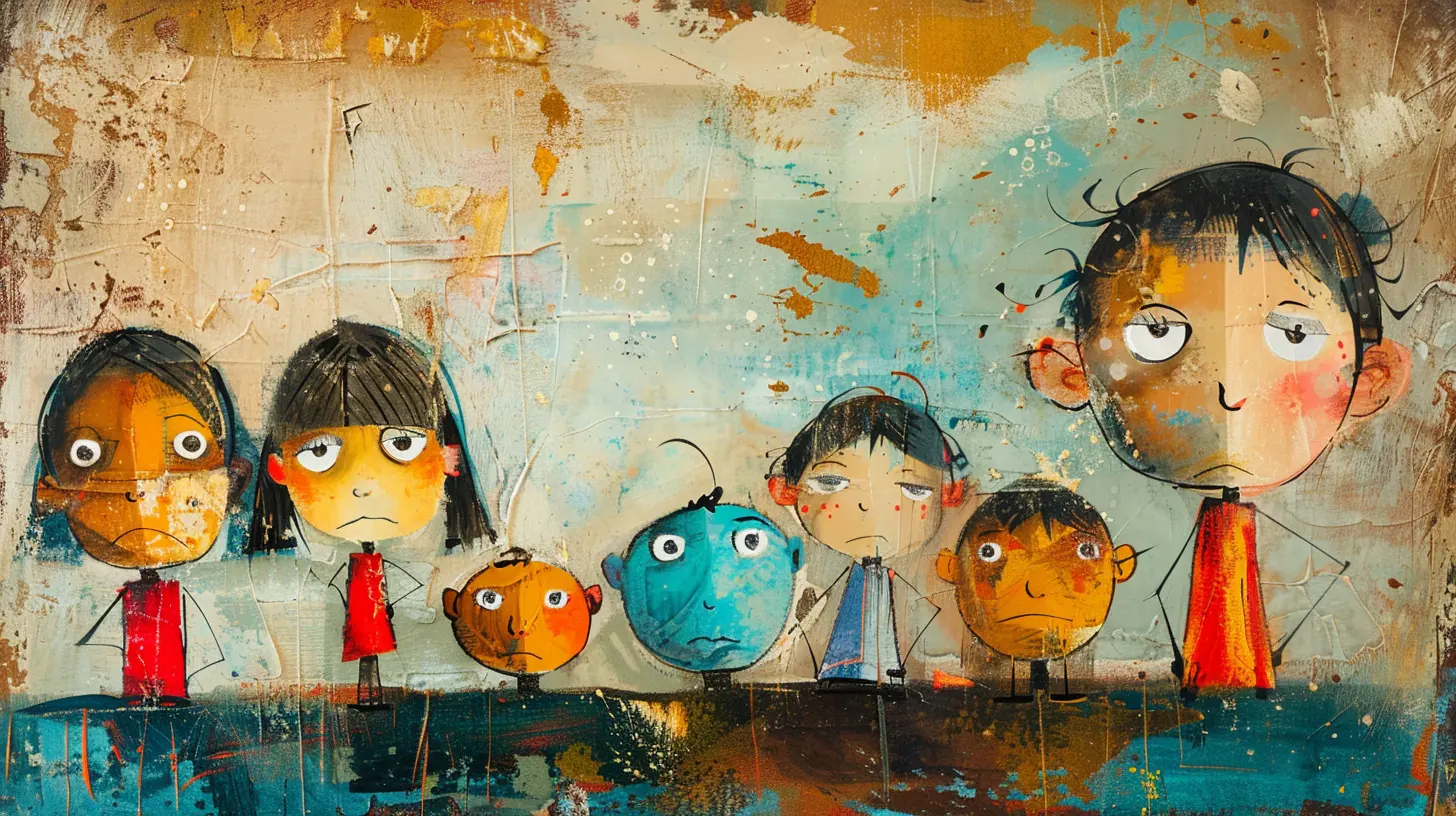
The Difference Between Constructive and Destructive Criticism
Not all criticism is created equal. Before we teach kids how to handle it, they need to understand the difference between constructive and destructive criticism.Constructive Criticism (Helpful Feedback)
This type of criticism is meant to help someone improve. It focuses on actions, not character.🔹 Example: "You worked hard on this drawing! Maybe adding more color would make it pop even more."
Destructive Criticism (Hurtful Comments)
This is negative and often focused on tearing someone down rather than helping them grow.🔹 Example: "That drawing is terrible. You’re not good at art."
Teaching kids to recognize the difference helps them filter out unnecessary negativity while embracing feedback meant to support them. 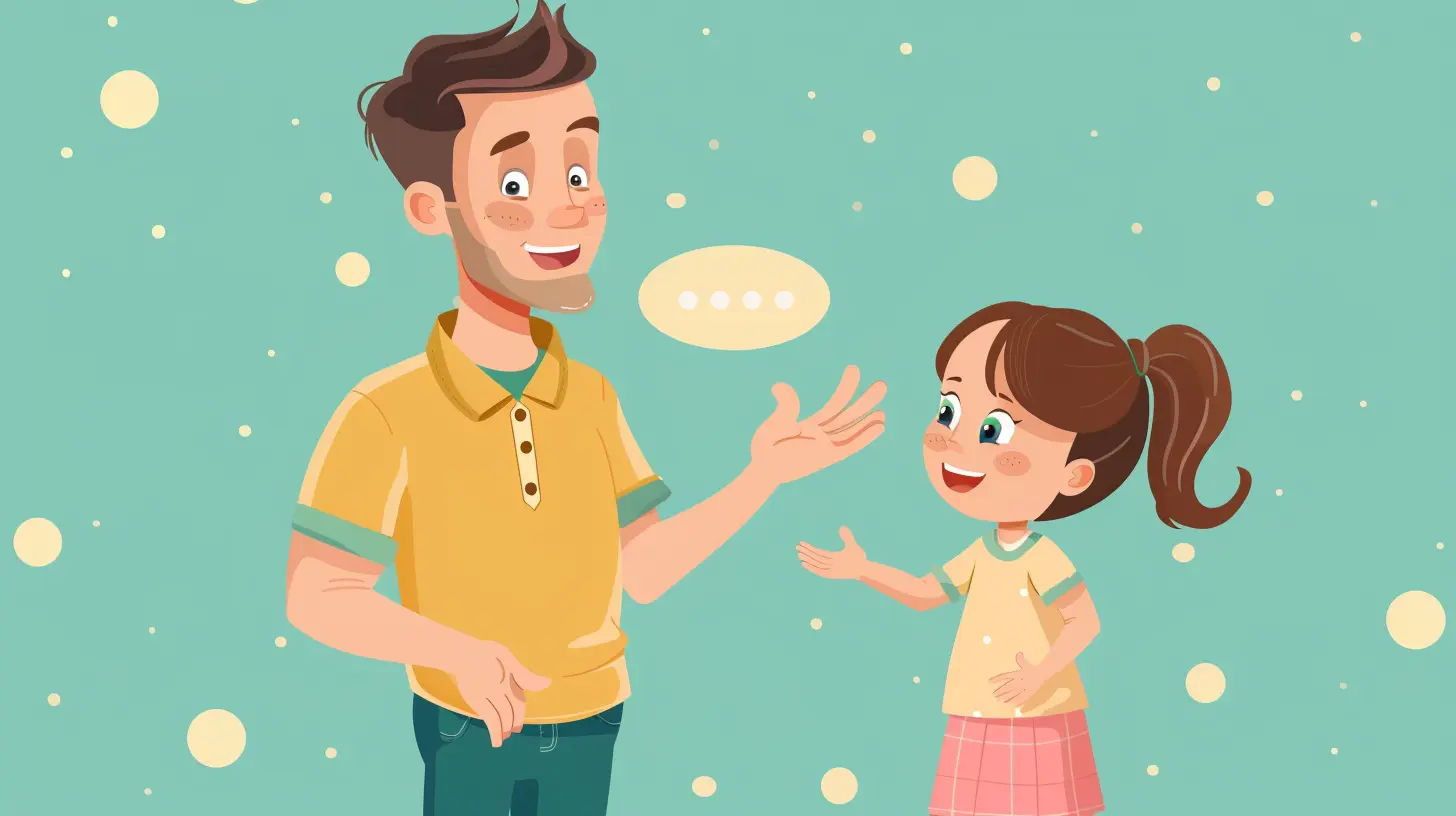
How to Teach Kids That Criticism Isn’t Personal
1. Normalize Mistakes
Perfection isn’t real, and mistakes don’t define who we are. Remind your child that even the most successful people in the world fail before they succeed.🗣️ Try Saying: "Every mistake is a step toward getting better. Imagine if no one ever practiced or improved—how boring would that be?"
When kids see that setbacks are just part of growth, they’ll be less likely to take criticism personally.
2. Model How to Handle Criticism
Children learn by watching us. If you react defensively or take criticism personally, they will too.⚡ Instead of saying: "I can't believe they said that about me!"
✅ Try this: "That feedback was tough to hear, but I can use it to improve next time."
When kids see adults handling criticism gracefully, they’re more likely to mirror that behavior.
3. Focus on Growth Mindset
A growth mindset helps kids see challenges as opportunities instead of personal attacks. Teach them that skills and abilities can improve with effort.✨ Encourage phrases like:
- "I’m not good at this… YET."
- "I can learn from this mistake."
- "This is tough, but I’ll get better with practice."
Switching the mindset from “I failed” to “I’m learning” makes criticism feel less like a personal attack and more like a stepping stone.
4. Teach Them to Pause Before Reacting
Kids often react instantly to criticism—sometimes with tears, frustration, or even anger. Help them develop the habit of pausing before responding.Practice the 3-Step Response:
1️⃣ Breathe: Take a deep breath before reacting.
2️⃣ Listen: Really hear what’s being said. Is it helpful? Mean-spirited?
3️⃣ Respond Thoughtfully: If it's constructive, thank them. If it's destructive, let it go.
Giving kids a simple process to follow makes criticism feel less overwhelming.
5. Separate Self-Worth from Performance
Remind your child that their value isn’t tied to how well they perform. Their worth isn’t based on a test score, a soccer game, or an art project.❤️ Reassure Them: "You are loved for who you are, not for what you do."
When children understand that their value is unconditional, criticism won’t shake their confidence as much.
6. Teach Kids to Ask Questions
Sometimes, feedback is vague or confusing. Encourage your child to ask for clarification instead of assuming the worst.🔹 Example: If a teacher says, “Your essay needs work,” your child can ask, “What part can I improve?”
This shifts the focus from taking it personally to making it a learning experience.
7. Encourage Positive Self-Talk
Negative self-talk can amplify criticism and make kids feel worse. Teach them to replace harsh self-judgment with encouraging words.🚀 Instead of: "I’m awful at this."
🌟 Say: "I’m still learning, and I’ll get better."
When kids learn to be their own cheerleaders, outside criticism won’t hit as hard. 
What to Do When Your Child Feels Bad After Criticism
Even if they know all the right strategies, kids will still have moments where criticism stings. Here’s how you can support them:1. Validate Their Feelings
Instead of dismissing their emotions, acknowledge them.👂 Say: "I can see that hurt your feelings. It’s okay to feel upset."
Validating their emotions makes them feel understood and more open to problem-solving.
2. Help Them Find the Lesson
Once they’ve calmed down, guide them to see the constructive side of the feedback.🔎 Ask: "Is there something useful in what they said?"
This helps shift their focus from the pain of criticism to the growth opportunity.
3. Remind Them to Let Go of the Unhelpful Stuff
Not all criticism is worth dwelling on—sometimes, people are just mean or uninformed.🚫 Teach them to say (in their mind): "This doesn’t define me. I choose to focus on what helps me grow."
When kids learn to filter out negativity, they’ll feel stronger and more confident.
Final Thoughts: Strengthening Resilience for Life
Learning to handle criticism without taking it personally is a life skill that will serve kids well into adulthood. When we teach them to embrace feedback as a way to grow—rather than a personal attack—they’ll develop confidence, resilience, and emotional strength.It won’t happen overnight, and that’s okay. With guidance, patience, and lots of reassurance, our kids will learn that criticism doesn’t define them—it’s simply a stepping stone to becoming their best selves.
And as parents? Well, we might even learn a thing or two ourselves.
all images in this post were generated using AI tools
Category:
Communication With KidsAuthor:

Kelly Snow
Discussion
rate this article
2 comments
Nix Kirkland
Thank you for this insightful article! Teaching kids to navigate criticism prepares them for life's challenges and fosters resilience. Great tips for parents!
February 8, 2026 at 5:37 AM
Kelly Snow
Thank you for your kind words! I'm glad you found the tips helpful for fostering resilience in kids.
Henry Porter
Empower kids to learn, not take it personally.
January 18, 2026 at 3:46 AM
Kelly Snow
Absolutely! Empowering kids to view criticism as a tool for growth fosters resilience and encourages a love for learning.