Healthy Fats and Why Your Kids Need Them
22 January 2026
Let’s face it—when we hear the word “fat,” our minds often jump straight to the negative. We think greasy fast food, health problems, and something to avoid at all costs. But the truth? Fat isn’t the enemy. In fact, when it comes to your children’s growth and development, healthy fats are absolute superheroes.
So, if you’ve ever second-guessed serving your child avocado toast or adding olive oil to their veggies, keep reading. We're diving deep—but in a super easy-to-digest way—into why healthy fats are essential for kids and how to make sure your little ones are getting what they need.
What Are Healthy Fats, Anyway?
Before we start adding spoonfuls of peanut butter to everything (not the worst idea, honestly), let’s clear up what healthy fats actually are.Healthy fats are unsaturated fats, which come in two main types:
- Monounsaturated fats (MUFAs)
- Polyunsaturated fats (PUFAs)
These fats are found in things like:
- Nuts & seeds
- Olive oil
- Fatty fish (think salmon or mackerel)
- Avocados
- Flaxseeds and chia seeds
Unsaturated fats help the body function properly, unlike trans fats and excessive saturated fats, which can increase the risk of health issues when consumed too much.
Why Kids Seriously Need Healthy Fats
You might wonder—why do kids even need fat? Aren’t they little balls of energy already? Here’s the thing...1. Brain Development
Fat = brain food. Literally.Around 60% of the human brain is made of fat, and it’s especially important during early growth stages. DHA, a type of omega-3 fatty acid found in fatty fish, plays a massive role in brain and eye development in infants and toddlers.
Do you want your child to focus better at school or maintain emotional balance? Yep, healthy fats can help with that too. They boost cognitive function and have even been linked to reduced risk of ADHD symptoms.
2. Energy Powerhouse
Fats are more than just “fuel”—they're the high-octane stuff.Think of carbohydrates as kindling and fat as a log in a campfire. While carbs burn fast, fats provide long-lasting energy. For active kids who are always on the go—riding bikes, jumping on trampolines, running from one room to another—they need that long-lasting energy to keep up.
3. Cell Growth and Hormone Production
Every single cell in your child’s body has a membrane made up largely of—guess what—fats. They literally help build the structure of the body.Plus, fats are needed to produce essential hormones. When kids don’t get enough fat, it can mess with growth, puberty timing, and even basic body function.
4. Absorption of Fat-Soluble Vitamins
Vitamins A, D, E, and K are known as fat-soluble. That means your child’s body needs fat to absorb them.So, that salad full of colorful veggies? It’s a vitamin goldmine—but without some healthy fats, those nutrients might just fly right out the window (well, not literally, but you get the picture!).
5. Boosts Immune System
You want your kid to fight off every germ they meet at the playground, right? Omega-3 fatty acids enhance immune function and help combat inflammation.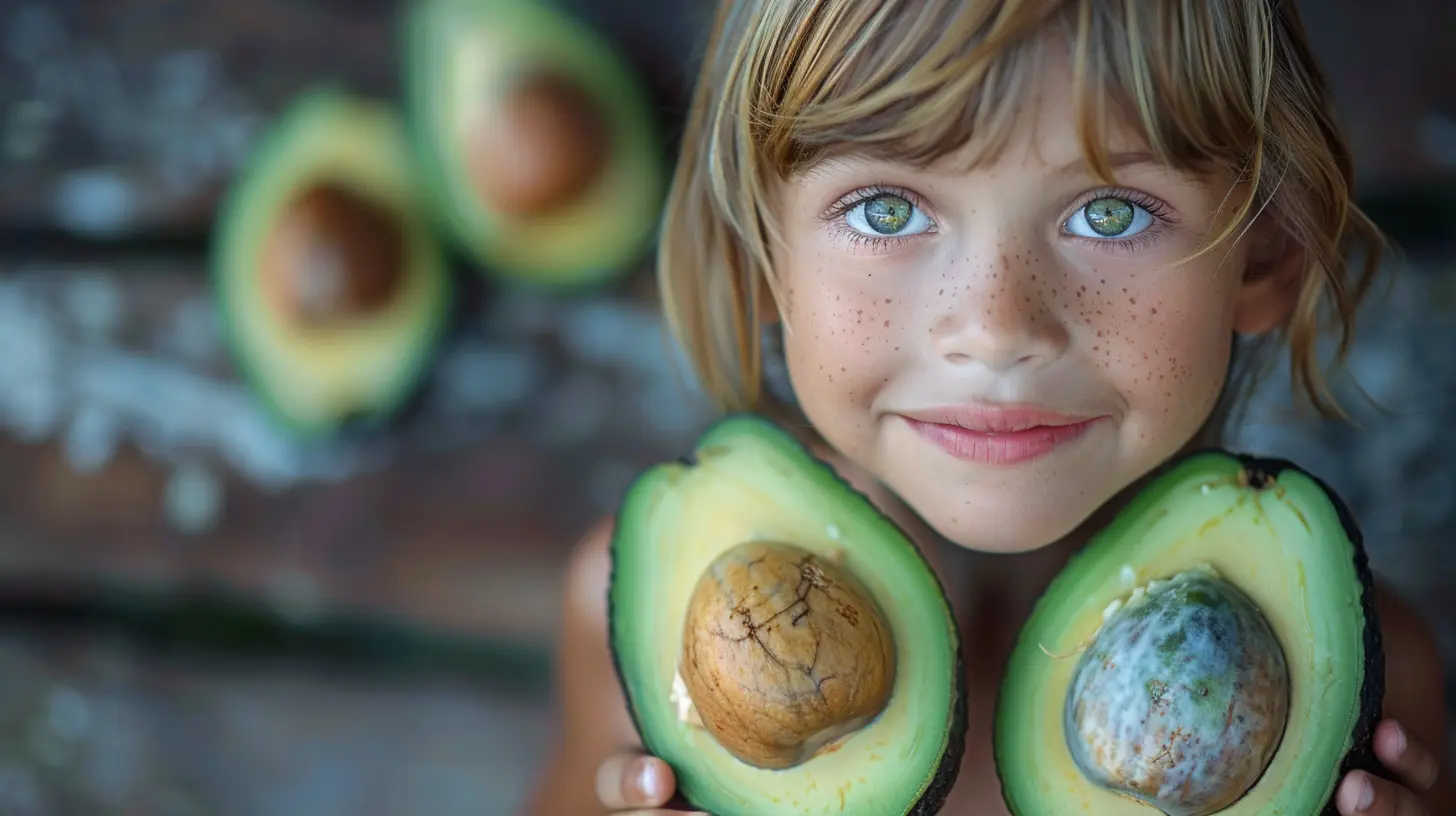
Common Myths About Kids and Fat
“Fat Makes My Kid Fat.”
Nope. It’s not that simple.The real culprit behind childhood obesity? Poor food quality, too much sugar, lack of activity, and too many processed foods. Healthy fats can actually help kids feel full longer, reducing the need for constant snacking.
“Kids Should Eat Low-Fat Everything.”
This myth needs to be buried, like, yesterday.Children need higher fat intake than adults. In early childhood, fat should make up around 30-40% of their total calories. That means full-fat dairy, healthy oils, and fat-rich foods are totally okay—and crucial!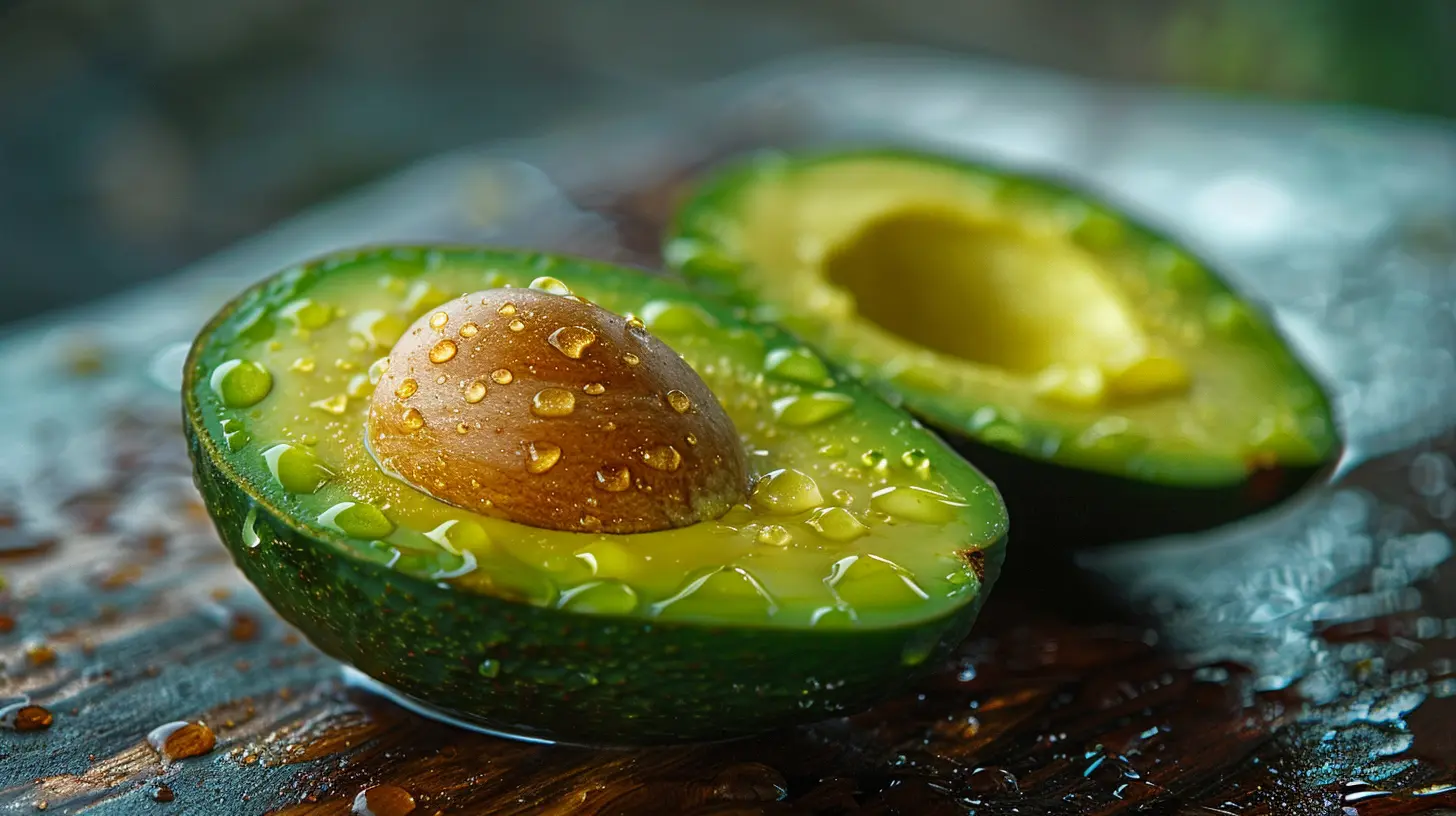
Best Sources of Healthy Fats for Kids
Let’s get practical now. Here are staple fat-rich foods you can (and should!) work into your child’s daily diet.🥑 Avocados
Packed with monounsaturated fats and fiber, avocados are super versatile. Mash them on toast, blend them into smoothies, or turn them into a dip.🐟 Fatty Fish
Think salmon, sardines, trout—these are loaded with omega-3s. Not a fan of fish? High-quality fish oil supplements can be a helpful backup.🥜 Nut Butters
Peanut, almond, or cashew butter—full of healthy fats, protein, and vitamin E. Just make sure it's free from added sugars and hydrogenated oils.🥚 Eggs
Especially the yolks! They carry fat, vitamin D, and choline—key for brain health.🧀 Full-Fat Dairy
Whole milk, cheese, yogurt (plain, with added fruit). All rich in fat, while also providing calcium and protein.🍠 Seeds
Chia seeds, flaxseeds, and sunflower seeds sneak omega-3s into smoothies, cereal, or even baked treats.🥥 Coconut and Coconut Oil
Though high in saturated fat, coconut contains medium-chain triglycerides (MCTs), which are rapidly used for energy.How Much Fat Do Kids Actually Need?
Here’s a quick guide based on age:- 1–3 years: 30–40% of total calories from fat
- 4–18 years: 25–35% of total calories from fat
But remember, it’s not about counting every gram. Focus more on where the fat comes from and how balanced their overall diet is.
Easy Ways to Add Healthy Fats to Your Child’s Meals
Okay, now that we know fats are good, how do we make sure our kiddos are getting enough without making mealtime a struggle?Swap It Smart
- Use avocado instead of mayo on sandwiches.- Drizzle olive oil on cooked veggies or pasta.
- Add a spoonful of nut butter to oatmeal or toast.
- Bake with ground flaxseed or chia seeds in muffins or pancakes.
Make Fatty Foods Fun
- Turn trail mix into a game by letting kids build their own with nuts, seeds, and dried fruits.- Blend smoothies with avocado or a scoop of peanut butter.
- Try making homemade energy bites using coconut oil, oats, and sunflower seeds.
Warning Signs Your Child May Not Be Getting Enough Healthy Fats
While most diets overdeliver on fat, picky eaters or overly restrictive eating can lead to a deficiency. Look out for:- Dry, flaky skin
- Slow wound healing
- Weak immunity
- Poor concentration
- Fatigue
If you spot these signs consistently, talk to your pediatrician. They might suggest a simple dietary tweak—or a supplement if needed.
Healthy Fats and Allergies
If your child has nut allergies, don’t panic. There are plenty of nut-free options rich in healthy fats:- Sunflower seed butter
- Pumpkin seeds
- Avocados
- Eggs
- Fish and seafood
- Olive and canola oils
Always check labels and consult with an allergist before introducing anything new.
Final Thoughts: Embrace the Good Fat!
Look, the bottom line is this—healthy fats aren’t just “okay” for kids. They’re vital. Like, can’t-thrive-without-them kinda vital. They fuel brainpower, build bodies, and keep kiddos strong and thriving.So next time you’re packing a lunchbox or whipping up dinner, do your little one a favor: serve up the good fats proudly. No guilt, no hesitation—just real, nourishing, development-boosting food.
Your child’s future brain will thank you!
all images in this post were generated using AI tools
Category:
Healthy MealsAuthor:

Kelly Snow
Discussion
rate this article
2 comments
Tamsin Vasquez
Essential for growing minds!
February 15, 2026 at 4:37 AM
Kelly Snow
Absolutely! Healthy fats are crucial for brain development in children.
Corinne Griffin
Healthy fats are essential for growing minds and bodies! Embrace these nutrient-rich foods to fuel your kids’ potential every day.
January 22, 2026 at 3:41 AM
Kelly Snow
Thank you for highlighting the importance of healthy fats! They truly play a vital role in supporting children's growth and development.