How to Balance Treats and Nutrition in Your Child’s Diet
23 February 2026
Let’s be real — parenting is one wild ride. Between school runs, doctor appointments, and the occasional meltdown over the wrong color cup, the last thing you want is a daily battle over what your child eats. And when it comes to treats? Oh boy, that's a minefield of sugar-coated guilt and snack-time negotiations.
But here's the good news — you can strike a healthy balance between giving your child the nutrition they need and still letting them enjoy the occasional sweet or salty treat. It's not about banning all sugar or turning into the snack police. It's about creating smart habits, setting boundaries, and keeping real-life in mind. So let’s dig into exactly how to balance treats and nutrition in your child’s diet — without losing your sanity.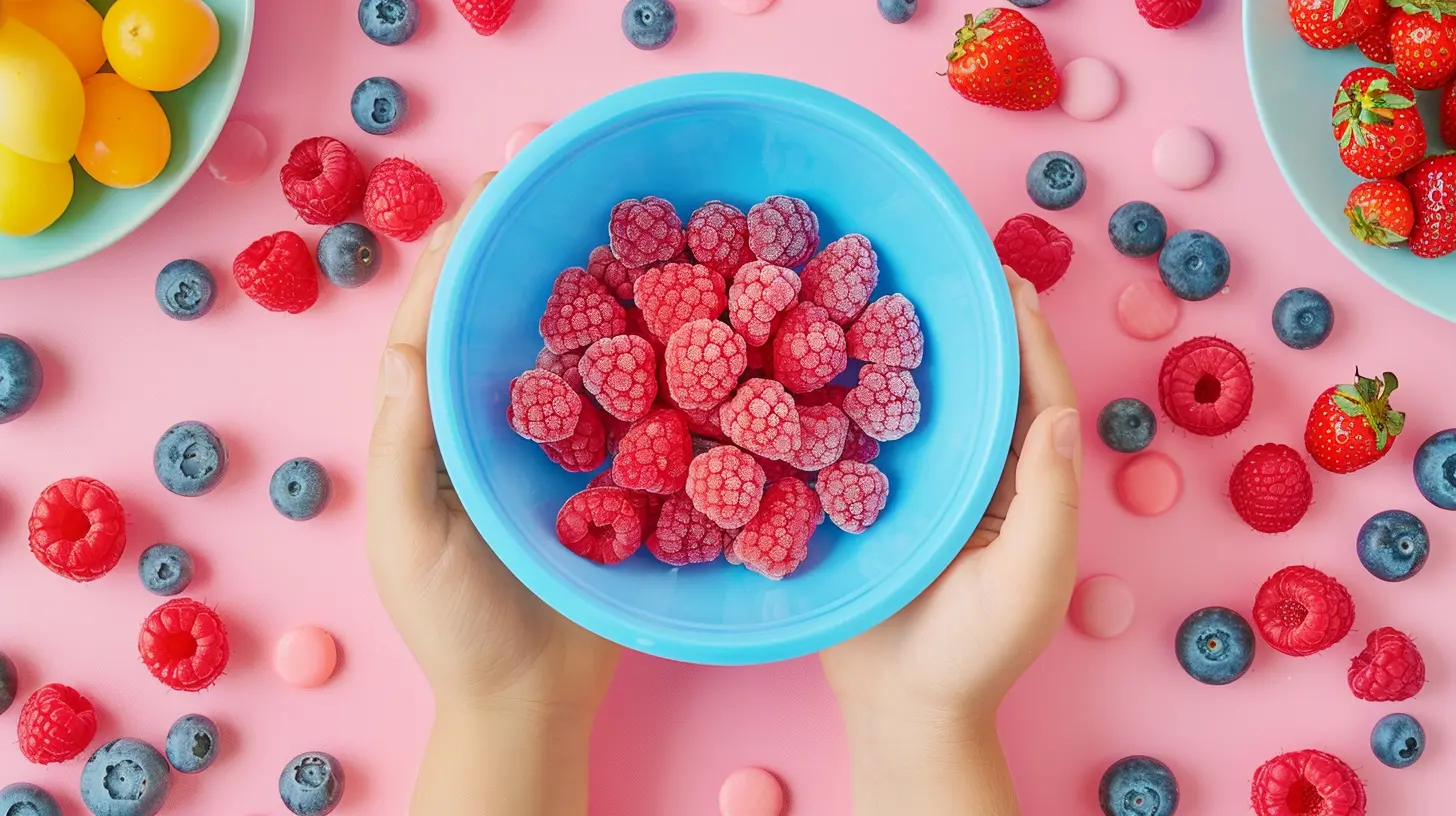
Let’s Redefine “Treats”: It’s Not Just Candy and Cake
When we say "treat," most people immediately think of cupcakes, cookies, or a big scoop of ice cream. But treats don’t have to be all sugar and empty calories. A treat is anything that feels special or extra — it can be a warm cup of hot cocoa on a cold evening, a slice of homemade banana bread, or even a plate of colorful fruit arranged in fun shapes.So before we dive into how to balance things, shake off the idea that treats are only "bad" foods. That mindset can mess with your child’s relationship with food long-term.
Why Finding the Balance Matters
Here's the thing: kids are growing fast — not just in size, but in brain development, emotional regulation, and even taste preferences. The way you approach food now shapes their choices for years to come.Too many treats (especially ultra-processed snacks high in sugar and salt) can lead to:
- Energy crashes and mood swings
- Poor concentration at school
- Increased risk of obesity and chronic illness
- Emotional eating patterns later in life
But being too strict can backfire too. Total restriction often makes kids MORE obsessed with the "forbidden" foods, and it can create guilt and shame around eating.
So what's the secret? Balance. Not too much, not too little. Just enough to promote health and happiness.
Step 1: Set a Foundation of Nutrient-Rich Meals
Before worrying about treats, make sure your child’s main meals are solid. Think of these meals as the strong roots of a tree — if the roots are healthy, the occasional breeze (a.k.a. a candy bar) won’t knock it down.Build Balanced Plates
A super simple trick? Use the “half-half-whole” method:- Half the plate: fruits and veggies
- A quarter: lean proteins (like chicken, eggs, beans, tofu)
- A quarter: whole grains (brown rice, quinoa, whole-wheat bread)
Add healthy fats (think avocado, olive oil, nuts) and calcium-rich foods (like dairy or fortified plant milks) to round things out.
Variety is Your Best Friend
Kids can be picky — it’s a phase, not a personality. Keep offering different colors, textures, and flavors, even if they reject them at first. Exposure is key.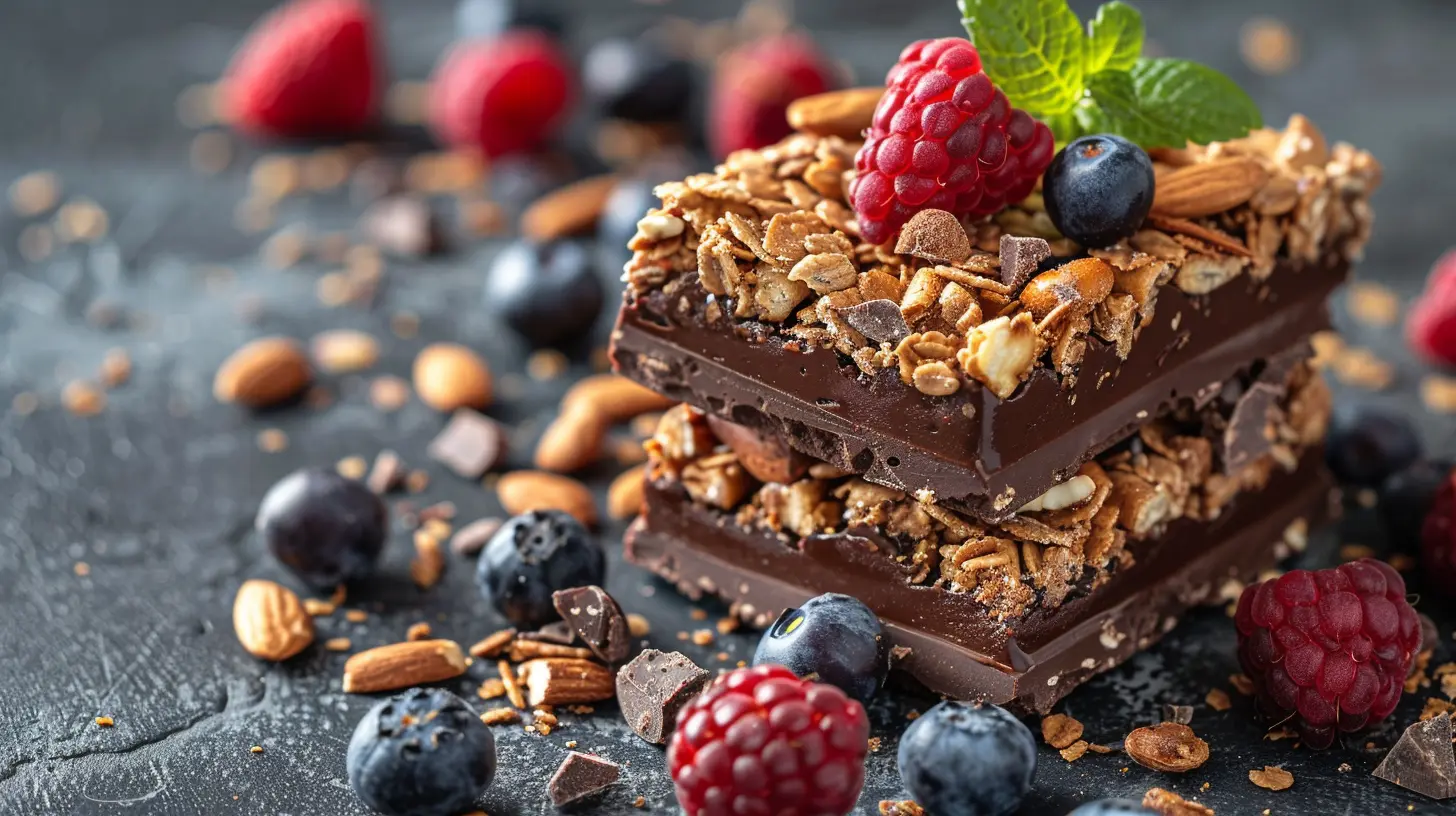
Step 2: Treats in Moderation, Not Elimination
Let’s be honest — banning treats entirely just makes kids want them more. It’s like telling someone not to think of a pink elephant. Guess what pops into your head?Instead, allow treats — occasionally and intentionally. When you do, enjoy them together, guilt-free.
Have a Loose “Rule of Thumb”
Try the "80/20" rule: 80% of the time, focus on whole, nutritious foods. The other 20%? That’s room for fun stuff.This gives you flexibility. Maybe it’s ice cream on Friday night, or a cupcake at a birthday party. It doesn’t mean you’re giving up on health — just that you’re making space for joy.
Step 3: Time Treats Smartly
When your kid eats sugar on an empty stomach, it spikes their blood sugar quickly — leading to a crash and crankiness. The trick is to pair treats with other foods.Combine with Protein or Fiber
Snacking on a cookie? Pair it with a glass of milk or a handful of nuts. This slows down sugar absorption and keeps them feeling full longer.Also, try to offer treats after meals. A nourished body handles sugar better than an empty one.
Step 4: Watch Portion Sizes — Smaller Can Be Just as Satisfying
One of the sneakiest problems with treats today? Jumbo portions. A chocolate bar the size of your hand. A soda that could fill a flower vase. No kid needs that much in one go.Teach Mindful Eating
Encourage your child to taste their treats, not just inhale them. Ask questions like:- “What do you like most about this?”
- “Do you feel full or still hungry?”
This helps kids tune into their bodies’ cues and enjoy food without overdoing it.
Step 5: Don’t Use Treats as Rewards or Punishments
This is a biggie. When we say stuff like, “If you finish your broccoli, you can have dessert,” we imply that broccoli is gross and dessert is the prize. Over time, kids learn to value treats more than real food and may even use it for emotional comfort.Instead, treat food as neutral. You can say:
- “We’re having brownies tonight — not because you earned it, but because they’re delicious.”
- “Veggies help your body grow strong. Let’s add some to dinner.”
Keep food about nourishment and enjoyment — not control.
Step 6: Be a Role Model (Yep, That Means You Too)
Kids learn by watching, not just listening. If they see you snacking on chips while telling them to eat carrots, they’ll smell the hypocrisy from a mile away.Model Balanced Eating
Let them see you:- Enjoying a variety of foods
- Eating junk food in moderation — without guilt
- Drinking water over soda
- Cooking fresh meals
And when you DO have a treat? Savor it. Share it. Make it part of your happy memories together.
Step 7: Get Kids Involved in the Kitchen
Want your child to eat better and appreciate treats more? Get them cooking! Even toddlers can help with washing veggies or stirring pancake batter.When kids participate, they’re more likely to:
- Try new foods
- Respect ingredients
- Understand the difference between snacks and meals
And yes, make room for baking cookies or decorating cupcakes. These moments teach balance and build positive food memories.
Step 8: Stock Smart Snacks at Home
Let’s face it — when hunger hits, kids won’t wait around while you peel carrots. The key is to have quick, easy, and healthy options available.Snack Ideas That Balance Fun and Nutrition:
- Greek yogurt with a drizzle of honey- Apple slices with peanut butter
- Trail mix (with a few chocolate chips thrown in)
- Homemade smoothie popsicles
- Cheese cubes with whole-grain crackers
And sure, keep a treat or two around! Just keep them out of direct line of sight — what they see is what they’ll crave.
Step 9: Talk About “Everyday” vs. “Once-in-a-While” Foods
Instead of labeling foods as "good" or "bad," teach your child about “everyday” foods (that help them stay strong and energized) versus “sometimes” foods (that are fun but not for every single day).This gives kids a healthy framework without creating guilt or confusion, and it encourages them to make their own smart choices over time.
Step 10: Don’t Stress Over Perfection
Let’s get one thing straight — you're not running a gourmet health retreat. You're raising a human. There will be days when they eat three bowls of cereal and a cookie, and you call it dinner. That’s okay.What matters most is the overall pattern, not one random meal or snack. Keep the long-term view in mind, and give yourself some grace.
Remember: ice cream doesn’t undo the value of a week’s worth of balanced meals. It’s just one joyful scoop in the bigger picture of growing up.
Final Thoughts: You’ve Got This
Balancing treats and nutrition in your child’s diet isn’t about strict rules or perfection. It’s about setting the stage for a healthy relationship with food — one where broccoli and brownies can both have a place.Give your child variety. Model good habits. Allow the sweet stuff in moderation. And, most importantly, make food a source of connection, not stress.
So go ahead — bake the cookies, serve the veggies, and raise a kid who feels good about what they eat. They’re watching you more than you know, and you’re doing better than you think.
all images in this post were generated using AI tools
Category:
Healthy MealsAuthor:

Kelly Snow
Discussion
rate this article
2 comments
Melina Nelson
Balancing treats and nutrition is like walking a tightrope while juggling donuts! Remember, a well-balanced diet includes a cookie in each hand. Just keep the broccoli in sight for show, and let your kiddo believe that a balanced meal can sometimes mean pizza and salad—because who says you can’t have it all?
March 7, 2026 at 5:28 AM
Kelly Snow
Great analogy! Balancing treats and nutrition can definitely be fun. It’s all about moderation and making healthy choices enjoyable for kids. Pizza and salad sounds like a perfect compromise!
Evren McCoy
Great article! Finding the right balance between treats and nutrition is essential for fostering healthy habits in children. Moderation and creativity are key to making it fun!
March 5, 2026 at 3:37 PM
Kelly Snow
Thank you! I completely agree—moderation and creativity make healthy eating enjoyable for kids.