How to Build Balanced Plates for Growing Children
27 January 2026
As a parent, you probably ask yourself this question more often than you'd like to admit: “Is my child eating healthy enough?” Between school lunches, picky eating, and those tempting snack aisles at the grocery store, feeding your growing child the right way can feel like a never-ending juggling act. But don’t worry — I’ve got you covered.
In this guide, we’re going to break down exactly how to build balanced plates for growing children so you can fuel their busy bodies and curious minds without losing sleep over it. Whether your little one is a picky eater or a mini foodie, these tips will help you serve up nutrition with a side of sanity.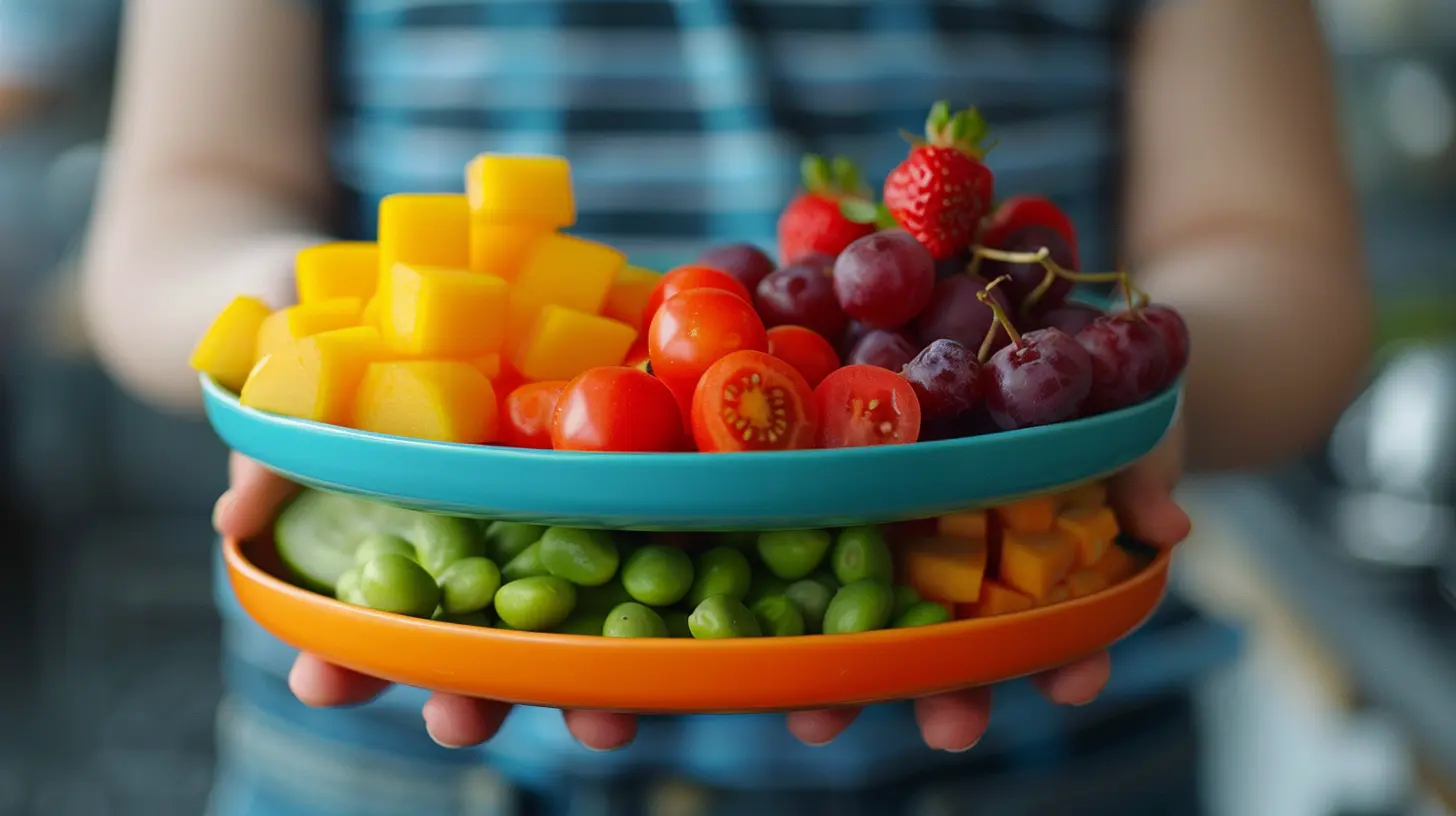
Why Balanced Plates Matter
Let’s be real — kids grow fast! One minute they’re wearing toddler shoes, and the next, they’re borrowing your sneakers. This rapid growth demands a whole lot of energy and nutrients. That’s where balanced plates come in.Balanced meals provide the right mix of nutrients — carbohydrates, proteins, fats, vitamins, and minerals — to support your child’s development, immunity, focus, and energy levels. A poorly balanced diet can leave them tired, cranky, or even at risk for long-term health issues.
Think of their plate as a fuel tank: fill it with the wrong stuff, and they’ll sputter. Fill it right, and they’ll thrive.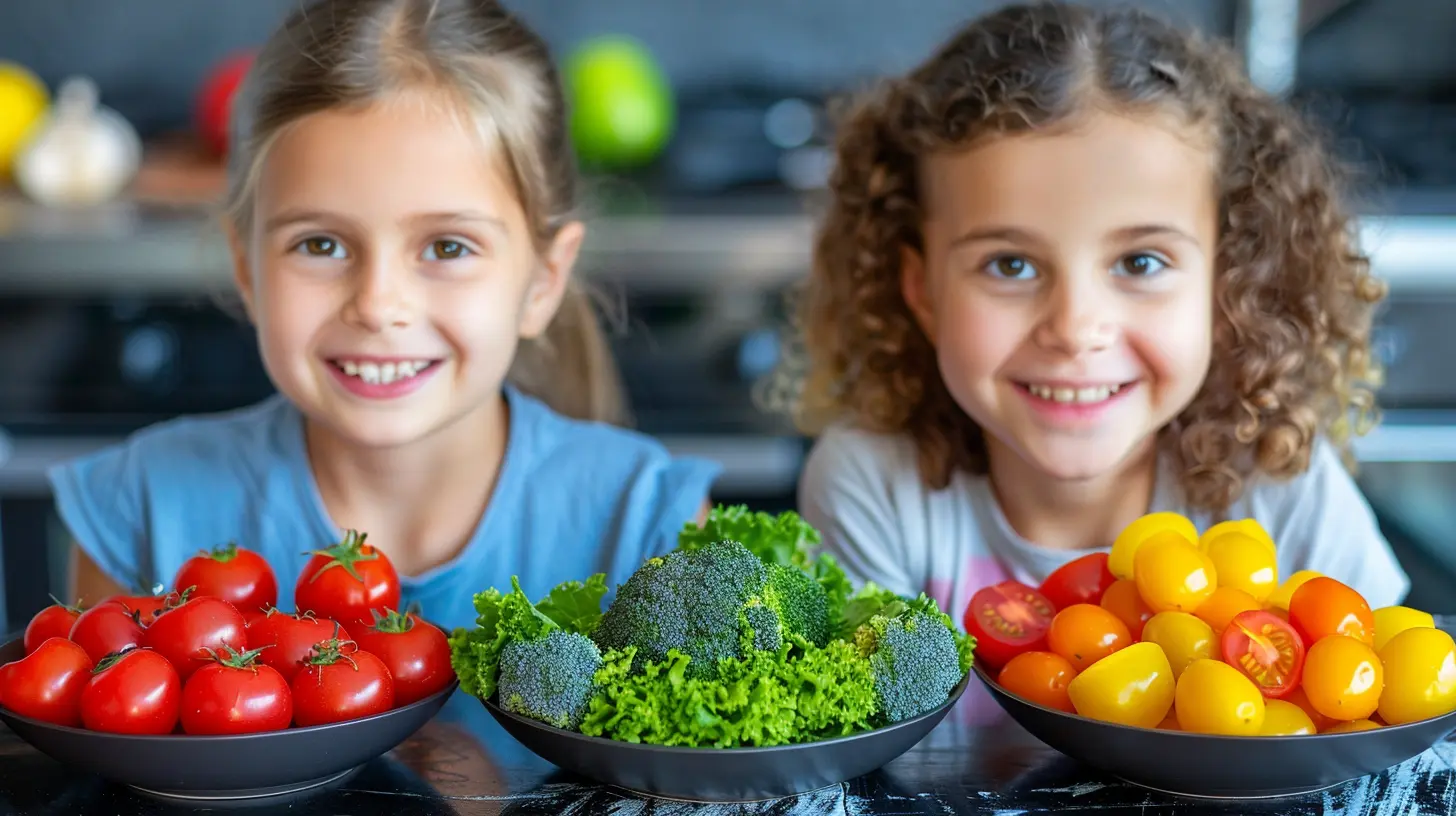
The Anatomy of a Balanced Plate
So, what exactly does a balanced plate look like for a child? A good visual to keep in your mind is half, quarter, quarter:- Half the plate: Fruits and veggies
- One-quarter: Lean protein
- One-quarter: Whole grains or complex carbohydrates
Let’s zoom in on each piece.
1. Fruits and Veggies – The Colorful Crowd
Kids should get a variety of fruits and vegetables every day, and the more colorful, the better. Each color represents a different set of nutrients. Think of it as eating the rainbow — literally.Why They Matter:
- Fiber keeps digestion smooth.- Vitamins and antioxidants boost the immune system.
- Natural sugars provide quick energy without the crash you get from candy.
Tips to Try:
- Sneak spinach into fruit smoothies (they won’t taste it, promise).- Make veggie shapes — we all eat with our eyes first, even adults!
- Roast carrots and sweet potatoes with a touch of cinnamon for a sweet side dish.
2. Proteins – The Growth Builders
Protein helps build and repair tissues — and with kids constantly growing, they need a steady supply.Great Options:
- Chicken, turkey, fish- Eggs
- Tofu, beans, lentils
- Nut butters or dairy like yogurt and cheese
Pro Tip:
If you’ve got a carnivore, great. But if meat’s a struggle, try chickpea pasta, black bean quesadillas, or even egg muffins packed with veggies.3. Whole Grains and Complex Carbs – The Steady Energy Source
Carbs get a bad rap, but they’re essential for growing kids. The key is to focus on the good kind — complex carbs that break down slowly and keep energy levels stable.Best Picks:
- Brown rice or quinoa- Whole wheat pasta or breads
- Oats
- Sweet potatoes
These provide long-lasting fuel for active play, school learning, and any superhero missions they embark on during the day.
4. Healthy Fats – Brain Food
Healthy fats are crucial for brain development, especially in younger children.Include Fats From:
- Avocados- Nuts and seeds
- Olive oil
- Fatty fish like salmon
Just a little goes a long way, so don’t be shy about adding peanut butter to toast or a bit of olive oil when roasting veggies.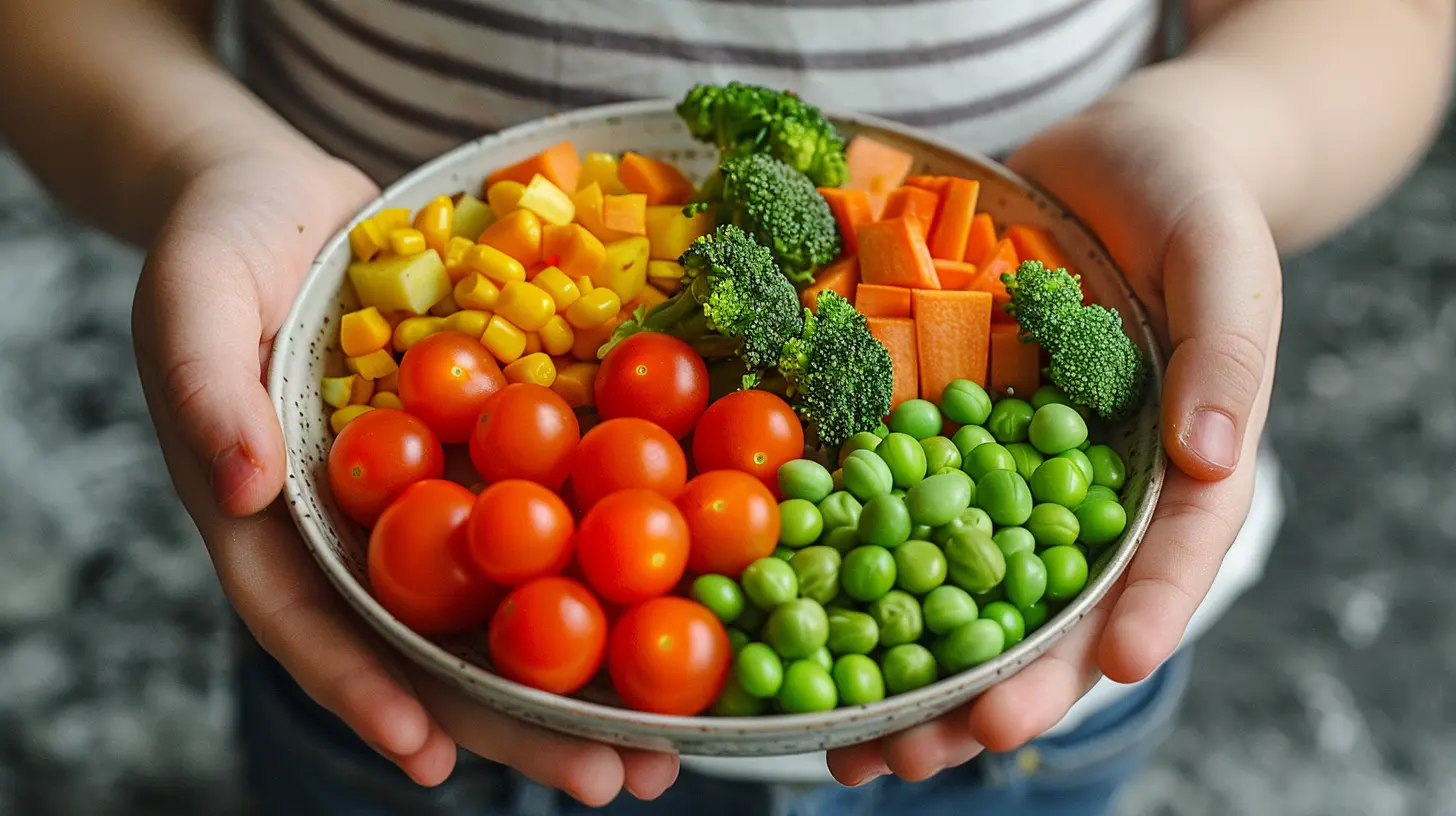
Hydration Matters, Too
Let’s not forget the liquid part of the equation. Water should be your go-to beverage for kids — it’s calorie-free, teeth-friendly, and essential for every body function.Try to limit sugary drinks like juice, soda, or sports drinks. If plain water is a no-go, flavor it naturally with fruit slices or a splash of 100% fruit juice.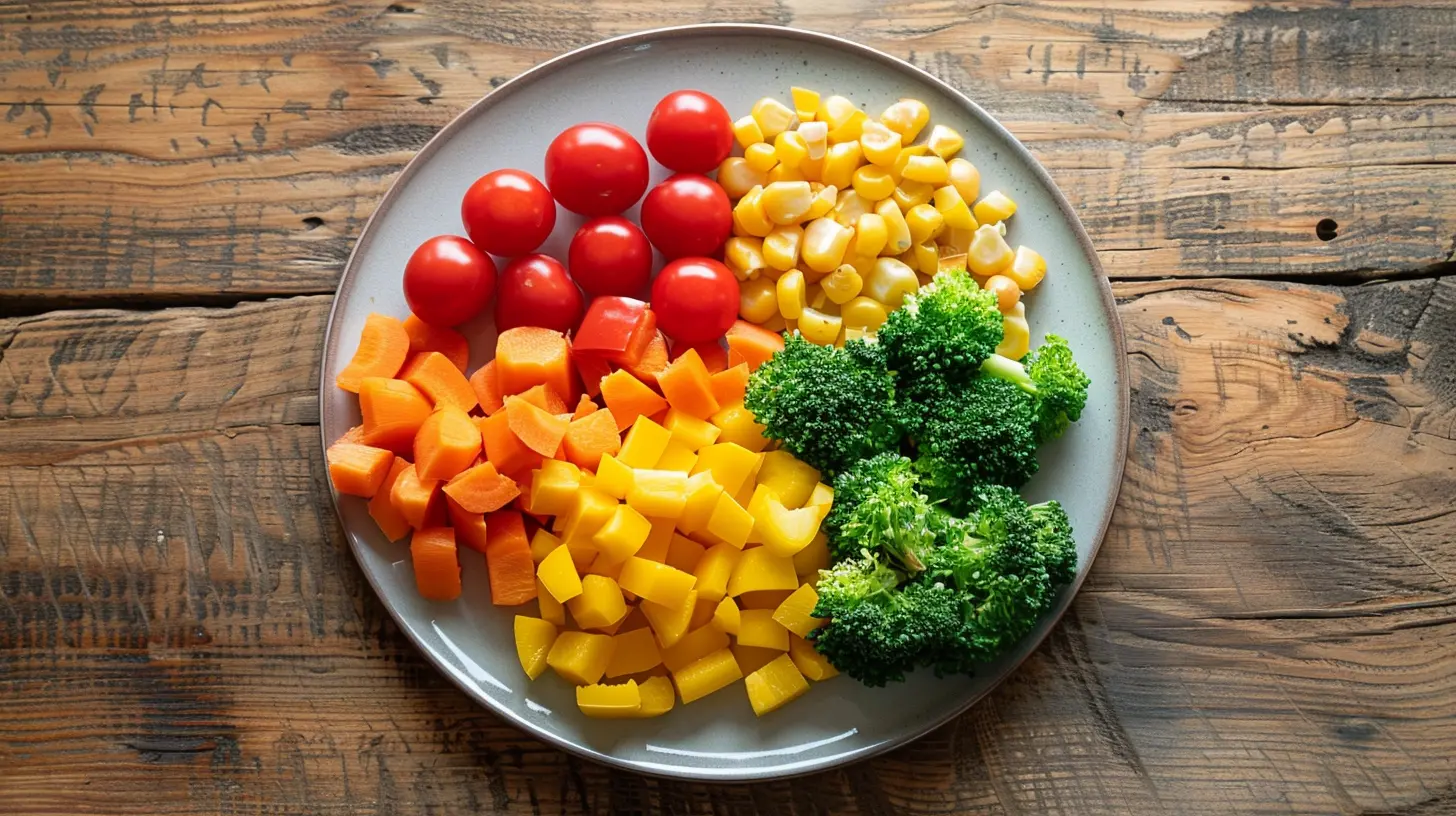
Portion Sizes: How Much Is Enough?
You might be wondering — “Okay, but how much of everything should my child actually be eating?” It’s a common question and totally valid.Here’s a quick breakdown by age:
| Age Group | Veggies & Fruits | Grains (mostly whole) | Protein Foods | Dairy |
|------------------|------------------|------------------------|---------------|--------|
| 2-3 years | 1 cup each | 3 oz | 2 oz | 2 cups |
| 4-8 years | 1.5 cups each | 5 oz | 4 oz | 2.5 cups |
| 9-13 years | 2-2.5 cups each | 6 oz | 5 oz | 3 cups |
Keep in mind, these are just guidelines. Some days your child will eat like a bird, and other days they’ll eat like they’re preparing for hibernation. Totally normal!
Creating Balanced Plates at Every Meal
Let’s walk through how to build balanced plates for growing children across all meals. A little planning makes a big difference.Balanced Breakfast
Breakfast sets the tone for the day, so aim for balance right from the start.Try This Plate:
- Whole grain toast with almond butter
- Scrambled eggs
- Sliced berries
- Glass of milk or fortified plant-based alternative
Sounds fancy? It’s really not — and it only takes 10 minutes.
Packed School Lunch
School lunches can be tricky, especially with limited time and picky eaters, but you can still hit all the marks.Lunchbox Idea:
- Turkey and cheese whole grain wrap
- Cherry tomatoes and carrot sticks
- Apple slices
- Yogurt cup
Pack it up bento-style, and it feels more like a treat than a chore.
After-School Snacks that Count
Snacks shouldn’t ruin dinner, but they can help keep energy up until then.Smart Snack Options:
- Banana with peanut butter
- Cheese stick and whole grain crackers
- Greek yogurt with a few chocolate chips
- Veggies and hummus
The key is to include a combo of protein and carbs for steady energy.
Balanced Dinner Ideas
Dinner doesn’t have to be a five-course meal. Focus on simple, wholesome, and colorful meals.Weeknight Dinner Example:
- Grilled salmon
- Brown rice
- Steamed broccoli with a sprinkle of parmesan
- Orange slices for dessert
Boom — plate balanced and bellies full.
What About Picky Eaters?
Ah yes, picky eaters — the ultimate parenting challenge. Here are a few tricks to win them over without turning meals into a battlefield:- Offer choices: "Do you want broccoli or peas with dinner?"
- Get them involved: Kids who help cook are more likely to eat what they make.
- Don’t force it: Exposure over time works — just keep trying.
- Use familiar flavors: Spice up veggies with a bit of cheese or dip to make them more appealing.
Remember, it’s not about being perfect. It’s about being persistent.
Fun Ways to Teach Kids About Balanced Eating
It’s easier to get kids on board when they know why we eat certain foods.Try these activities:
- Make a food rainbow chart — track how many colors they eat in a week.
- Play “grocery scavenger hunt” — let them find a protein, grain, veggie, and fruit during your trip.
- Use food puzzles or playsets to teach younger children about food groups.
The more involved they are, the more likely they’ll try new things.
Final Thoughts
Feeding children isn’t about perfection — it’s about creating patterns that stick. Balanced plates for growing children don’t have to be complicated. Think variety, color, and whole foods whenever you can. If dinner last night was chicken nuggets and fries, that’s okay — the next meal is another chance to lean in toward balance.Remember: you’re not just feeding a growing body, you’re shaping a lifelong relationship with food. That’s pretty powerful stuff.
So next time you're staring into the fridge wondering what to make, just picture that half, quarter, quarter plate and know you're doing a great job.
all images in this post were generated using AI tools
Category:
Healthy EatingAuthor:

Kelly Snow
Discussion
rate this article
2 comments
Lincoln McGuffin
Creating balanced plates for children ensures they receive essential nutrients, supporting their growth, development, and overall health.
February 21, 2026 at 5:27 AM
Kelly Snow
Absolutely! Balanced plates are key to helping children thrive and reach their potential.
Elowyn Ramirez
Balanced plates are essential for growth; focus on variety and nutrients to foster healthy habits and lifelong preferences in children.
February 1, 2026 at 5:32 AM
Kelly Snow
Absolutely agree! A diverse range of nutrients is key to supporting children's growth and instilling healthy eating habits for life. Thank you for your insight!