How to Encourage Gratitude in a Fast-Paced World
23 April 2026
Let’s be honest—life today moves at lightning speed. We’re constantly rushing from one thing to the next, juggling work, school drop-offs, appointments, and a never-ending list of to-dos. Amid all this hustle and bustle, it’s easy to overlook something as simple—and powerful—as gratitude. But here’s the thing: gratitude isn’t just some feel-good concept. It’s a game-changer. Especially for our kids.
So how do we help raise thankful, grounded kids when everything around us screams “more, faster, now”? Simple. We slow down on purpose. We model it. And we create everyday moments that let gratitude shine.
In this post, I’m breaking down how you can teach and encourage gratitude in your family—even when life feels like a whirlwind.
Why Gratitude Matters More Than Ever
Gratitude isn’t about forcing our kids to say “thank you.” It’s about cultivating a mindset—a way of seeing the world through a lens of appreciation. Think of it as a muscle: the more your child uses it, the stronger it gets.Gratitude is linked to:
- Increased happiness and overall well-being
- Better sleep and reduced stress
- Stronger relationships
- Improved self-esteem
- Greater resilience during tough times
And let’s be real—who wouldn’t want their child to have all that?
In a world filled with instant gratification, constant comparison, and digital distractions, being thankful isn’t second nature. That’s why we need to be intentional about it.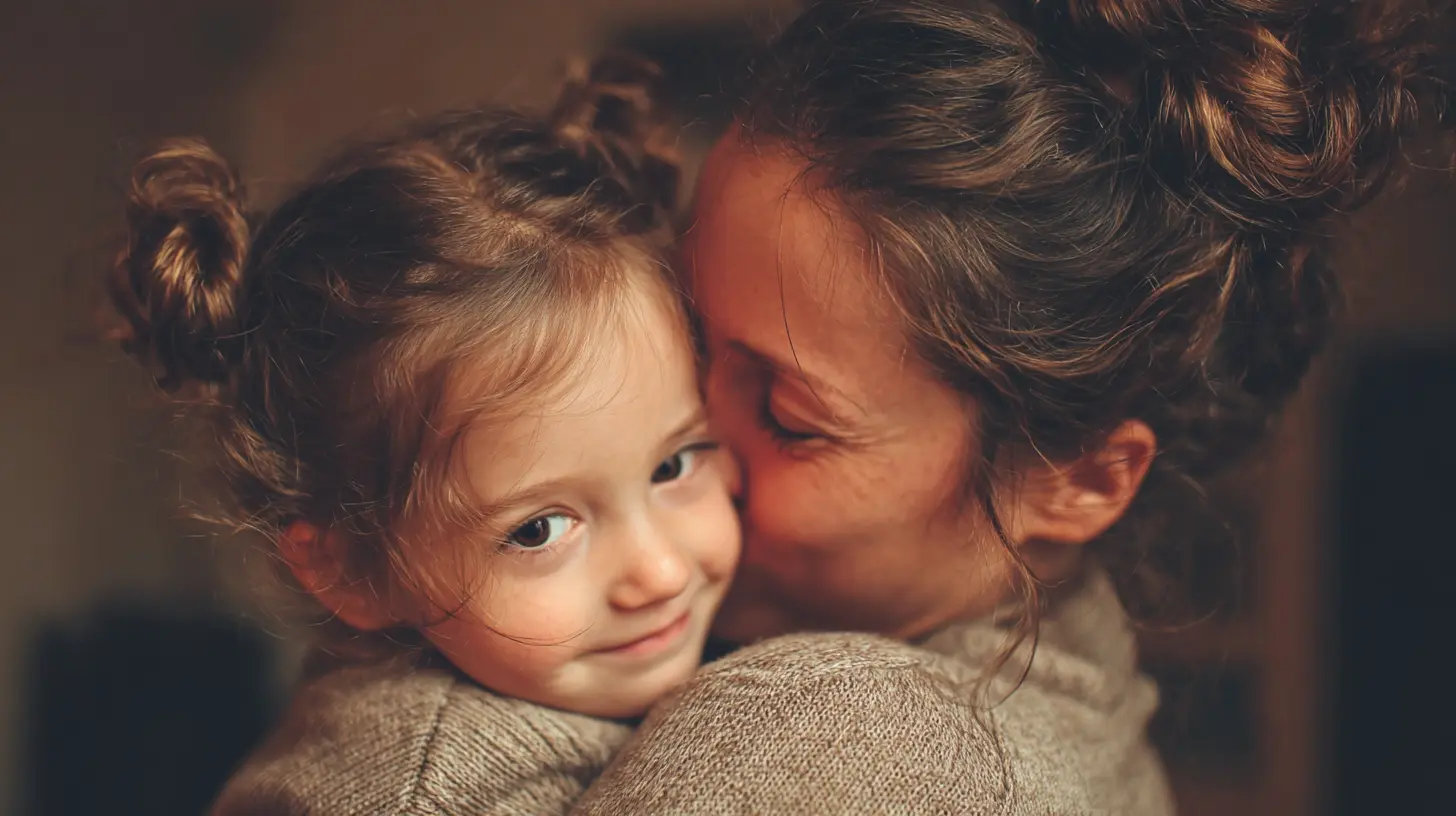
Start With Yourself—Model Grateful Behavior
Kids are like little mirrors. They watch us more than they listen to us (even when we wish it were the other way around). If we want gratitude to be part of their everyday life, we need to let them catch us in the act of being thankful.- Say “thank you” to your partner, your kids, even the mail carrier.
- Talk about the little things you’re grateful for—out loud.
- Express appreciation when something goes right, even when it’s small.
- Handle disappointment with grace and perspective.
Instead of, “Ugh, this traffic is the worst,” try “I’m grateful we have this time together in the car to talk.” It’s not about pretending everything’s perfect—it’s about choosing to see the good, even when things aren’t ideal.
Create Gratitude Rituals at Home
The key to encouraging gratitude isn’t one big conversation—it’s consistent, tiny habits that stick.1. Gratitude Jars
Put a mason jar on the kitchen table. Every day (or week), encourage everyone to jot down something they’re thankful for and drop it in. It could be anything—“the waffles for breakfast” or “my friend made me laugh.” Then, read them together at the end of the month or on special occasions.2. Thankful Thursdays
Pick one day a week to share something you’re grateful for at dinner. Make it fun and low-pressure. It’s amazing how these small moments can plant big seeds.3. Bedtime Reflections
Before lights out, ask your child, “What made you smile today?” or “What’s one thing you’re thankful for?” You’ll be surprised what they come up with—and how it shifts their mindset before sleep.
Keep It Real—Let Gratitude Be Messy
Here’s the thing: kids won’t always want to sit down and talk about feelings. They might roll their eyes or mutter a half-hearted “thanks” and call it a day. That’s okay. Gratitude doesn’t have to be perfect—it just has to be practiced.Let your child’s expressions of gratitude take shape in their own way. Maybe it’s drawing a picture, picking flowers for Grandma, or simply hugging you extra tight. These messy, real moments matter.
Use Stories and Books to Spark Thankfulness
Kids connect with stories super easily. They see themselves in characters and feel through the pages. That’s why books with gratitude themes can be powerful tools.Try reading books like:
- Gratitude is My Superpower by Alicia Ortego
- Thank You, Omu! by Oge Mora
- The Thankful Book by Todd Parr
After reading, talk about what the character was thankful for and ask your child what they’re thankful for today. Keep it casual and fun.
Limit the Comparison Game
Let’s face it—social media and advertising constantly scream, “You need more to be happy.” And our kids are soaking that up, often without us even realizing it.While we can’t totally cut them off from the world (nor should we), we can help shift their focus:
- Talk openly about how what we see online isn’t the full picture.
- Celebrate what your family does have rather than fretting over what you don’t.
- Encourage your children to value experiences over things.
- Practice being content—and talk about what contentment looks like.
Remember: Gratitude and comparison can’t live in the same room. When one walks in, the other tends to walk out.
Make Giving a Family Value
Want your kids to appreciate what they have? Let them give some of it away. Simple acts of kindness have a ripple effect—and they help kids feel empowered.Here are a few ways to start:
- Donate gently used toys or clothes together.
- Volunteer as a family—even if it’s small, like helping a neighbor.
- Create homemade thank-you cards for teachers, nurses, or community helpers.
- Start a “giving jar” where loose change goes to a cause your kids care about.
When gratitude is tied to action, it becomes real—and memorable.
Be Patient—And Consistent
Look, teaching gratitude isn’t a one-and-done deal. It’s an ongoing process. Some days it’ll feel like you’re making progress. Other days…well, not so much. That’s normal.But like brushing their teeth or tying their shoes, the more you practice, the more natural it becomes. Even if they roll their eyes at first, those gratitude seeds you’re planting? They’re growing—slowly but surely.
Reinforce with Positive Language
Try weaving gratitude right into your everyday language with phrases like:- "I’m so lucky we get to spend this time together."
- "That was really kind of you—thank you."
- "Look at that beautiful sunset! Isn’t nature amazing?"
- "I love how we worked together as a team today."
When kids hear this kind of language regularly, it becomes part of their inner voice, too.
Encourage Journaling for Older Kids
If your child is a bit older (tweens and teens, I’m looking at you), journaling can be a low-pressure way to explore gratitude privately.They don’t need to write a novel—just one or two lines a day:
- “Three good things that happened today.”
- “One person I’m thankful for and why.”
- “What’s something in my life I’d miss if it were gone tomorrow?”
Honestly, even adults can benefit from keeping a gratitude journal. It’s like hitting a reset button on your mindset.
Teach That It's Okay Not to Feel Grateful All the Time
Here’s a slightly controversial truth: sometimes life sucks. And that’s okay. Teaching kids to be grateful doesn’t mean glossing over their feelings or forcing toxic positivity.In fact, helping them understand that they can feel sad, frustrated, or angry—and still be grateful for something at the same time—is a powerful emotional tool.
It tells them: “Yes, this moment is hard. But look, there’s still light in the dark.”
Final Thoughts: Gratitude is a Lifestyle, Not a List
In the end, encouraging gratitude in a fast-paced world isn’t about adding another task to your already packed to-do list. It’s about building a culture in your home—where appreciation is felt, shared, and celebrated regularly. Where the little things matter, and where your kids learn that joy isn’t found in more stuff or faster schedules—but in presence, connection, and perspective.Start small. Stay consistent. And give yourself grace along the way.
Because even in this wild, fast-moving world, gratitude can—and does—thrive. You just have to make space for it.
all images in this post were generated using AI tools
Category:
Parenting TipsAuthor:

Kelly Snow
Discussion
rate this article
2 comments
John Long
Thank you for this insightful article! In a world that often rushes by, nurturing gratitude in our children is essential. Simple daily practices, like sharing what we're thankful for, can make a big difference in fostering appreciation and mindfulness.
April 27, 2026 at 2:30 AM
Kelly Snow
I'm glad you found it insightful! You're right-simple practices can truly transform how we view gratitude. Thank you for your thoughts!
Paxton Chavez
Slow down; gratitude thrives in mindfulness.
April 24, 2026 at 3:19 PM
Kelly Snow
You're right. Slowing down is key to appreciating the little things. Thanks for the reminder!