How to Foster Open Conversations with Your Kids
12 April 2026
As parents, we all want to build strong, trusting relationships with our kids, where they feel comfortable coming to us with anything on their minds. But let's be real—creating that safe space for open conversation isn't always a walk in the park. Sometimes, getting them to open up can feel like trying to crack a safe with an unknown combination. We ask how their day was, and we might get back the classic one-word response: "Fine." But here's the thing—it doesn't have to be that way. With a little patience, some proactive effort, and some tricks up your sleeve, you can foster open and honest conversations with your child that will benefit both of you in the long run.
In this article, we'll explore how to cultivate an environment where communication isn't a struggle, but a natural part of the relationship you share with your child. Keep reading—you might just unlock the combination to that safe after all.
The Importance of Open Communication
Why should we invest so much energy in fostering open conversations with our kids? Well, because effective communication is the foundation for every healthy relationship—whether between adults or between parents and children. When kids feel that they can talk to you freely, they are more likely to come to you with big issues down the road, whether that's a tough time at school, questions about relationships, or dealing with peer pressure.But it goes beyond just problem-solving. Open conversation helps build self-esteem, teaches empathy, and improves emotional intelligence. When your child feels heard and understood, they also feel valued. And isn't that what we all want for our kids?
Benefits of Fostering Open Conversations:
- Builds Trust: They know they can come to you with anything.- Encourages Emotional Expression: They learn to verbalize feelings rather than bottle them up.
- Enhances Problem-Solving Skills: You offer guidance rather than fixing things for them.
- Strengthens Relationships: The parent-child bond gets stronger when communication flows easily.

Creating a Safe Space for Conversations
Before we get into the details of how to get your child to open up, let's talk about the environment you're creating at home. Making sure your child feels safe to express themselves is the first step. Imagine trying to have a deep, vulnerable conversation in an environment where you feel like you’re walking on eggshells—that doesn’t work for anyone, least of all a kid.Eliminate Judgment
One of the quickest ways to shut down communication is by passing judgment on what your child says. You might not mean to come across as judgmental, but little remarks like "That's ridiculous" or "Why would you do that?" may make your child second-guess sharing their thoughts the next time. Always listen without immediately jumping to conclusions.Active Listening
We often think we’re listening to our kids—but are we really? Active listening involves more than just hearing the words. It means making eye contact, nodding, and giving your full attention without distractions. That means putting down your phone (yes, even during those quick chats) and truly being present.Validate Their Feelings
Even if you don’t fully understand or agree with what they’re saying, it's crucial to validate their feelings. You might say something like, "I can see why you’d feel that way" or "That sounds really tough." This doesn’t mean you are endorsing every opinion, but you are showing that their feelings matter.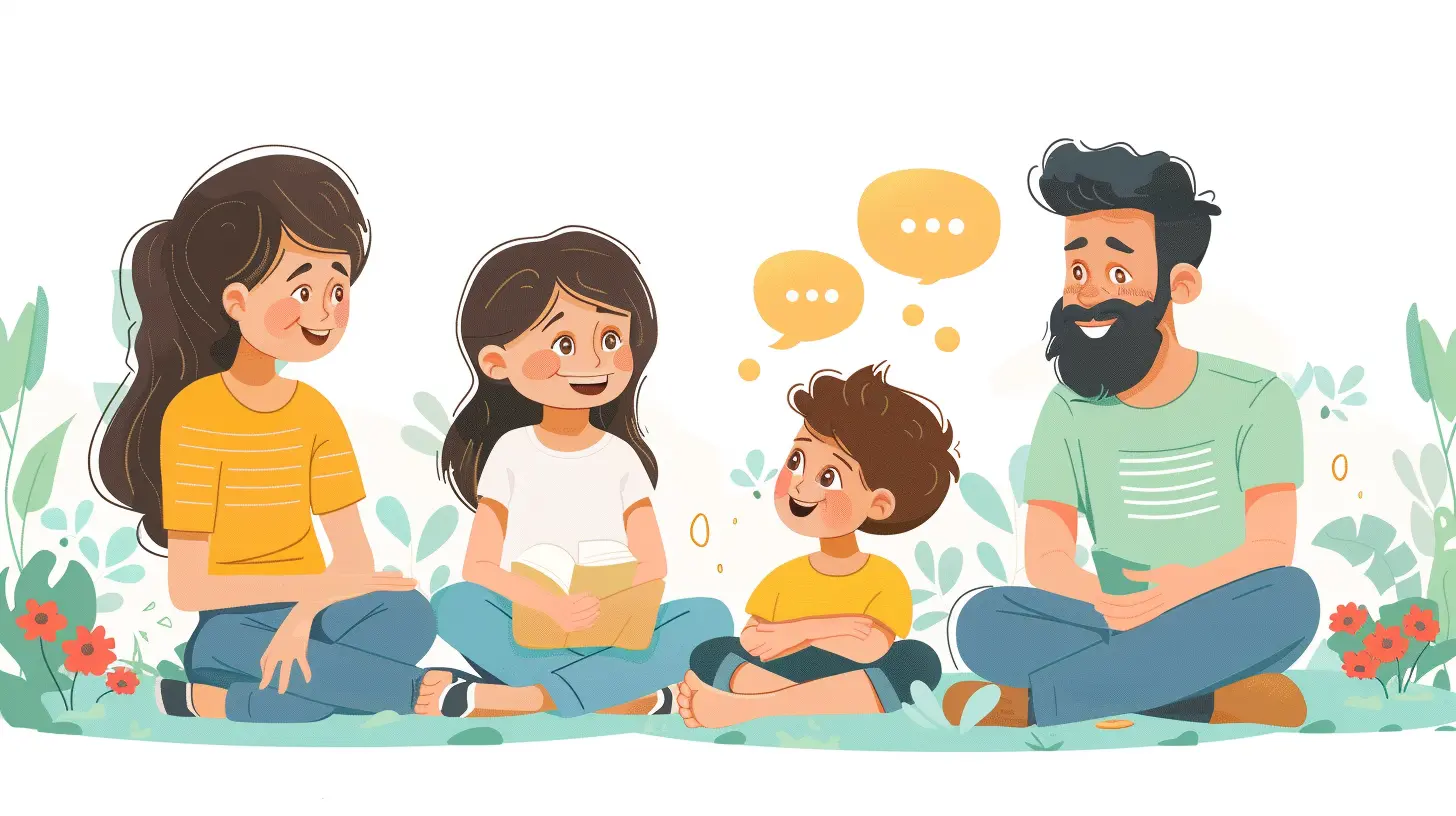
Start the Conversation in the Right Setting
Timing is key when it comes to talking to your kids. You can’t expect them to open up while they’re glued to a video game or during an argument with their sibling. Pick the right moment, when both of you are relaxed.Think of it like planting a garden—seeds (conversations) grow best when the soil (your environment) is well-prepared.
Find Natural Moments
The best moments to have meaningful conversations are often when you least expect them. Maybe it's during a long car ride, or while you're preparing dinner together. These casual moments can feel less forced, making it easier for your child to open up.Be Mindful of Body Language
Sometimes, it's not what we say but how we say it. Ensuring that your body language is open and inviting can make a world of difference. Are you crossing your arms? Looking elsewhere when they're talking? These little things can signal to your child whether you're truly open to listening.
Asking the Right Questions
You know what they say—you get answers based on the questions you ask. If you regularly fire off generic questions like "How was school today?", you're probably going to get lifeless, generic responses. Instead of asking questions that have dead-end answers, ask open-ended ones that spark real dialogue.Instead of "How was school today?", ask:
- "What was the best part of your day?"- "Did anything surprise you today?"
- "What’s something you learned that made you think?"
These types of questions require more than just a "yes" or "no" or "fine" in response and encourage your child to think beyond their routine.
Follow-Up
Don't just stop after asking one question. Follow up with another, but be gentle. For example, if your child says they had a tough day because of a misunderstanding with a friend, avoid jumping into problem-solving mode. Instead, ask more about how that situation made them feel and what they think could help. This gives them the chance to work through the issue on their own, with your guidance.Be a Role Model for Open Communication
Kids learn by watching us. If they see that you're open, vulnerable, and communicative, they'll be more likely to do the same. This doesn’t mean you need to share every detail of your personal life with them, but you can let them in on your world in small ways.Share Your Own Experiences
Ever notice how much easier it is to connect with someone when they share something personal about themselves? When appropriate, share stories from your own life. Maybe you had a tough situation at work, or you made a mistake and learned from it. This not only opens the door for deeper conversations but also shows that it’s okay to have struggles and talk about them.Admit When You're Wrong
Let's be honest: no one likes admitting when they're wrong. But showing your child that you're capable of apologizing and taking responsibility sets a strong example. Perhaps you snapped unfairly during a stressful moment—own up to it. This teaches humility and reinforces the idea that it's okay to admit fault and talk things out.Be Patient and Consistent
Fostering open communication with your kids doesn't happen overnight. It's a continuous practice and requires patience. If your attempts feel like they’re not working at first, don't get discouraged. Every child is different—some kids are naturally chatty, while others are more reserved. What's important is that you show consistency. Be there, listen, and engage, and eventually, those walls will start coming down.Just as you wouldn’t expect a plant to bear fruit the day after planting a seed, don’t expect immediate results. Trust the process.
Don’t Push Too Hard
It’s easy to get frustrated if your child isn’t responding the way you hoped, but pushing too hard can backfire. If they don’t feel like talking, don’t force them. Let them know you’re there when they are ready. Sometimes, just holding space is all they need. When they feel the pressure is off, they might come to you on their own.Age-Appropriate Communication Tips
Lastly, it’s essential to tailor your approach depending on your child’s age. The way you communicate with a 5-year-old is going to be very different than how you'd talk with a teenager.For Young Children (Ages 3-6):
- Keep your questions simple and concrete.- Use stories and play to teach them about feelings.
- Encourage them to draw or play out their emotions.
For School-Age Kids (Ages 7-12):
- Ask them about their thoughts and feelings on specific topics (friendships, school).- Use books, movies, or TV shows they like to start conversations and ask for their opinions.
- Allow them more independence in conversations, respecting their growing sense of self.
For Teenagers (Ages 13+):
- Let them take the lead on topics—they have more opinions, so let them work through ideas.- Don’t shy away from big topics like mental health, relationships, or societal issues.
- Offer advice sparingly; teens value autonomy and making their own decisions.
Conclusion
Building open, honest communication with your kids is a lifelong journey, not a pit-stop before tackling other parental duties. It takes time, patience, and most importantly, consistency. But believe me, it’s worth it. When your child feels comfortable coming to you about small things, they’ll be more likely to turn to you for support when bigger problems arise. And remember, it’s not about having perfect conversations every time—it’s about creating a space where they know they can talk, no matter what it’s about.By listening without judgment, asking thoughtful questions, and modeling the kind of openness you want to see, you're setting the stage for something truly invaluable—a stronger bond with your child, built on trust and communication.
all images in this post were generated using AI tools
Category:
Communication With KidsAuthor:

Kelly Snow
Discussion
rate this article
2 comments
Kirk Young
Great article! Fostering open conversations with kids is crucial for building trust and understanding. Encouraging questions and active listening can make a significant difference in their willingness to share thoughts and feelings.
April 24, 2026 at 3:47 AM
Kelly Snow
Thank you for your thoughts! I completely agree-open conversations really do lay the foundation for trust and connection.
Niko Reed
Open conversations build trust; nurture them daily!
April 14, 2026 at 3:15 AM
Kelly Snow
Absolutely! Consistent, open dialogue is key to building trust with your kids. It creates a safe space for them to express themselves.