How to Get Picky Eaters to Enjoy Healthy Foods
5 July 2026
Let’s be real: getting a picky eater to enjoy healthy foods can feel like negotiating world peace. You’ve tried everything—threats, bribes, sneaky recipes—but that plate of broccoli always comes back untouched. It's exhausting, right? Truth is, picky eating is a phase (albeit an annoying one) most kids go through. But before you throw your hands in the air and cave to a diet of chicken nuggets and mac ‘n’ cheese, let’s talk solutions. Spoiler alert: it’s not impossible to help your picky eater embrace healthy foods without a full-on dinner war. You just need the right strategies, patience, and a little creativity.
In this article, we’re diving deep into tried-and-tested strategies for getting your little one to, well, eat their greens without turning mealtime into a battlefield. Grab a cup of coffee, mom or dad—this one's for you.
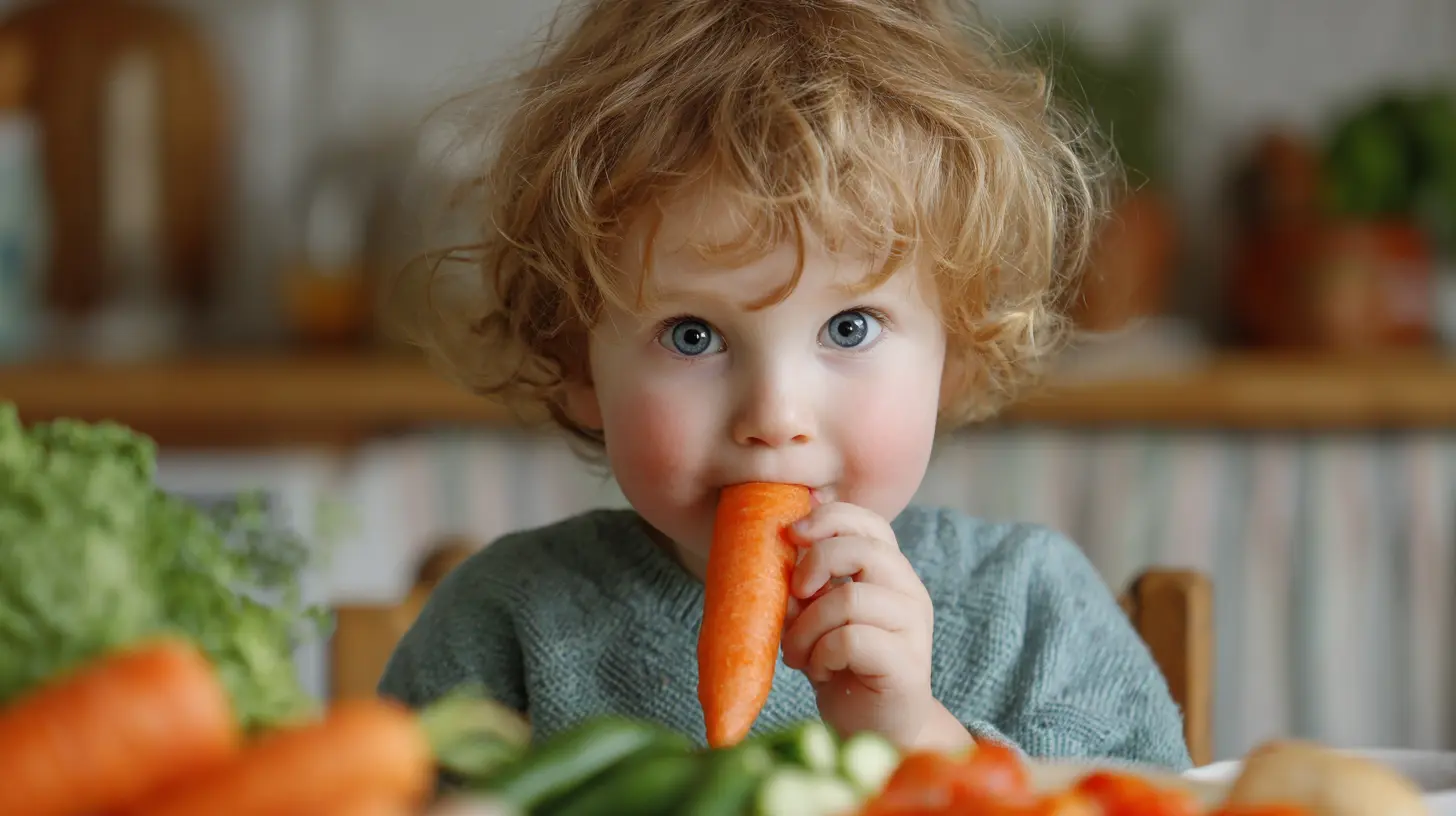
Understanding Picky Eating: Why Are They So Stubborn?
Before we dive into strategies, let’s take a step back and ask: why are kids so resistant to healthy foods in the first place? Well, for starters, young taste buds are hypersensitive. What tastes mildly bitter to us might taste horrible to them. Combine that with texture aversions, fear of the unfamiliar, and a desire to assert independence, and you’ve got the perfect storm for food battles.But picky eating isn’t all bad—it’s actually a natural survival instinct. Back in the caveman days, being cautious about new foods kept kids from eating random berries that could poison them. Obviously, your kale salad is not a toxic berry, but evolution doesn't know that. So, don't worry—it’s not personal.
Now that we’ve cleared the air, let’s get into actionable tips to make healthy foods more appealing.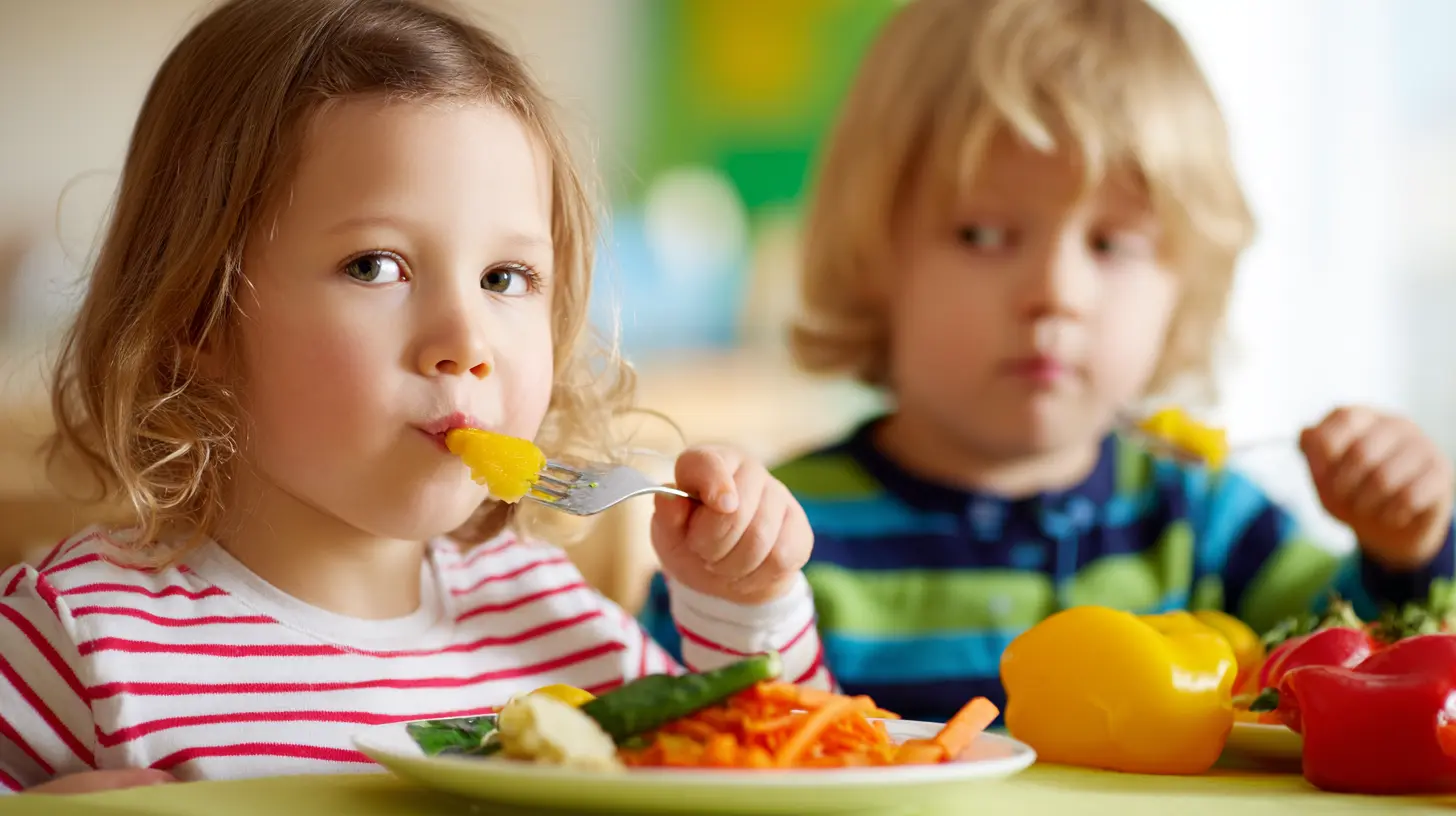
1. Lead by Example
You can't expect your kid to chow down on steamed spinach if you're reaching for potato chips. Monkey see, monkey do, right? If you want your kids to eat healthier, the first step is to model the same behavior. Load your plate with colorful veggies, and make it obvious that you’re loving every bite.Pro Tip:
Make family meals a priority. When everyone sees you enjoying healthy dishes, it sends a strong message that these foods are both normal and delicious.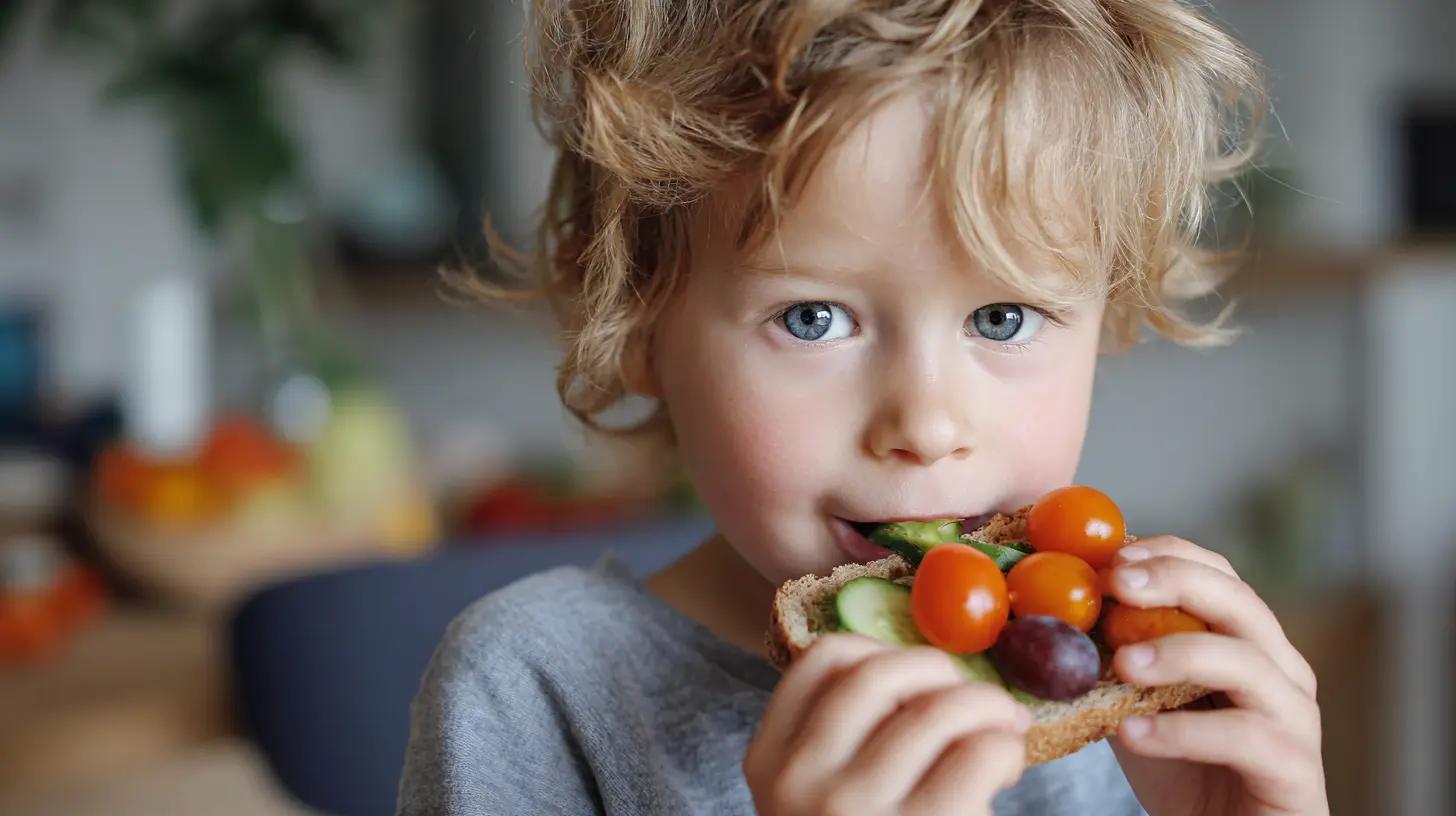
2. Strive for Fun, Not Perfection
Kids are naturally drawn to anything fun and whimsical. A plain plate of sliced cucumbers? Boring. But cucumber slices shaped like stars? Now that’s cool. Presentation matters, especially when you're dealing with tiny humans. Turn mealtime into an adventure with colorful, visually appealing plates.Some Ideas:
- Arrange fruits and veggies into smiley faces or animals.- Use cookie cutters to shape sandwiches or fruits into stars, hearts, or other fun designs.
- Make veggie kabobs with bright bell peppers, cherry tomatoes, and cheese cubes.
It's not just about the nutrients—it's also about making mealtime enjoyable.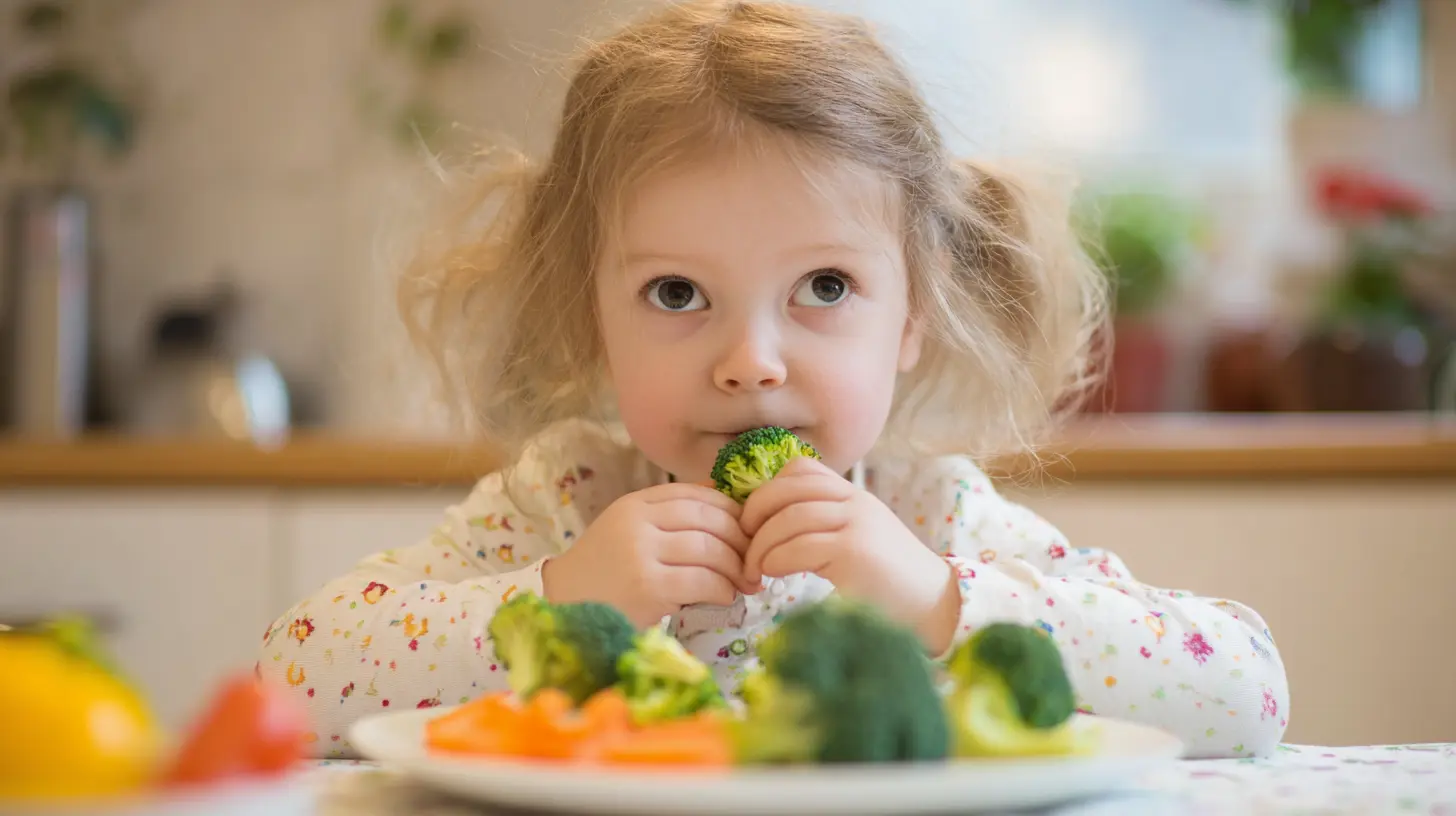
3. Get Them Involved in the Kitchen
Have you ever noticed how proud kids get when they create something? Use this to your advantage! Let your child play sous chef in the kitchen. When they’re part of the process—whether it’s washing veggies, stirring, or even just picking out a recipe—they’re far more likely to eat the finished product.Simple Tasks for Kids:
- Washing fruits and veggies- Mixing batter or tossing salads
- Arranging toppings on a homemade pizza
- Choosing which veggie to include in a dish
Cooking together not only makes healthy eating less intimidating but also helps them feel invested.
4. Sneak in Nutrients... Sometimes
Look, not every battle needs to be fought on the front lines. Sometimes, sneaky wins are necessary. Incorporating hidden veggies into favorite dishes is an excellent way to boost nutrient intake without drama.Ideas for Sneaky Nutrition:
- Blend spinach or cauliflower into fruit smoothies (they won't even notice!).- Add puréed carrots or zucchini to pasta sauces.
- Bake muffins with shredded veggies like carrot or zucchini.
- Mix finely diced veggies into meatballs or burgers.
But, and this is important, don’t rely on this strategy forever. The goal is to eventually normalize the sight and taste of these foods.
5. Offer a Variety (and Don't Give Up!)
Kids might reject a food today, but that doesn’t mean they’ll hate it forever. It can take up to 15 (yes, 15!) exposures to a new food before a child warms up to it. The key is persistence—without pressure. Serve a small side of the "scary" food again and again in different ways.Try This:
- Serve veggies raw one day and roasted the next.- Switch between different seasonings or dips.
- Experiment with different cooking methods, like steaming, grilling, or air frying.
Remember, the goal isn’t to force-feed—it’s to gently familiarize.
6. Ditch the Pressure
Nothing kills a kid’s appetite faster than being forced to eat something they don’t want. Instead of bribing, threatening, or begging, take a laid-back approach. Offer a variety of foods, and let them choose what they want to eat (from the options YOU provide). Giving them control helps reduce power struggles at the dinner table.Replace:
- “You HAVE to eat your veggies before dessert.”With:
- “You don’t have to eat anything you don’t want, but this is what’s for dinner.”When the pressure is off, kids are more likely to explore foods on their own terms.
7. Make Dipping the Star of the Show
If there’s one thing kids love, it’s dipping. Somehow, dunking carrots into hummus or apple slices into peanut butter makes eating healthy foods 10x more exciting. Plus, dips can mask certain textures or flavors that picky eaters typically reject.Kid-Approved Dips:
- Peanut butter, almond butter, or sunflower seed butter- Hummus (try roasted red pepper or garlic varieties for extra flavor)
- Ranch or yogurt-based dressings
- Salsa or guacamole
Add a bowl of dip to the table, and watch those veggies disappear.
8. Focus on the “Why”
Kids are naturally curious, so explaining why healthy foods are important can actually work wonders. Keep it simple and relatable, though—no need to dive into the science of macronutrients.For Example:
- “Carrots help you see in the dark like a superhero.”- “Spinach makes your muscles strong, just like Popeye.”
- “Strawberries give you energy to run faster on the playground.”
Make eating healthy foods feel empowering, not like a chore.
9. Keep Portions Tiny
Sometimes, a huge pile of broccoli can feel overwhelming for a picky eater. Instead of plopping a mountain of greens on their plate, start small—a single floret, a couple of slices. Tiny portions feel less intimidating, and they can always ask for more if they’re feeling adventurous.10. Celebrate Small Wins
Did your kid try a single bite of zucchini after months of refusal? That’s a win! Did they finish half a slice of apple? Take the victory and run with it. Change takes time, and celebrating small successes keeps the process positive.When All Else Fails, Stay Patient
Let’s face it: no matter how many strategies you try, there will still be days when your kid just won’t budge. That’s okay. Sometimes, the best thing you can do is take a deep breath and remind yourself that picky eating won’t last forever. The more positive experiences they associate with food, the more open they’ll eventually become.Remember, persistence is key—not perfection.
Final Thoughts
If you’ve made it this far, you’re already a rockstar parent. Getting picky eaters to enjoy healthy foods is no easy feat, but it’s absolutely possible with time, creativity, and patience. Don’t forget: this isn’t about turning your kid into the poster child for kale salads overnight. It’s about planting seeds for a lifelong healthy relationship with food.So hang in there, keep trying, and celebrate every tiny win. You’ve got this.
all images in this post were generated using AI tools
Category:
Healthy MealsAuthor:

Kelly Snow
Discussion
rate this article
1 comments
Weston McAndrews
If they can shove down pizza, they can munch on carrots. Just make it fun or call it "magic food"!
July 8, 2026 at 3:30 PM
Kelly Snow
Great point! Making healthy foods fun can definitely help kids try new things. "Magic food" sounds like a winner!