How to Introduce Whole Grains into Your Child’s Diet
12 December 2025
As parents, we always want the best for our little ones—healthy meals, a balanced diet, and the right nutrition to help them grow and thrive. But let’s be honest, getting kids to eat nutritious foods (especially whole grains) can sometimes feel like trying to convince a cat to take a bath.
Whole grains are packed with fiber, vitamins, and minerals that support digestion, brain function, and long-term health. However, if your child turns their nose up at anything that isn’t white bread or plain pasta, don’t worry—I’ve got you covered. Let’s talk about how to introduce whole grains into your child’s diet in a way that’s stress-free and (dare I say) enjoyable!
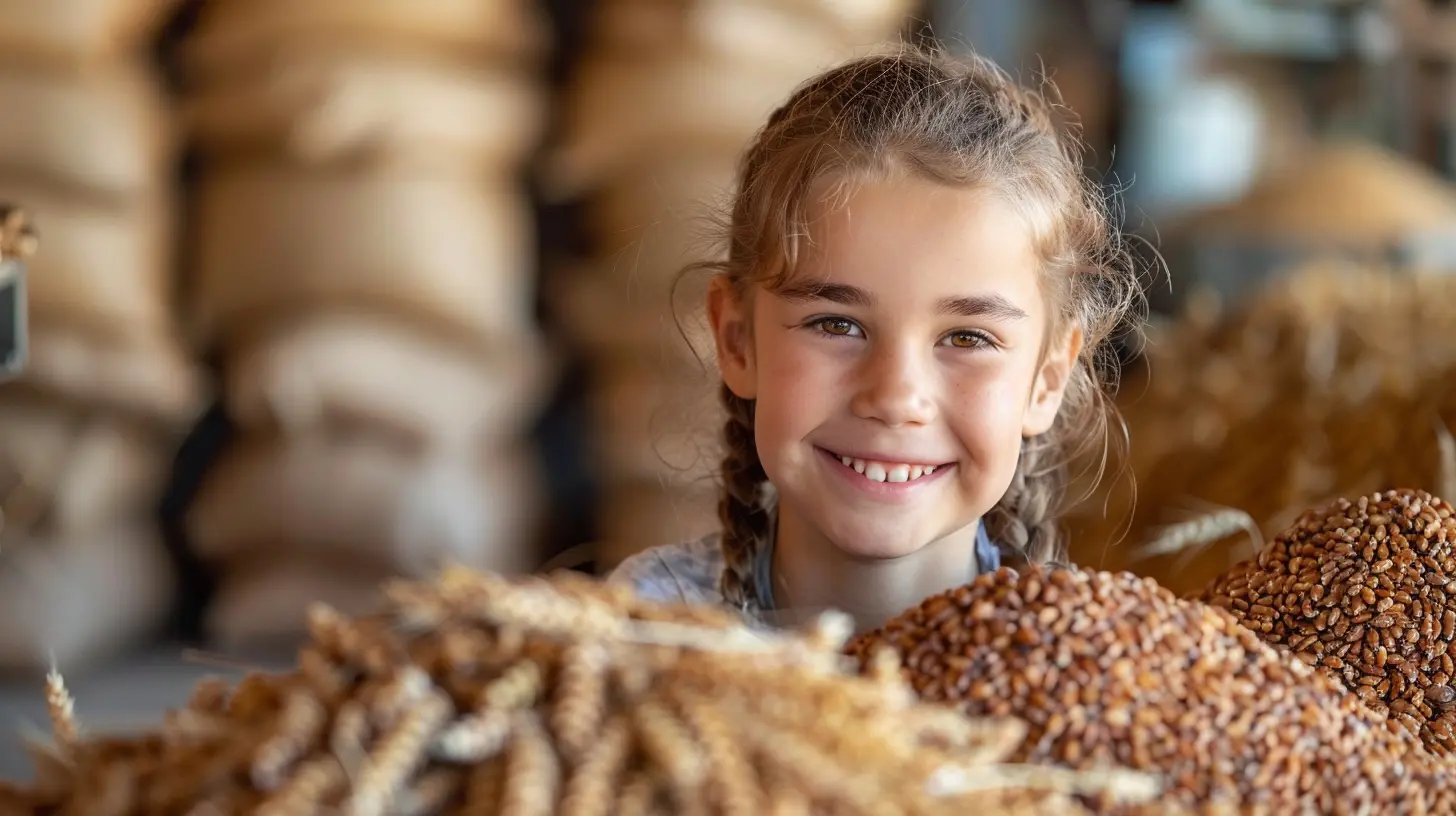
Why Whole Grains Matter
Before we dive into techniques, let’s break down why whole grains are so important. Unlike refined grains (which have had their nutritious bran and germ stripped away), whole grains contain all parts of the grain, making them a powerhouse of essential nutrients.- Fiber: Supports digestion and keeps tummies happy
- B Vitamins: Help with energy production and brain function
- Iron: Essential for growing bodies and preventing anemia
- Antioxidants: Support immunity and overall health
Making small swaps to include more whole grains can set your child up for better health, now and in the future.
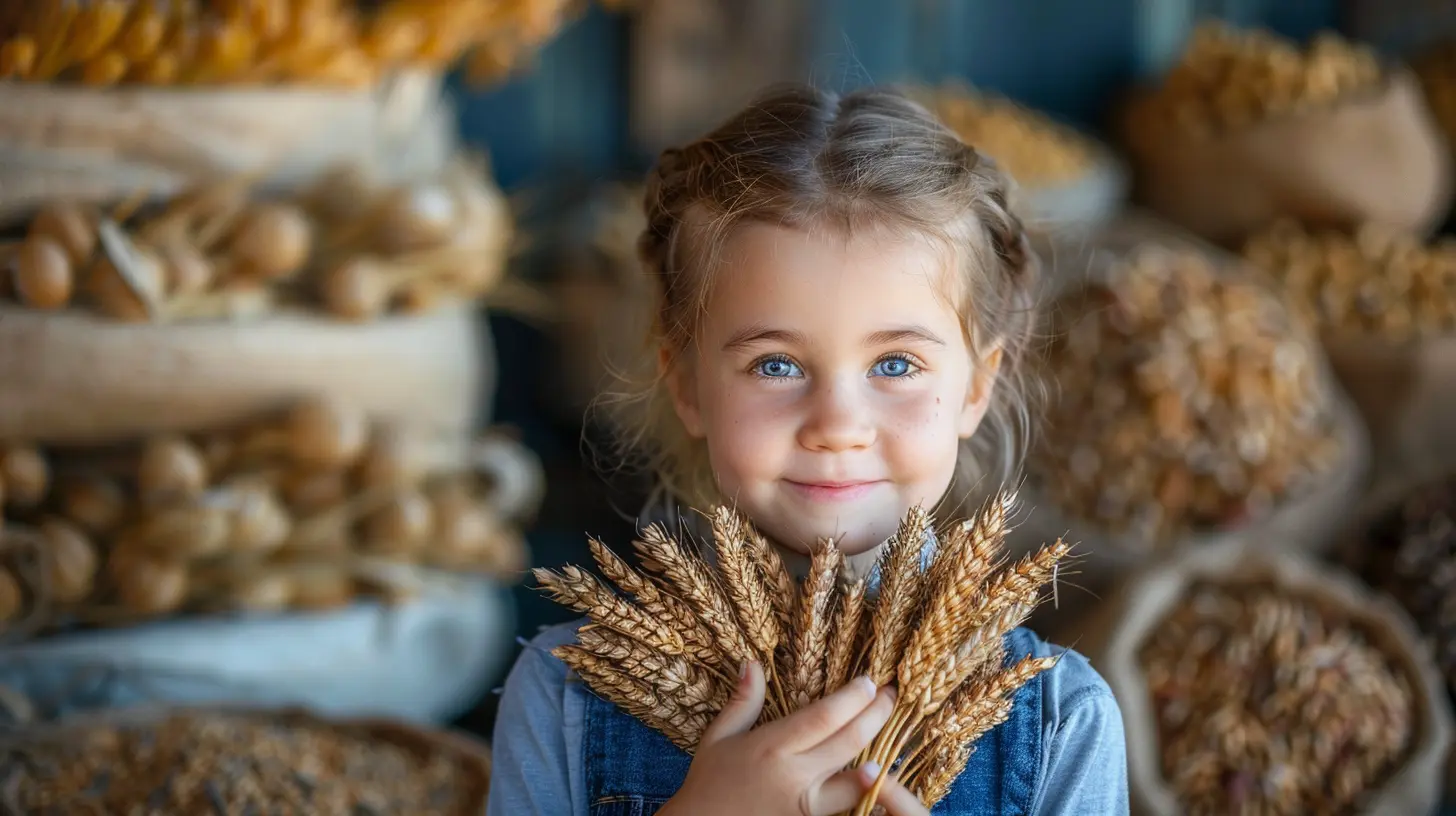
Start Slow: Small Changes Make a Big Difference
If your child is used to refined grains, a sudden switch to whole grains might cause some pushback. The trick? Start small!1. Mix and Match
Instead of replacing all refined grains at once, try mixing them with whole grains. For example:- Blend white and brown rice together
- Use half whole-wheat and half white flour in homemade pancakes or waffles
- Mix whole-grain pasta with their regular pasta
Over time, slowly increase the amount of whole grains until their taste buds adjust.
2. Go for Familiar Favorites
Instead of introducing exotic whole grains right away, start with foods your child already loves, just with a little tweak.- Swap white bread for whole-wheat bread (or go for a 50-50 blend)
- Choose whole-grain crackers and cereals
- Opt for whole-wheat tortillas instead of regular tortillas
Kids are more likely to accept something familiar than an entirely new and “strange” food.
3. Make It Fun and Engaging
Presentation matters—especially for kids. Get creative with how you introduce whole grains:- DIY Trail Mix: Let them mix whole-grain cereal with dried fruits and nuts
- Fun Shapes: Use cookie cutters to make whole-wheat toast or sandwiches more exciting
- Colorful Bowls: Serve quinoa or brown rice with vibrant veggies for a fun, rainbow effect
When food looks fun, kids are more likely to give it a try!
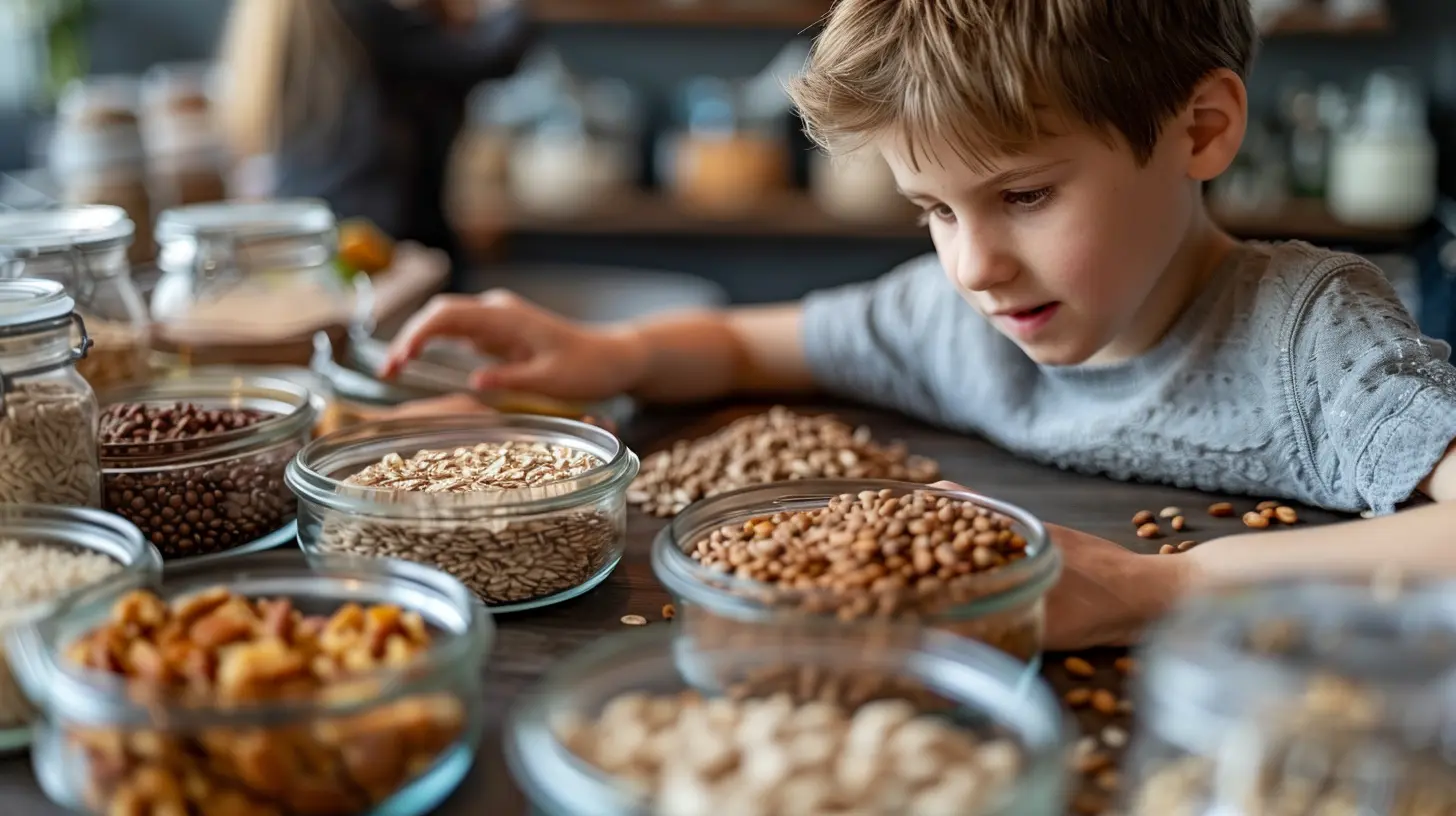
Be Sneaky: Hide Whole Grains in Their Favorite Foods
Not every meal has to be an obvious attempt to “be healthy.” Sometimes, the best strategy is to sneak in whole grains without them even noticing!1. Blend It In
- Add oats to smoothies for a fiber boost- Use whole-wheat breadcrumbs in meatballs and chicken nuggets
- Blend whole-grain flour into muffin or pancake batter
2. Disguise It in Soups and Stews
Adding barley, quinoa, or farro to soups and stews thickens them up while sneaking in whole grains. Bonus? The grains absorb the flavors and become almost undetectable!3. Try Whole-Grain Snacks
If your child loves snacks (and let’s be real, most kids do), make whole grains part of their snack routine:- Air-popped popcorn (a whole grain!) instead of chips
- Whole-grain granola bars instead of sugary ones
- Whole-wheat pita with hummus for dipping
By integrating whole grains into snack time, it becomes a natural part of their diet.
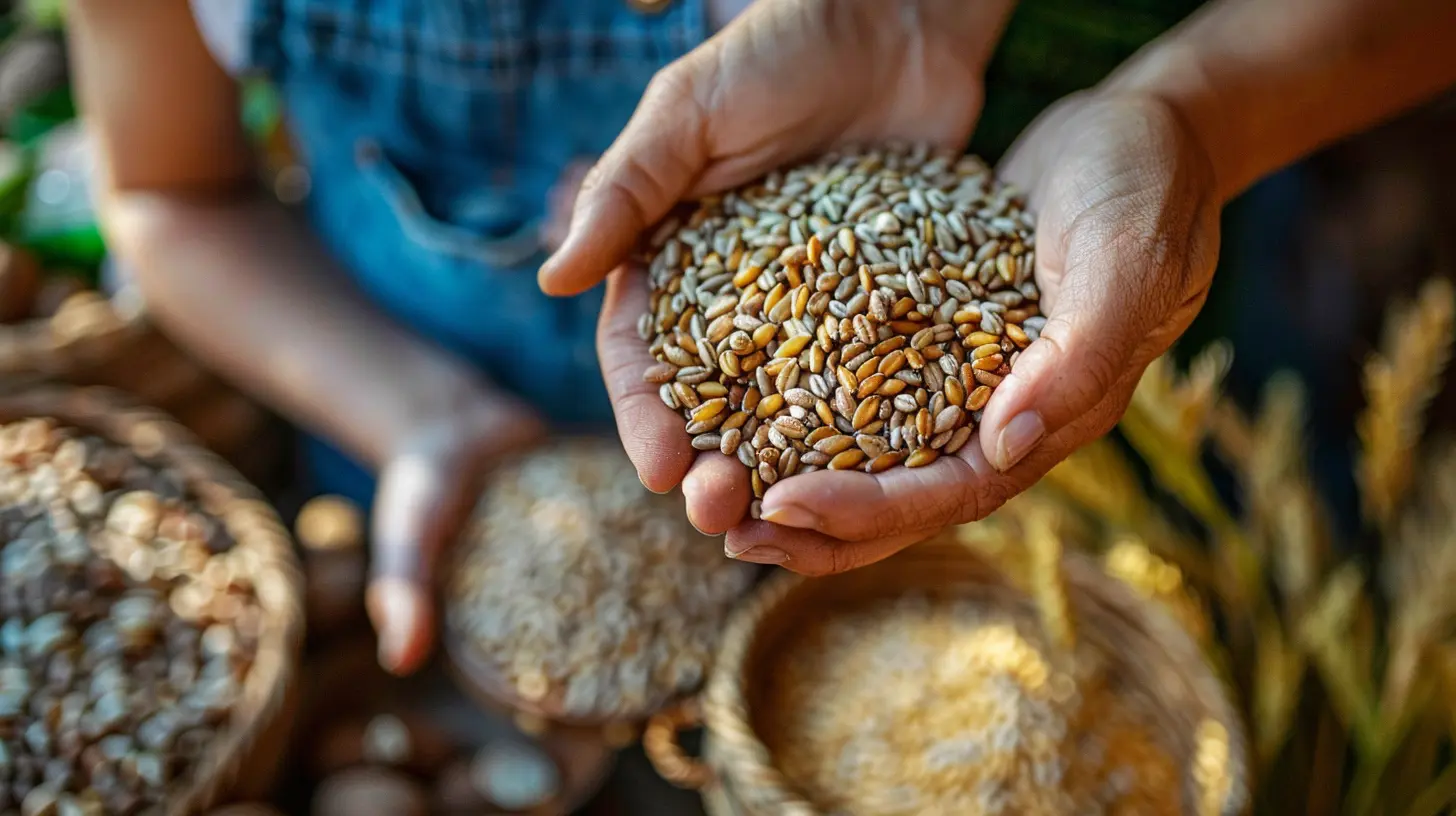
Get Your Child Involved
Kids are much more likely to eat something if they’ve had a hand in making it. Try involving them in the cooking process!1. Take Them Grocery Shopping
Let them pick out a whole-grain food to try. Maybe they’ll be curious about quinoa or want to taste a new kind of bread. Giving them a choice empowers them.2. Cook Together
- Have them stir oats while making oatmeal- Let them shape whole-wheat pizza dough
- Give them “official taste-tester” duties for whole-grain muffins
Cooking together makes them feel invested in the food, making them more likely to eat it.
Be Patient and Keep Trying
Here’s the thing—kids are notorious for rejecting foods the first time they try them. Or the second. Or even the tenth. But that doesn’t mean you should give up!1. Keep Offering Whole Grains
Studies show that kids may need to see a new food multiple times before they accept it. Just because they turn their nose up at whole-wheat pasta today doesn’t mean they won’t love it in a few weeks.2. Don’t Force It
Making mealtime a battle zone will only make both of you miserable. Offer whole grains, encourage them to try them, but don’t demand they finish their plate. Let them warm up to the idea naturally.3. Be a Role Model
Kids watch what we do more than what we say. If they see you enjoying whole grains, they’ll be more inclined to try them, too. So, grab that whole-grain toast or bowl of brown rice and eat alongside them!
Easy Whole-Grain Swaps for Everyday Meals
If you’re not sure where to start, here are some simple swaps to make whole grains a part of your child’s diet:| Instead of this… | Try this… |
|-----------------|-----------|
| White bread | Whole-wheat or whole-grain bread |
| White rice | Brown rice or quinoa |
| Regular pasta | Whole-wheat or chickpea pasta |
| Sugary cereal | Whole-grain, low-sugar cereal |
| White flour | Whole-wheat flour |
| Regular crackers | Whole-grain crackers |
These changes might seem small, but they add up over time to create a diet filled with fiber-rich, nutrient-packed goodness.
Conclusion
Introducing whole grains into your child’s diet doesn’t have to be a struggle. By starting slow, making gradual swaps, getting creative with meals, and involving them in the process, you can help them develop a lifelong love for wholesome foods.Every small step counts, and before you know it, you’ll find your little one munching on whole-wheat toast or happily slurping up a bowl of quinoa without a second thought. So, be patient, stay consistent, and most importantly—make it fun!
all images in this post were generated using AI tools
Category:
Healthy MealsAuthor:

Kelly Snow
Discussion
rate this article
2 comments
Kendra Snyder
Great article! Introducing whole grains can be a fun adventure for both you and your child. Small changes today can lead to healthier habits tomorrow!
December 18, 2025 at 5:05 PM
Kelly Snow
Thank you! I’m glad you enjoyed it. Embracing whole grains can definitely make mealtime more exciting for everyone!
Quorra Fletcher
Thank you for this insightful article! Introducing whole grains can be a challenge, but your practical tips make it much easier. I especially appreciate the suggestion to involve children in meal prep; it’s a great way to encourage healthy eating habits. Looking forward to trying these strategies with my family!
December 14, 2025 at 5:37 AM
Kelly Snow
Thank you for your kind words! I'm thrilled to hear you found the tips helpful. Involving children in meal prep really can make a difference. Enjoy exploring whole grains with your family!