How to Involve Kids in Healthy Cooking Decisions
15 June 2026
Getting kids involved in healthy cooking decisions is more than just a fun kitchen activity—it’s a way to teach them valuable life skills, boost their confidence, and encourage better eating habits. When kids have a say in what goes on their plates, they’re more likely to eat nutritious meals with enthusiasm. But how do you get them excited about it? Let's talk about the best ways to bring kids into the kitchen while making the process enjoyable and stress-free. 
Why Involving Kids in Cooking is Important
Before we jump into the how, let's talk about the why. Including kids in the cooking process has some fantastic benefits:- Encourages Healthy Eating – Kids are more likely to eat meals they helped prepare. When they see the effort that goes into cooking, they’ll appreciate food more.
- Teaches Life Skills – Knowing how to cook is an essential skill that will serve them well into adulthood.
- Boosts Confidence – When kids successfully contribute to a meal, it builds their confidence and gives them a sense of achievement.
- Strengthens Family Bonds – Cooking together creates precious family moments. It’s a great way to bond while also having fun.
- Enhances Learning – Cooking involves math (measuring ingredients), science (understanding how food changes while cooking), and even reading (following a recipe).
Now that we know why it’s beneficial, let’s dive into the best ways to make it happen! 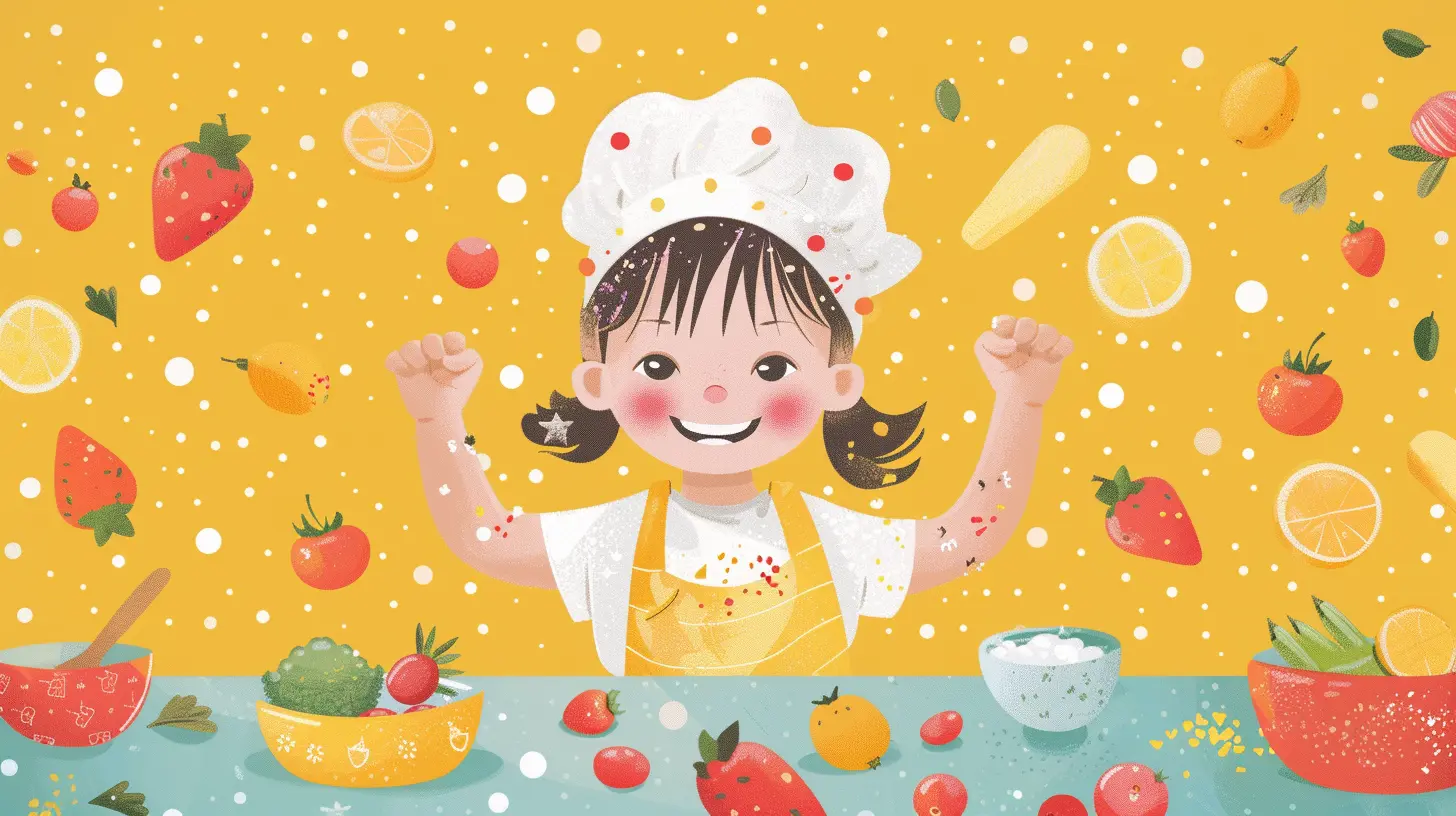
1. Start with Meal Planning
Kids love having a say in things, and meal planning is the perfect place to start. Instead of just surprising them with dinner, involve them in deciding what’s on the menu.Tips for Including Kids in Meal Planning
- Give them a few healthy options and let them pick. For example, ask, "Would you like baked chicken with veggies or a veggie stir-fry?"- Browse cookbooks or food blogs together and let them choose a new recipe to try.
- Show them how to create a balanced meal by including proteins, veggies, and healthy carbs.
- Let them help write the grocery list so they feel involved in the entire process.
By allowing kids to participate in planning, they feel more invested in the meal, making them more excited to cook and eat it. 
2. Take Them Grocery Shopping
Once the meal is planned, take your kids along on a grocery shopping adventure. This is the perfect opportunity to teach them about different foods and how to make healthy choices.Fun Ways to Engage Them at the Store
- Give them a mission – Assign them a task like finding the ripest avocados or picking a colorful selection of fruits and veggies.- Talk about ingredients – Explain why whole foods are better than processed ones. For example, compare the ingredients in packaged snacks versus fresh fruits.
- Let them choose – Ask them to pick a new vegetable or fruit they’ve never tried before. This way, they feel like explorers on a food discovery journey.
Making grocery shopping an interactive experience helps kids understand where their food comes from and why making healthy choices matters. 
3. Assign Age-Appropriate Cooking Tasks
Now, onto the fun part—cooking! Depending on their age, kids can take on different kitchen tasks. Giving them responsibilities makes them feel like an important part of the process.Cooking Tasks by Age
Toddlers (2-4 years)
- Washing fruits and vegetables- Tearing lettuce for salads
- Stirring ingredients in a bowl
- Helping set the table
Young Kids (5-7 years)
- Measuring and pouring ingredients- Using a butter knife to spread peanut butter or jam
- Cracking eggs (with assistance)
- Mixing batter or dough
Older Kids (8-12 years)
- Chopping soft ingredients with a kid-safe knife- Cooking simple dishes with supervision
- Following simple recipes
- Grating cheese and peeling veggies
Teens (13+)
- Chopping, sautéing, and handling kitchen tools with more independence- Cooking full meals with little supervision
- Experimenting with flavors and recipes
Giving kids tasks suited to their age ensures they stay engaged without feeling overwhelmed.
4. Make Cooking Fun and Creative
Kids thrive on creativity, so why not turn cooking into a fun activity rather than a chore?Ideas to Make Cooking More Enjoyable
- Turn it into a game – Challenge them to create a dish using three random healthy ingredients.- Decorate the food – Let them arrange their plates in fun shapes or create smiley-face pancakes.
- Have a mini cooking show – Pretend you're both on a cooking show and narrate what you're doing.
- Play music and dance – Turn cooking into a dance party with their favorite tunes.
The more fun they have in the kitchen, the more likely they are to develop a lifelong love for cooking and healthy eating.
5. Encourage Taste Testing and Experimentation
One of the best ways to get kids to try new foods is by involving them in the tasting process.Ways to Get Kids Interested in Taste Testing
- Let them try individual ingredients as you cook and describe the flavors.- Create a "taste test challenge" where they guess different spices or flavors.
- Ask for their opinion on seasonings—"Do you think this needs more garlic?"
- Encourage them to tweak recipes and make them their own.
When kids have control over flavors, they feel more connected to the meal and are more willing to eat it.
6. Teach Them Basic Nutrition in a Fun Way
Kids don’t need a nutrition lecture, but they do need to understand what makes food healthy.How to Teach Nutrition Without Being Boring
- Use the "Eat the Rainbow" approach – Explain that different colored fruits and veggies help different parts of the body.- Introduce the "Superhero Food" concept – Show them that certain foods make them strong and give them energy.
- Let them compare labels – Teach them how to identify added sugars and unhealthy ingredients in packaged foods.
Making nutrition fun and interactive helps kids make healthier choices independently.
7. Celebrate Their Cooking Successes
No matter how small, celebrate their efforts in the kitchen! Compliment their chopping skills, presentation, or creativity.Ways to Celebrate Their Efforts
- Have a "Chef of the Day" reward system where they get to pick a family movie or activity.- Take pictures of their creations and build a "Junior Chef" album.
- Allow them to serve the meal to the family and take pride in their work.
When kids see their contributions being appreciated, they’re motivated to keep trying new things in the kitchen.
8. Be Patient and Embrace the Mess
Cooking with kids can be messy and take longer than doing it yourself, but that’s part of the process!How to Keep the Experience Positive
- Accept that spills and messes will happen—it's all part of the fun.- Focus on the process, not perfection. If the pancakes are a little lopsided, who cares?
- Praise effort over results—encourage them even if the dish didn’t turn out perfectly.
Cooking is a learning experience, and the more fun it is, the more likely they’ll continue participating.
Final Thoughts
Involving kids in healthy cooking decisions isn’t just about getting them to eat better—it’s about giving them confidence, teaching valuable skills, and creating beautiful family moments. By making cooking fun, educational, and hands-on, you're setting them up for a future of healthy eating and independence.So, next time you’re in the kitchen, invite your little chefs to join in. You’ll be surprised at how much they enjoy the process—and the delicious meals that come out of it!
all images in this post were generated using AI tools
Category:
Healthy MealsAuthor:

Kelly Snow
Discussion
rate this article
1 comments
Peyton Vance
Encouraging kids in the kitchen sparks creativity and builds healthy habits. Together, you can make nutritious choices fun!
July 5, 2026 at 2:49 AM
Kelly Snow
Absolutely! Cooking together not only teaches kids about nutrition but also makes healthy eating exciting and engaging.