How to Manage Soreness and Pain After Vaginal Delivery
29 April 2026
Giving birth is one of the most powerful and awe-inspiring experiences a woman can go through. But let's be real — it’s also downright exhausting, messy, and yes, painful. Whether it's your first baby or your third, recovering from a vaginal delivery comes with its own set of aches, twinges, and "Why does it hurt when I sneeze?" type of moments.
In this guide, we’re going to dive deep into how to manage soreness and pain after vaginal delivery — in simple, honest terms. No sugarcoating.
So grab a cup of tea (or that lukewarm coffee sitting on the counter), find a comfy seat, and let’s talk post-birth healing.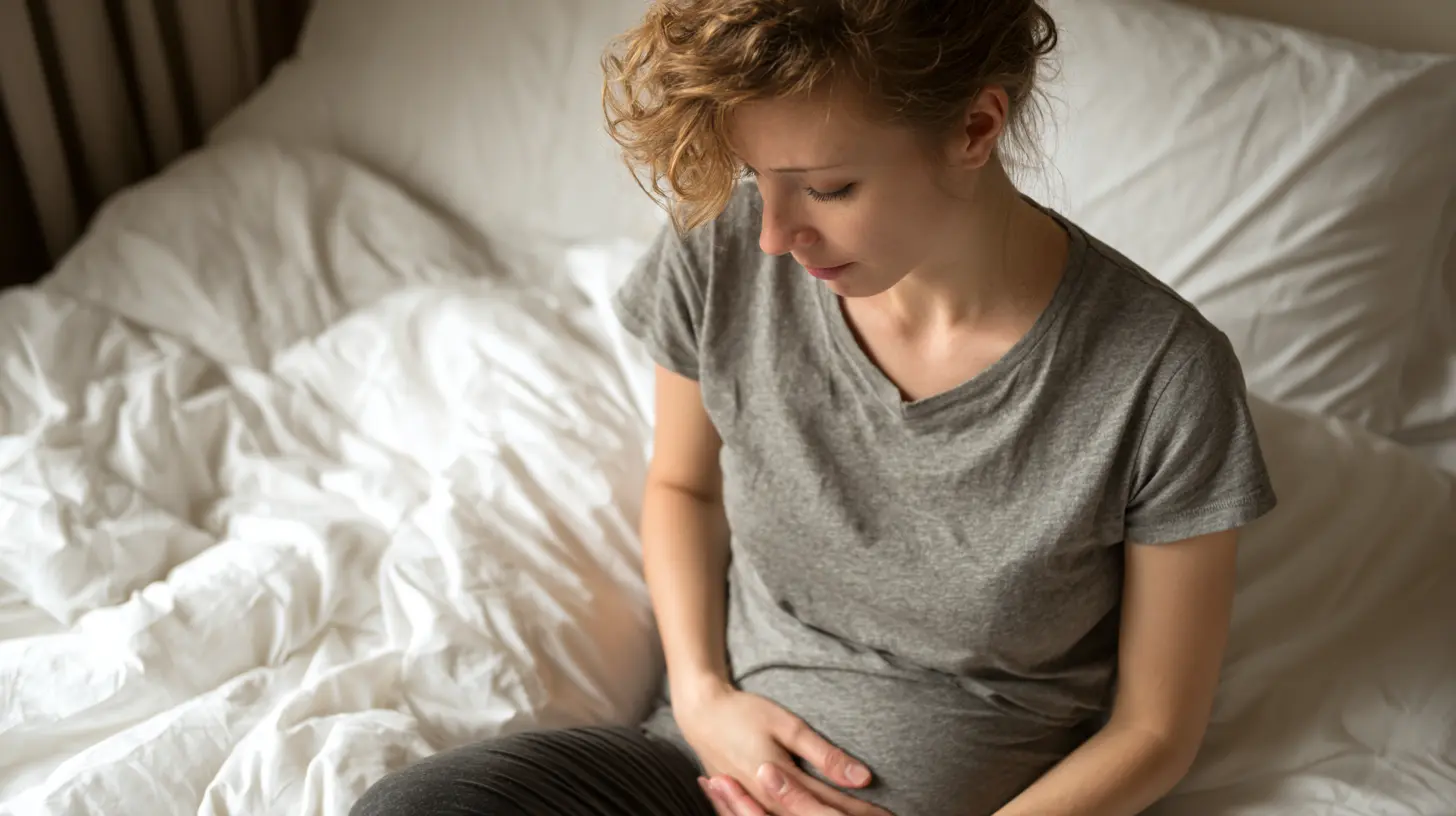
Understanding Postpartum Pain: What’s Normal?
First things first — some discomfort after pushing a tiny human out of your body is totally, 100% expected. In fact, your body goes through more in a few hours of labor than most people do in a week at the gym. You’ve earned that soreness.Here’s what you might experience:
- Perineal Pain: The area between your vagina and anus (the perineum) can feel sore, especially if you had a tear or episiotomy.
- Cramps (Afterpains): These are your uterus shrinking back to its pre-pregnancy size. They can feel like strong menstrual cramps and often worsen during breastfeeding.
- Vaginal Soreness: Even if you had no tearing, the muscles and tissues have been through the wringer.
- Swelling and Bruising: Common immediately after birth due to pressure and pushing.
Now, let’s get into how you can actually handle all of this like the rockstar you are.
1. Rest and Recovery: Don’t Try to Be Superwoman
I know — easier said than done. But really, giving your body time to rest is the foundation of healing.Here’s Why Rest Matters:
Your body just completed a marathon (with no training, might I add) and now it’s repairing torn tissues, reducing inflammation, and adjusting hormone levels. When you try to "bounce back" too quickly, you’re actually slowing this process down.Tip:
- Nap when baby naps (yes, you've heard it a million times, but it's real advice).- Let someone else handle the dishes, the laundry, and the “What’s for dinner?” questions.
2. Ice Packs and Cold Compresses: Your New BFFs
Cold therapy is a game-changer for reducing swelling and numbing sore areas.How to Use:
- Wrap an ice pack (or a frozen pad) in a soft cloth.- Place it on your perineum for 10–20 minutes at a time.
- Repeat every few hours during the first 24–48 hours postpartum.
You can even make your own DIY "padsicles" by soaking maxi pads in a mix of water, aloe vera gel, and witch hazel, then freezing them.
Sounds weird? Maybe. But your future self will thank you.
3. Sitz Baths: Soak the Soreness Away
A sitz bath is basically a mini bath for your bottom — and it’s magical.Soaking your perineal area in warm water can:
- Soothe pain and itching
- Promote healing
- Reduce swelling
- Keep the area clean
How to Do It:
- Use a sitz bath kit over your toilet or use a shallow tub.- Fill with just enough warm water to cover your perineum.
- Soak for 15–20 minutes a few times a day.
- Pat dry gently (no rubbing!).
Add Epsom salts or witch hazel for extra healing power — just make sure whatever you use is doctor-approved.
4. Keep Things Clean: Hygiene, but Make It Gentle
After a vaginal delivery, keeping your downstairs clean is crucial — but your usual soap-and-scrub routine won't cut it.Tips:
- Use a peri bottle (a squirt bottle) to rinse with warm water after peeing.- Pat dry with soft toilet paper or a clean towel.
- Change pads often to prevent infection.
- Skip scented soaps or wipes.
Remember: Treat your perineum like you would a healing wound — because it is.
5. Pain Relief Medication: It’s Okay to Take Them
You’re not expected to be a martyr. Over-the-counter pain relievers like ibuprofen or acetaminophen are usually safe and effective for postpartum soreness.A Few Notes:
- Always follow dosage instructions.- If you’re breastfeeding, double-check with your doctor or midwife.
- Don’t try to “tough it out” if you’re in real pain.
Pain can interfere with your bonding, breastfeeding, and even your sleep — so managing it helps you AND your baby.
6. Stool Softeners: Trust Me, You’ll Need Them
Let's talk about the bathroom — specifically, that terrifying first poop after birth.Due to muscle strain, sore tissues, and general fear, many new moms avoid bowel movements.
But you’ve got to go sometime, and a stool softener can make this process a lot less scary.
What Helps:
- Drink plenty of water.- Eat fiber-rich foods (think fruits, veggies, whole grains).
- Take a stool softener if your doctor recommends it.
Avoid straining at all costs. Seriously. Your perineum will thank you.
7. Watch for Signs of Trouble
Most postpartum discomfort is normal — but not all pain should be ignored.Call Your Doctor If:
- Pain gets worse instead of better after a few days.- You notice foul-smelling discharge.
- You have a fever over 100.4°F (38°C).
- There's pus or unusual swelling in the vaginal area.
- You’re feeling dizzy or faint.
Your body knows when something is off. Listen to it.
8. Support Your Pelvic Floor: Begin Gentle Recovery
No, you don’t need to dive into intense workouts or start doing squats. But once your doctor gives the green light (usually around 6 weeks postpartum), easing into gentle pelvic floor exercises can help with healing.Start With:
- Kegel exercises: Tighten the muscles you'd use to stop urine flow. Hold for a few seconds, then release.- Deep belly breathing: Helps reconnect your core muscles.
These simple moves can help prevent long-term issues like incontinence or prolapse.
9. Breastfeeding Cramps: Ouch, Here's Why
Ever notice how your uterus cramps more when you nurse? That’s not a coincidence.Breastfeeding triggers the release of oxytocin — the same hormone that caused contractions — which helps your uterus shrink back down.
What Can Help:
- Take a pain reliever 30 minutes before feeding.- Use a heating pad on your belly.
- Practice deep breathing to relax through the cramps.
It’s uncomfortable, yes, but it also means your body is doing its job.
10. Emotional Support: Mental Pain is Real Too
Let’s not forget the emotional side of postpartum recovery.You’ve got hormones dropping like a rollercoaster, lack of sleep, and the immense responsibility of keeping a brand-new human alive. It’s a lot.
Check In With Yourself:
- Are you feeling sad, overwhelmed, or anxious more often than not?- Are you struggling to bond with your baby?
- Do you feel like something just isn’t right?
It could be more than the “baby blues.” Postpartum depression and anxiety are real — and treatable.
Talk to your healthcare provider. You're not alone, and there’s help.
Final Thoughts: Take It One Day at a Time
Healing after a vaginal delivery isn't linear. One day you may feel like you're getting your groove back, and the next you'll struggle just to sit comfortably. That’s normal.What matters is that you give yourself grace. Don’t compare your recovery to someone else’s highlight reel. Your body is doing something extraordinary — and it deserves patience, care, and rest.
So whether you're rocking mesh undies, icing your bottom for the fifth time today, or cautiously attempting your first postpartum poop, know this — you're doing amazing, mama.
all images in this post were generated using AI tools
Category:
Postpartum RecoveryAuthor:

Kelly Snow
Discussion
rate this article
2 comments
Zella Young
After vaginal delivery, it's crucial to prioritize self-care and recovery. Listen to your body, use ice packs, and explore pain relief options as needed. Don't hesitate to reach out for support from healthcare professionals or loved ones. Your healing journey matters, and you deserve to feel better.
May 28, 2026 at 4:48 PM
Kelly Snow
Absolutely, taking care of yourself after delivery is key. Listening to your body and seeking support can make a big difference in your recovery. Thank you for highlighting this important aspect!
Elowyn Shaffer
Loved this! My postpartum “sitting on a donut” phase was real, but these gentle tips would’ve been a lifesaver. Thanks for the honest, helpful advice!
April 30, 2026 at 3:07 AM
Kelly Snow
I'm so glad you found it helpful! Postpartum recovery can be tough, and I'm happy these tips resonated with you. Take care!