How to Talk About Family Values Without Lecturing
24 July 2026
Let’s face it—talking about family values can feel a bit like walking a tightrope. You want to emphasize what matters most to your family—honesty, kindness, respect, responsibility—but you don’t want your kids to tune you out halfway through. Or worse, roll their eyes like you’ve just aged 30 years in 30 seconds.
So, how can you chat about what’s important without sounding like the moral police? The key lies in conversations over lectures, connection over correction. In this article, we’ll dig into practical ways you can bring up family values without turning them into another “sit-down talk.”
What Are “Family Values,” Really?
Before we go further, let’s clear up what we mean by family values. No, it’s not just about rigid rules or strict ideals. Family values are the beliefs and behaviors your family agrees are important. They guide the way you treat each other and the way you tackle life’s challenges.Think honesty matters? That’s a value. Believe in helping others? That’s one, too. Want your kids to grow up kind, responsible, and resilient? Yep, values play a major role.
But here’s the thing—values aren’t taught in one conversation. They’re absorbed like a sponge over time.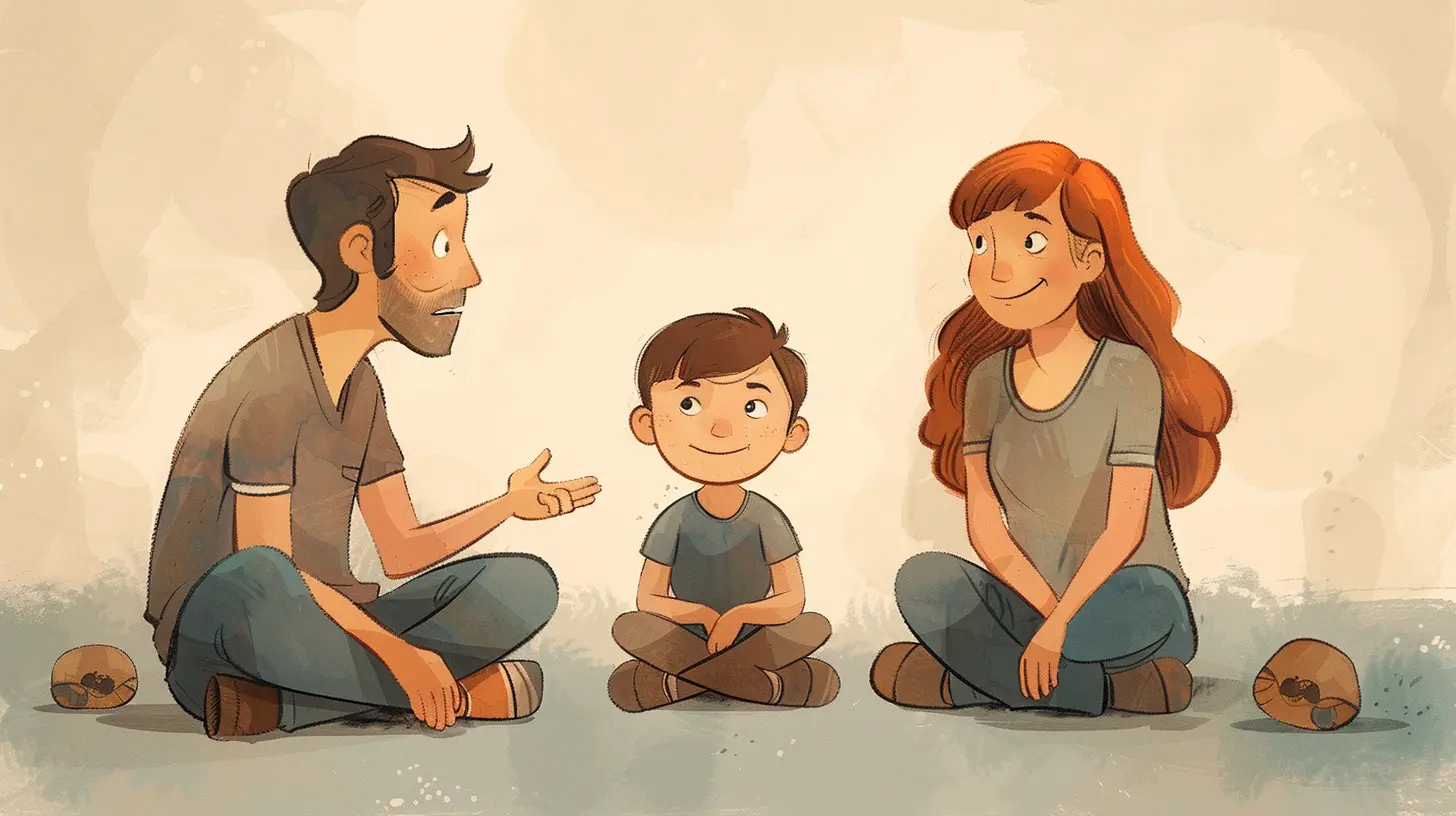
Why Lectures Don’t Work (And Might Do the Opposite)
Imagine this: You’re 10 years old, just spilled the milk, and your parent launches into a ten-minute tirade about the importance of responsibility.What sticks? Probably not the value of responsibility—just the fact that you really don’t want to bring up mistakes again.
Lectures feel preachy. They trigger defensiveness, boredom, or both. Kids might nod, but their minds are off building Lego cities or plotting their next snack heist. It’s not that they don’t care—it’s just not how they learn best.
Instead of lecturing, think storytelling, listening, modeling, and asking questions. Ready to ditch the long-winded talks? Let’s break it down.
1. Lead by Example (Yep, They’re Always Watching)
The truth? Your actions speak way louder than your words. If you keep harping on honesty but your child overhears you telling a “white lie” to get out of a commitment, guess what they’ll remember? Clue: It’s not your mini-lecture on truth-telling.Want your kids to understand compassion? Let them see you helping someone out without expecting anything in return. Want to teach responsibility? Let them watch how you handle your own mess-ups—with maturity and grace, not excuses and blame.
You’re the blueprint. Even when you think they’re not paying attention—they are.
> “Values aren’t taught, they’re caught.”
2. Share Real-Life Stories (Bonus Points for Personal Ones)
Kids love stories. They remember them. So instead of saying, “You should always stand up for what’s right,” why not tell them about a time when you did—maybe when it was hard?Stories create context. They're like little value bombs wrapped in emotion and meaning. Whether it’s something that happened to you as a kid, something in the news, or even a storybook with a moral, stories stick. They open doors to deeper conversations.
Tip: Don’t wrap every story in a bow. Let them ask questions. Let them figure out the lesson. Sometimes you don’t need to spell it all out. They’re smart like that.
3. Ask Thought-Provoking Questions
You don’t have to lecture when you can just ask smart questions that get your kids thinking. For example:- “How do you think your friend felt when that happened?”
- “What would you do if someone treated you like that?”
- “Is there a kinder way to say that?”
- “How would you want someone to support you in that situation?”
Questions put the ball in their court. They naturally lead to reflection—without you having to hammer home a message.
You’re not spoon-feeding them what to think. You’re helping them figure out how to think.
4. Create “Value Moments” in Everyday Life
You don’t need big speeches to talk about values. The opportunity is always knocking—in car rides, while folding laundry, over movie nights, during a walk.Saw a scene in a show where someone cheated or bullied someone else? Pause and chat:
> “Whoa, what do you think about that? Was that fair?”
Caught your child sharing their snack? Say something like:
> “Hey, that was really generous of you. I noticed that.”
These little moments, when stacked up, add up. They’re the bricks that build a strong values foundation—not a single, epic lecture.
5. Get Curious, Not Judgmental
This one’s huge. Let’s say your teen tells you about a classmate who was gossiping or cheating. Don’t jump in with:> “Well that’s wrong! That kid needs better parents!”
Instead, go with:
> “Hmm, why do you think they chose to do that? What would you have done?”
When you move from judgment to curiosity, you keep the dialogue open. You signal to your child that you’re someone they can talk to—without fear of being moralized.
Think of yourself like a coach, not a critic.
6. Use Pop Culture as a Springboard
Movies, TV shows, books, music lyrics—they’re full of messy value dilemmas. Use them!Watch a scene where a character lies to protect a friend? Hit pause. Start a conversation:
> “Do you think lying is ever okay? What would you have done?”
These discussions feel less personal, so kids are more likely to engage. It’s not about them—it’s about a character. And yet, they’re practicing the same moral reasoning.
7. Make Values a Two-Way Conversation
Let your kids weigh in. Ask them:- “What do you think our family stands for?”
- “What’s something that really matters to you?”
- “Are there values we should talk about more?”
When kids feel heard and respected, they’re more likely to internalize what you’re saying. They’ll feel like they’re part of shaping your family culture, not just passengers on the ride.
8. Model Grace Over Perfection
Want to raise kids who embody strong values? Show them that messing up doesn’t mean you're a bad person—it means you’re human.Apologize when you slip. Admit mistakes. Say:
> “I got really impatient today. That’s not how I want to communicate. I’ll do better next time.”
This teaches humility. It shows them how to take accountability without shame. That’s a real-life lesson they’ll carry far beyond your living room.
9. Use Family Rituals to Reinforce Values
Not every values talk has to be deep or spontaneous. Some of the most effective ones are woven into your routine.Try weekly family check-ins, gratitude circles at dinner, or bonding over community service. Use birthdays or holidays to reflect on growth and kindness.
These rituals become the rhythm of your home—the invisible thread that keeps your values front and center.
10. Focus on Connection Over Correction
Here’s your golden rule: Every values-based conversation should leave your child feeling closer to you—not distant or ashamed.If the goal is connection, not control, your message is more likely to land.
Instead of punishing a lie with a 30-minute guilt trip, try:
> “I understand why you might’ve been scared to tell the truth. Let’s figure out how we can handle this differently next time.”
Kids open up when they feel safe. Keep that emotional door propped open.
Final Thoughts
Talking about family values doesn't mean you have to put on your “Wise Parent Hat” and deliver some grand monologue. It’s not about being perfect or having all the right answers. It’s about consistency, connection, and being real.If you’re showing up, listening, modeling, and staying curious—you’re already doing the work.
Remember, you’re the guide, not the judge. So keep it calm, keep it casual, and when in doubt—just have the conversation. Even if it’s a messy one.
Because values aren’t taught in a day—they’re built moment by moment, conversation by conversation, heart to heart.
all images in this post were generated using AI tools
Category:
Communication With KidsAuthor:

Kelly Snow