Is Your Baby Teething Early? What You Should Know
26 July 2026
So, you’ve just barely settled into the rhythm of diaper changes, sleepless nights, and deciphering baby cries like a seasoned detective. Then suddenly—bam! Your little angel starts drooling like a St. Bernard and chewing on everything in sight like a teething puppy. Wait, what?! Is your baby teething already?
If you’re wondering whether it’s possible for your tiny, adorable, gummy-smiled baby to start teething way earlier than expected, the answer is: YES! But before you panic and start Googling “Is my baby part shark?”, let’s break it all down.
When Do Babies Typically Start Teething?
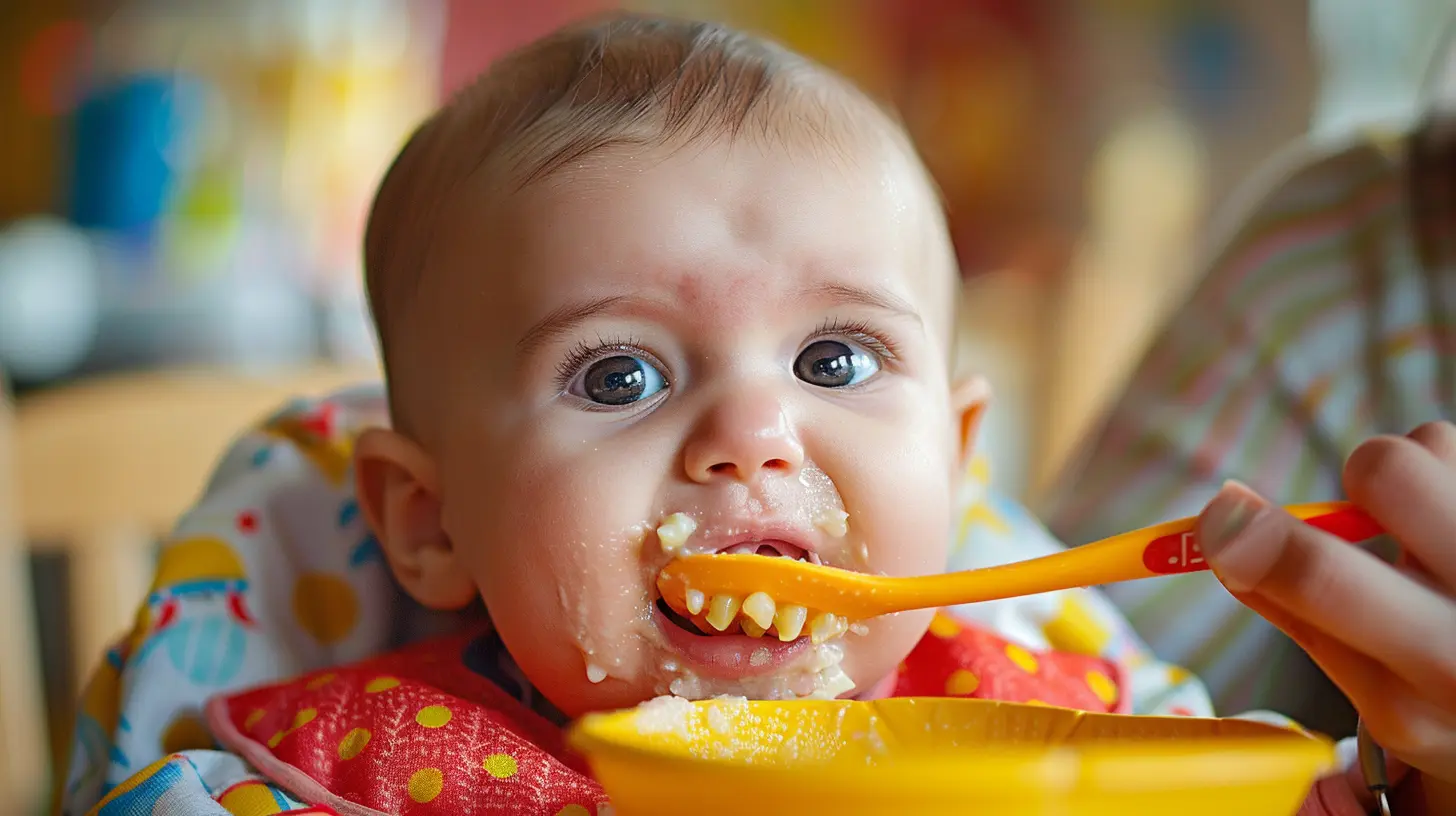
Most babies start teething around 6 months of age. That’s the general rule. But guess what? Babies don’t read the rulebook (shocking, right?). Some babies decide to sprout their first tooth as early as 2 or 3 months, while others hold onto their gummy smiles until after their first birthday.The truth is, every baby is different. Some are born with teeth (hello, vampire baby!), while others don’t get their first chomper until they’re well into toddlerhood.
Now, if your baby seems ahead of the teething game, you might be dealing with early teething. But why does this happen? And more importantly—how do you survive it without losing your sanity?
Why Do Some Babies Teethe Early?
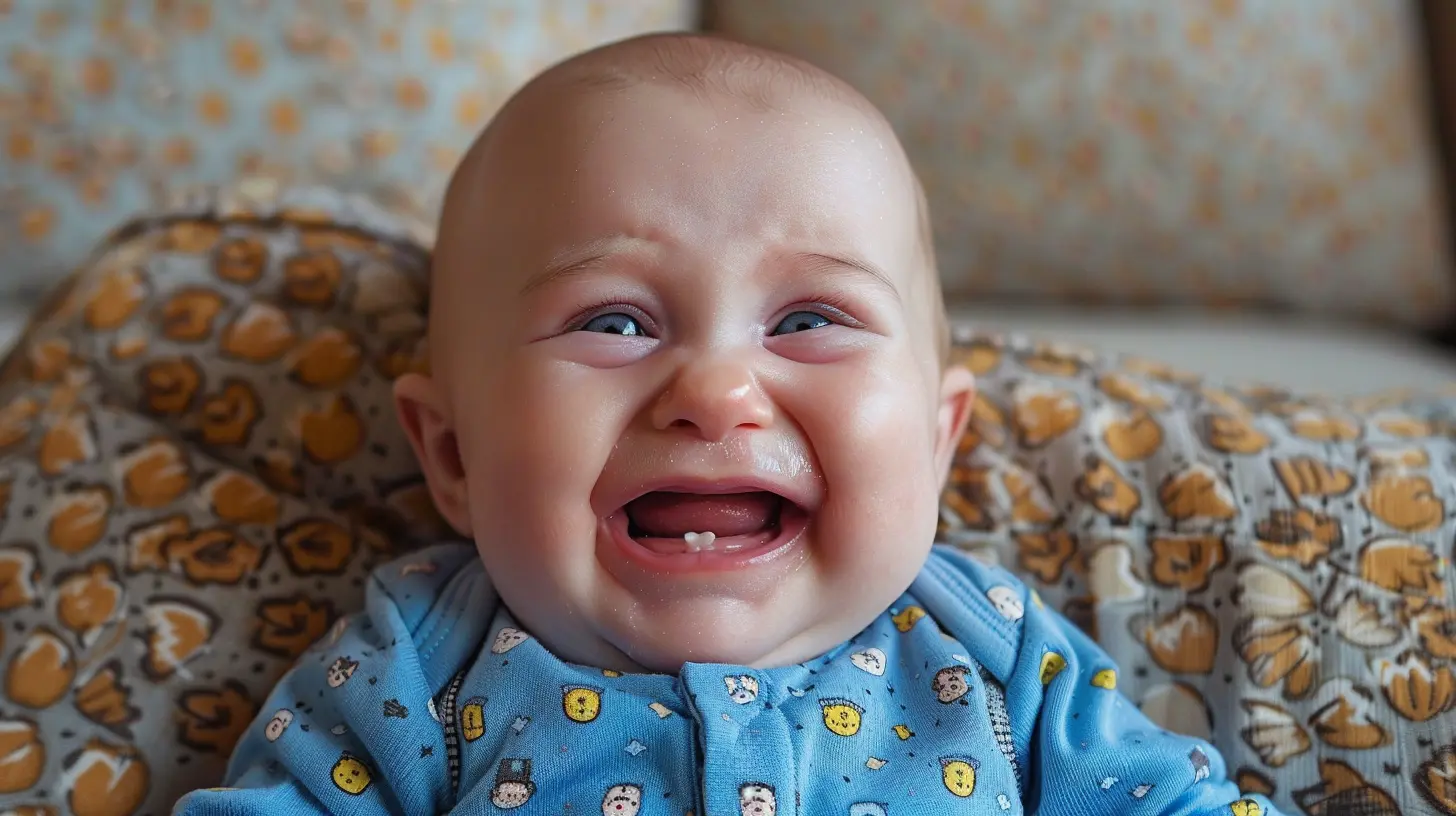
There’s no official reason why some babies teethe earlier than others, but here are a few possible explanations:1. Genetics (Blame Your Family!)
If you or your partner started teething early, there’s a good chance your baby will too. So, next time your little drool monster gnaws on your fingers, maybe call up Grandma and ask when you started teething.2. Hormones & Developmental Timing
Some babies develop faster in certain areas—teething included. Just like some babies roll over earlier than others or start walking at 9 months, teething can also kick in early for some little ones.3. It’s Just Random (Because Babies Love Surprises!)
Babies love to keep parents on their toes. So, if your little one’s teeth decide to make an early appearance, it’s just one of those things you can’t predict.
How to Tell If Your Baby Is Teething Early
If your baby is suddenly fussier than usual, it’s easy to blame teething. But how can you tell for sure? Here are some classic signs:1. Drooling Like a Waterfall
If your baby is soaking their onesie within minutes, you’re dealing with the classic teething drool fest. Get ready for bib life—you’ll need them 24/7.2. Chewing Everything in Sight
If your baby is gnawing on their hands, your fingers, toys, the couch, or even the family dog (poor thing), teething might be the culprit.3. Irritability & Fussiness
Teething hurts. If your usually happy baby is grumpy for no clear reason, those tiny teeth pushing through the gums might be to blame.4. Swollen or Red Gums
Gently feel your baby’s gums. If they’re swollen, red, or bumpy, a tooth is likely on its way.5. Changes in Sleep Patterns
If your baby was finally sleeping well (hallelujah!) and suddenly starts waking up more often, teething could be disturbing their sleep.6. Ear Pulling & Face Rubbing
Teething pain can sometimes radiate to the ears and jaw, so babies might tug at their ears or rub their faces when they’re uncomfortable.7. Loss of Appetite
Sore gums can make eating painful. If your baby suddenly seems less interested in nursing or their bottle, it could be teething discomfort.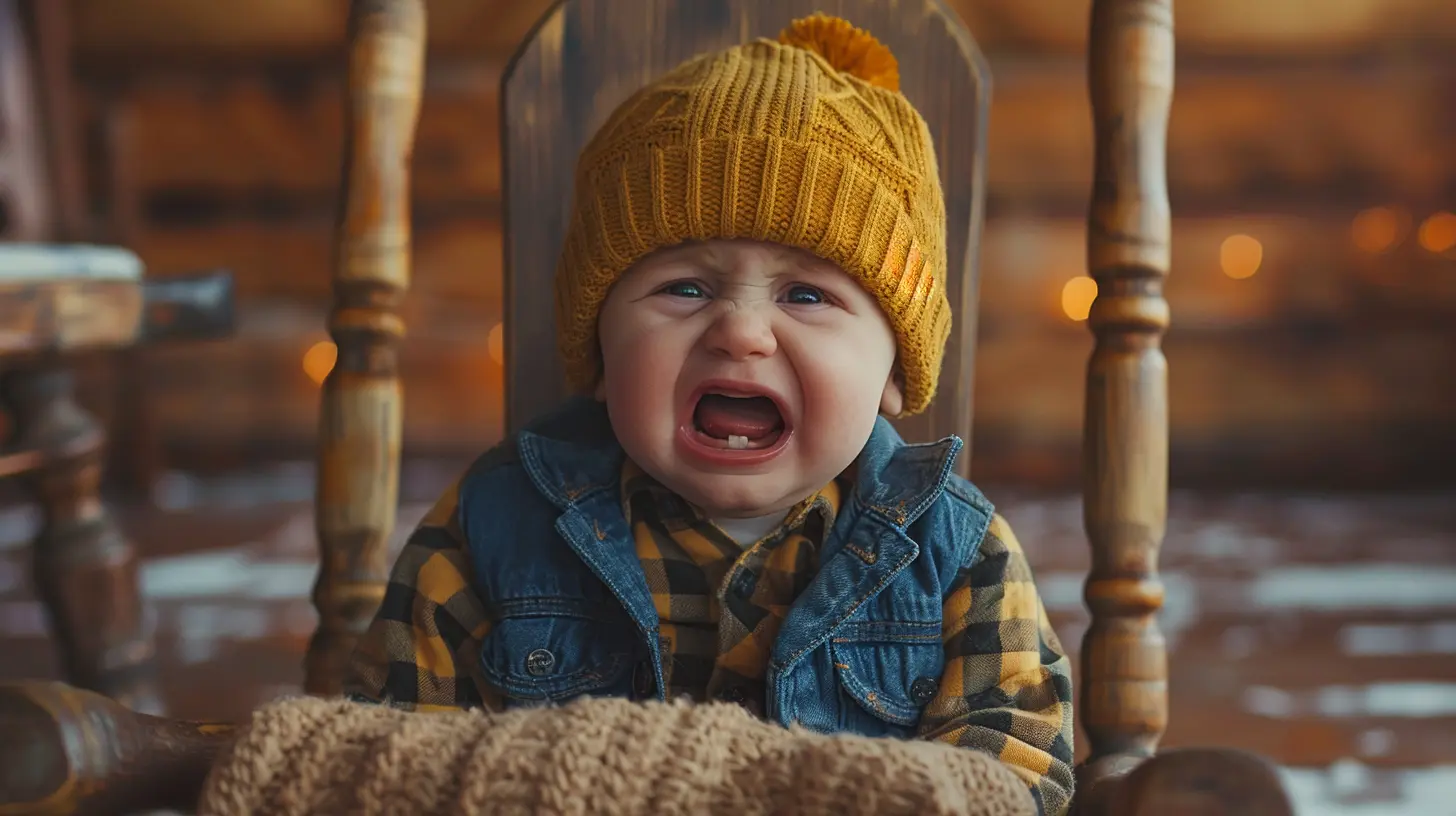
How to Soothe an Early Teething Baby
Okay, so your baby is teething way ahead of schedule. How do you help them (and yourself) survive this phase?1. Give Them Something to Chew On
Teething toys, silicone teethers, or even a cold, damp washcloth can provide relief. Just make sure whatever they’re chewing is baby-safe and clean.2. Use Cold for Relief
Cold helps numb sore gums. Try chilling a teether in the fridge (not the freezer). You can also give them a cold spoon to suck on or offer cold fruit if they’re eating solids.3. Massage Their Gums
Using a clean finger, gently rub your baby’s gums. It’s like a mini massage for their mouth, and it can help ease the pressure.4. Try Breastfeeding or Bottle Feeding for Comfort
Some babies nurse more when teething because sucking soothes them, while others refuse their bottle due to gum pain. Go with the flow and offer comfort however they prefer.5. Use Teething Gels Sparingly
Some pediatricians recommend natural teething gels or ointments, but always check with your doctor first. Avoid gels with benzocaine, which isn’t safe for babies.6. Distraction is Key
Sometimes, the best remedy is keeping your baby entertained. Play, sing, dance—whatever keeps them happy and redirects their focus.7. Pain Relief (If Needed)
If teething is truly unbearable and causing major disruptions, ask your pediatrician about baby-safe pain relievers like infant acetaminophen or ibuprofen (for babies over 6 months).Myths About Early Teething (Things You Should Ignore!)
1. "Early Teething Means Early Talking!"
Wouldn’t that be nice? But nope—teething has nothing to do with speech development. Sorry!2. "More Teeth = Smarter Baby"
Again, nice thought, but no. A baby with zero teeth at 1 year old can be just as brilliant as an early teether.3. "Teething Causes Fevers and Diarrhea"
Mild discomfort? Yes. High fevers and tummy troubles? Nope! If your baby has a fever over 100.4°F or terrible diarrhea, teething isn’t the cause—call your doctor.
When Should You Worry About Early Teething?
Early teething is usually completely normal, but there are rare cases when it might indicate an issue.Talk to your pediatrician if:
- Your baby was born with teeth (also known as natal teeth), which can sometimes cause feeding problems.
- Your baby’s teeth are coming in crooked or discolored.
- Your baby seems in extreme pain despite all attempts to soothe them.
The Bright Side of Early Teething
As exhausting as it is, early teething does have some perks. Think about it:- Your baby will get past the worst teething stages sooner than other babies.
- They’ll be ready for real food earlier (yay for snacks!).
- You’ll have bragging rights—“Oh, your baby’s just starting to teeth? Mine got their first tooth at 3 months. No big deal.”
Final Thoughts
Is early teething a challenge? Yes. Will you survive it? Also yes. Just stock up on teethers, bibs, and patience, and brace yourself for the drool apocalypse.And remember—this phase doesn’t last forever! Before you know it, that first little tooth will be flashing at you in a gummy grin, making all the fuss totally worth it.
all images in this post were generated using AI tools
Category:
Teething BabyAuthor:

Kelly Snow