Routines for Managing After-School Chaos
13 March 2026
Let’s be honest—those hours right after school can feel like a tornado hit your living room. Backpacks flying, shoes kicked off in six different directions, hungry little creatures rummaging through your pantry like they haven’t eaten in days. If you’ve ever looked around at 4 p.m. and thought, “What in the actual chaos is going on here?”—you’re not alone.
Managing after-school madness doesn’t require superpowers (though let’s face it, we deserve a cape). What it does take is a routine. I’m talking about a consistent, doable plan that keeps the post-school whirlwind from crashing into your sanity. Stick with me, and I’ll walk you through just how to wrangle those wild hours into something smoother—all while keeping your house and your head intact.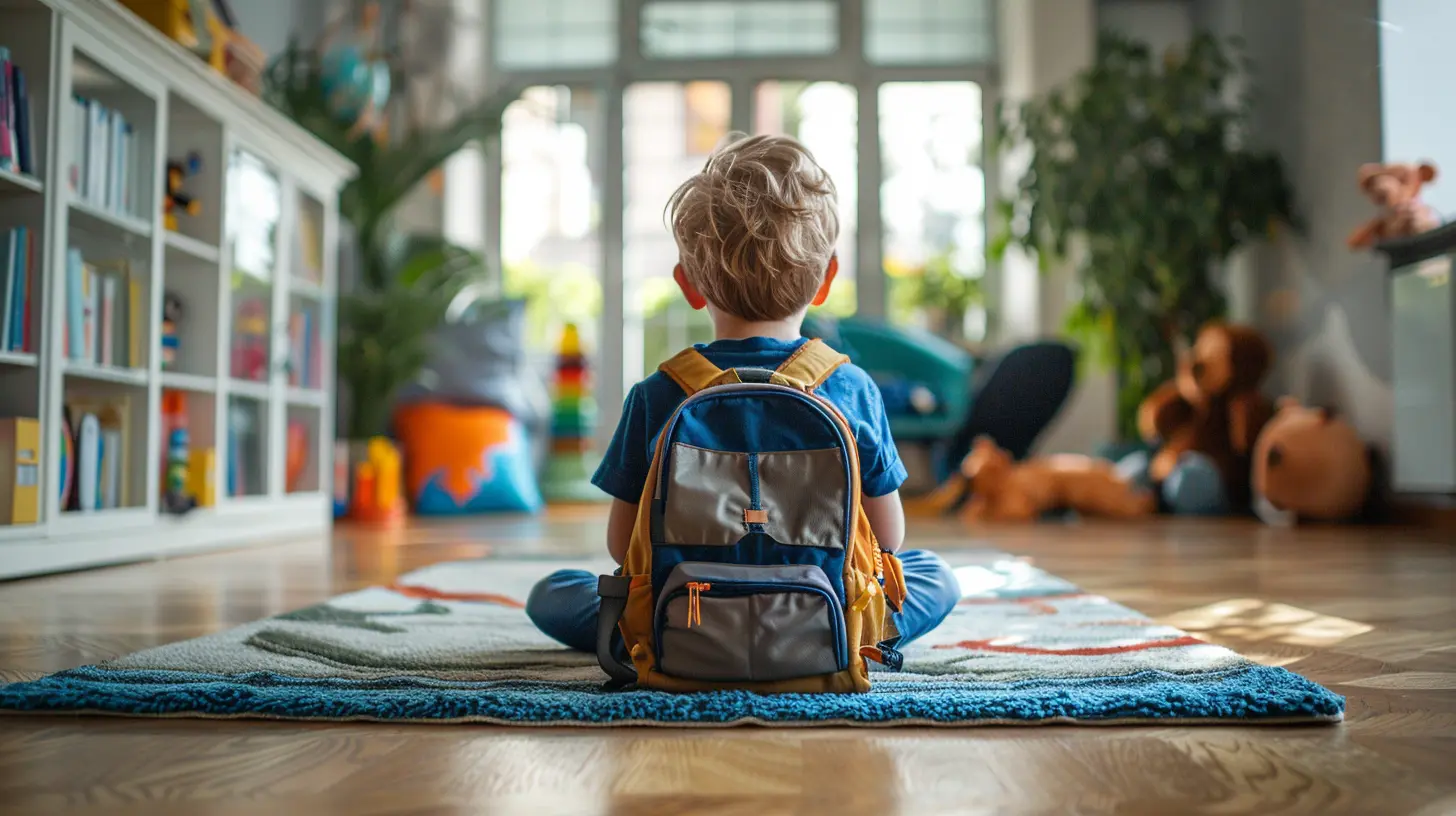
Why After-School Hours Feel Like a War Zone
It’s not just in your head. The time between school pickup and bedtime is prime time for meltdowns—both theirs and ours. Think about it. Your kids have just spent six or more hours following rules, focusing hard, and navigating social stuff. By the time they get home, they’re like little pressure cookers about to blow. Add in homework, snacks, extracurriculars, and the fact that they’re probably just plain tired, and boom—you’ve got chaos.But here's the good news: Routine is the antidote. Just like bedtime routines help kids wind down and sleep better, after-school routines help them transition from school mode to home mode. It gives them (and you!) a roadmap, so you're not just reacting in survival mode.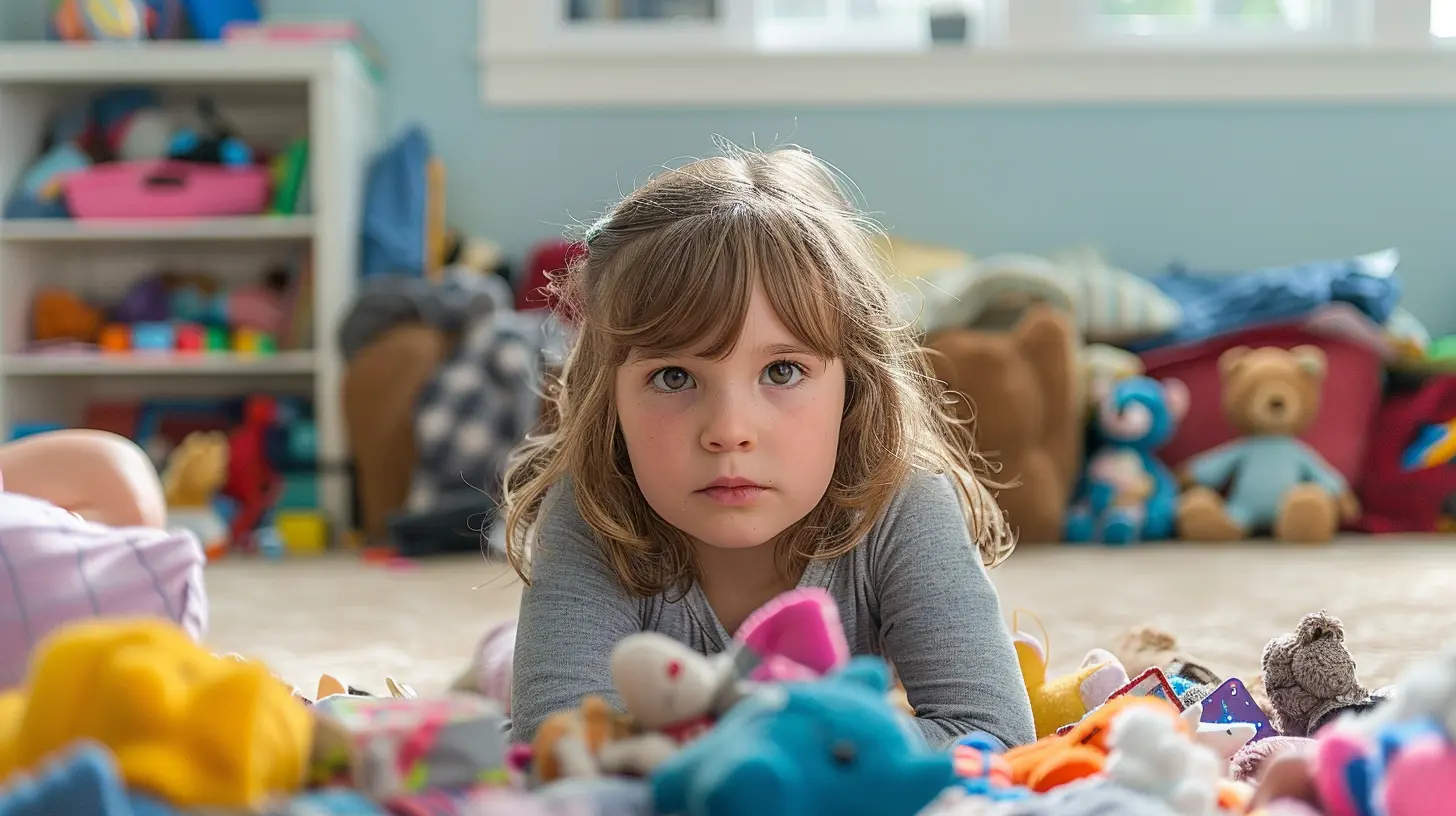
The Cornerstones of a Solid After-School Routine
Let’s break it down. The best after-school routines aren’t about rigid schedules or minute-by-minute plans. Instead, they’re about setting up simple, repeatable steps that make the 3 p.m. to 8 p.m. window more manageable. Here’s what that can look like:1. Start with a Calm Homecoming
The minute they walk in the door sets the tone for the rest of the evening. So ditch the chaos at the threshold.- Create a “landing zone”: Set up a spot for coats, shoes, backpacks, and lunchboxes. It doesn’t have to be fancy—a corner with hooks and baskets will do.
- Greet with connection: Eye contact + a quick hug or “Hey, tell me something good that happened today” can work wonders. Kids need that moment of bonding to reset.
It’s not about grilling them for a play-by-play of their day. It’s about helping them feel heard—which can defuse a lot of the tension they’re carrying.
2. Establish a Snack and Chill Routine
Let’s face it, hungry kids are cranky kids. And you? You’re probably not thrilled about the idea of hearing “I’m starving!” every two minutes until dinner.- Offer a predictable snack: Pick a few go-to options and rotate. Think fruit and cheese, yogurt and granola, peanut butter with apples, or air-popped popcorn.
- Set a snack station: Make it easy for older kids to serve themselves while you attend to the younger ones (or, let’s be honest, take five minutes to breathe).
- Allow some downtime: Let them unwind a bit. This could be reading, drawing, playing a quiet game, or (if screen time works for your family) a short episode of a favorite show.
This chill zone gives their brains a break—and actually helps them transition better into homework and evening activities.
3. Homework Happens… But With Boundaries
Ah, homework. The dreaded “second shift.” While it’s tempting to let them put it off, getting it out of the way early usually works best—before dinner, before TV, before everything spirals.- Set a designated homework window: Right after snack, carve out 30–60 minutes for school tasks. Keep it consistent.
- Create a distraction-free zone: A homework caddy (fully stocked with pencils, erasers, rulers) can make this easier. Or just a cleared-off kitchen table works fine.
- Be present but hands-off: Offer help if they’re stuck, but don’t do the work for them. Homework is about practice, not perfection.
Bonus tip? If you have multiple kids, stagger homework help so you’re not stretched too thin.
Customize Your Routine by Age Group
Not all routines are built the same. What works for your kindergartener won’t cut it for your middle schooler. Let’s break it down a bit:For Younger Kids (Ages 4-7)
- They need more guidance and visual cues. Picture schedules work wonders.- Offer choices: “Do you want your snack before or after we hang up your backpack?”
- Keep transitions smooth and predictable. Maybe use a fun timer or song to signal “homework time” or “clean-up time.”
For Tweens (Ages 8-12)
- They’re craving independence, so involve them in making their own routine.- Use checklists. Kids this age love ticking off tasks.
- Balance structure with flexibility. They might want music during homework, or prefer to do it in their room—if it works, let it roll.
For Teens
- They’re juggling more: harder schoolwork, social lives, maybe even part-time jobs.- Respect their time—but still set clear boundaries. For example, no phone until homework’s done.
- Encourage ownership: Ask them to design their own after-school strategy, then check in once a week to see what’s working.

The Magic of Planning Ahead
Want to reduce 90% of the after-school chaos? Prep ahead. It sounds basic, but it’s a game-changer.- Pack lunches and bags the night before: Mornings are nuts enough—don’t save it for 7 a.m.
- Lay out outfits (including socks and shoes, because let’s be real, those always go missing).
- Create a weekly calendar of sports, assignments, events—anything that requires a heads-up. Put it where everyone can see it.
When your kids know what's coming, there’s a lot less resistance. You're not nagging them—they’re anticipating expectations. That’s a big win.
Handling Activities and Overcommitment
Between soccer, piano, dance, and karate, many families run full tilt after 3 p.m. That’s okay in moderation—but overbooking can spell disaster.- Limit activities: Especially for younger kids, one or two per week is plenty.
- Build in buffer time: If you’re driving all over town, leave space for “nothing” time when you get home. That’s when connection and mental decompression happens.
- Keep dinners simple: Use your slow cooker, meal prep on Sundays, or rotate easy go-tos like taco night or pasta bowls.
Remember: Downtime is not a luxury. It’s necessary.
Managing Sibling Squabbles and Meltdowns
Yes, routine helps, but kids are still kids. There will be arguments, crankiness, and meltdowns. Here’s how to stay sane:- Anticipate rough patches: Expect that 5 p.m. might be meltdown o’clock and plan accordingly (early dinner, quiet time).
- Use gentle redirection: Instead of “Stop yelling!” try “Looks like you both need a break. Let’s reset.”
- Offer praise for cooperation: Catch them being kind or helpful and call it out. Positive reinforcement works wonders.
And most importantly? Breathe. You’re doing a great job—even when it doesn’t feel like it.
The Power of Consistency Over Perfection
Look—you’re not going to nail this every single day. Some days the routine will fall apart. Pizza will be dinner (again), homework will end in tears, and you’ll forget that one shoe still lives in the car.That’s okay.
Routines aren’t about perfection. They’re about reducing the chaos enough so that you’re not riding the 5 p.m. breakdown train every single night. The more consistent you are, the more your kids will settle into the rhythm. And the more they settle, the less you'll feel like you're just barely getting through.
Involve the Whole Family
A routine doesn’t have to be your solo project. Get your kids involved in shaping it:- Ask them what helps them feel calm after school.
- Let them decorate a routine chart.
- Involve older kids in helping younger ones stay on track.
When the whole family buys in, the routine becomes a shared system—not just another thing parents are yelling about.
Real-Life Sample Routine (Adjust as Needed!)
Here’s a sample after-school routine that many families find works well. Tweak it for your crew.3:30 p.m. – Arrival home, shoes/backpacks/lunchboxes put away
3:45 p.m. – Snack and decompress (talk, play, or screen time if allowed)
4:15 p.m. – Homework (with a timer if needed)
5:15 p.m. – Free time or extracurricular activities
6:00 p.m. – Dinner
6:45 p.m. – Chores / Tidy up
7:00 p.m. – Baths, reading, bedtime wind-down
8:00 p.m. – Lights out (or quiet reading time for older kids)
Again—flex it, mold it, and make it fit your life, not someone else’s.
Final Thoughts: From Chaos to Calm
After-school hours will never be completely calm. We're dealing with real human beings—with emotions, energy dips, and math homework-induced breakdowns. But with a little structure, some empathy, and a whole lot of snack options, we can transform the messiest part of the day into one that actually works.So, start small. Pick just one part of your routine to improve this week. Maybe it’s setting up a more peaceful arrival. Maybe it’s prepping those after-school snacks in advance. Whatever it is, take that first step—and pat yourself on the back. You’re not just managing chaos. You’re raising humans. And that’s no small feat.
all images in this post were generated using AI tools
Category:
Parenting RoutinesAuthor:

Kelly Snow
Discussion
rate this article
2 comments
Zayn McAdams
Great tips! Establishing routines can truly transform after-school chaos into quality family time. Embracing structure helps kids feel secure and parents feel more in control. Keep up the wonderful work! 🌟
March 23, 2026 at 3:57 PM
Kelly Snow
Thanks for your kind words! I agree, routines really do make a difference. Happy to hear they resonate with you!
Harrison Richardson
This article offers practical insights into creating effective after-school routines. By emphasizing consistency and flexibility, it acknowledges the unique challenges parents face while providing actionable strategies that can help ease daily transitions for both kids and caregivers.
March 17, 2026 at 4:35 PM
Kelly Snow
Thank you for your feedback! I'm glad you found the article's insights on consistency and flexibility helpful for managing after-school routines.