Seasonal Produce to Incorporate into Your Family's Meals
4 April 2026
When it comes to creating delicious, nutritious meals for your family, one of the best things you can do is lean into the bounty of seasonal produce. I mean, why not take advantage of what’s growing fresh right now? Seasonal fruits and veggies aren’t just tastier—they’re usually easier on your wallet too. Plus, incorporating them into your meals is a simple way to teach your kids about health and sustainability.
In this article, let’s chat about why seasonal produce matters, break down some family-friendly seasonal fruits and veggies, and talk about how to use them in easy, kid-approved meals they’ll actually eat (because, let’s be honest, not every child appreciates kale chips).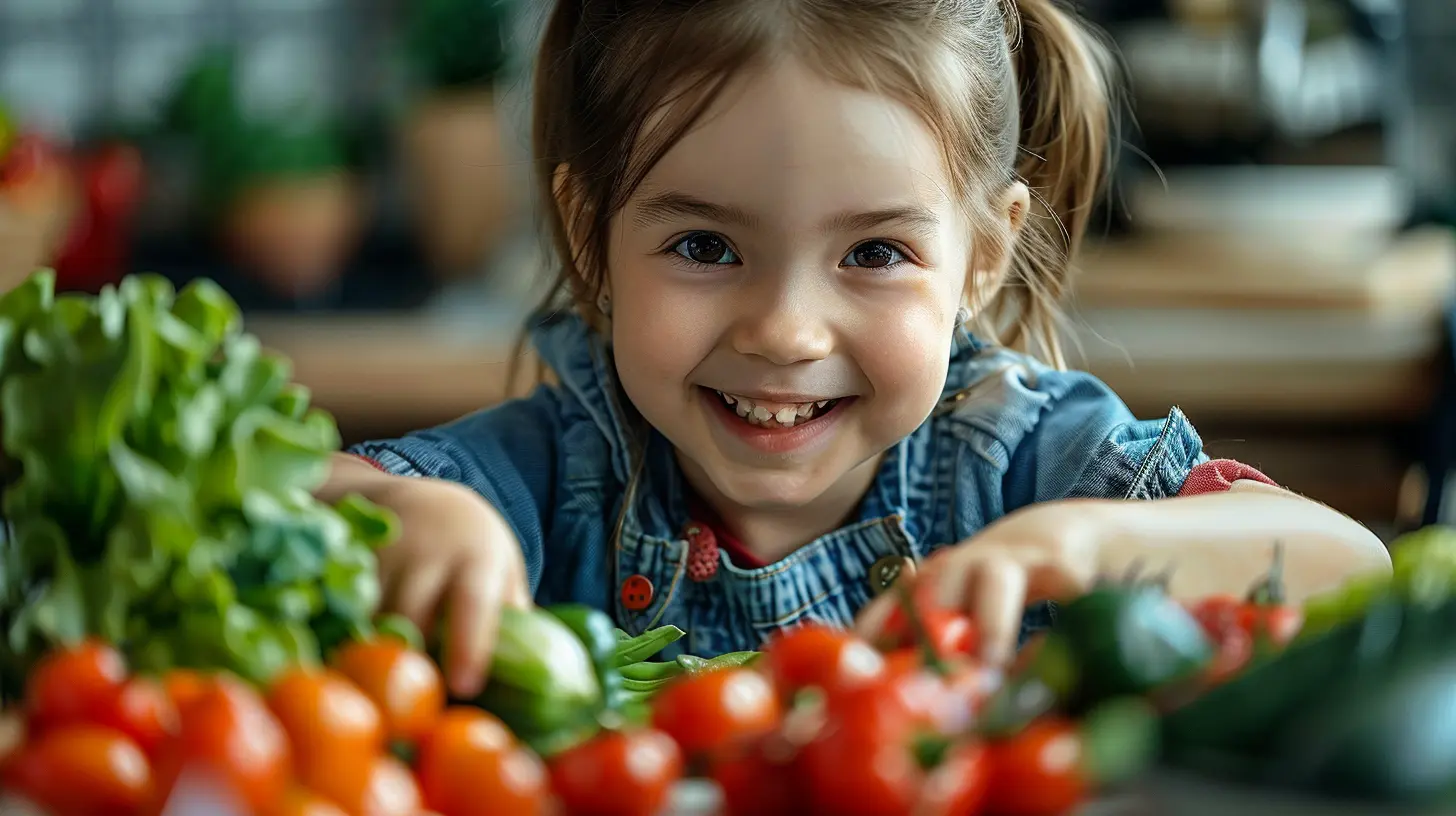
Why Does Seasonal Produce Matter?
Better Taste, Better Nutrition
Have you ever bitten into a strawberry in winter and thought, "Meh, this tastes like wet cardboard"? That’s because produce grown out of season and shipped from halfway around the world isn’t at its peak. Fruits and veggies harvested during their natural growing season are bursting with flavor and nutrients. For example, summer tomatoes are juicy and sweet, while those sad winter ones are... well, sad.Budget-Friendly
Seasonal produce is often cheaper because it’s more abundant. When farmers don’t have to rely on expensive methods like greenhouses or long-distance transportation, those savings get passed on to you. Translation: More money for that family pizza night!Environmentally Friendly
Choosing seasonal produce means fewer travel miles and less energy used for storage or artificial growing methods. It’s kind of like giving Mother Earth a little high-five every time you shop.
Seasonal Produce by the Season
Let’s break it down season by season so you can start planning meals your family will love.Spring
Spring is like a breath of fresh air after a long winter, and the produce reflects that. Think fresh, crisp, and green.What to Look For:
- Asparagus: These green sticks are like little spears of spring flavor.- Peas: Sweet and perfect for tossing into stir-fries or pasta.
- Radishes: A little spicy and super crunchy. Perfect as a snack or in salads.
- Spinach & Arugula: Tender greens that scream “spring salad.”
- Strawberries: These sweet gems start popping up toward the end of spring.
How to Use Them:
- Make a spring stir-fry with asparagus, peas, and chicken over rice.- Toss fresh spinach and strawberries in a salad, and top it with a honey vinaigrette (trust me, it’s amazing!).
- Roast radishes with a sprinkle of olive oil and sea salt—they get mellow and slightly sweet in the oven.
Summer
Summer is all about vibrant colors and juicy flavors. This is THE season for fresh produce.What to Look For:
- Tomatoes: Big, small, red, yellow—grab them all.- Corn: Sweet and oh-so-good straight off the cob.
- Zucchini & Summer Squash: Mild, versatile, and kids rarely say no to zucchini bread.
- Berries (Blueberries, Blackberries, Raspberries): Perfect for snacking or desserts.
- Watermelon: Hydrating and sweet, especially after an afternoon in the sun.
How to Use Them:
- Whip up homemade zucchini fritters—they’re crispy, savory, and kid-approved.- Grill some corn on the cob for a smoky, sweet side dish.
- Blend a berry smoothie for breakfast or a refreshing summer snack.
- Try a simple tomato and mozzarella salad with fresh basil. Even picky eaters might surprise you with how much they love it.
Fall
Fall feels like cozy sweaters in food form. The harvest brings out hearty, nutrient-rich produce perfect for comfort food.What to Look For:
- Pumpkin & Winter Squash: Butternut, acorn, spaghetti squash—the options are endless.- Apples: A classic fall favorite.
- Pears: Juicy and slightly floral.
- Sweet Potatoes: Sweet and earthy, not just for Thanksgiving.
- Cranberries: Tart but fun to experiment with.
How to Use Them:
- Make a homemade butternut squash soup—it’s creamy, warm, and perfect for cold nights.- Roast sweet potatoes for a side dish (or mash them with a little butter and cinnamon for a kid-friendly treat).
- Slice up apples and pears for a simple snack, or bake them into a crisp for dessert.
- Toss fresh cranberries into oatmeal or muffins for a pop of tart flavor.
Winter
Winter produce might not have the same pizzazz as summer, but it’s hearty and packed with nutrients to keep your family strong through cold weather.What to Look For:
- Citrus (Oranges, Clementines, Grapefruits): Bright and juicy—they’re a ray of sunshine in winter.- Kale & Collard Greens: Sturdy leafy greens perfect for soups or salads.
- Brussels Sprouts: Love them or hate them, they’re super versatile.
- Root Vegetables (Carrots, Parsnips, Beets): Sweet and earthy when roasted.
- Pomegranates: Those juicy, jewel-like seeds are as fun to eat as they are healthy.
How to Use Them:
- Toss Brussels sprouts with olive oil and maple syrup, and roast them until caramelized.- Make a vibrant winter salad with kale, pomegranate seeds, and orange slices.
- Roast root veggies like carrots and parsnips with a little garlic and thyme for a flavorful side dish.
- Keep it simple with citrus by peeling clementines for an easy, kid-friendly snack.

Kid-Friendly Tips for Seasonal Eating
Let’s be honest—getting your kids to try new things isn’t always easy. But don’t worry, I’ve got some sneaky tips to help.1. Make It Fun
Turn it into a game! Let your kids pick one “new” fruit or veggie to try each week. When they feel involved, they’re more likely to eat it. Bonus points if you visit a farmers’ market together!2. Hide the Veggies
I know this sounds sneaky, but blending spinach into a smoothie or adding grated zucchini to muffins is a total mom (or dad) hack. They won’t even know it’s there.3. Dip It
Kids will eat almost anything if there’s a dip involved. Pair raw veggies with hummus or ranch, or serve fresh fruit with a yogurt-based dip.4. Cook Together
Kids are way more likely to eat something they helped prepare. Even toddlers can help stir or sprinkle cheese on a casserole.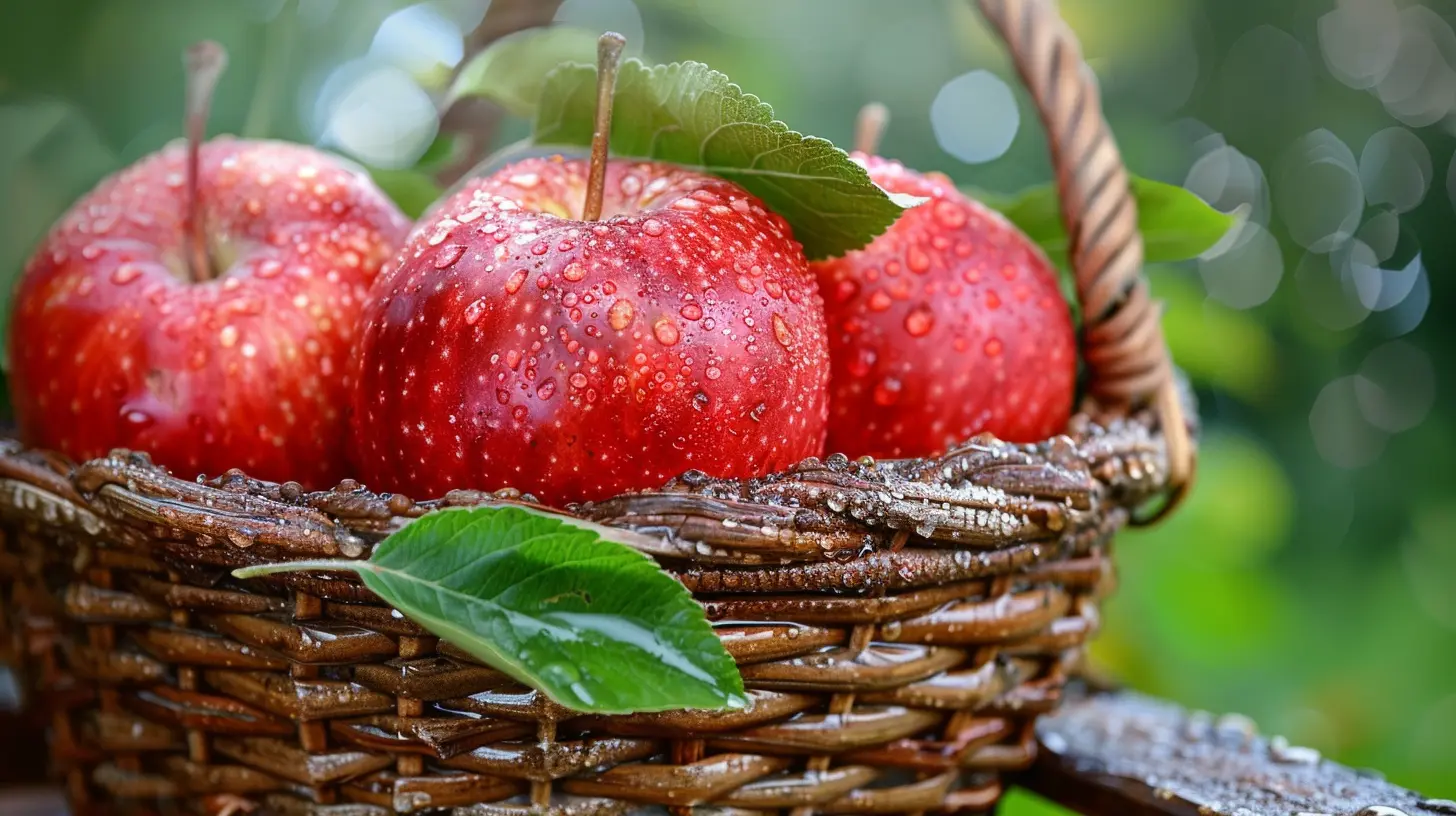
Wrapping It Up: Seasonal Eating = Healthy, Happy Families
Incorporating seasonal produce into your family’s meals isn’t just good for your health—it’s good for your wallet, the planet, and your taste buds too. Plus, it’s a fun way to connect as a family, whether you’re shopping at the farmers' market, cooking together, or sharing a meal at the table.So, what’s in season right now? Go ahead, grab some fresh fruits and veggies, and let your creativity shine in the kitchen. Your family will thank you (even if your toddler turns their nose up at Brussels sprouts—there’s always next time).
all images in this post were generated using AI tools
Category:
Healthy MealsAuthor:

Kelly Snow
Discussion
rate this article
2 comments
Zephyrion Sheppard
Great tips! Excited to try these seasonal recipes with my family!
April 8, 2026 at 4:24 AM
Kelly Snow
Thank you! I hope you and your family enjoy the recipes!
Lucas Carter
Embrace the seasons! Not only do seasonal fruits and veggies taste better, but they also teach kids about nature's rhythm. Plus, it's a fun, tasty way to keep family meals fresh and exciting!
April 4, 2026 at 2:29 AM
Kelly Snow
Absolutely! Embracing seasonal produce not only enhances flavor but also fosters a deeper connection with nature for the whole family. It's a delicious way to keep meals vibrant and engaging!