Simple After-School Routines to Boost Homework Success
18 May 2026
You know that magical moment when your kid walks through the front door after school, full of energy, excitement, and... oh wait, is that a meltdown brewing? Yup, it's homework time. Again.
Look, we’ve all been there—snacks mysteriously disappear, pencils vanish into thin air, and somehow, the dog becomes incredibly interested in algebra just when math time starts. But what if we could turn this daily chaos into something, dare I say, functional? Maybe even... enjoyable?
Okay, let’s not push our luck. But at the very least, we can adopt some simple after-school routines that boost homework success and keep us from losing our sanity in the process.
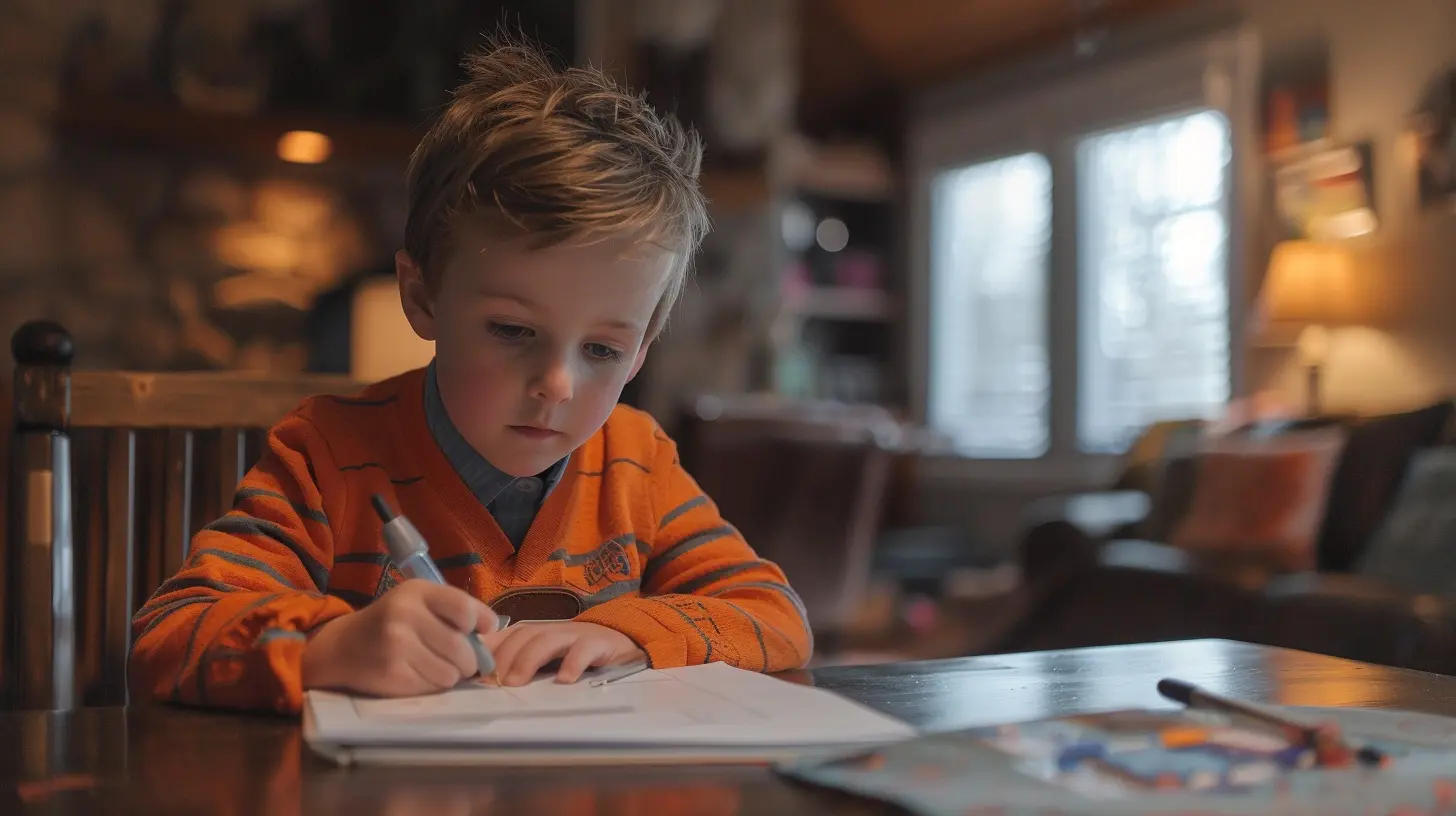
Why Do After-School Routines Matter Anyway?
Think of kids like little iPhones. They run out of juice by 3 p.m. and need a serious recharge. A solid after-school routine provides a much-needed mental pitstop. Without it, asking them to dive into homework is like trying to watch Netflix on 1% battery—painful and short-lived.Plus, routines give kids a sense of control. When they know what’s coming next, they’re less likely to resist it like it’s broccoli dipped in sadness.

Step 1: Let 'Em Reboot
The After-School Decompression Zone
Before you even whisper the word “homework,” let’s pump the brakes. Kids need a transition period between the school day and homework time. They’ve just spent the last 6-7 hours absorbing info, sitting still, and trying not to smack Timmy for chewing too loud.Try This:
- Let your kid change out of their school clothes. Pajamas, superhero costumes, or their favorite fuzzy socks? Totally acceptable.
- Give them 20–30 minutes of free time. No “productive” expectations here—they can build Legos, pet the dog, or just stare at the wall and reboot like Windows 95.
- Offer an after-school snack. Think banana and peanut butter, not a quadruple-sugar-frosted cupcake tsunami.
Snack Hack: Fuel Beats Fun Dip
Avoid the sugar crash drama. Go for foods that fuel the brain. (Yes, you can tell them the apple slices are “brain power disks”—branding is everything.)Great options:
- Cheese sticks and whole-grain crackers
- Apple slices with nut butter
- Yogurt with fruit
- Trail mix (minus the candy avalanche)

Step 2: Create a Homework Command Center
Because the Kitchen Table Is a War Zone
Let’s be real—doing homework in the same place where spaghetti happens isn’t ideal. Spaghetti stains and multiplying permission slips do not a focus-friendly space make.Designate a calm, clutter-free zone as the Homework Command Center, even if it’s just a corner of the living room. It doesn’t need to be Pinterest-perfect; just functional.
Homework Zone Checklist:
- A comfy seat and a flat surface
- Supplies (pencils, erasers, paper, calculator, etc.)
- Good lighting (unless you want your kid to become a mole person)
- A timer or clock
Bonus points if you label a bin “Emergency Chocolate for Parents.” For morale, of course.

Step 3: Set a Regular Homework Time
Spoiler Alert: “Later” Means Never
Ah yes, the age-old classic line: “I’ll do it later.” Translation? Your child will remember they have a math test at 9 p.m. while brushing their teeth. Let’s dodge that emotional landmine.Set a consistent homework time that fits your kid’s rhythm. Some kids are ready to dive in right after their snack break. Others need a bit more downtime. Either way, routine is chef’s kiss essential.
Homework Timing Tips:
- Be consistent: Same time each day, like a Netflix binge-worthy ritual.
- Consider your kid’s energy levels. Are they an early-evening Einstein or a post-dinner procrastinator?
- Give them some control: Let them help pick the time. Kids love feeling like mini managers.
Pro tip: Use a visual schedule. Even a simple dry-erase board can do wonders for time management and reducing the “But you never told me!” drama.
Step 4: Use a Timer and a Game Plan
Because Nothing Motivates Like a Countdown
Ever tried asking your kid to do all their homework in one sitting? That's like entering a kangaroo into a chess tournament—wild, unfocused, and slightly absurd.Break homework into chunks. Use the Pomodoro Technique (aka fancy timer magic): work for 25 minutes, then take a 5-minute break. After four rounds, reward them with a longer break or something fun—like 10 minutes of cat video marathons.
Why It Works:
- Kids have short attention spans. They need mental breathers.
- It gamifies homework. If they “beat the timer,” they win! (Reward ideas: stickers, 10-minute dance breaks, bragging rights.)
Step 5: Get Involved—But Not Too Involved
Teetering on the Line Between Helpful and Helicopter
As tempting as it is to channel your inner teacher and rewrite that spelling list, don’t. Let your kid struggle a little—it’s called learning. Your job is to coach, not co-author.Here's what to do instead:
- Sit nearby, but don’t hover. Be available, not on them like glitter on a glued craft.
- Ask guiding questions rather than giving answers. (“What’s the first step?” works way better than “Just carry the one, Jimmy!”)
- Celebrate effort over perfection. Did they try their best? High fives all around.
Kids need to develop independence, and nothing squashes that like turning math time into Mom’s Calculator Hour.
Step 6: Build in Breaks and Brain Boosts
Move It or Lose It (The Focus, That Is)
Ever seen your kid suddenly break into interpretive dance halfway through homework? That’s the body screaming for movement.Physical breaks keep the brain fresh. Encourage:
- 5-minute dance parties
- Jumping jacks or yoga stretches
- Walks around the house (bonus points if they pretend to be spies doing recon)
Mental breaks are just as vital. Sometimes a quick coloring session or flashcard game can reset the overwhelmed brain circuits.
Keep in mind: Breaks are like hydration for focus—without them, things go south fast.
Step 7: End with a Ritual (and Maybe a Treat)
Because Closure Is Key—For Everyone’s Sanity
Once homework’s done, don’t just let the end fizzle into chaos. Create a closing ritual that signals, “We did it!”Try This:
- Let them check off a to-do list (it’s weirdly satisfying).
- Offer a small reward—a sticker, a silly joke exchange, a point toward screen time.
- Say something encouraging, even if it’s just “You survived math again! Huzzah!”
These little end caps reinforce the habit and add some positivity to the grind. And trust me, they’ll remember the “hoo-rah” moments way more than they’ll remember fractions.
Pro Tips for Parents Who Are This Close to Losing It
- Don’t take resistance personally. Homework isn’t a vendetta against you. Promise.- Know when to call it. If your kid is melting into a puddle of tears and pencil crumbs, take a break. Or better yet, stop for the night. Mental health > perfect homework.
- Communicate with teachers. If there’s too much work or constant confusion, reach out. This isn’t Survivor: Homework Edition.
Simple Routine, Big Payoff
Look, we’re not trying to turn our kids into homework robots. We just want to keep our evenings from turning into emotional dumpster fires. A few simple after-school routines can bring back structure, reduce the drama, and yes—actually boost homework success.Keep it flexible, keep it fun, and most importantly—keep the snacks coming.
And if all else fails? Pour yourself a cup of something warm, hide in the bathroom for five minutes, and remember: You’re doing great.
all images in this post were generated using AI tools
Category:
Parenting RoutinesAuthor:

Kelly Snow
Discussion
rate this article
2 comments
Jemima Estes
I love the ideas in this article! Creating a simple after-school routine can make such a difference in how kids approach homework. It's amazing how little changes can lead to big successes. Can't wait to try some of these tips with my own kids and see how they respond!
August 16, 2026 at 4:01 AM
Paula Riley
Establishing a simple after-school routine has made a real difference in my kids' focus and motivation. It's all about consistency and finding what works for each child. Every little bit helps.
June 9, 2026 at 3:54 AM
Kelly Snow
Thanks for sharing your experience! Consistency really is key, and tailoring routines to each child can make all the difference.