Simple Strategies for Reducing Added Sugar in Family Meals
3 March 2026
Let’s face it: sugar is everywhere. Whether it’s in your favorite breakfast cereal, those “healthy” granola bars, or even the condiments you slather onto your meals, added sugar has snuck its way into so much of what we eat. As parents, it’s a constant battle to make sure our kids (and us, too!) aren’t overindulging in the sweet stuff without even realizing it.
But here’s the thing: cutting back on sugar doesn’t have to mean a complete overhaul of your family’s diet. You don’t need to toss out every treat in the pantry or force everyone to eat kale smoothies three times a day. By making small, intentional changes, you can significantly reduce the amount of added sugar in your family’s meals while keeping things delicious and stress-free.
In this post, I’ll share some simple, practical strategies for reducing added sugar that won’t leave everyone feeling deprived—or, you know, staging a rebellion at dinner time. 
Why Does Added Sugar Even Matter?
Before we dive into the strategies, let’s talk about why added sugar is something worth cutting back on.Yes, sugar tastes amazing (I’m looking at you, chocolate chip cookies). But too much of it can lead to all kinds of not-so-fun health issues, including:
- Weight gain: Excess sugar contributes to unused calories that can turn into extra pounds.
- Increased risk of chronic diseases: Over time, high sugar intake has been linked to diabetes, heart disease, and even certain types of cancer.
- Energy crashes: That sugar high your kids get after dessert? It’s followed by a crash—and nobody wants to deal with a grumpy, sluggish kid (or adult).
- Tooth decay: Sugar is basically a buffet for cavity-causing bacteria in your mouth.
The good news? Even small reductions in daily sugar intake can lead to big benefits over time, like better energy levels, improved focus, and greater overall health. 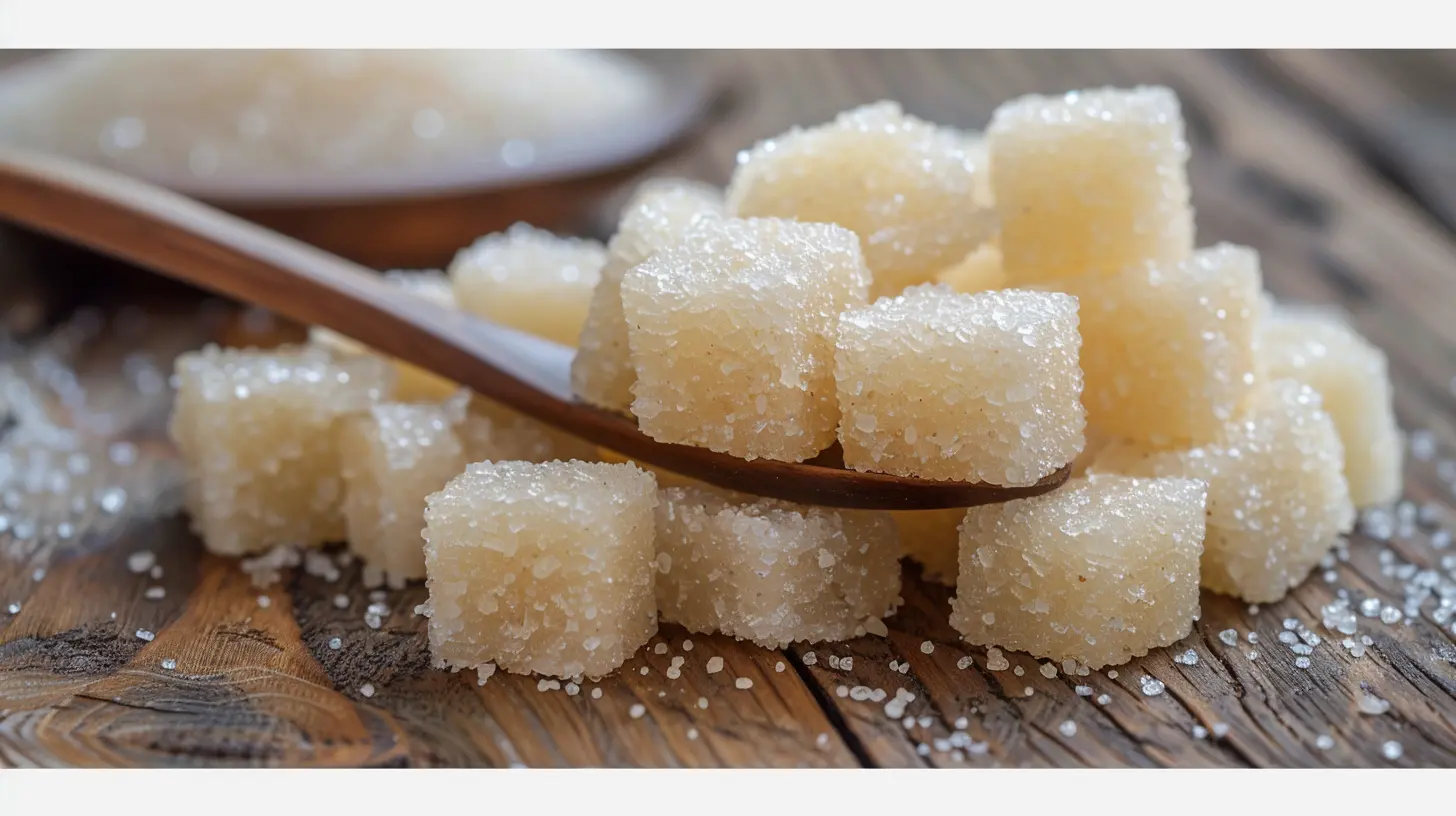
1. Start with Breakfast
The morning meal can be a sugar trap. Many breakfast staples—cereals, flavored yogurts, pastries, and even some smoothie bowls—are loaded with hidden sugars.Here’s how to clean things up:
- Choose unsweetened options: Swap sugary cereals with plain ones, and let your kids add their own toppings like fresh fruit or a sprinkle of cinnamon.
- DIY your yogurt: Instead of buying fruit-flavored yogurt (which can have as much sugar as a candy bar), go for plain yogurt and mix in honey, berries, or a mashed banana.
- Rethink spreads: Nut butters and jams are often sugar bombs. Go for a natural peanut butter (just peanuts and salt) and use thin slices of fresh fruit like strawberries or bananas in place of sugary jelly. 
2. Read Labels Like a Detective
Have you ever actually read the ingredients list on packaged foods? It can be a real eye-opener. Sugar often hides under sneaky names like “high-fructose corn syrup,” “cane syrup,” or “maltose.”Here’s what to do:
- Look for hidden sugars: Pay attention to not just the total sugar content but also the ingredient list. The closer sugar (or its aliases) is to the top, the more of it there is.
- Watch out for sauces and dressings: Ketchup, barbecue sauce, salad dressings, and marinades can be surprisingly sugary. Opt for low-sugar versions or make your own.
- Go for whole foods: The fewer ingredients on the label, the better. A bag of apples? Zero added sugar. A box of apple-flavored snacks? Probably packed with it. 
3. Swap Soda for Something Better
Soda is basically sugar in a can, and it’s one of the easiest ways to go overboard on added sugars. Even so-called “healthy” drinks like fruit juice or flavored waters can deliver way more sugar than you’d expect.What can you drink instead?
- Infused water: Add slices of citrus, cucumber, or berries to plain water for a burst of flavor.
- Sparkling water: Bubbly water with a splash of 100% fruit juice can mimic soda without all the sugar.
- Herbal teas: Brew fruity or minty teas and serve them cold—kids usually love the fun flavors.
4. Tweak Your Baking Game
Baking at home is a great way to control how much sugar goes into your treats.Here’s how to make your recipes healthier without sacrificing taste:
- Cut the sugar in half: Most recipes taste just as good with half the sugar called for. Seriously, try it.
- Use natural sweeteners: Applesauce, mashed bananas, or dates can add sweetness and great texture to baked goods.
- Add flavor, not sugar: Spices like cinnamon, nutmeg, and vanilla extract can make treats feel sweet without extra sugar.
5. Plan Balanced Snacks
Snacks are another area where sugar can creep in, especially with all those grab-and-go “kid-friendly” foods. But salty doesn’t always mean sugar-free, so even crackers and chips deserve a second glance.Here are some better snack ideas:
- Fresh fruit: Naturally sweet and filled with fiber! Pair it with cheese or nuts for a more balanced snack.
- Veggies and dips: Carrot sticks and hummus or cucumber slices with tzatziki are crunchy, fresh, and filling.
- DIY trail mix: Combine nuts, seeds, and a small handful of dried fruit (with no added sugar) for a snack that satisfies.
6. Cook from Scratch (When You Can)
I know, life is busy. But cooking meals at home gives you ultimate control over what goes into your food—and how much sugar is included.- Batch cook staples: Things like pasta sauce, soups, and taco seasoning are super easy to make in big batches and freeze for later. That way, you’re not relying on store-bought versions with hidden sugar.
- Experiment with flavors: Use herbs, spices, citrus zest, and vinegars to make your dishes flavorful without needing to add sweetness.
7. Get the Kids Involved
Let’s be honest: kids aren’t exactly thrilled to hear that their favorite sugary cereal is getting swapped for something “healthier.” Getting them involved in the process makes the transition easier and way more fun.- Teach them about sugar: Show your kids how to read nutrition labels and explain why you’re making changes.
- Let them help in the kitchen: Kids are more likely to eat meals and snacks they helped prepare. Give them small, age-appropriate tasks like washing fruit or stirring ingredients.
- Make it a game: Challenge your kids to spot foods with less sugar or come up with creative snack ideas together.
8. Take It Slow
Trying to cut all added sugar all at once? That’s a recipe for disaster (and grumpy family members). Instead, focus on one small change at a time.Maybe you start with swapping out sugary drinks, then tackle breakfast, and so on. This slow and steady approach not only feels more manageable but also gives everyone time to adjust.
9. Don’t Forget to Indulge—In Moderation
Let’s keep it real: life without treats just isn’t fun. And completely banning sugar can backfire, making your kids (and you!) crave it even more.The key is moderation. Teach your kids that treats are totally fine as a special part of life, not an everyday habit. Have a cupcake at the birthday party. Share a bowl of ice cream on family movie night. The occasional indulgence won’t undo all the progress you’ve made with your other small changes.
Wrapping It Up
Cutting back on added sugar doesn’t mean your family meals have to be bland, boring, or full of food battles. By making a few mindful swaps and adjustments, you can create meals that are just as satisfying—without the sugar overload.Remember, it’s all about balance. A little effort here and there adds up to a healthier, happier family over time. Now go ahead and give these strategies a try—I promise, your taste buds won’t even miss the extra sugar.
all images in this post were generated using AI tools
Category:
Healthy MealsAuthor:

Kelly Snow
Discussion
rate this article
2 comments
Marley McDowney
What a fantastic article! Reducing added sugar in family meals is a great way to promote healthy habits for our kids. I love the practical strategies you shared—such simple changes can make a big difference! Thanks for providing such valuable insights; I can't wait to implement these tips with my family!
March 9, 2026 at 5:02 AM
Kelly Snow
Thank you so much for your kind words! I'm glad you found the strategies helpful—best of luck implementing them with your family!
Nathaniel McMaster
Thank you for sharing these insightful strategies! Reducing added sugar can be challenging, but your practical tips make it much more manageable. I appreciate the emphasis on healthy substitutions and family involvement. Looking forward to trying these ideas with my own family!
March 6, 2026 at 5:03 AM
Kelly Snow
Thank you for your kind words! I'm glad you found the tips helpful and that you're excited to try them with your family. Enjoy the journey to healthier meals!