Supporting Your Child After a Traumatic Event
10 February 2026
Life is full of ups and downs, but when something truly traumatic happens, it can turn a child's world upside down. Whether it's a natural disaster, a car accident, the loss of a loved one, or witnessing something distressing, children process trauma differently than adults.
As parents, we want to protect our kids from pain, but when trauma strikes, our role shifts to being their safe space. But how do you help a child navigate emotions they might not even understand themselves? Let's dive into practical ways to support your child after a traumatic event. 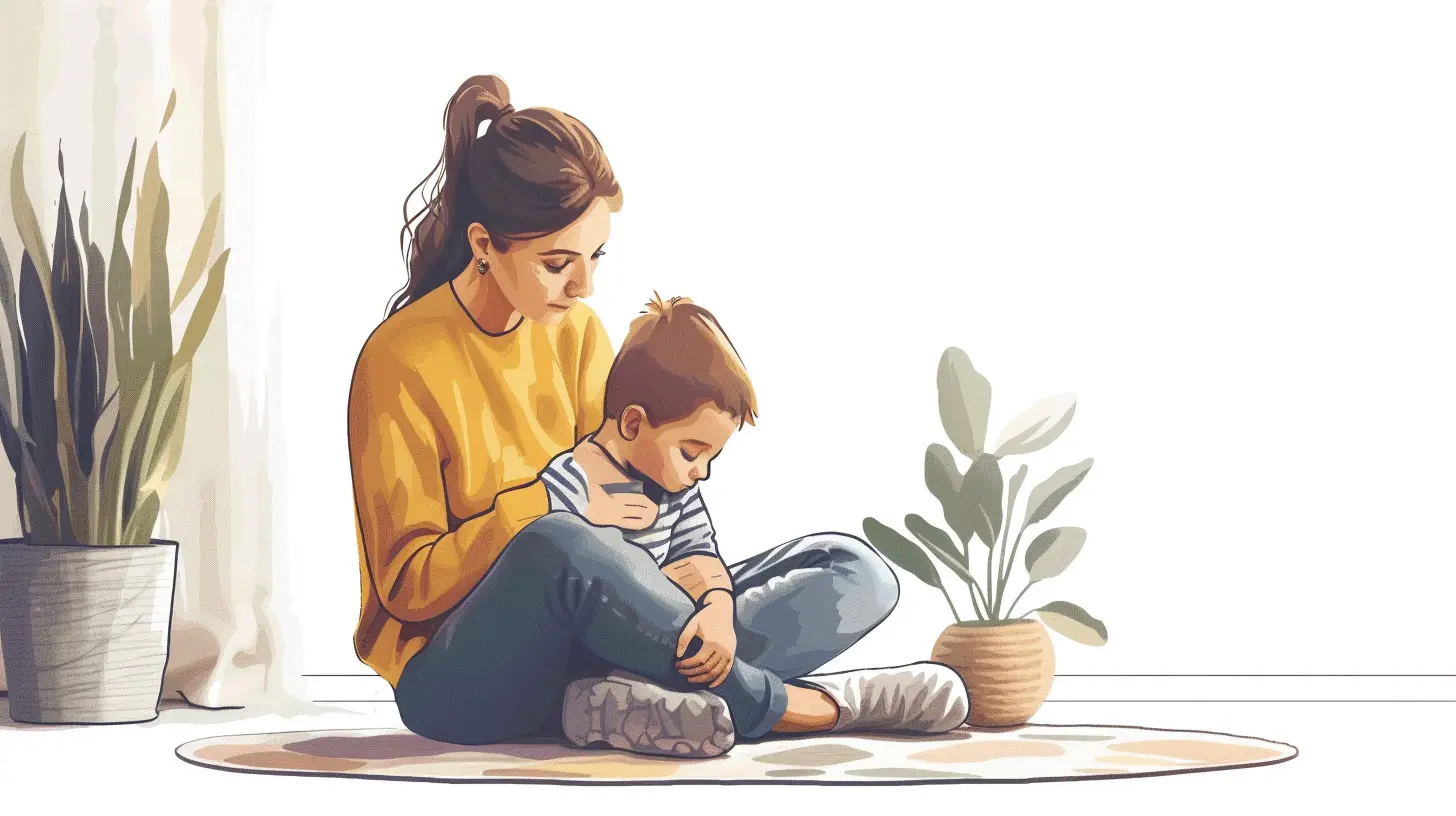
Understanding How Trauma Affects a Child
Trauma doesn’t have a one-size-fits-all impact. Some kids might withdraw, while others act out. Understanding how trauma manifests can help you respond with patience and care.Common Reactions to Trauma in Children:
- Emotional Changes – Increased fears, anxiety, mood swings, or sadness.- Behavioral Changes – Acting out, becoming clingy, or regressing (e.g., bedwetting).
- Physical Symptoms – Headaches, stomachaches, trouble sleeping.
- Social Struggles – Difficulty with friends, avoiding social activities.
Trauma can linger long after the event is over, showing up in unexpected ways. Knowing how to identify these signs will help you take the first steps toward healing. 
Creating a Safe Environment for Healing
Your child needs to feel safe before they can begin to process what happened. Here are some ways to create a comforting space for them:1. Offer Reassurance and Stability
Let them know they are safe and that things will be okay. Children thrive on routine, so try to keep their daily schedule as normal as possible. Predictability brings a sense of security during uncertain times.2. Be Emotionally Available
Your child may not have the words to express their feelings, but they need to know you’re there. If they want to talk, listen without judgment. If they need silence, offer a warm hug or just sit with them. Sometimes, presence speaks louder than words.3. Limit Exposure to Triggers
Avoid excessive news coverage or conversations about the event around your child. Reliving the trauma repeatedly can intensify their distress. Instead, provide age-appropriate explanations and reassurance.
Encouraging Healthy Expression of Emotions
Bottling up emotions only makes things worse. Help your child express their feelings in ways that feel natural to them.1. Promote Open Communication
Encourage your child to talk about their feelings but don’t pressure them. A simple "How are you feeling today?" lets them know their emotions matter. If talking is difficult, try alternative forms of expression.2. Use Creative Outlets
Drawing, painting, and storytelling can help children process their emotions. Sometimes, they can't verbalize their feelings, but they can illustrate them. Watching their playtime can also provide insight into what’s on their mind.3. Validate Their Feelings
Avoid phrases like "Don't worry about it" or "Be strong." Instead, acknowledge their emotions:✔️ "I know this was really scary for you. It’s okay to feel this way."
✔️ "You’re not alone, and we’ll get through this together."
Children need to know their feelings are heard and accepted. 
Helping Your Child Cope with Anxiety and Fear
After a traumatic event, fear often lingers. Whether it's nightmares, separation anxiety, or fear of a repeat event, these feelings are real for your child. Here’s how you can help:1. Offer Comfort at Night
If nightmares or bedtime fears arise, be there for reassurance. A nightlight, a familiar stuffed animal, or soft bedtime music can help create a sense of security.2. Teach Healthy Coping Strategies
Help your child develop ways to self-soothe, such as deep breathing exercises, meditation, or grounding techniques. A simple technique is the "5-4-3-2-1" method—helping them focus on their senses to feel present and calm.3. Keep Reassuring Them
Your child may repeatedly ask, "Will this happen again?" Answer honestly but reassuringly:✔️ "It's unlikely, but if anything happens, we will always be here to keep you safe."
Patience is key—fear takes time to fade.
Knowing When to Seek Professional Help
Sometimes, despite your best efforts, a child might struggle to cope. If you notice persistent emotional distress, it may be time to seek help from a therapist.Signs Your Child May Need Professional Support:
🔹 Fear or anxiety that doesn’t go away🔹 Persistent nightmares or sleep disturbances
🔹 Avoiding places or things related to the trauma
🔹 Intense anger, withdrawal, or extreme sadness
🔹 Physical complaints (e.g., stomachaches, headaches) with no medical cause
A child therapist can provide specialized tools to help your child process their emotions in a healthy way. Seeking help doesn’t mean you’ve failed—it means you’re ensuring your child gets the best support possible.
Supporting Yourself as a Parent
You’re not just helping your child—you’re processing the event too. If you’re struggling, you won’t be able to fully support your child.1. Acknowledge Your Own Emotions
It’s okay to feel shaken, exhausted, or even guilty. Processing your own emotions helps you stay calm and supportive for your child.2. Seek Support When Needed
Talk to a friend, therapist, or support group. You don’t have to handle this alone. The stronger you are, the more you can be there for your child.3. Practice Self-Care
Taking a few moments for yourself isn’t selfish—it’s necessary. Whether it’s a walk, reading, or deep breathing, small moments of self-care can make a big difference.Final Thoughts
Helping your child heal after a traumatic event is a journey, not a quick fix. Your love, patience, and understanding will be their guiding light. Provide a safe space, listen when they need to talk, and reassure them they are not alone.If the process feels overwhelming, don’t hesitate to reach out for professional help. Healing takes time, but with your support, your child will regain their sense of security and happiness.
### Remember: The most important thing you can do is simply be there. Sometimes, love and presence are the strongest healing forces of all.
all images in this post were generated using AI tools
Category:
Mental HealthAuthor:

Kelly Snow
Discussion
rate this article
2 comments
Melanie Castillo
Empower your child with love and understanding. Together, you can turn trauma into growth, resilience, and strength. This journey will forge unbreakable bonds and brighter tomorrows.
February 26, 2026 at 3:34 PM
Kelly Snow
Thank you for your insightful comment! Empowering children with love and understanding is indeed crucial for their healing and growth after trauma. Together, we can help them build resilience and forge strong bonds.
Alexa McLaurin
Together, we heal and grow!
February 11, 2026 at 5:59 AM
Kelly Snow
Absolutely! Healing is a journey best taken together. Thank you for your insight!