Swaddling 101: Is It Right for Your Baby’s Sleep?
28 December 2025
Okay, let’s talk swaddling. If you’re a new or expecting parent, chances are you've seen bundles of joy all wrapped up like the cutest little burritos on the internet or maybe in your family photo albums. It can look adorable—tiny arms tucked in, peaceful faces snoozing away—but is it really the magical ticket to good sleep that so many people swear by?
You've probably heard mixed messages. Some say swaddling helps babies sleep better and longer, while others worry it’s not safe or that it might hinder development. The truth? Like most baby-related topics, it’s not one-size-fits-all.
Let’s unwrap (pun absolutely intended!) everything there is to know about swaddling—how it works, what the pros and cons are, and most importantly, whether it’s the right move for your baby’s sleep.
What Is Swaddling, Anyway?
Swaddling is basically the ancient art of wrapping your baby snugly in a blanket to help them feel secure and calm. Think of it like a warm, cozy hug. It mimics the womb environment, which explains why so many newborns seem to love it.But here’s the catch—it only works well if done right. Too tight, too loose, too warm, too late—yeah, there are a few “gotchas” with this sleepytime tradition.
The Science Behind the Swaddle
Babies are born with something called the Moro reflex, also known as the startle reflex. That’s when your baby suddenly flings out their arms and legs as if they’ve just had a jump scare (and trust me, it happens more than you’d think). This can wake them up—right in the middle of a nap that took you 40 minutes to make happen.Swaddling helps prevent this reflex from kicking in because it keeps those little limbs snug. Less flailing = more Z’s. It’s kind of like baby sleep insurance.
Why Do Parents Swaddle in the First Place?
Besides cutting down on the startle reflex, swaddling has a handful of other benefits—when done correctly:1. Better Sleep Duration
Many babies sleep longer when swaddled. Why? Because it reduces the chance of waking from sudden movements. Basically, the blanket gives them a sense of security similar to being in your arms.2. Improved Sleep Quality
A calmer baby usually means a deeper, more restful sleep. And let me just say, a well-rested baby equals a well-rested parent. You feel me?3. Soothed Fussiness
Swaddling can be a lifesaver during the infamous “witching hour”—that time in the evening when babies cry, often without any clear reason. Think of the swaddle as your baby’s chill pill.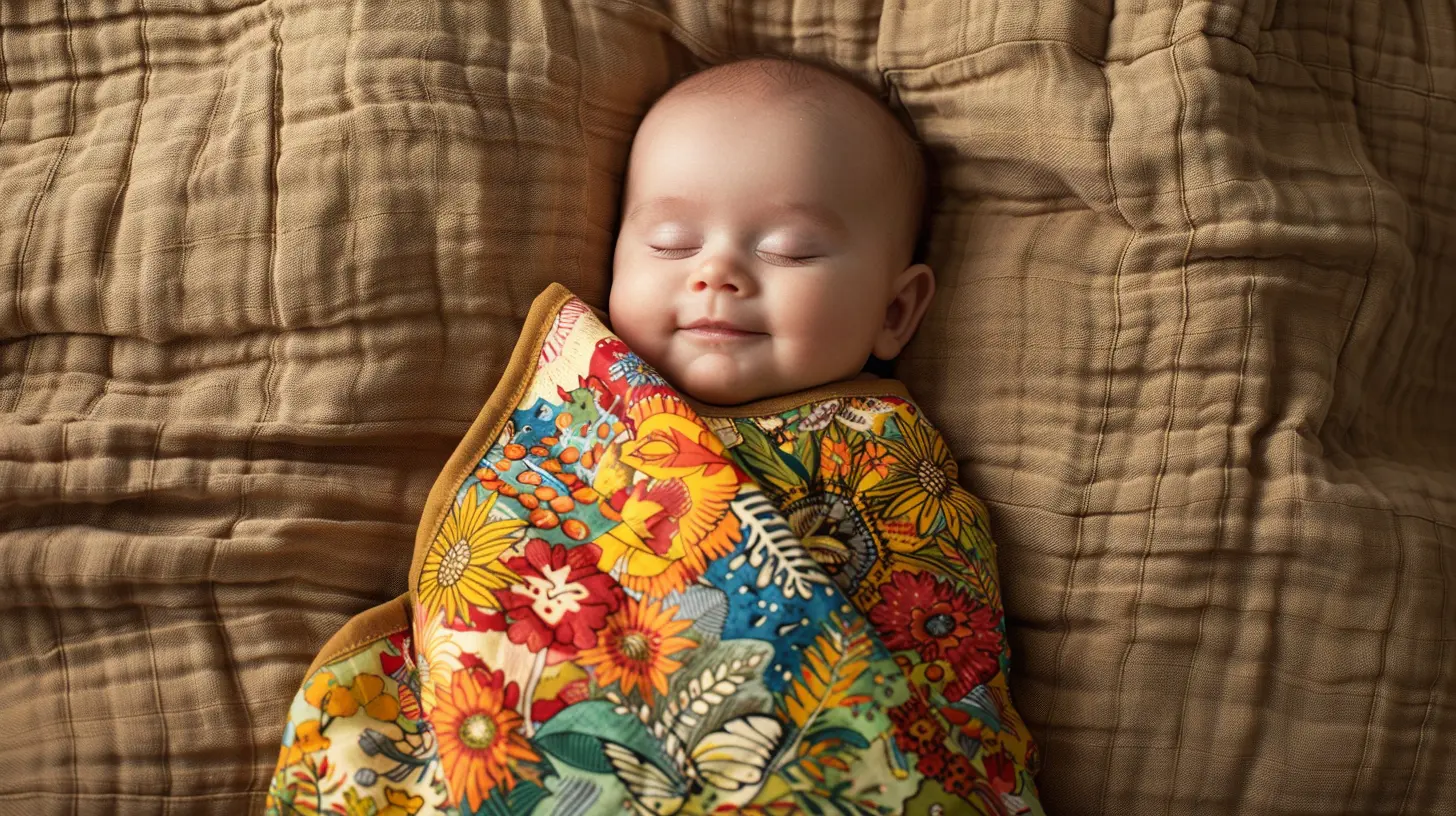
But… Is Swaddling Safe?
This is where things get real. Because while swaddling can certainly help with sleep, there are some risks to be aware of—especially if it’s done incorrectly.Safe Swaddling Tips:
- Always place your baby on their back to sleep.- Make sure the swaddle isn’t too tight around the hips (tight arms are fine, tight hips can cause issues like hip dysplasia).
- Use breathable materials—preferably muslin or cotton—to avoid overheating.
- Stop swaddling when your baby shows signs of rolling over (usually around 2 to 4 months).
Basically, swaddling should be snug but not restrictive. You want to keep your baby’s hips able to move freely and make sure they can breathe comfortably.
When Should You Stop Swaddling?
This is the million-dollar question! The general advice is to stop swaddling once your baby starts showing signs of trying to roll over. This usually happens around 2 to 4 months. Why? Because once a baby starts rolling, there’s a risk they could roll onto their stomach while swaddled and not be able to roll back.Trust your instincts, but also keep an eye out for:
- Rocking side to side
- Lifting the head and chest during tummy time with ease
- Wriggling out of the swaddle
When in doubt, start easing out of it gradually—arms out first, then using sleep sacks or wearable blankets.
Alternatives to Swaddling
If swaddling doesn’t work for your baby—or you decide to skip it altogether—that’s totally fine. Every baby is different. Seriously, some babies hate being swaddled. They’ll cry, squirm, and bust out like mini Houdinis every time.Here are a few alternatives to consider:
1. Sleep Sacks
These wearable blankets are like a swaddle’s cooler, more evolved cousin. They keep your baby warm without the risk of loose blankets.2. Arms-Free Swaddles
A great middle-ground option that allows babies to move their arms while keeping the rest of their bodies cozy.3. White Noise + Swaddle Combo
Sound can work wonders. Combining a swaddle with white noise mimics the womb experience even more effectively.Pros and Cons of Swaddling
Let’s break it down a bit. Because hey, there are always two sides to every baby blanket.Pros:
- Helps baby sleep longer and better- Reduces the startle reflex
- Calms fussy infants
- Mimics womb-like comfort
Cons:
- Not all babies enjoy it- Can be risky if done incorrectly
- Needs to stop once rolling starts
- May delay self-soothing in some babies
Common Swaddling Mistakes to Avoid
Look, we’re all learning here. If you’re new to swaddling, don’t worry—you’re not alone! But knowing what not to do is just as important as learning how to do it.🚫 Wrapping too tightly: Especially around the hips! You want to allow for natural leg and hip movement.
🚫 Using thick or heavy blankets: This could overheat your baby very quickly. Lightweight, breathable fabrics only, please.
🚫 Letting the swaddle ride up: Always keep the swaddle below shoulder level to prevent potential suffocation hazards.
🚫 Swaddling past the rolling stage: Major no-no. Transition out once your baby is getting mobile.
How to Know If Swaddling Is Right for Your Baby
Here’s the real talk: swaddling isn't a must-have for every baby. Some love it. Others? Not so much. The best way to find out is to try it and watch your baby's response.Does your baby settle more easily with it on? Are they sleeping longer stretches at night? Do they seem calmer during nap time? That’s your cue that it may be helping.
But if your baby fights it, seems frustrated, or constantly wriggles out of it? Don’t force it. Move on to alternatives and see what sticks.
Parenting isn’t about fitting into a mold—it's about adapting to what works best for your family and your baby.
Tips for Transitioning Away from the Swaddle
So, your baby is showing signs of rolling over, and it's time to say goodbye to the swaddle. (Cue the dramatic music 😢) The good news? The transition doesn’t have to be painful.Here’s how to do it smoothly:
1. Start with one arm out of the swaddle for naps and nighttime sleep.
2. After a few days, free both arms.
3. Switch to a sleep sack or wearable blanket.
4. Keep your baby’s sleep environment consistent—same sounds, lighting, and routine.
Expect a few rocky nights, but hang in there. Most babies adjust within a week or two.
Frequently Asked Questions About Swaddling
Q: Can I swaddle my baby for every nap and nighttime sleep?
Yes, as long as they aren’t showing signs of rolling and you’re following safe practices.Q: How many hours a day can my baby be swaddled?
Aim to swaddle only during sleep times. Give your baby plenty of time to move freely during the day to support healthy development.Q: Is there an age limit for swaddling?
Generally, stop by 2-4 months or when rolling starts—whichever comes first.Q: What type of blanket is best for swaddling?
Breathable, lightweight fabrics like muslin cotton are best.Final Thoughts: You Do You, Mama (or Papa!)
Swaddling isn't some secret parenting code you have to follow. It’s just one of many tools in your baby sleep toolbox. If it works—hallelujah! If not, no worries. Your baby can still sleep well without it.At the end of the day, you know your baby best. Try it out, pay attention to your baby’s cues, and trust your gut. Whether you end up being a pro swaddler or team sleep sack from day one, your baby is going to be just fine.
So grab that blanket, give it a shot, and maybe—just maybe—tonight’s the night you both sleep a little longer.
all images in this post were generated using AI tools
Category:
Baby SleepAuthor:

Kelly Snow
Discussion
rate this article
2 comments
Weston Mendoza
Swaddling can be a soothing sleep aid for newborns, promoting a sense of security. However, it's crucial to monitor your baby's comfort and developmental needs. Always consult your pediatrician to ensure it's the right choice for your little one.
January 21, 2026 at 4:20 AM
Kelly Snow
Thank you for highlighting the importance of monitoring comfort and consulting a pediatrician when swaddling. Ensuring our little ones feel secure is key, and professional guidance is always recommended.
Zephyrae Watson
Swaddling can be a wonderful tool for helping your baby feel secure and sleep soundly. Trust your instincts and find what works best for your little one’s unique needs!
January 6, 2026 at 3:25 AM
Kelly Snow
Thank you for your insights! Trusting your instincts is key, and every baby is unique when it comes to sleep solutions.