Talking About Big World Events: How to Make It Age-Appropriate
21 May 2026
Life has a way of throwing us curveballs—natural disasters, political upheavals, wars, pandemics, and social movements. These global events flood our TV screens, dominate social media, and often find their way into family conversations.
As parents, we might wonder: How do we talk to our kids about these big world events without scaring them? How do we balance honesty with age-appropriateness? It’s not always easy, but with the right approach, we can help our children feel informed, safe, and empowered.
Let’s dive into some practical strategies to make these tough conversations meaningful and age-appropriate.

Why Talking About Big World Events Matters
Avoiding hard topics might seem like the easier route, but in reality, kids pick up on more than we think. They overhear snippets of news, notice our reactions, or even hear about events from friends at school. When we don’t provide the right context, their imaginations create their versions of reality—sometimes far scarier than the truth.Talking to kids about world events:
- Helps them process emotions
- Reduces anxiety and misinformation
- Encourages critical thinking
- Builds empathy and compassion
But how do we make sure we’re giving them just enough information without overwhelming them? That depends on their age.

Talking to Different Age Groups
Preschoolers (Ages 3-5): Keep It Simple and Reassuring
At this age, kids don’t fully grasp global events, but they sure can sense emotions. They notice when we’re stressed, hear news snippets, or see our reactions. So, how do we handle their curiosity?- Use simple language – “Some people are working hard to fix a big problem, but you are safe.”
- Focus on reassurance – “No matter what happens, I will always take care of you.”
- Limit exposure – If possible, keep distressing news away from their little ears.
For example, if they hear about a natural disaster, you can say:
"Some places had really strong weather, but helpers are taking care of the people there. Our home is safe."
Elementary School Kids (Ages 6-10): Be Honest, But Gentle
Around this age, kids start asking why things happen. They might hear about wars, protests, or even pandemics, and they will come to you for answers.- Stick to facts, but don’t overshare – “There’s a sickness going around, and doctors are working hard to help people get better.”
- Encourage questions – “What have you heard about it? How do you feel?”
- Teach them about helpers – Remind them that for every problem, there are people working to fix it—doctors, firefighters, activists, and world leaders.
If they ask about a war on the news, you might say:
"There are disagreements between some countries, which can lead to fights. But people around the world are working to bring peace."
By keeping the message honest but uplifting, we can prevent fear from taking over.
Preteens and Tweens (Ages 11-13): Encourage Critical Thinking
At this stage, kids are more aware of the world and might be exposed to news through school, friends, or social media. They start forming opinions but might not fully understand the bigger picture.- Ask their thoughts first – “What do you think about this situation?”
- Teach media literacy – Encourage them to question sources and look for reliable information.
- Discuss emotions openly – It’s okay to acknowledge that some events are upsetting.
For example, if they ask about climate change, you can say:
"Yes, our planet is changing, but scientists and activists are working hard to slow it down. We can also do small things to help, like recycling and using less energy."
Encouraging them to think critically while offering solutions prevents helplessness and builds confidence.
Teenagers (Ages 14-18): Have Open, Thoughtful Discussions
Teenagers have strong opinions, and they want to be heard. They might already have access to news and social media, so instead of shielding them, aim for a mature, respectful conversation.- Encourage debate and discussions – “What do you think about this? How do your friends feel about it?”
- Acknowledge their emotions – “It’s okay to feel angry or sad about injustice.”
- Empower them to make a difference – Volunteering, spreading awareness, or educating themselves helps turn frustration into action.
For example, if they are saddened by a humanitarian crisis, you can say:
"I know it feels unfair, but even small actions—donating, signing petitions, or spreading awareness—can make a huge difference."
By treating them like young adults, we encourage them to think, act, and contribute positively to the world.

How to Protect Kids from Overexposure
Even with age-appropriate discussions, kids can still feel overwhelmed. Here’s how to keep the balance:- Limit news exposure – Constant negative news can create anxiety. Set boundaries on screens and social media.
- Encourage creative outlets – Drawing, journaling, or playing can help younger children express emotions.
- Model calm behavior – Kids take emotional cues from us. If we stay calm, they will too.
- Keep routines stable – A sense of normalcy brings comfort during uncertain times.

Answering Difficult Questions
Kids are naturally curious, and sometimes they ask tough questions. Here’s a simple guide:- "Why do bad things happen?"
- “Sometimes people make mistakes or bad choices, but there are always people working to fix things.”
- "Are we safe?"
- “Yes. And if anything ever changes, I will always do everything to protect you.”
- "Why do people hurt each other?"
- “People sometimes act out of fear or misunderstanding. That’s why kindness and learning are so important.”
Every child is different, so tailor your responses based on their personality and emotional needs.
Teaching Hope and Resilience
Even in dark times, there’s always good in the world. Share stories of people making a difference. Talk about acts of kindness. Remind your child that, even though bad things happen, most people are kind and caring.
"Hope is like a little candle in the dark—it might be small, but it can light up an entire room."
Encourage them to focus on what they can do to help, even in small ways. Acts of kindness, learning, and problem-solving can make the world a better place.
Final Thoughts
Talking to kids about big world events isn’t easy, but it’s necessary. By keeping things age-appropriate, honest, and hopeful, we can help them navigate a world that can sometimes feel overwhelming.Your words matter. Your reassurance matters. And most importantly, your presence in these conversations helps your child feel safe and understood.
So the next time something big happens in the world, take a deep breath, sit down with your child, and start the conversation—because they’re listening, and they need you to guide them.
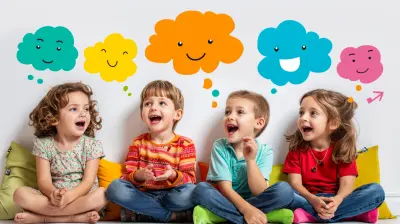
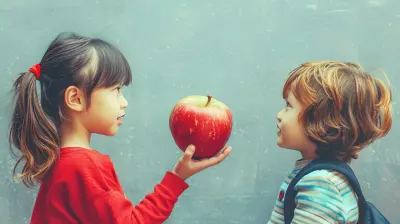
all images in this post were generated using AI tools
Category:
Communication With KidsAuthor:
Kelly Snow
Discussion
rate this article
2 comments
Dylan Anderson
It's essential for parents to find the balance between honesty and sensitivity when discussing major world events. Tailoring conversations to a child's age can foster understanding without overwhelming them, nurturing both awareness and emotional resilience.
August 18, 2026 at 3:00 PM
Zane Harper
This article offers valuable insights for parents on how to discuss complex world events with children. Balancing honesty and age-appropriateness is crucial for fostering understanding without overwhelming them.
May 27, 2026 at 4:52 PM
Kelly Snow
Thank you for your feedback! I'm glad you found the insights helpful for navigating these tough conversations with kids.