Teaching Kids About Portion Control Without Guilt
25 May 2026
Let’s be honest—teaching kids about portion control can feel like walking a tightrope. On one side, you want to model healthy eating habits. On the other, you don’t want to give them a complex about food or their bodies. It sounds tricky because... well, it is. But that doesn’t mean it’s impossible.
The good news? You can guide your kids to understand portion sizes and how food fuels their bodies without a lecture or guilt trip. This is about empowering them—not shaming them. Ready to dive in?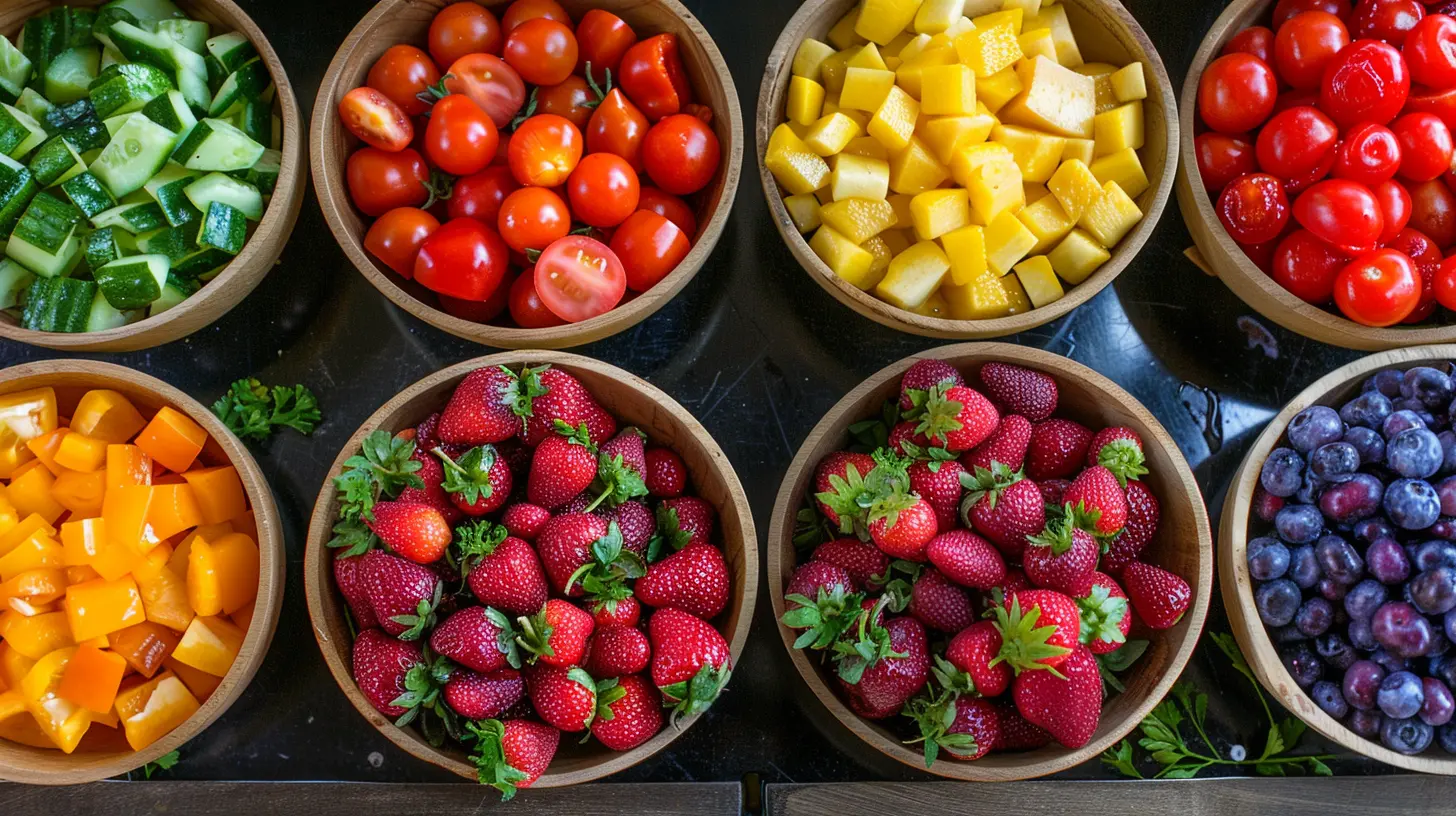
Why Portion Control Matters (Even for Kids)
Okay, before we get too deep, let’s talk about the why. Why does portion control matter anyway?Well, here’s the thing: Our bodies are pretty smart. They know when we’re hungry and when we’re full. But in today’s world of super-sized everything and all-you-can-eat buffets, it’s easy to lose that natural rhythm. Even kids can start to disconnect from their hunger cues.
By teaching portion control early—without making it a big, dramatic deal—your child learns to listen to their body. That leads to better energy levels, fewer sugar crashes, and a healthier relationship with food long term.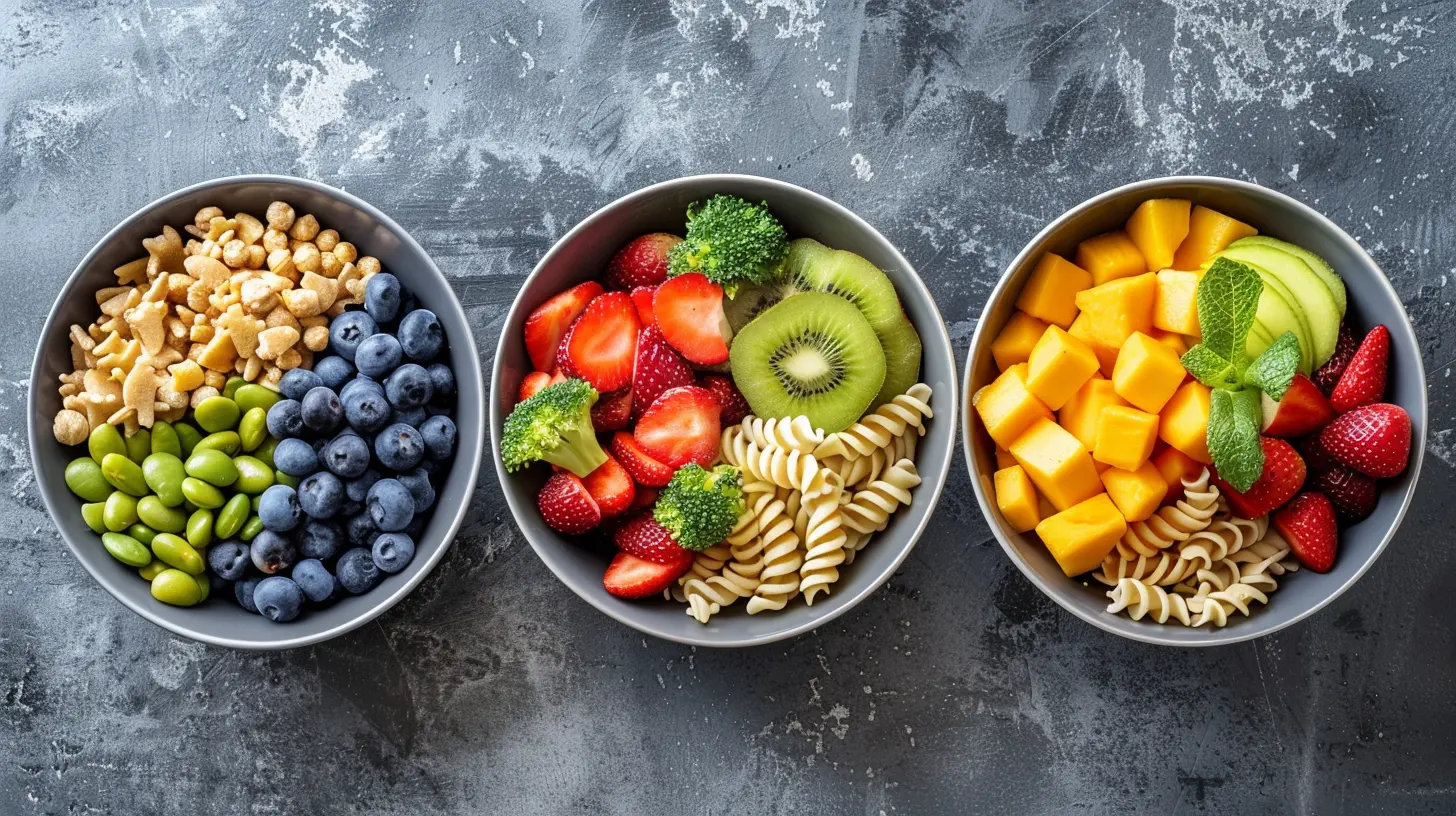
Breaking Down the Myths
Before we dive into strategies, let’s bust a few myths wide open.Myth 1: Portion Control = Dieting
Absolutely not. Teaching portion awareness is not about calorie counting or limiting your child’s food. It's about balance, not restriction.Myth 2: All Foods Have to Be “Healthy”
Nope. All foods fit! It’s totally okay for your kid to have cookies and chips. The goal is to help them enjoy those treats without overdoing it or feeling guilty later.Myth 3: Kids Will Just Grow Out of It
Sometimes, sure. But habits formed early often stick around. So why not help them build a mindful relationship with food now?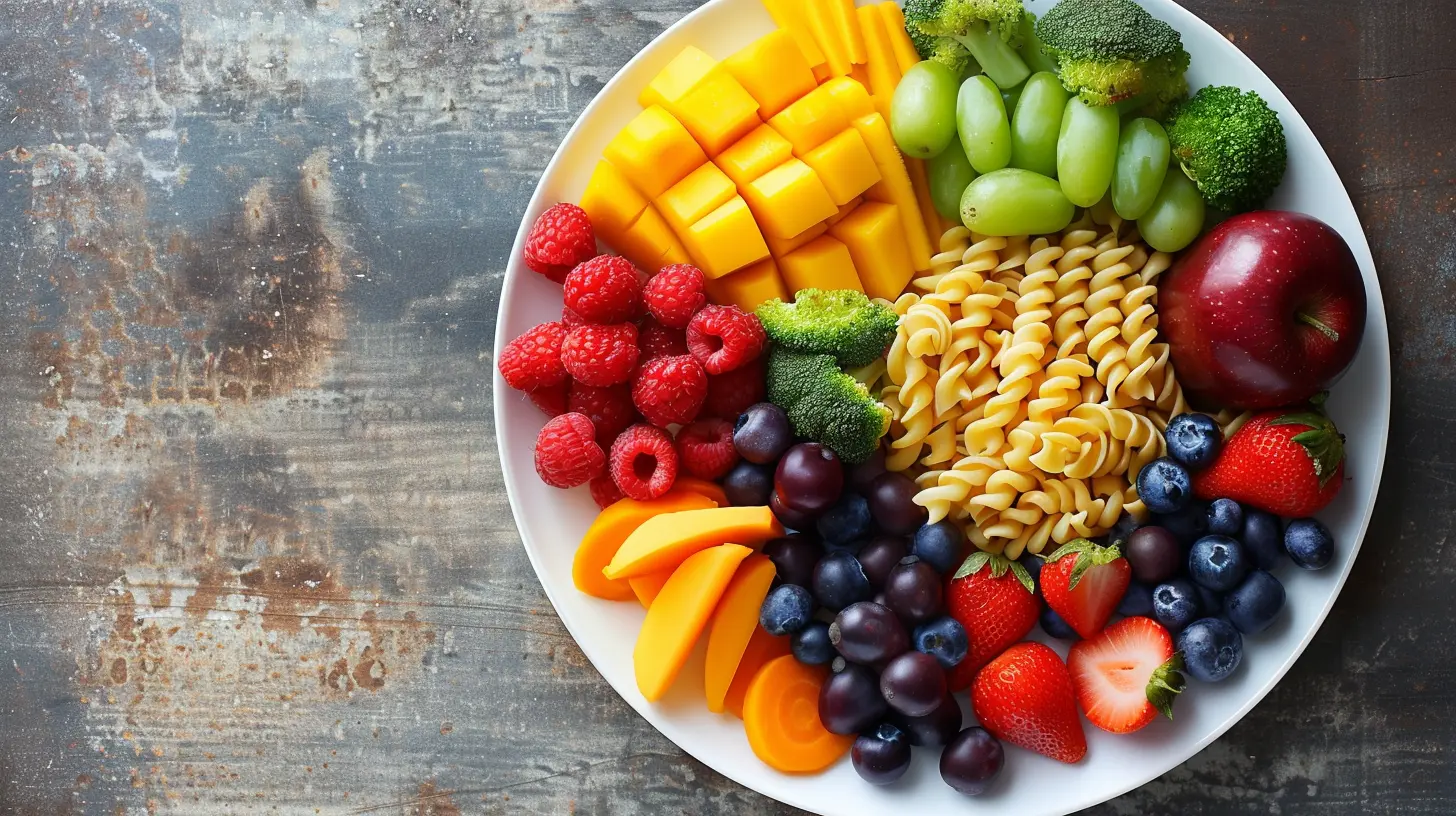
The Guilt-Free Mindset: Start With You
Here’s where it starts—your mindset. Yep, you.Kids are little sponges. They absorb your attitudes and behaviors, especially around food. If they see you constantly talking about "good" vs. "bad" foods, skipping meals, or apologizing for eating a brownie, they’ll start to pick that up.
Instead, show them what it looks like to enjoy food without shame. Eat the cake. Enjoy your salad. Maybe have both. Show them that food is fuel and fun—not something to feel bad about.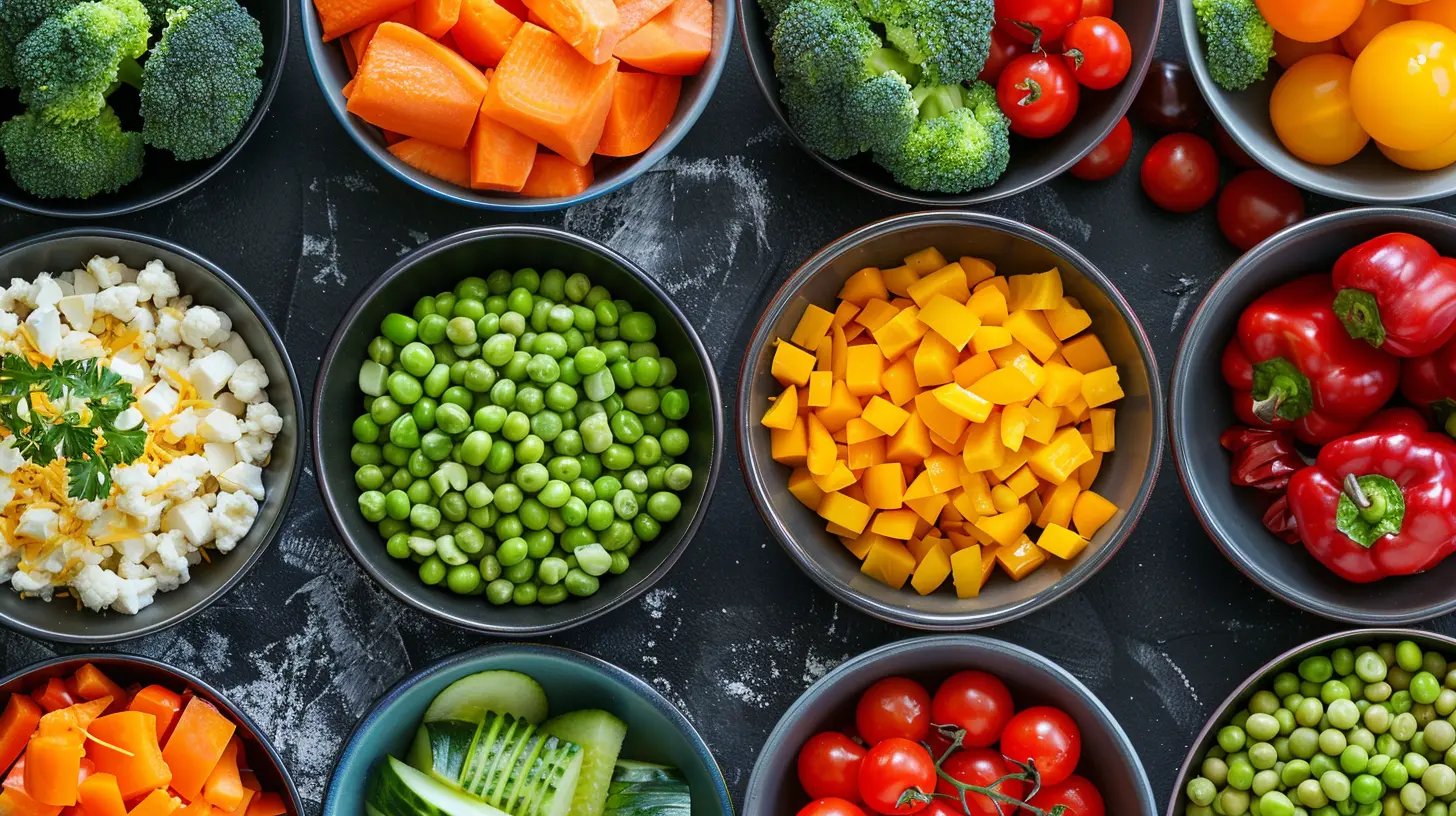
8 Practical, Guilt-Free Ways to Teach Portion Control
Alright, let’s get into the good stuff. Here’s how to teach your kids about portions without making it awkward or negative.1. Use Plates as Visual Cues
Sometimes it’s just about visuals. Use the plate to guide proportions.- Half the plate: fruits and veggies
- A quarter: protein (like chicken, tofu, or beans)
- Another quarter: carbs (rice, potatoes, etc.)
Not only is this simple, it’s also super neutral. No lectures, just balance.
2. Make It a Family Thing
Kids are way more likely to follow along if they see the whole family doing it. Serve meals family-style and let everyone choose their own portions—yes, even your preschooler!It gives them autonomy and teaches them how to self-serve mindfully.
3. Talk About Hunger and Fullness Cues
This sounds fancy, but it’s really simple. Ask your kids questions like:- “Is your tummy growling?”
- “Do you feel satisfied?”
- “Are you eating because you're hungry or just bored?”
This helps them pause and check in with their bodies. It’s like giving them a built-in food compass.
4. Avoid the “Clean Your Plate” Rule
We’ve all heard it: “Finish your food or no dessert!” But forcing kids to eat everything, even when they’re full, teaches them to ignore their bodies.Instead, try this: “Eat until your tummy feels happy.” Let them know it’s okay to save leftovers for later.
5. Offer Small Portions First
Start small. Kids can always ask for seconds, right?Giving them smaller portions at first reduces food waste and helps them recognize how much they actually need. If they’re still hungry? Great! They can always go back for more.
6. Keep Treats Normal, Not Forbidden
Making sweets the forbidden fruit only makes them more tempting. Instead, include small treats into regular meals or snacks without drama.That way, kids won’t feel the need to overindulge when they do get access.
7. Get Them Involved
Let your child help with meals! When they cook or plate their food, they start to understand what goes into a balanced meal.Plus, they get a little independence—which is always a win.
8. Celebrate All Foods
Talking about nutrition doesn’t have to be black-and-white. Describe foods in terms of how they help our bodies:- “Carrots help your eyes.”
- “Protein helps you grow strong.”
- “Ice cream is fun and makes us happy sometimes!”
This takes the morality out of food and brings it back to joy and function.
Language Matters: What (Not) to Say
When talking about portion control, words go a long way. Choose phrases that build confidence, not guilt. Here are a few swaps:| Instead of saying... | Try saying... |
|----------------------|----------------|
| “Don’t eat that; it’s bad for you.” | “Let’s enjoy a little now and save some for later.” |
| “That’s too much.” | “Is your tummy full?” |
| “Finish your plate.” | “Listen to your body—are you still hungry?” |
| “You’re eating too fast!” | “Slow down and taste every bite—what flavors do you notice?” |
See the difference? It’s more about helping your child tune in, not feel judged.
Real-Life Moments that Teach
You don’t need a formal “portion control lesson.” Life gives you plenty of teachable moments. Try these:- Snack time: Offer a snack on a small plate, not from the bag. Boom—portion control made easy.
- Cooking together: “Let’s add this much pasta for each of us. What do you think is the right amount?”
- When they’re still hungry after dinner: “Would you like more veggies or some fruit before dessert?”
These little nuggets add up, and they make learning second nature.
What If They Overeat?
First, don’t panic. Overeating happens—to all of us.Rather than scolding or shaming, talk it through gently. Ask how their tummy feels. Say something like, “Sometimes I eat too fast too. Next time, let’s try slowing down together.”
The goal isn’t perfection. It’s progress. It's tuning into the body’s signals and learning from the experience.
Long-Term Wins: What Healthy Portion Habits Can Do
When kids understand portion control without shame, something magical happens:- They become intuitive eaters.
- They develop a balanced, guilt-free relationship with food.
- They’re more likely to make healthy choices on their own.
Even better? They learn that their bodies are worth listening to and respecting.
Final Thoughts: It’s a Journey, Not a Sprint
Teaching kids about portion control without guilt isn’t a one-and-done deal. It’s a slow drip, a series of everyday moments where you model, encourage, and guide.There will be days they eat too much. Days they eat too little. Days they only want mac and cheese.
And guess what? That’s totally normal.
Stay patient, be kind, and remember—you’re shaping more than eating habits. You’re shaping their lifelong relationship with food, and that’s pretty amazing.
all images in this post were generated using AI tools
Category:
Healthy MealsAuthor:

Kelly Snow
Discussion
rate this article
1 comments
Morrow Stevens
Teaching kids about portion control is essential for developing healthy habits. Focus on balance and understanding hunger cues, rather than instilling guilt around food choices.
May 29, 2026 at 3:16 AM
Kelly Snow
Absolutely, teaching portion control with an emphasis on balance helps kids develop a positive relationship with food. It's all about fostering understanding, not guilt.