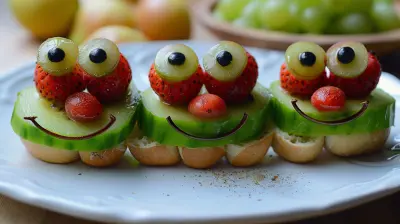
Teaching Kids the Importance of Mindful Eating
2 June 2026
Let’s be honest—parenting is hard enough without worrying about whether your child is gulping down a snack while zoning out in front of the TV. From picky eaters to sugar cravings that seem stronger than a toddler’s willpower, trying to instill healthy habits can feel like climbing Mount Everest in flip-flops.
But what if I told you there's a beautiful, simple concept that could help teach your kids to appreciate their food, listen to their tummies (yes, their actual stomachs), and build a lifelong relationship with good eating habits?
That concept is mindful eating.
It’s not just another health trend—it’s a powerful tool. And when we pass this on to our kids, we’re giving them more than healthy lunchboxes; we’re giving them inner wisdom they can carry into adulthood.

What Is Mindful Eating Anyway?
Mindful eating isn’t about counting every bite or turning dinner into yoga practice. It’s simply paying attention to the experience of eating.Think of it like this: it's the difference between wolfing down a drive-thru burger while texting, and really sitting down to enjoy a slice of warm homemade pizza. You notice the smell, the texture, the taste—the full experience.
For kids, it means slowing down, tuning in, and actually enjoying the food—not just chewing and swallowing without a second thought.
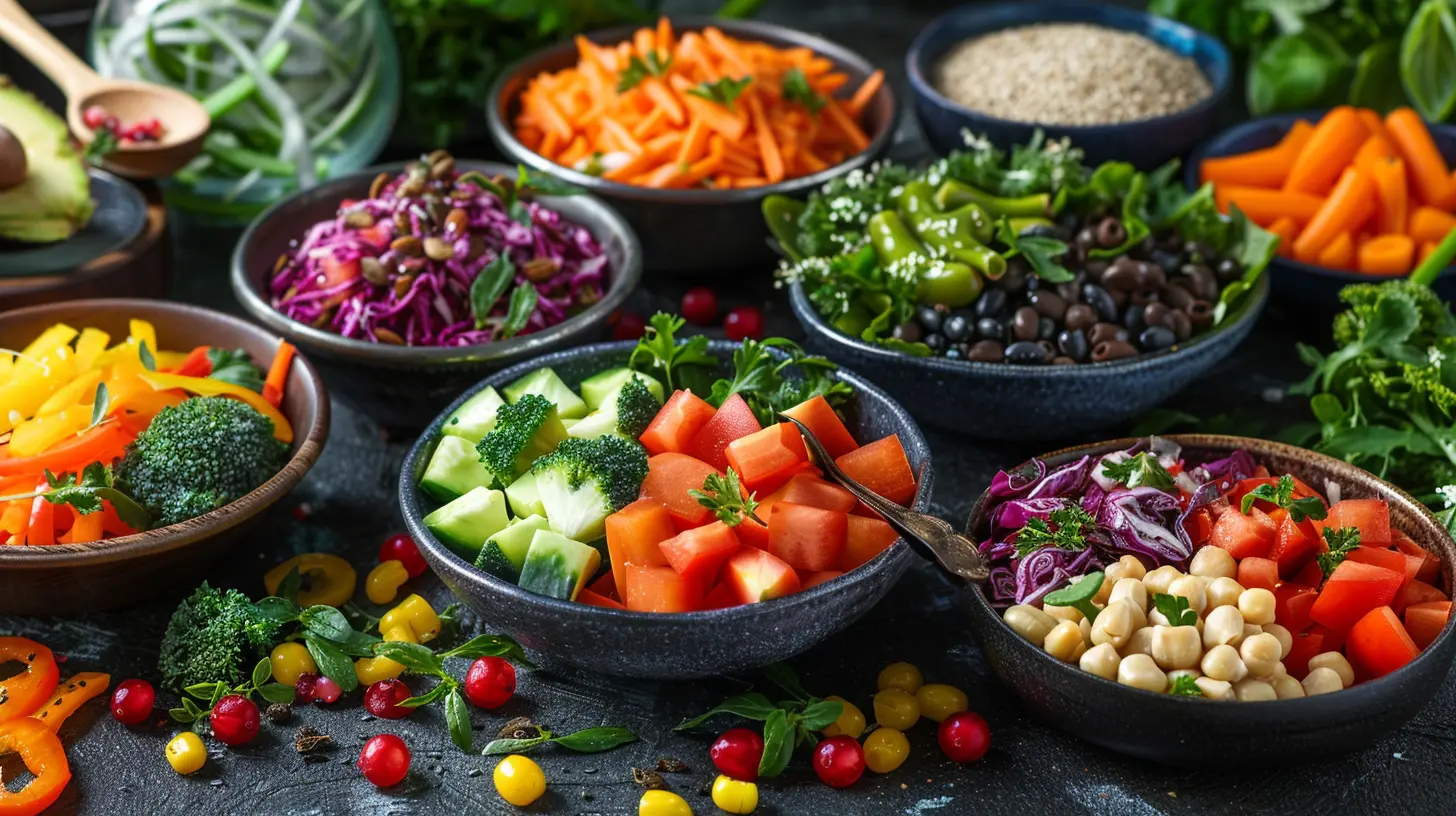
Why Should Kids Learn Mindful Eating?
Because let’s face it—the world is noisy. Screens are everywhere, schedules are packed, and fast food is, well, fast. Most of us are guilty of distracted eating, and our kids are picking up on those habits too.Here’s the thing though—mindful eating helps kids:
- Understand when they’re full or still hungry
- Appreciate what’s on their plate
- Make healthier choices naturally
- Feel more connected to their bodies
- Reduce emotional eating
Basically, it’s like giving them a superpower that supports both physical and emotional health. Not bad, right?
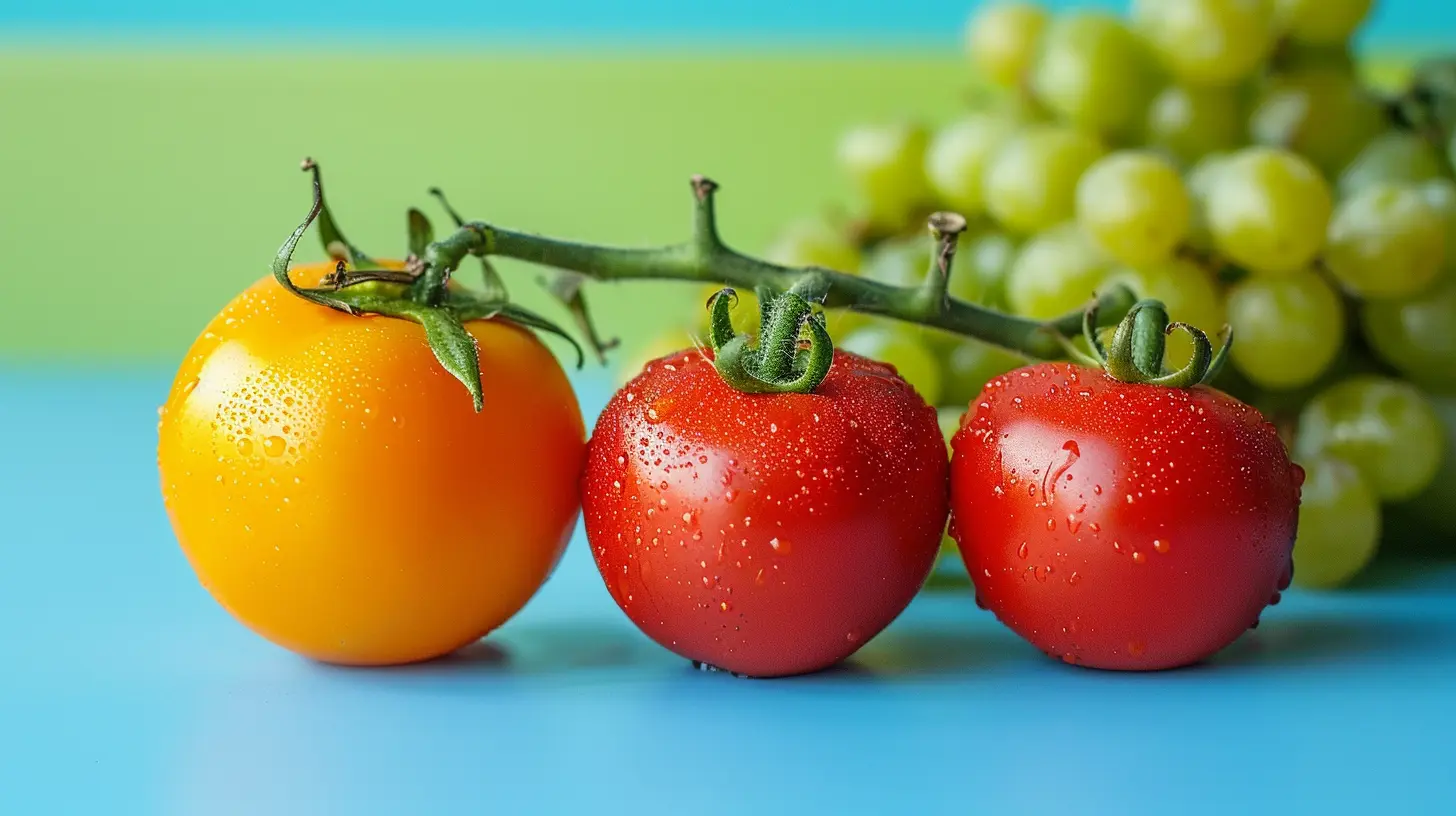
When Should We Start Teaching It?
Right now. Yup, whether your kid is still in diapers or already borrowing your car keys, it’s never too early—or too late—to introduce the idea of mindful eating.In fact, younger children are usually more open to it because they haven’t had years of distracted eating habits yet. They’re naturally curious and love learning new ways to explore the world—including food!
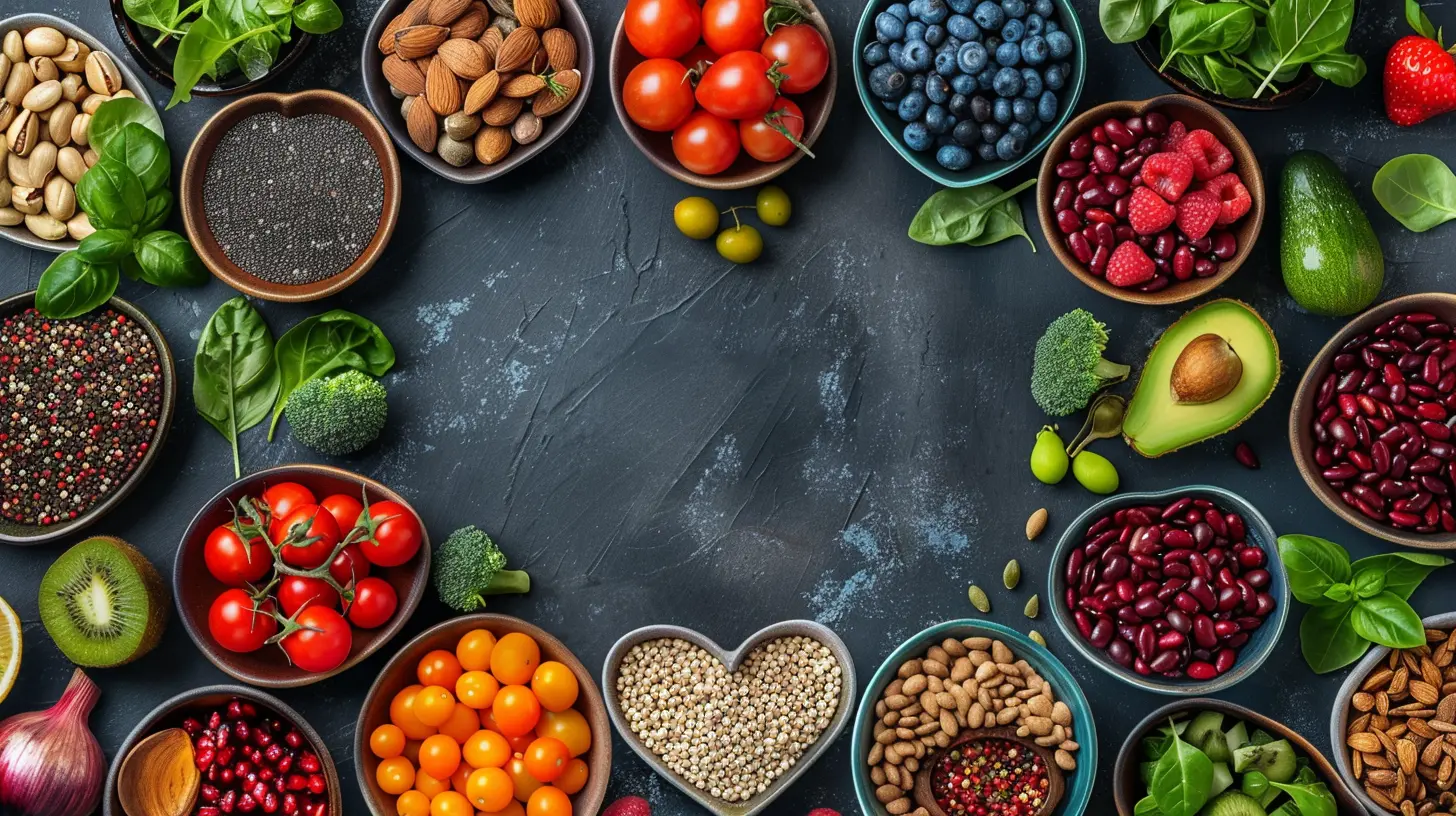
Simple Ways to Teach Mindful Eating at Home
You don’t need to go full Zen master to teach your kids mindful eating. It's not about perfection; it's about being present. Here are some real-life, doable ways to get started:1. Be a Role Model (Monkey See, Monkey Do)
Let’s start with the big one—you. Kids, especially little ones, are always watching. So if you’re scrolling through Instagram while scarfing down lunch, they’ll think that’s normal.Try this instead: sit down, put your phone away, and take a few moments to really enjoy your meal. Share what you’re noticing out loud:
> “Wow, this apple is so crunchy!”
> “I love how the pasta melts in my mouth.”
> “This soup smells amazing, doesn’t it?”
You’re setting the tone without lecturing. That’s parenting gold.
2. Create Screen-Free Meal Times
This one might sting a little, especially after a long day when a cartoon buys you just 10 minutes of peace. But screens kill mindfulness. They pull attention away from the food and the eating experience.Create a “no screens at the table” rule for everyone (yes, even you). Instead, use mealtime as a way to connect with your child. Talk about their day, their favorite part of the meal, or something funny that happened.
It may feel tough at first, but over time, it becomes your sacred family time.
3. Use the Power of Curiosity
Kids are naturally inquisitive. Use that to your advantage. Before eating, encourage them to explore their food:- What color is it?
- How does it smell?
- Is it soft or crunchy?
- What does it taste like?
Turn eating into an adventure for the senses. It taps into their imagination and makes food more exciting.
It’s like transforming broccoli from “the green tree I hate” into “the crunchy forest monster I must conquer.” Suddenly, they want to eat it just to find out what it tastes like.
4. Slow It Down
Mindful eating isn’t a race. But kids (and okay—let’s admit it—some adults too) treat meals like a competitive sport.Teach them to hit the brakes. Have them put their fork down between bites. Count to five. Chew slowly. Sip water.
And most importantly, let them eat without rushing. If it takes 30 minutes, so be it. Slowing down helps them notice when they’re full, which means fewer food battles and less overeating.
5. Talk About Hunger and Fullness Cues
This is so important. Teaching your child to connect with their body's signals builds confidence and self-trust.Ask questions like:
- “Do you feel hungry or just bored?”
- “Is your belly full now?”
- “Do you need more food or is that enough?”
Praise them when they say they’re full, even if there’s food left.
> Remember: clean plates don’t equal good kids. Listening to their bodies does.
6. Practice Gratitude
Food is a gift—something not every child in the world has easily. Taking a moment to appreciate what’s on the plate can help your child develop respect for food and reduce waste.Before meals, you can say something simple like:
> “Let’s take a second to thank the farmers, the animals, the grocery workers, and the cook (that’s probably you!) for this meal.”
It not only grounds the experience but builds empathy too.
7. Encourage Participation
Get your kids involved in the kitchen. Let them stir the soup, mash the potatoes, or help set the table. When they’re part of preparing the meal, they’re more in tune with what they’re eating.It also gives you a chance to talk about ingredients and where food comes from. Bonus: it sharpens their math and motor skills too. Total parenting win.
8. Make It Fun, Not Forced
The last thing you want is to turn mindful eating into a chore. It’s not a rulebook. It’s a way of life.Laugh at the mess. Talk about flavors. Enjoy meals together. The more fun and relaxed it is, the more it’ll stick.
Common Obstacles (And How to Handle Them)
Alright, let’s get real for a second. This all sounds amazing in theory, but what about the chaos of actual parenting?"My Kid Won’t Sit Still!"
Totally normal. Don’t expect a three-year-old to sit like Buddha for 30 minutes. Keep meals short and sweet at first. Gradually build up their attention span. Even a few mindful bites are a step in the right direction."We’re Too Busy"
Welcome to the club. But even if it’s just one screen-free, connected dinner a week—it counts. Start small. Over time, mindful moments will sneak into more meals."They Just Want Junk Food"
Guess what? Mindfulness doesn’t mean banning cookies. It means enjoying them slowly, savoring every bite. The trick is not labeling foods “good” or “bad.” Instead, help your kids learn how different foods make them feel.> “How did that candy make your body feel after eating it?”
> “Do you feel full or still hungry?”
Let them tune into their bodies. You’ll be amazed at how their choices shift on their own.
Long-Term Benefits You’ll Be Grateful For
If you stick with this mindful eating thing, even in small ways, you’re setting your child up for some seriously amazing benefits.They’ll grow up with:
- A healthier relationship with food
- Lower risks of obesity and eating disorders
- Better emotional regulation
- Improved digestion
- Enhanced focus and concentration
And maybe best of all? Mealtimes won’t feel like constant battles. They become a time for connection and calm.
Final Thoughts: Planting Seeds of Awareness
Teaching kids the importance of mindful eating isn’t a one-time conversation. It’s a slow, steady coaching process. You’re watering little seeds of awareness, and with some patience, those seeds will bloom into empowered, self-aware eaters.Think of this journey like gardening. You won’t see instant results. But if you keep showing up, guiding gently, and creating a supportive mealtime environment, you’ll watch your child grow into someone who truly listens to their body.
And that, my friend, is one of the greatest gifts you can offer.
all images in this post were generated using AI tools
Category:
Healthy MealsAuthor:

Kelly Snow
Discussion
rate this article
1 comments
Arwenia McClendon
Mindful eating is a wonderful lesson for kids. It helps them appreciate food, understand their bodies, and develop healthier habits. By encouraging them to savor their meals, you're giving them tools that will benefit them for life. Keep inspiring those positive choices!
June 5, 2026 at 2:34 PM
Kelly Snow
Thank you! I'm glad you see the value in mindful eating for kids. It truly sets the foundation for lifelong healthy habits.