The Do’s and Don’ts of Caring for a Teething Baby
23 January 2026
Teething—it's one of those milestones that brings a mix of emotions for parents. On one hand, you're excited to see those adorable little chompers pop through. On the other? Well, it can be a nerve-wracking experience filled with drool, fussiness, and restless nights. Parenting is hard enough, but when baby’s first teeth are cutting through their delicate gums, it can feel like a whole new level of challenge.
So how do you help ease that discomfort and make this phase a little smoother for both you and your little one? Let’s dive into the tried-and-true do’s and don’ts of caring for a teething baby. By the end of this guide, you'll be armed with practical tips and all the knowledge you need to soothe your baby as they go through one of the first major steps in their development.

What is Teething?
Before we jump into the do’s and don’ts, let’s quickly cover what teething actually is. Teething is the process of your baby’s first set of teeth, also known as baby or milk teeth, breaking through the gums. Most babies start teething around 6 months old, but it can happen earlier or later.The two bottom middle teeth (lower central incisors) are usually the first to appear, followed by the top middle teeth. By age 3, most kids will have a full set of 20 primary teeth.
Now that we’ve got the basics covered, let’s look at how you can help your baby through this sometimes tricky stage.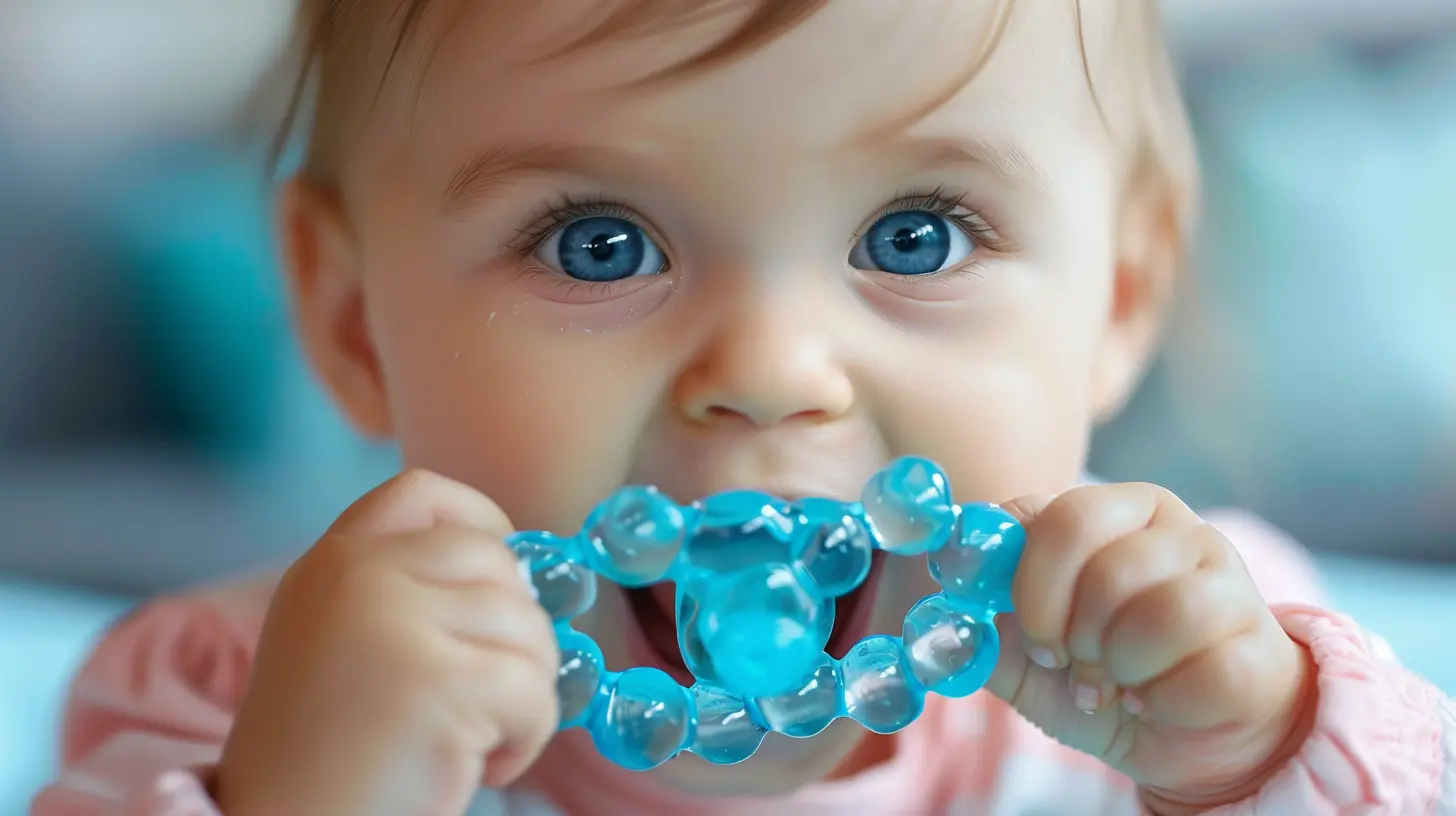
The Do’s of Caring for a Teething Baby
1. Do Offer Teething Rings
Teething rings can be a lifesaver. They provide something for your baby to chew on, which helps to ease the pain by applying pressure directly to the gums. You can even pop a teething ring in the fridge (but never the freezer!) for a cooling effect. The cold can be soothing on inflamed gums, and your baby will love the relief it provides.Just make sure the teething ring is made from safe, non-toxic materials. Some have liquid-filled centers, but these can break and leak, so always supervise your baby while they’re gnawing on one.
2. Do Use a Cold Washcloth
If you don’t have a teething ring on hand, a clean, cold washcloth works just as well! Wet a clean cloth, wring out the excess water, and place it in the refrigerator for a bit. Once it's cold, let your baby chew on it. The texture and the cold temperature will help to soothe their gums.Plus, it’s a fantastic, budget-friendly option. Win-win, right?
3. Do Massage Their Gums
Sometimes, a little gum massage is all your baby needs for a bit of relief. Wash your hands thoroughly and gently run your finger over their gums in circular motions. The pressure helps soothe the discomfort, and sometimes the direct contact is even more effective than any chew toy or teething ring.You might get a little nibble back once in a while, but that’s just your baby trying to tell you, "Hey, it’s working!"
4. Do Provide Cold Foods (When Appropriate)
If your baby has started eating solids, cold foods like yogurt, pureed fruits, or applesauce can be very soothing. They not only provide a distraction but also help numb the sore spots on the gums.Just make sure whatever you're offering is age-appropriate and won’t pose a choking risk. Avoid anything too hard, and stick to soft, cold foods.
5. Do Offer Distraction
Sometimes the best cure for a cranky, teething baby is simply to distract them. Whether it’s a favorite toy, a song, or even some outdoor time, distractions can help take their mind off the discomfort. Engage their senses with something fun, and you might just buy yourself a bit of peace in the process!6. Do Continue Oral Care
Even though your baby’s teeth are just starting to appear, it’s never too early to start good oral hygiene habits. Once those first teeth poke through, gently clean them with a soft, damp cloth or a specialized baby toothbrush. No need for toothpaste at first—just water will do.And while it may seem like taking care of those tiny teeth isn’t important, starting early teaches your child that oral care is just a regular part of life.
The Don’ts of Caring for a Teething Baby
1. Don’t Ignore the Signs of Teething
While teething can be obvious (hello, excessive drooling and irritability!), sometimes the signs are a bit more subtle. Look for:- Chewing on objects (like toys, blankets, or even their hands)
- Swollen gums that appear red or puffier than usual
- Increased fussiness, especially during naps or bedtime
- Changes in eating habits: Your baby might not want to eat as much or may be more interested in chewing than eating.
It’s important to recognize these signs early so you can take action to ease their discomfort.
2. Don’t Use Frozen Teethers
Cold is good, but frozen is a no-no. It may seem like freezing a teething ring will offer extra relief, but extreme cold can actually do more harm than good. Frozen teethers become too hard and can bruise or cause damage to your baby’s delicate gums.Instead, stick to cooled (refrigerated) teethers or a chilled washcloth.
3. Don’t Use Teething Gels or Tablets Without Consulting a Doctor
Over-the-counter teething gels and tablets are readily available, but they’re not always safe. Many of these products contain benzocaine or other chemicals that are not recommended for infants without medical advice. Benzocaine, in particular, has been linked to a rare but serious condition called methemoglobinemia, which reduces the amount of oxygen carried in the bloodstream.Always consult your pediatrician before using any medications or teething gels.
4. Don’t Use Hard or Small Teething Toys
While it may seem obvious, avoid giving your baby anything hard or small to chew on. Hard objects can cause more pain and irritation, and small objects pose a choking hazard.Stick to toys designed specifically for teething that are the right texture and size. Ensure they’re made from safe, non-toxic materials, and are easy to clean.
5. Don’t Panic Over Fever or Diarrhea
Many parents associate teething with symptoms like fever, diarrhea, or even rashes. However, these symptoms aren’t necessarily caused by teething itself. While babies may feel slightly warm during teething, a high fever (over 101°F) or persistent diarrhea should be evaluated by a doctor.Teething can make babies more prone to infections because they often put things in their mouths, but generalized sickness like fever or diarrhea is usually unrelated to teething. Don’t brush it off as "just teething" and consider consulting your pediatrician if these symptoms persist.
6. Don’t Forget to Offer Extra Cuddles
We’re not saying you don’t cuddle your baby already (because let’s face it, who can resist!). But during teething, your baby might need a little extra TLC. They’re uncomfortable, and all they want is to be close to you. Sometimes, simple comfort from mommy or daddy can do wonders. Wrap them up in a cozy blanket and let the snuggles commence!
Final Thoughts
Teething is one of the first big challenges both parents and babies face together. It can feel tough, but with a little patience, love, and the right do’s and don’ts, you can make it a lot easier on both of you.Remember that every baby is different. Some sail through teething with barely a whimper, while others are more vocal about their discomfort. No matter where your baby falls on that spectrum, you’re there to support them—and that’s what matters most.
Whether you're armed with cold washcloths, teething rings, or just extra cuddles, you'll get through this phase with flying colors. And soon enough, you'll be seeing those adorable toothy grins!
all images in this post were generated using AI tools
Category:
Teething BabyAuthor:

Kelly Snow
Discussion
rate this article
2 comments
Diana Bryant
Great tips! Essential for new parents!
February 19, 2026 at 4:56 AM
Kelly Snow
Thank you! I'm glad you found the tips helpful for new parents!
Myles Hernandez
Gentle relief techniques work best.
January 23, 2026 at 5:18 AM
Kelly Snow
Absolutely, gentle relief techniques can provide comfort and ease for teething babies.