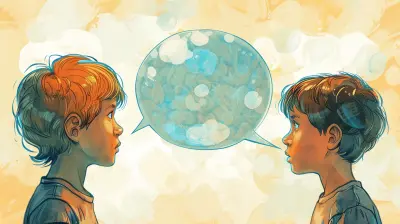
The Emotional Side of Fatherhood: Balancing Strength and Vulnerability
23 December 2025
Let’s cut to the chase—fatherhood is an emotional rollercoaster. One moment you're a superhero in your kid’s eyes, and the next, you're hiding in the bathroom trying not to cry because your toddler just told you they “don’t love you anymore” for not letting them eat cookies for dinner.
Being a father isn't just about providing, teaching, and disciplining. It’s a deeply emotional journey—full of joy, fear, guilt, pride, and the occasional “Am I even doing this right?” spiral. That’s the side we don’t talk about enough. The side where strength and vulnerability collide.
Let’s dive into the emotional side of fatherhood and figure out how to balance being a rock with having a soft spot—because guess what? You don’t have to choose one over the other.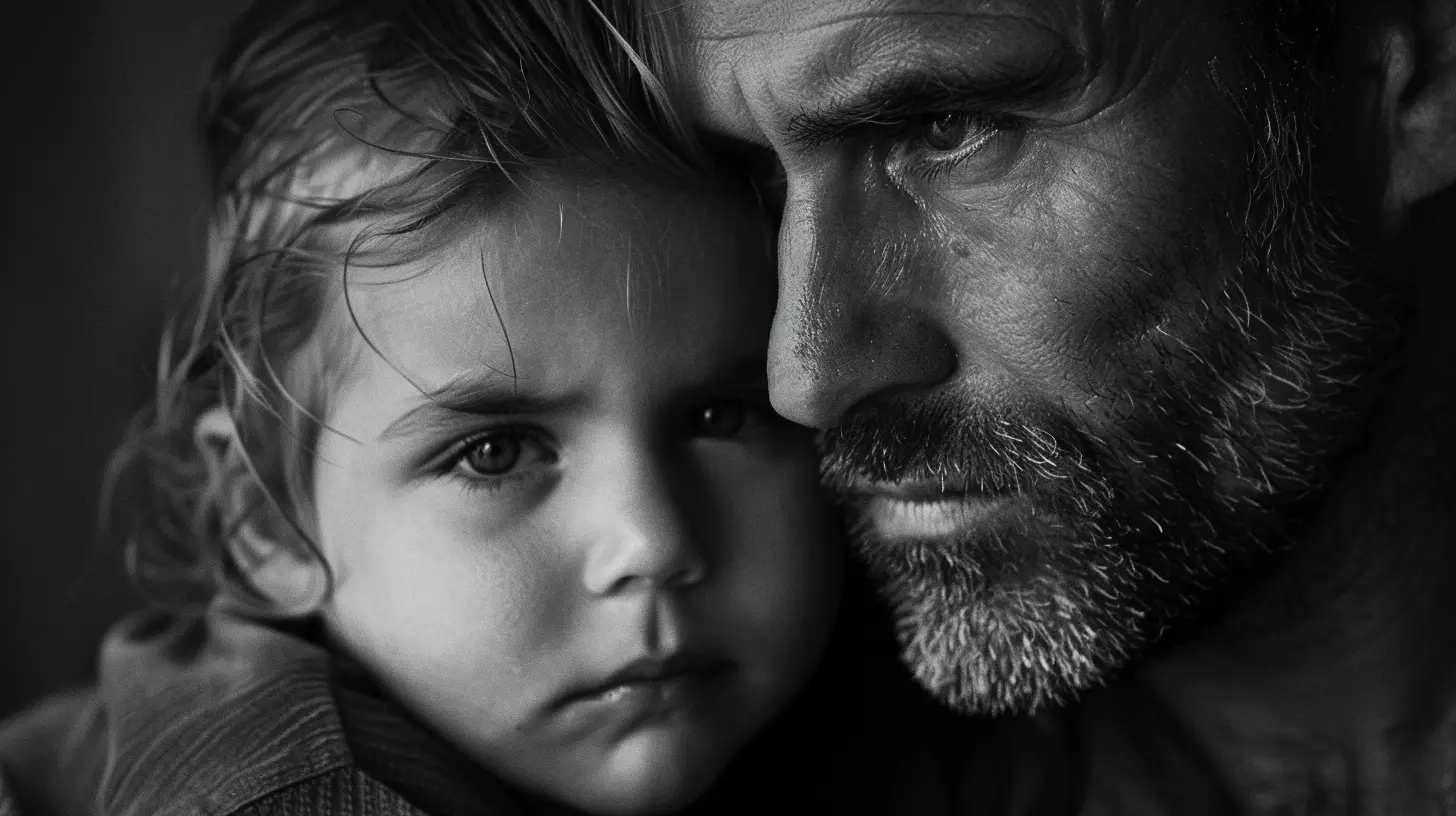
The Changing Face of Fatherhood
Once upon a time (not too long ago), fathers were expected to be stoic providers. Tough. Unshakeable. All business.But times have changed.
Today, the world is finally starting to acknowledge that dads have feelings too. We laugh, we cry (sometimes secretly), we worry, and we love fiercely. While society still puts pressure on fathers to “man up,” more and more dads are tearing down those emotional walls.
And it’s about time.
Emotions Don’t Make You Weak—They Make You Human
There’s this ridiculous myth that showing emotion is a sign of weakness—especially for men. That’s nonsense. Suppressing your feelings doesn’t make you strong. It makes you disconnected—from your kids, your partner, and yourself.Let’s be real—kids don’t need perfect dads. They need present ones. And being emotionally present sometimes means being vulnerable. If you've ever choked up during your child's school play or felt terrified the first time they had a fever, guess what? You're doing it right.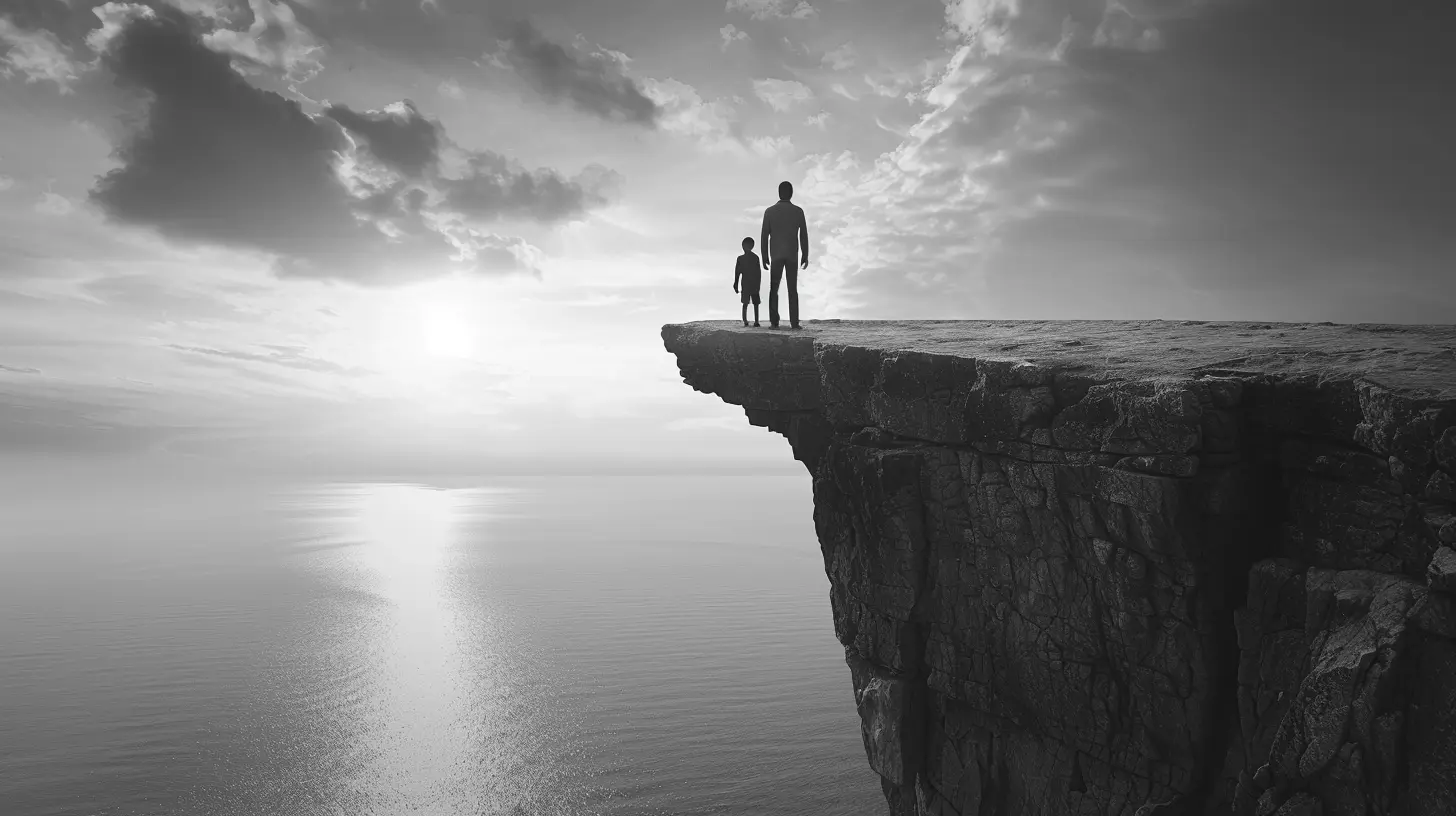
The Strength in Vulnerability
Here’s the thing: vulnerability takes guts.Think about holding your newborn for the first time. That helpless little human depending on you for everything. That’s not just a weight on your shoulders—it’s a weight on your heart.
Letting yourself feel that weight? That’s vulnerability.
Choosing to face those feelings instead of burying them? That’s strength.
Showing your child that it’s okay to cry, to apologize, to admit you’re scared—that's modeling emotional intelligence. And it sticks. You’re teaching them that emotions aren’t threats to their power, but extensions of their humanity.
The Pressure to Be "The Rock”
Every family needs some sense of stability. But who decided that “stability” means never flinching, never feeling, never breaking a sweat?The truth? Acting like everything's fine when it’s not doesn’t make you the rock. It makes you a ticking time bomb.
Being “the rock” should mean being reliable, consistent, and strong enough to open up. Being the rock is letting your partner know when you’re overwhelmed. It’s telling your kids you’re having a rough day. It’s understanding that real strength comes from connection, not isolation.
Why Dads Bottle Things Up (And Why We Shouldn’t)
Many fathers grew up with dads who didn’t talk about feelings. Emotions were either ignored or punished.We carry that legacy—even if we don’t mean to.
Maybe you bottle things up because you think your job is to “protect” your family from your stress. Maybe you feel like expressing emotion will make you seem less competent.
But here’s the kicker: our kids learn how to handle emotions by watching us. If we pretend we don’t have any, we’re teaching them to do the same. And that cycle? It has to end with us.
Embracing the Full Emotional Spectrum
Fatherhood brings every emotion to the table. Pride when your kid takes their first steps. Anger when they throw a tantrum in the supermarket. Guilt for missing a bedtime story. Fear the first time they ride a bike without training wheels. Joy when they say, “I love you, Daddy.”Feeling all of this is normal. Suppressing it is not.
You don’t have to sort these emotions out in one go. Just acknowledging them is a major step. Talk to your partner. Journal. Call a friend. Cry in the laundry room if you have to (we’ve all been there).
When Strength Looks Like Asking for Help
Here’s a bold idea: strength looks like asking for help.Mental health isn’t a mom-only issue. Dads deal with anxiety, depression, burnout, and even postpartum struggles (yes, dads can experience that too).
It’s okay to reach out. It's okay to tell your doctor you're overwhelmed. It's okay to ask your friend how he handled sleep deprivation or toddler tantrums.
You’re not failing—you’re fathering.
Real Talk: Emotional Moments That Break Every Dad
Alright, let’s get raw. Here's what every dad (no matter how tough) secretly tears up over:- The first time your baby says, “Da-da.”
- The day you realize they’re too big to carry up the stairs.
- Their first heartbreak—and you can't fix it.
- Watching them succeed without you.
- Packing them up for college.
- Hearing them say, “Thanks, Dad. You were always there.”
Fatherhood is full of gut-punch moments that remind you how deep love really runs.
Teaching Sons and Daughters About Emotions
If you have a son, showing emotions tells him it’s okay to feel. That he doesn't have to be “tough” all the time.If you have a daughter, you showing emotions teaches her what kind of man she deserves—a kind, present, emotionally intelligent one.
Either way, you're shaping a future where emotional awareness is a strength, not a liability. That’s generational change, my friend.
Creating an Emotionally Healthy Home
So how do we balance strength and vulnerability in day-to-day fathering?Here are a few game-changing habits:
1. Talk About Your Feelings
Simple stuff like, “Daddy had a hard day today” goes a long way. It normalizes emotions.2. Apologize When You Mess Up
Yelling happens. But so does saying “Sorry I raised my voice. I was frustrated.”3. Make Space for Emotions
Let your kids cry. Let yourself cry. Create a home where no one has to pretend.4. Connect Through Play
Some of the most emotional bonds happen when you’re goofing around on the floor building block towers. It’s not just play—it’s heart work.5. Model Self-Care
Take breaks. Go for a walk. Meditate. Journal. Show your kids that taking care of yourself matters.You Don’t Have to Be Perfect—Just Present
Let’s drop the myth of perfection. You’re going to screw up. You’ll lose your patience. You’ll forget a lunchbox or miss a recital. But those things don’t define you.What defines you is your presence.
Show up. Feel deeply. Speak honestly. That’s the kind of father your kids will remember. That’s the kind of dad who makes a difference.
Final Thoughts: You’re Stronger Than You Think
Balancing strength and vulnerability doesn’t mean walking a tightrope. It means allowing both to coexist. It means knowing when to lead and when to lean. When to hug and when to hold the line. When to be the superhero and when to take off the cape for a while.It’s not easy—but it’s 100% worth it.
So go ahead. Be the rock. Be the soft place to land. Be the whole damn mountain.
Your kids don’t need a perfect father—they just need you.
all images in this post were generated using AI tools
Category:
FatherhoodAuthor:

Kelly Snow
Discussion
rate this article
2 comments
Harley Ruiz
This article beautifully captures the essence of fatherhood. Embracing both strength and vulnerability is vital for nurturing a deep connection with your children. Remember, it's okay to show emotions—it's a powerful way to lead by example.
January 17, 2026 at 4:41 PM
Kelly Snow
Thank you! I'm glad you resonated with the message. Embracing both strength and vulnerability truly enriches our connections with our children.
Loretta McKnight
Embrace both sides; it strengthens connection.
December 24, 2025 at 5:13 AM
Kelly Snow
Absolutely! Embracing both strength and vulnerability enriches our connections and fosters deeper relationships in fatherhood. Thank you for your insight!