The Impact of Parental Mental Health on Kids
11 February 2026
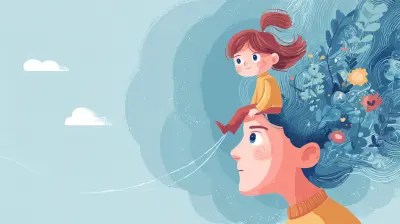
Let’s be real—parenting is hard. Between the sleepless nights, toddler tantrums, teenage rebellion, and trying to keep up with everything else in life, it's no surprise that many parents feel overwhelmed at times. But when stress, anxiety, or depression becomes chronic, it can start to affect more than just the parent. It can quietly trickle down into the lives of our kids, shaping how they grow, behave, and think about the world.
In this blog post, we’re diving deep into how parental mental health can influence a child’s development, emotions, and future—and why it’s crucial to break the silence around mental well-being in families. No judgments, just open, honest conversation.
Why Parental Mental Health Matters (More Than You Might Think)
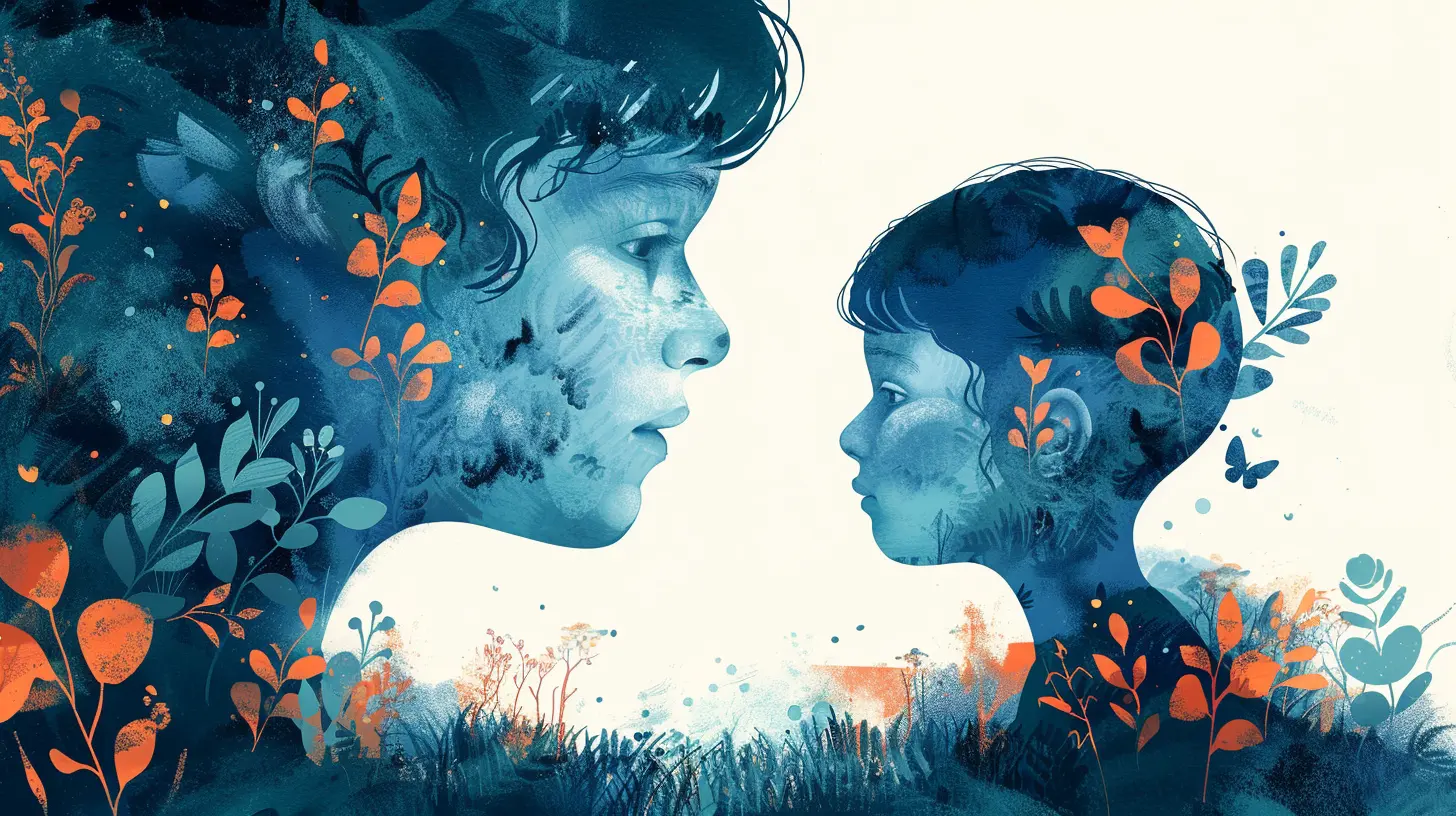
Children are emotional sponges. They soak up the feelings, attitudes, and behaviors of the people closest to them—especially mom, dad, or any parental figure they trust. So when a parent struggles with their mental health, their child isn’t just an observer. They’re often emotionally invested in it too.Let’s put it this way: if you're flying and the oxygen masks drop, you’re told to help yourself before helping others. The same applies to mental wellness. If you’re not okay, it becomes much harder to help your child feel okay.

The Emotional Ripple Effect: How Kids Internalize What They See
Imagine a parent who's constantly anxious. They may not say, “I'm anxious,” but their child sees the clenched jaw, hears the sharp tone, and feels the tension in the air. Kids pick up on all of that. Over time, they might start believing that the world is a scary place or that they need to "walk on eggshells" to keep the peace.Here’s the short version: parental mental health doesn't stay inside the parent. It spills over. And the ripple effect can touch almost every corner of a child’s life.
Emotional Development
A parent’s mental health directly influences a child’s capacity to manage their own emotions. If a parent is often withdrawn or emotionally unavailable due to depression, a child may struggle to understand and express their feelings. You could say it's like trying to learn to swim without a swimming instructor. Sure, it’s doable—but way harder and riskier.Behavioral Patterns
Children often mimic behaviors. A parent dealing with anxiety might become overprotective or hyper-vigilant. A child raised in that environment may adopt similar behaviors, avoid taking risks, or develop anxieties of their own. It’s like programming a computer—the inputs determine the outputs.
The Long-Term Impact on Mental Health
Here’s the challenging part: the effects of growing up with a parent who has untreated mental health issues can be long-lasting. We’re talking emotional, cognitive, and even physical health well into adulthood.Higher Risk of Mental Illness
Studies have shown that children of parents with mental health struggles are at a higher risk of developing anxiety, depression, and other mental health issues themselves. This doesn’t mean it’s set in stone, but it’s definitely a cause for concern—and attention.Academic and Social Challenges
A child who’s preoccupied with worry at home isn’t going to have much mental energy left for school or friendships. They might fall behind academically or struggle to connect with peers. And let’s be honest, school can be tough enough without carrying emotional baggage.Identity and Self-Worth
Kids often define their self-worth through their relationships with their parents. If those relationships are disrupted—by emotional distance, erratic behavior, or a lack of affirmation—it can lead to poor self-esteem and confusion about who they are.
Breaking the Stigma: It’s Okay to Not Be Okay
One of the biggest barriers to addressing these issues is the lingering stigma around mental health, especially for parents. After all, no one wants to be “that mom” or “that dad” who’s struggling. But here’s the thing—every parent struggles at some point. The real harm isn't in admitting you're having a hard time. It's in staying silent about it.Mental health is health. Full stop.
Seeking Help Is a Strength, Not a Weakness
You wouldn’t ignore a broken leg, right? Mental health deserves the same attention. Whether it’s seeing a therapist, talking to a doctor, leaning on a support group, or just opening up to a trusted friend—those first steps can make a world of difference.Taking care of your mental health isn’t selfish. It’s one of the most powerful things you can do for your child.
How to Support Your Kids When You’re Struggling
So what do you do if you’re dealing with depression, anxiety, or another mental health issue, and you’re worried about how it’s affecting your child?First off, you’re not alone. And second, there are practical things you can do right now—no huge overhauls required.
1. Be Honest (In a Kid-Friendly Way)
You don’t need to dump all your feelings on your child, but being honest in an age-appropriate way goes a long way.Try something like: “Mommy’s feeling really sad lately, and it’s not your fault. I’m getting help so I can feel better.” This helps kids understand that your mood isn’t because of them and shows that it’s okay to talk about emotions.
2. Keep Routines Steady
When everything else feels uncertain, routines give kids a sense of stability and control. Even simple routines like bedtime stories, family meals, or weekend walks can provide emotional anchors.3. Encourage Open Conversations
Let them talk. Let them feel. Encourage them to ask questions. When kids know it’s safe to express themselves, they’re more likely to speak up when they’re hurting too.4. Model Self-Care
This is a big one. Whether it’s taking a walk, journaling, or meditating—when your child sees you making time for your mental health, you’re teaching them the importance of self-care by example.5. Ask for Help
Don’t feel like you need to do it all alone. Reach out to a partner, a friend, a counselor. Even community resources or parenting support groups can be game-changers.
The Power of Resilience: It's Not All Doom and Gloom
Here’s the hopeful part: kids are incredibly resilient. With the right support, even children who grow up in tough environments can develop strength, empathy, creativity, and determination like you wouldn’t believe.Protective Factors That Make a Difference
- Strong relationships with other trusted adults- Open communication and emotional support
- Access to professional help when needed
- Validation and affirmation of their experiences and emotions
Even if a parent is struggling, just being there—showing love, listening, and trying—is huge. Kids don’t need perfect parents. They just need present ones.
When to Seek Professional Help (For You and Your Child)
Let’s not wait for things to get “bad enough.” If your mental health or your child’s emotional well-being is suffering, that’s reason enough to reach out.Here are some signs it might be time to get extra support:
For Parents:
- Persistent sadness or hopelessness- Loss of interest in things you used to enjoy
- Extreme fatigue or sleep issues
- Panic attacks or chronic anxiety
- Thoughts of self-harm or suicide
For Kids:
- Sudden changes in behavior- Emotional outbursts or withdrawal
- Sleep disturbances or nightmares
- Difficulty concentrating or falling behind in school
- Talking about feeling sad, scared, or worthless
If anything here resonates, talk to your doctor or consider counseling. And please, don’t wait. Early support can change the entire trajectory of both your life and your child’s.
Building a Healthier Home, One Step at a Time
The truth is, parenting while managing mental health challenges isn’t easy—but it’s far from impossible. In fact, embracing your struggles and seeking help can turn you into one of the strongest, most emotionally aware guides your child could have.Give yourself grace. The fact that you’re even reading this shows you care—and that matters more than you realize. Your mental health journey doesn’t have to be a burden your child carries. It can be a lesson in resilience, compassion, and courage that shapes them for the better.
So the next time you feel overwhelmed, remember: you matter, your feelings are valid, and taking care of your mind is one of the best gifts you can give your child.
all images in this post were generated using AI tools
Category:
Mental HealthAuthor:

Kelly Snow
Discussion
rate this article
2 comments
Thornefield Lamb
“Turns out, if you’re stressed and snappy, your kids might start acting like mini tornadoes. Great, now I have two disasters to clean up!”
March 1, 2026 at 3:49 PM
Kelly Snow
Absolutely! Children's behavior often reflects their parents' stress. It's crucial to prioritize self-care for everyone's well-being.
Madison Baxter
Great article! A positive reminder that our mental health deeply influences our children's well-being and happiness.
February 12, 2026 at 3:32 AM
Kelly Snow
Thank you! I'm glad you found it insightful. Our mental health truly plays a crucial role in shaping our children's lives.