The Impact of Teething on a Baby’s Sleep Patterns
11 June 2026
Ah, teething. That bittersweet milestone every parent both dreads and anxiously waits for. One moment your baby is cooing happily, drooling just a little more than usual—and the next, you're up at 3 AM with a fussy infant who seems to have turned their crib into a mini rock concert.
If you're a sleep-deprived parent wondering why your once angelic sleeper is now fighting naps like a tiny rebel without a cause, it could be teething that's causing the chaos. Let's break down exactly how teething can affect your baby’s sleep patterns and, more importantly, what you can do to help.
What Exactly Is Teething?
Before we dive into the sleepless nights, let’s clarify what teething actually is.Teething is the process where your baby’s first set of teeth—also known as primary or baby teeth—start pushing up through the gums. This typically starts around 4 to 7 months of age, though every baby is different. Some start earlier, some later, and a few rare unicorns come into the world with a tooth already poking out. (Yep, that happens.)
The whole process can be uncomfortable, or even painful, for some babies. Think swollen gums, increased saliva, and the constant urge to chew on everything—including your fingers.
So, Why Does Teething Mess with Sleep?
You’d think babies would want to sleep more if they're not feeling great, right? But nope. Teething has a knack for disturbing sleep, and here’s how:1. Pain and Discomfort
This is the big one. Imagine trying to fall asleep with your gums throbbing. Not easy, right? Teething pain can be more noticeable at night when there are fewer distractions. That means your baby might wake up crying or refuse to go down in the first place.2. Changes in Routine
Because teething babies often need extra comfort (a lot of cuddles, rocking, maybe extra nursing), the bedtime routine can go sideways. If your baby usually self-soothes but now wants you close all night, it can mess with their usual sleep patterns.3. Increased Night Wakings
Even babies who have been "sleeping through the night" might start waking up again. Pain makes it harder for them to get into deep sleep—or stay there. So you may find yourself on a first-name basis with the moon again.4. Nap Struggles
Daytime naps are often the first to be affected. Teething can make your baby overtired (they won't nap) and sometimes hyper-alert (they can't nap). Exhaustion then feeds back into nighttime sleep issues. It’s a vicious cycle.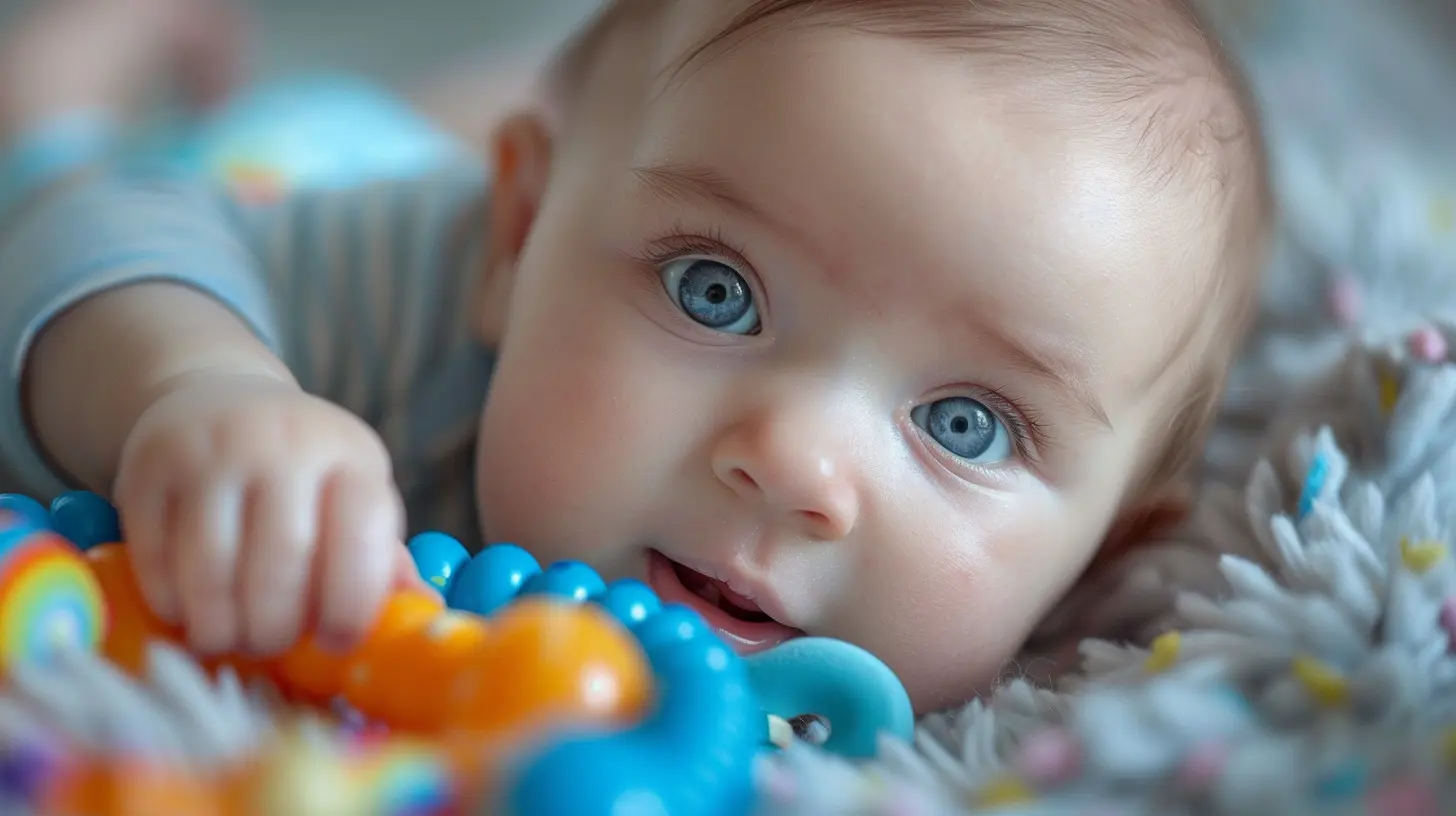
How Can You Tell If It’s Teething or Something Else?
Here’s the thing—teething symptoms can sometimes blend with signs of a cold, sleep regression, growth spurts, or even separation anxiety. So how do you know it's teething?Look out for these common signs:
- Excessive drooling
- Swollen, red gums
- Increased chewing
- Fussiness or irritability
- Slight temperature increase (not a fever above 100.4°F)
- Rubbing of ears or cheeks
- Changes in appetite
If your little one is showing several of these and fighting sleep, there’s a good chance teething is the culprit.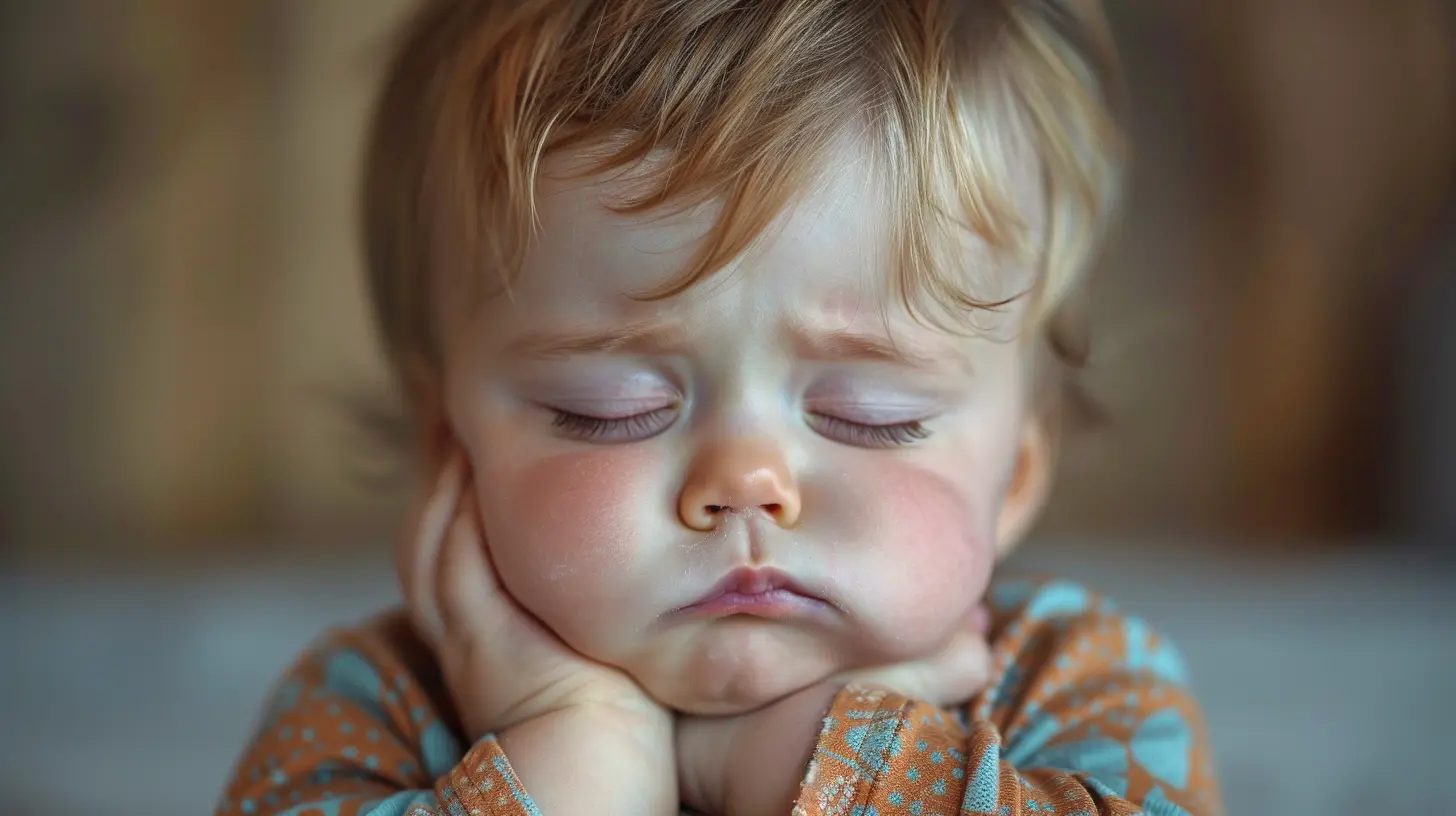
Tips to Help Your Teething Baby Sleep Better
While you can’t speed up the teething process, there’s definitely plenty you can do to take the edge off and make sleep easier for everyone involved.1. Provide Relief with Teething Aids
Offer safe and soothing things to chew on. Teething rings (especially the ones you can chill), silicone teethers, or even a clean, cold washcloth can work wonders. The gentle pressure can ease some of the discomfort.2. Use Pain Relief (When Necessary and Doctor-Approved)
For severe teething pain, consult your pediatrician about baby-safe pain relievers like infant acetaminophen or ibuprofen (for babies over 6 months). Use these sparingly and never without checking first.3. Stick to the Sleep Routine
Consistency is your best friend. Even if your baby is unsettled, sticking to a calm bedtime routine helps cue their brain that it’s time for sleep. A warm bath, a lullaby, and some quiet cuddles can go a long way.4. Comfort Without Creating New Sleep Crutches
It’s tempting to rock your baby to sleep every time they fuss—but try not to stray too far from their usual sleep routine. Comforting them is key, but you don’t want to set habits that will be hard to break later. Think short, soothing check-ins.5. Adjust Nap Schedules
If your baby’s naps are off track due to teething, don’t stress. Instead, follow their cues. Try putting them down earlier if they’re cranky or letting them sleep a bit longer if they've had a rough night.6. Keep the Room Comfortable
A calm sleep environment helps more than you think. Use blackout curtains, a white noise machine, and keep the room at a comfortable temperature. If teething wakes them up, these cues can help them resettle.How Long Does Teething Disrupt Sleep?
Great question—but it doesn’t have a one-size-fits-all answer. Teething discomfort can last a few days for one child, or a few weeks for another (especially if multiple teeth are erupting close together).Generally, sleep disturbances don’t last the entire teething phase (which spans months or even years), but rather come and go with each new tooth. Some babies seem to breeze through with barely a whimper; others make sure the entire household is well aware of their molar misery.
When to Call the Pediatrician
While teething is normal, sometimes those symptoms can mimic something more serious. Call your doctor if your baby:- Has a fever over 100.4°F
- Has diarrhea or a rash (not associated with drool)
- Is inconsolably crying
- Refuses food or drink for more than a few meals
- Seems generally unwell beyond teething fussiness
Better safe than sorry, right?
Teething and Sleep Training—Should You Push Pause?
Let’s say you’re in the middle of sleep training... and bam, teething hits. Should you stop?That depends. If your baby’s really uncomfortable, it’s okay to press pause for a few days. Comfort them however they need. Once the pain subsides, go back to your previous sleep training plan. Babies are surprisingly resilient and often pick back up quicker than you expect.
The key is not abandoning your efforts altogether—just take a short break and start again when your little one is feeling better.
Real Talk: Staying Sane When Your Baby Won’t Sleep
Teething makes everything harder. If you’re running on three hours of sleep and your baby’s going through what feels like the 47th teething spell, you’re not alone.Being tired and overwhelmed doesn’t mean you’re failing. It just means you’re human—and likely doing a better job than you think.
Lean on your partner (if you have one), ask for help, and try to sneak in rest when you can. This stage doesn’t last forever. One day, your baby will sleep through the night again—and those tiny teeth that caused so much chaos? They’ll be part of your little one’s adorable grin.
So hang in there.
Final Thoughts
Teething can absolutely impact a baby’s sleep patterns, often in dramatic fashion. From middle-of-the-night wake-ups to skipped naps and extra cuddles, it’s a phase that tests your patience and your coffee supply.But knowing what’s going on—and how to help—can make the whole process a little less overwhelming. With a mix of comfort, consistency, and a whole lot of love, you and your baby will get through it one (sleepless) night at a time.
And when that first tooth finally pops through?
Totally worth it.
all images in this post were generated using AI tools
Category:
Teething BabyAuthor:

Kelly Snow
Discussion
rate this article
1 comments
Pilar Underwood
Teething: the tiny teeth that steal sleep like little ninjas!
June 11, 2026 at 3:58 AM