The Importance of Routines for Babies: Starting Early
1 December 2025
Ah, babies—tiny, adorable, sleep-thieving creatures who somehow make sleep-deprived parents believe that 2 AM is a reasonable playtime. If you thought your life was chaotic before, wait until you're trying to decipher a newborn’s schedule (hint: they don’t have one). But before you accept the madness, let's talk about one of the greatest parenting hacks of all time: routines.
Yes, routines! Those magical, sanity-saving structures that help babies sleep better, eat better, and—brace yourself—actually make life easier for parents. Sounds too good to be true? Stick around, because we’re about to break it all down. 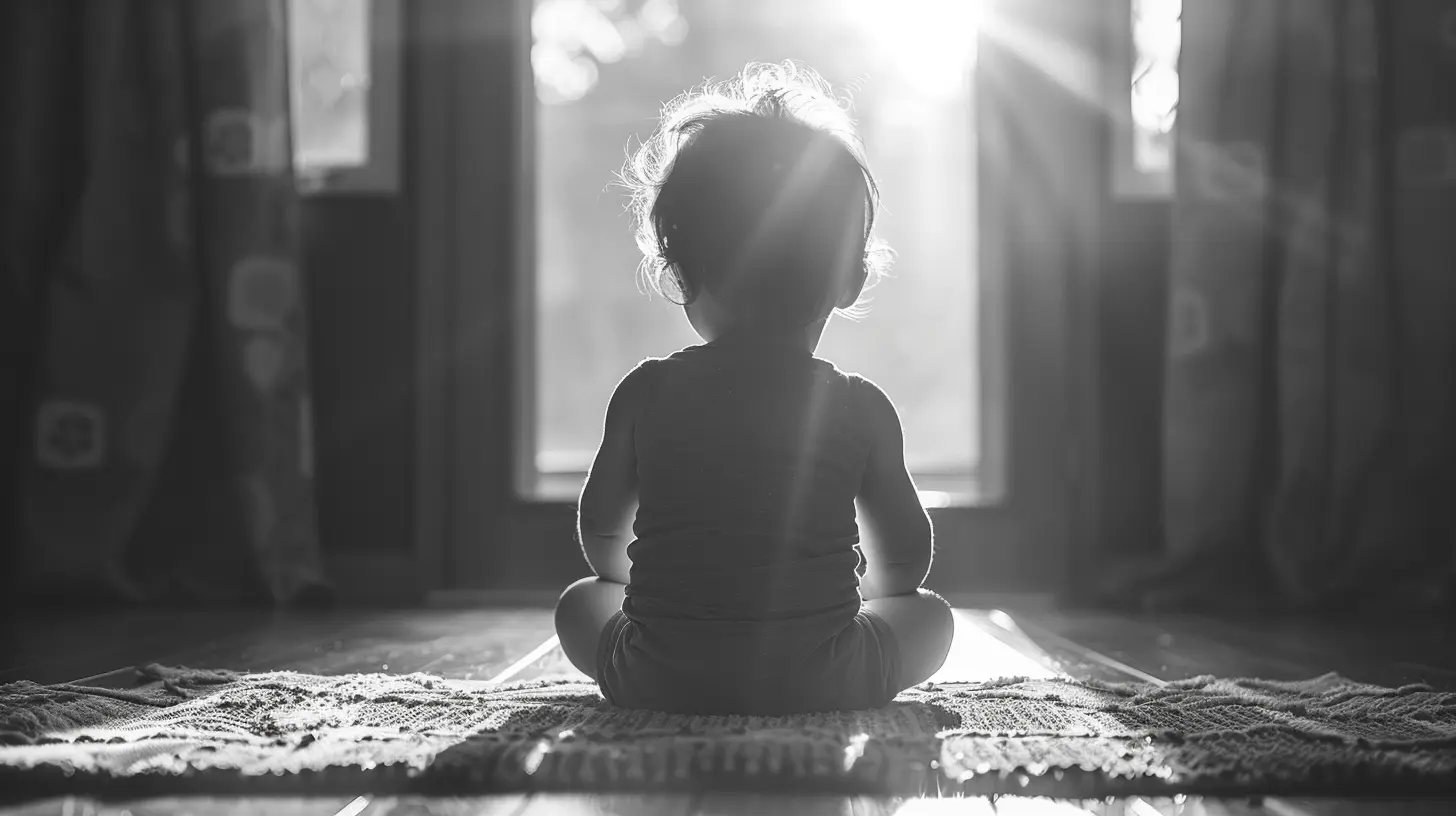
Why Routines Matter for Babies (And Your Sanity)
Picture this: You're exhausted, running on cold coffee and wishful thinking, and your baby is wide-eyed at 3 AM, ready to party. Why? Because they have no idea what bedtime means. This is where routines come in—they teach babies what to expect, making their little world more predictable and, dare I say, peaceful.Babies thrive on predictability. They’ve just spent nine months in the womb, a place where everything was consistent—warmth, food, the soothing sound of mom’s heartbeat. Then, they pop out into this bright, noisy world with no schedule, no guidebook, and absolutely zero consideration for your need to function like a normal human. That’s where establishing a routine early on can make a world of difference. 
The Science Behind Routines (Yes, There's Actual Science)
Routines aren’t just a desperate attempt by parents to regain control (though, let’s be honest, that’s a big part of it). Science actually backs this up. Studies show that structured routines help babies develop better sleeping patterns, regulate their emotions, and even set the foundation for learning.Think of a baby’s brain like a blank canvas. Routines act as the paintbrush, helping to create patterns that guide development. The more consistent the routine, the easier it becomes for babies to anticipate what’s coming next, reducing anxiety and meltdowns (because let’s face it, they don’t come with emotional regulation installed). 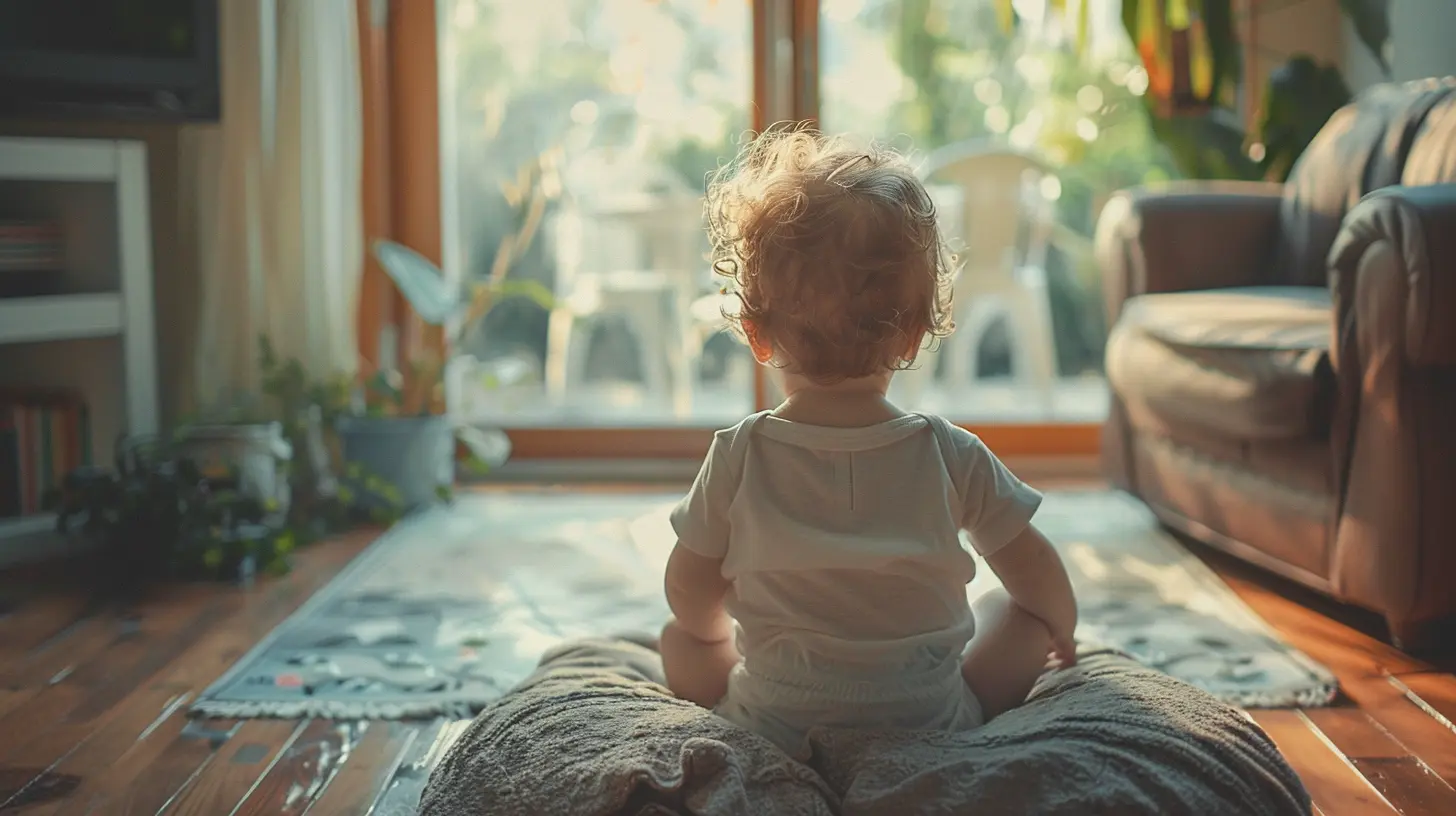
When to Start a Routine (Hint: Sooner Than You Think)
Waiting until your baby is a toddler to introduce routines? Bad idea. By then, you’ll be negotiating bedtime like a hostage situation. The best time to start is as early as possible—yes, even newborns can benefit from a loose routine.Now, don’t panic. No one’s saying your two-week-old needs a strict 7:00 PM bedtime with military precision. But small, consistent habits, like feeding at similar times or creating a bedtime ritual, can work wonders. 
Essential Baby Routines You Should Establish
Now that we’ve established why routines are critical (unless you enjoy unpredictability and sleep deprivation), let’s dive into the most important ones.1. Sleep Routine (a.k.a. The Holy Grail of Parenting)
If you ask any parent what their biggest struggle is, 99% of the time, the answer will be sleep (or, more accurately, the lack of it). A solid sleep routine can mean the difference between a baby who sleeps soundly and one who believes the night is for screaming.How to Set Up a Sleep Routine:
- Same bedtime every night. Aim for consistency—babies love it.
- Create a pre-sleep ritual. Bath, pajamas, a bedtime story, and dim lights—voilà, instant sleep cues.
- No screen time. Unless you want your baby wired at 10 PM, keep screens out of the equation.
- White noise for the win. Simulates the womb and drowns out that neighbor who thinks mowing the lawn at night is acceptable.
2. Feeding Routine (Because Hangry Babies Are Terrifying)
A well-fed baby is a happy baby. A hungry baby? Let’s just say it’s a level of rage you don’t want to experience.How to Set Up a Feeding Routine:
- Feed at regular intervals. Even if you're breastfeeding on demand, try to keep it somewhat predictable.
- Introduce a feeding signal. Saying “milk time!” or using a certain position can help babies associate cues with feeding.
- Keep nighttime feeds quiet. No bright lights, no fun conversations—just business. This helps babies distinguish day from night.
3. Playtime Routine (Yes, It’s Important Too!)
Believe it or not, babies don’t just eat, sleep, and cry (though they do a lot of that). They also need structured playtime to develop motor skills, cognitive abilities, and social behaviors.How to Set Up a Playtime Routine:
- Dedicated tummy time every day. Helps strengthen muscles and prevent a flat head (yes, that’s a thing).
- Introduce sensory play. Different textures, sounds, and colors help with brain development.
- Talk to them. Narrate your day—yes, even if they talk back in random screeches.
The Real Benefits of Routines (In Case You Need More Convincing)
Still not sold on routines? Let’s spell it out:✅ Better Sleep: Babies who follow a routine sleep longer and wake up less. Coincidence? Definitely not.
✅ Less Fussiness: Knowing what to expect makes babies less irritable (a win for everyone).
✅ Easier Transitions: Whether it’s starting daycare or travel, babies with routines handle changes way better.
✅ Parental Sanity: Because flying through parenthood on chaos and caffeine is just not sustainable.
What If My Baby Refuses a Routine?
Ah, yes. The tiny rebels who reject structure. Some babies take to routines like a duck to water, while others act like you’re trying to enforce bedtime as punishment. The key? Patience and persistence.If your baby resists a routine:
- Start small. Even a simple bedtime cue like dimming lights can help.
- Stay flexible. Babies aren’t robots—they’ll have off days (and nights).
- Keep trying. Change takes time, but the payoff is worth it.
Final Thoughts: Routines = Smoother Parenting
The truth is, parenting is already unpredictable enough. Establishing routines isn’t about controlling every second of the day—it’s about guiding it. Babies crave stability, and when they feel secure, they sleep better, eat better, and (most importantly) cry less.So, start early. Your future, well-rested self will thank you.
all images in this post were generated using AI tools
Category:
Parenting RoutinesAuthor:

Kelly Snow
Discussion
rate this article
2 comments
Storm McFarland
Routines have truly transformed our days. They provide security for my baby and ease my parenting journey.
December 3, 2025 at 3:59 AM
Kelly Snow
I’m glad to hear that! Routines can indeed create a sense of security for both babies and parents, making daily life smoother. Thank you for sharing your experience!
Rayna McGinnis
Great article! Establishing routines early not only helps babies feel secure but also supports their development. It's wonderful to see parents prioritizing this crucial aspect of nurturing. Keep up the good work!
December 1, 2025 at 4:13 AM
Kelly Snow
Thank you for your kind words! I'm glad you found the article helpful. Routines truly do play a vital role in a baby's development.