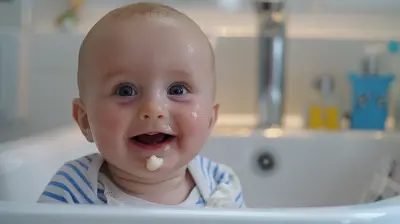
The Importance of Sleep Cues and How to Recognize Them
2 May 2026
Have you ever found yourself dealing with a cranky toddler long past their bedtime, only to realize they were trying to tell you they were tired an hour ago? Or maybe you’ve wondered why your baby suddenly goes from happy and playful to inconsolable in the blink of an eye? Chances are, you missed their sleep cues. Don’t worry — it happens to the best of us. But understanding sleep cues is a game-changer when it comes to better sleep for your child (and yourself).
In this post, we’ll dive into why recognizing sleep cues is so important, how to identify them in babies, toddlers, and even older kids, and what to do once you spot those telltale signs. Trust me, by the end of this, you’ll feel like a sleep detective! 
Why Are Sleep Cues Important?
Let’s start with the basics. Sleep cues are your child’s way of saying, “Hey, I’m getting tired.” They’re the little signals that give you a heads-up before tiredness escalates into a full meltdown. Think of them as the early warning system of your child’s internal clock.When you catch these signs early, you can help your child transition to sleep seamlessly. On the flip side, if you miss them, overtiredness kicks in. And let me tell you, an overtired child is like a wind-up toy that just keeps going… and going… until they crash in the most chaotic way imaginable.
But why does overtiredness matter so much? Well, when kids are overtired, their bodies release stress hormones like cortisol, making it even harder for them to fall asleep and stay asleep. It’s a vicious cycle — and one we’d all rather avoid. 
How to Recognize Sleep Cues in Babies
Babies are like little sleep cue machines. They’re too young to tell you with words that they’re tired, so they rely on body language, facial expressions, and even certain behaviors. It’s our job to decode their signals.Common Sleep Cues in Babies:
- Yawning (pretty obvious, right?)- Rubbing their eyes or ears
- Becoming fussy or irritable
- Staring off into space or looking “glazed over”
- Sudden quietness after being active
- Jerky movements or becoming less coordinated
Think of it this way: If your baby is suddenly acting like they’ve hit a wall, chances are they have.
The Myth of the “Second Wind”
A lot of parents mistake the “second wind” as their baby not being tired. Spoiler alert: It’s not. When babies are overtired, they often go into overdrive, becoming hyperactive or unusually playful. This is their little body’s way of coping with exhaustion. If you notice this, it’s like missing the last train to Sleepville — bedtime might be a bumpy ride.
Sleep Cues in Toddlers: The Tricky Middle Ground
Toddlers are a whole different ballgame. They’re not as subtle as babies, but they’re not exactly straightforward either. Toddlers are masters of disguise, and sometimes their sleep signals come across as bad behavior rather than tiredness.Sleep Cues to Watch for in Toddlers:
- Clinginess (suddenly, they’re glued to your leg)- Whining or crying over the smallest things
- Refusing food or throwing tantrums at the dinner table
- Slower responses or a lack of interest in usual activities
- Roughhousing or becoming overly hyper
Here’s a fun analogy: If your toddler starts acting like a tiny, grumpy, drunk uncle at a family party, it’s probably time for bed. 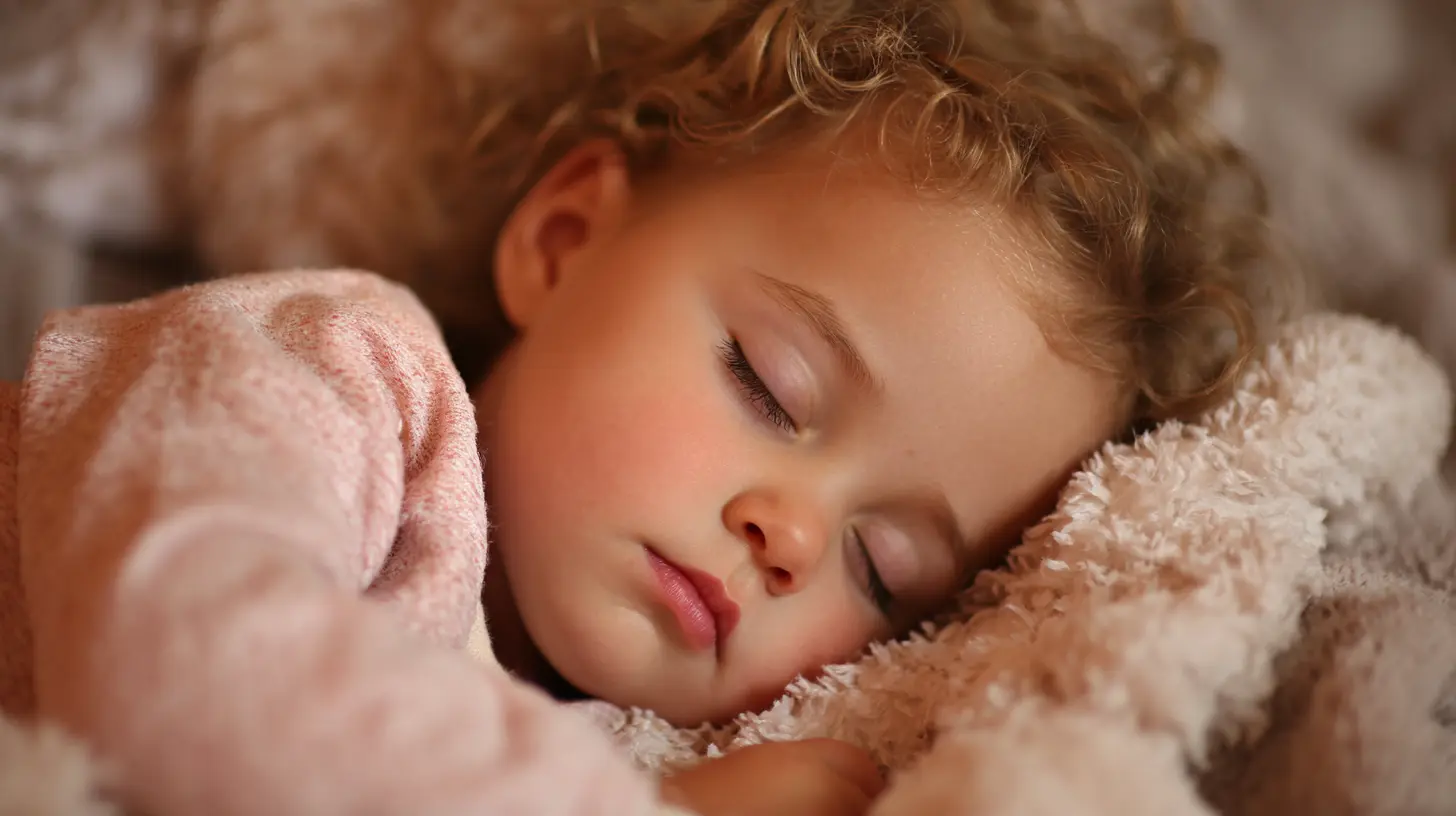
What About Older Kids?
As your kids grow, their sleep cues become less obvious, but they’re still there. The trick is tuning in to the subtler signals.Sleep Cues in Older Kids:
- Zoning out during conversations or activities- Yawning or stretching frequently
- Rubbing eyes or blinking excessively
- Struggling to focus on homework or tasks
- Becoming irritable or short-tempered for no apparent reason
For older kids, it’s less about physical cues and more about watching their behavior. If they start acting like they’ve got Monday morning blues on a Saturday afternoon, it might be a sign they need rest.
Practical Tips to Respond to Sleep Cues
So now that you’ve got your child’s sleep cues down, what do you do next? Let me break it down for you:1. Create a Sleep-Friendly Routine
Kids thrive on routines, and bedtime is no exception. Once you spot a sleep cue, start winding things down. For babies, this might mean dimming the lights, turning on white noise, and rocking them gently. For toddlers and older kids, it could mean a calming bedtime ritual like reading a story or taking a warm bath.2. Act Quickly
Timing is everything. Waiting too long after spotting a sleep cue can lead to overtiredness. Trust your gut and take action the moment you notice those tired signs.3. Set the Stage
Make sure your child’s sleep environment is conducive to rest. Think blackout curtains, a cozy bed, and minimal distractions. The goal is to help them associate their room with relaxation and sleep.4. Be Consistent
Consistency is your best friend when it comes to sleep. Kids thrive on predictability, so try to put them to bed around the same time every day.5. Be Patient
Some days will be harder than others. Maybe the baby missed their morning nap, or your toddler is fighting sleep like a warrior. Take a deep breath, roll with the punches, and remind yourself that tomorrow is a new day.Common Mistakes to Avoid
Let’s keep it real — we’re all human, and sometimes we mess up. Here are a few common pitfalls to watch out for:- Ignoring Early Sleep Cues: If you wait too long, overtiredness sets in, and bedtime becomes way harder.
- Assuming Hyperactivity = Energy: Remember what I said about the second wind? Don’t fall for it.
- Underestimating Sleep Needs: Even older kids need plenty of sleep to function their best. Don’t brush off their tiredness as laziness.
Final Thoughts
Recognizing your child’s sleep cues is like learning a new language — it takes time, patience, and a little trial and error. But once you get the hang of it, you’ll wonder how you ever managed without this skill.Think of yourself as the captain of a sleep ship, steering your little one towards calm waters and sweet dreams. By paying attention to their signals, you’re not just helping them sleep better; you’re setting them up for healthier habits and happier days. And let’s be honest, a well-rested child means a well-rested parent too. Win-win, right?
all images in this post were generated using AI tools
Category:
Baby SleepAuthor:

Kelly Snow
Discussion
rate this article
2 comments
Azura Garcia
Understanding sleep cues transformed our bedtime routine. It made evenings smoother and helped my child rest better. Great insights in this article!
May 20, 2026 at 4:12 PM
Claire Carr
Recognizing sleep cues can transform bedtime struggles into peaceful routines. I've learned to watch for signs like rubbing eyes or yawning. It's amazing how quickly my kids settle down when I pay attention to these signals. Sleep is vital for them, and being responsive makes a real difference.
May 5, 2026 at 4:23 AM
Kelly Snow
Absolutely, tuning into those sleep cues can really ease the bedtime process. It's great to hear how attentive parenting makes such a positive impact on your kids' sleep routines.