The Power of Listening: A Parenting Skill for 2027
24 April 2026
Let’s be honest for a second: when was the last time you actually listened to your kid? Not just nodded along while scrolling through your phone, or mumbled “uh-huh” while mentally drafting tomorrow’s grocery list. I mean truly, deeply, ears-wide-open listened. If you’re like most parents in 2024, the answer might sting a little. But here’s the thing—by 2027, listening won’t just be a nice-to-have parenting tool. It will be the single most essential skill for raising resilient, connected, and emotionally intelligent humans in a world that’s screaming louder than ever.
We’re living in an era of noise. Not just the literal noise of TikTok alerts and smart speakers, but the noise of constant comparison, anxiety, and digital distraction. By 2027, our kids will be navigating AI-driven classrooms, virtual friendships, and a pace of change that would make a hummingbird dizzy. The antidote? The oldest, simplest, most radical act of love: listening. So grab a cup of coffee (or tea, no judgment), and let’s dive into why listening is the parenting superpower you need to master—and how to actually do it without losing your mind.
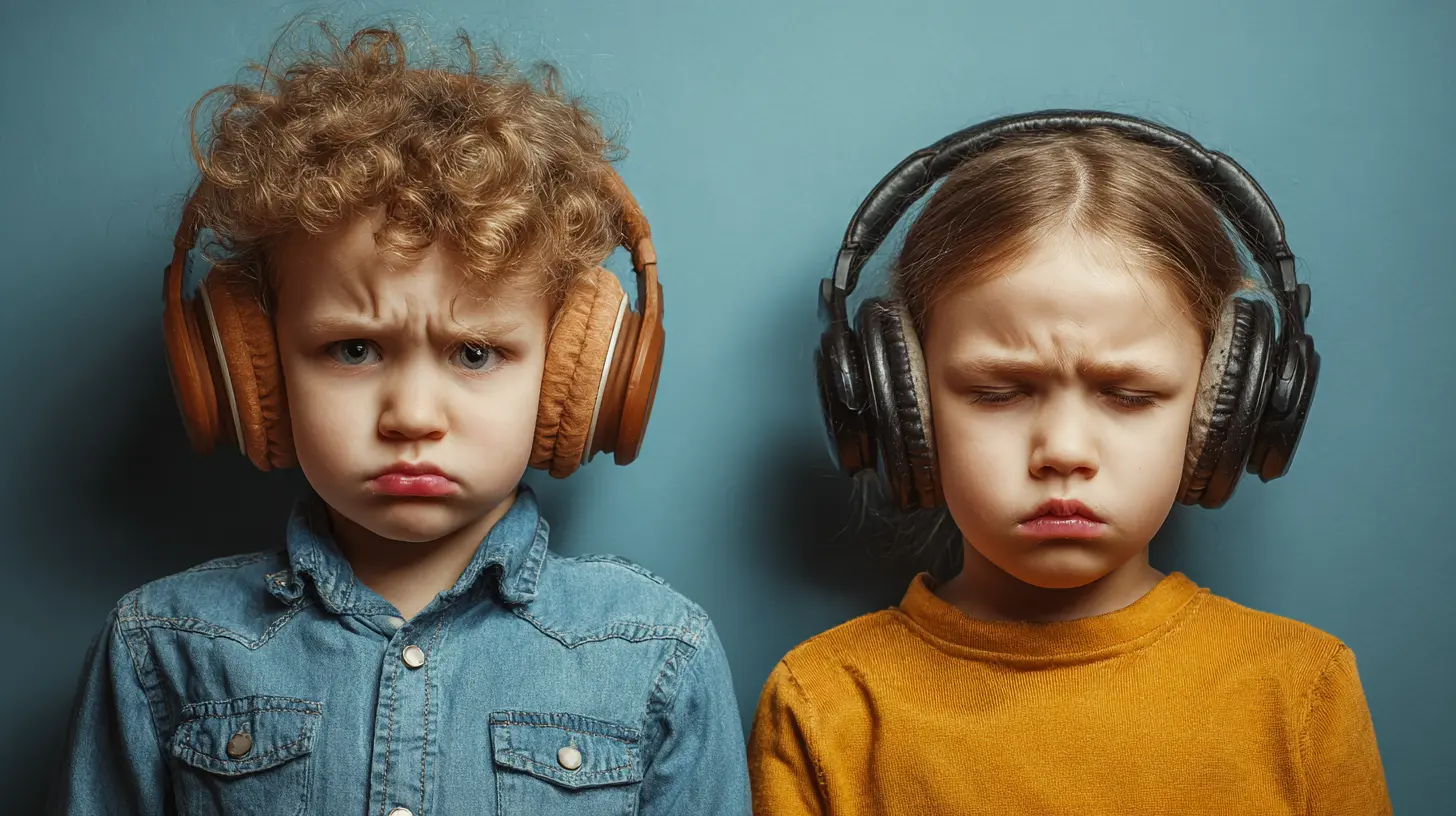
Why Listening is the Parenting Skill of the Future
Picture this: It’s 2027. Your twelve-year-old comes home from school, drops their backpack with a thud, and says, “I hate everyone.” Your instinct might be to jump into fix-it mode: “What happened? Did someone say something? Let’s call the teacher!” But what if, instead, you just sat down, looked them in the eye, and said, “Tell me more.” That’s the power of listening.Listening isn’t passive. It’s a high-stakes, emotionally demanding act of presence. In a world where attention is the most valuable currency, giving your child your undivided attention is like handing them a gold bar. Research from the Harvard Graduate School of Education shows that children who feel heard by their parents develop stronger self-regulation, better problem-solving skills, and lower rates of anxiety. By 2027, as mental health challenges among youth continue to rise, listening will be the first line of defense.
Why? Because kids who feel heard are less likely to seek validation from algorithms, influencers, or risky behaviors. Listening builds trust—the kind of trust that makes your teenager actually want to talk to you about the weird thing that happened at the party, not just post about it on Snapchat. And let’s face it: in a few years, when your kid is navigating deepfakes, online echo chambers, and social pressures we can’t even imagine yet, that trust will be their lifeline.

The Myth of “Good Parenting” vs. Real Connection
We’ve all bought into the myth that good parenting means having all the answers. We think we need to be problem-solvers, advice-givers, and boundary-enforcers. But here’s a hard truth: your kid doesn’t need your solutions half as much as they need your presence. Think of listening like a bridge. Every time you truly listen, you lay down another plank. Ignore them, and the bridge rots. By 2027, that bridge might be the only way they cross over from confusion to clarity.I remember a moment with my own son when he was about seven. He was upset about a lost toy—a cheap plastic dinosaur, nothing special. My first instinct was to say, “It’s just a toy, we’ll get another one.” But I stopped. I sat on the floor, looked at his tear-streaked face, and just listened. He told me how that dinosaur had “saved” his other toys from a imaginary volcano. In that moment, I didn’t fix anything. But I witnessed his world. And you know what? He calmed down faster than if I’d handed him a new dinosaur. That’s the power of being heard.

How Listening Rewires Your Child’s Brain (Yes, Really)
Here’s the science-y part, but I promise I’ll keep it simple. When you listen to your child, their brain releases oxytocin—the “bonding hormone.” It reduces cortisol, the stress hormone. Over time, consistent listening actually strengthens the prefrontal cortex, the part of the brain responsible for impulse control, empathy, and decision-making. In other words, listening doesn’t just make your kid feel good; it literally makes them smarter and more emotionally stable.By 2027, we’ll have even more data on how screen time and fragmented attention affect developing brains. But here’s the kicker: no AI, no app, no virtual assistant can replace the neural magic of a parent’s focused attention. When you listen, you’re not just hearing words—you’re co-regulating their nervous system. You’re teaching them that their emotions are safe, that they matter, and that they’re not alone in this chaotic world.

The Three Levels of Listening (And Why Most Parents Stuck at Level 1)
Let’s get practical. Listening isn’t just one thing—it’s a spectrum. Most of us operate at Level 1: Surface Listening. That’s where you hear the words but miss the meaning. “I’m fine” gets a nod, but you don’t catch the sigh that says otherwise. Level 2 is Empathetic Listening—you pick up on tone, body language, and emotion. Level 3 is Deep Listening—you listen not just to respond, but to understand the whole person, including what they’re not saying.Here’s an example: Your daughter says, “I don’t want to go to school tomorrow.”
- Level 1: “You have to go, it’s important.”
- Level 2: “You seem really upset. What’s going on?”
- Level 3: You notice her shoulders are hunched, her voice is flat, and she’s avoiding eye contact. You say, “It sounds like something’s really bothering you. I’m here to listen whenever you’re ready.”
By 2027, when kids are bombarded with information from every direction, Level 3 listening will be the difference between a child who feels seen and one who feels lost. It’s not about being perfect—it’s about being present.
Practical Steps to Master the Art of Listening (Even When You’re Exhausted)
Let’s be real: you’re tired. You’ve got work, laundry, dinner, and a million notifications. How are you supposed to become a listening guru? Start small. Here are five actionable strategies that work, even on your worst days.1. Put Down the Phone (Actually, Put It in Another Room)
I know, I know—this hurts. But research shows that even the presence of a phone on the table reduces the quality of conversation. When your kid talks to you, make a show of putting your phone face-down or, better yet, leaving it in the kitchen. It sends a loud, clear message: “You are more important than anything on this screen.” In 2027, when virtual reality and AI assistants are even more pervasive, this physical act of disconnection will be a radical gift.2. Use the “Two-Minute Rule” for Open-Ended Questions
Don’t ask “Did you have a good day?” (That gets a one-word answer: “Fine.”) Instead, ask questions that require more than a grunt. Try: “What was the funniest thing that happened today?” or “Tell me about a moment when you felt proud.” Then, for at least two minutes, just listen without interrupting. No advice, no corrections, no “well, when I was your age…” Just listen.3. Validate Before You Solve
This is the golden rule of listening. Before you offer a solution, validate their feelings. Say things like: “That sounds really frustrating,” or “I can see why you’d feel that way.” Validation doesn’t mean agreement—it means you see their reality. By 2027, when kids face complex moral dilemmas (like AI ethics or climate anxiety), validation will be the soil that allows their own problem-solving skills to grow.4. Create “Listening Rituals” That Stick
Rituals make listening a habit, not a chore. Maybe it’s a five-minute check-in before bed, or a “no screens” car ride where you just talk. My family has a “Friday Feelings” dinner where everyone shares one high and one low from the week. It’s not fancy, but it’s consistent. By 2027, when life moves even faster, these small anchors of connection will be priceless.5. Learn to Sit in Silence
This is the hardest one. When your child stops talking, resist the urge to fill the silence with your own words. Silence is where the real listening happens. It gives them space to think, to feel, and to trust that you’re not going to jump in with a lecture. Think of silence like a deep breath for your relationship—it’s uncomfortable at first, but it’s life-giving.
The Hard Truth: You’ll Mess Up (And That’s Okay)
I’d love to tell you that I’m a perfect listener, but I’m not. There are days when I’m distracted, impatient, or just plain grumpy. I’ve interrupted my kid mid-sentence to answer a work call. I’ve given advice when all they needed was a hug. And you know what? That’s human. The goal isn’t perfection—it’s repair.When you mess up, apologize. Say, “I’m sorry I wasn’t fully listening earlier. I want to hear what you were saying.” This models humility and shows your child that listening is a practice, not a performance. By 2027, the ability to apologize and reconnect will be a superpower in a world that often values being right over being kind.
How Listening Prepares Your Child for the World of 2027
Let’s fast-forward to 2027. Your child is now a teenager or tween. The world is even more polarized, more automated, and more overwhelming. But here’s what listening has given them:- Emotional literacy: They can name their feelings instead of numbing them with screens.
- Critical thinking: They’ve learned to question information because you modeled curiosity, not judgment.
- Resilience: They know they can fall apart and you’ll still be there, listening.
- Authentic connection: They value real relationships over digital ones because they’ve experienced the real thing with you.
Listening isn’t just a parenting technique—it’s a life skill. It’s the foundation of every healthy relationship, from friendships to romantic partnerships to professional collaborations. By teaching your child to be heard, you’re also teaching them how to listen to others. And in a world that’s starving for empathy, that’s the most valuable gift you can give.
A Final Challenge for You
Here’s my challenge for you, right now. Put down this article (after you finish reading, of course). Go find your child. Don’t have a goal. Don’t have an agenda. Just sit with them and ask one open-ended question. Then listen. Really listen. Notice the way their voice changes, the way their shoulders relax, the way they look at you when they realize you’re actually paying attention.That moment? That’s the power of listening. And by 2027, it will be the parenting skill that sets your child apart—not because they have the latest gadget or the highest grades, but because they know, deep in their bones, that they matter. And that starts with you, right here, right now.
So, what are you waiting for? Go listen.
all images in this post were generated using AI tools
Category:
Parenting LessonsAuthor:

Kelly Snow
Discussion
rate this article
2 comments
Leo Wheeler
Listening deeply strengthens connections and builds trust. Let's nurture our kids with understanding.
May 2, 2026 at 3:25 PM
Kelly Snow
Absolutely, deep listening is key to fostering understanding and trust in our relationships with kids. It shapes a bright future for them.
Astraea Jenkins
Listening is a transformative parenting skill, fostering emotional connections and understanding in children. In 2027, prioritizing active listening will empower parents to navigate challenges, nurture resilience, and cultivate open communication, shaping confident, empathetic future generations.
April 25, 2026 at 4:10 AM
Kelly Snow
Absolutely! Listening truly shapes our connections with children and prepares them for the future. It's essential for fostering empathy and resilience.