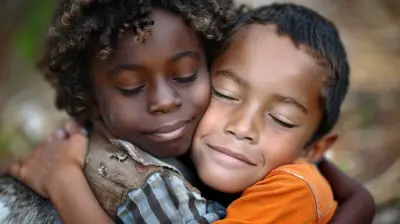
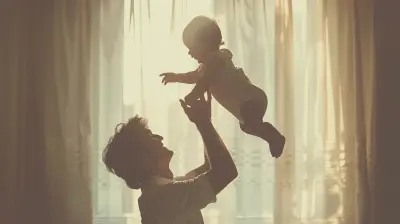
The Role of Body Language in Parent-Child Communication
19 March 2026
When we think about communication with our kids, we often focus on the words we say—what to say and how to say it. But here’s something you might not think about often: your body speaks louder than your words. Yep, that’s right! Your child is picking up on your facial expressions, posture, gestures, and even the tone in your voice way more than you might realize.
Let’s dive into why body language plays such a key role in the way parents and children connect, and how being mindful of it can strengthen your bond with your little (or not-so-little) one.
Why Body Language Matters More Than You Think
Ever notice how your toddler runs to you when you're smiling but hides when your eyebrows are furrowed? That’s body language at work. Kids, especially younger ones, don’t always understand the complexities of language yet—but they’re experts at reading your nonverbal cues.In fact, research suggests that up to 93% of communication is nonverbal! That includes your tone of voice, facial expressions, gestures, posture, and even the space between you and your child. Wild, right?
So if your child is ignoring your words or not responding the way you hoped, maybe it’s not what you said—but how you said it without saying it.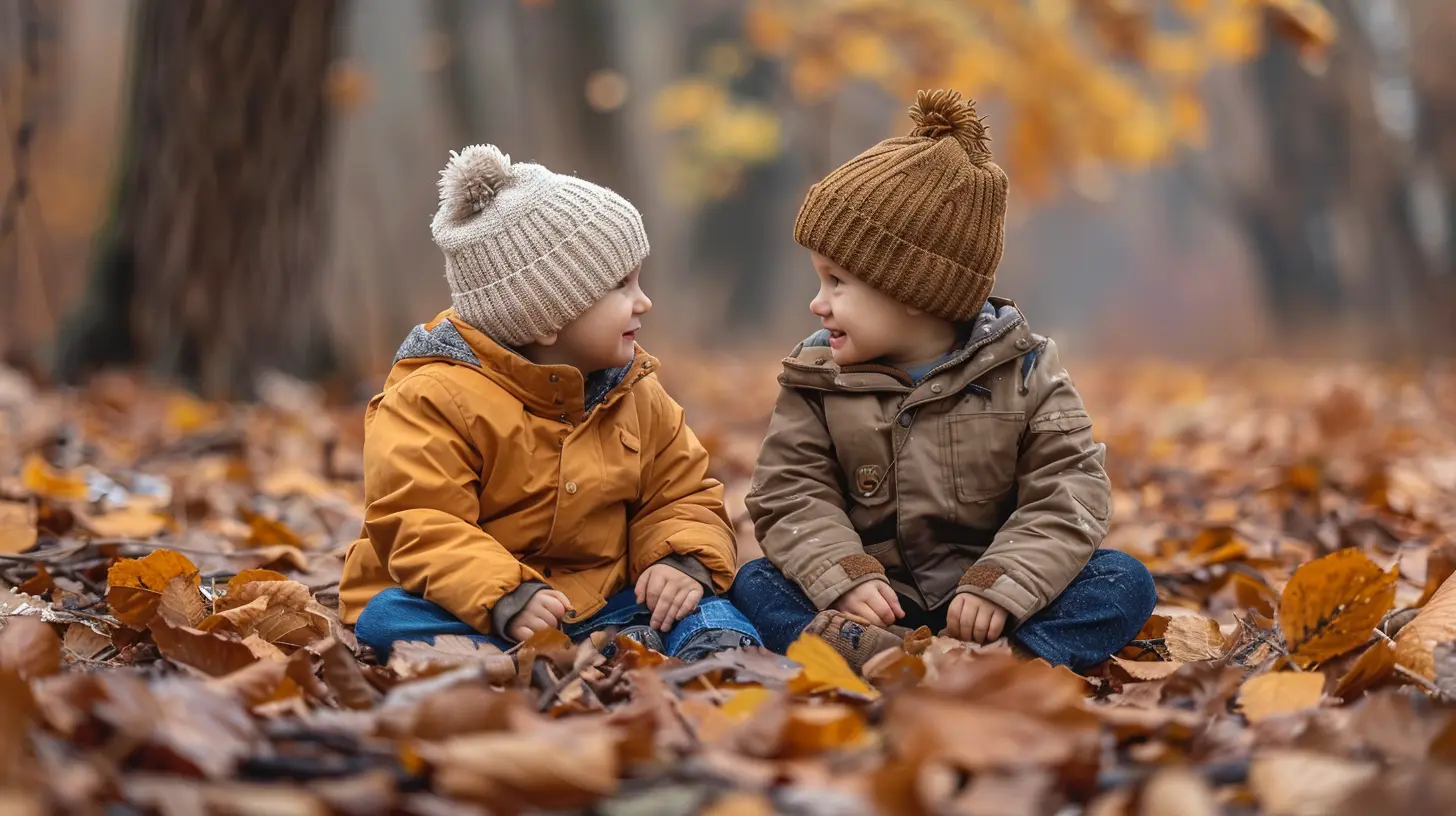
Reading Between the Lines (or the Arms and Eyebrows)
Body language includes a whole range of signals. Here are a few key ones that play a big part in parent-child communication:- Facial expressions: A warm smile can make your child feel safe, while a scowl can shut the door on communication.
- Eye contact: This one is huge. It shows attention, connection, and respect. Too little? It can feel like you're not interested. Too intense? It might feel intimidating.
- Posture: Standing tall versus slouching can totally change the way your child perceives your mood.
- Gestures: A nod can encourage, a wave can calm, and crossed arms? That might signal defensiveness or frustration.
It’s like your body is always talking—even when your mouth is silent.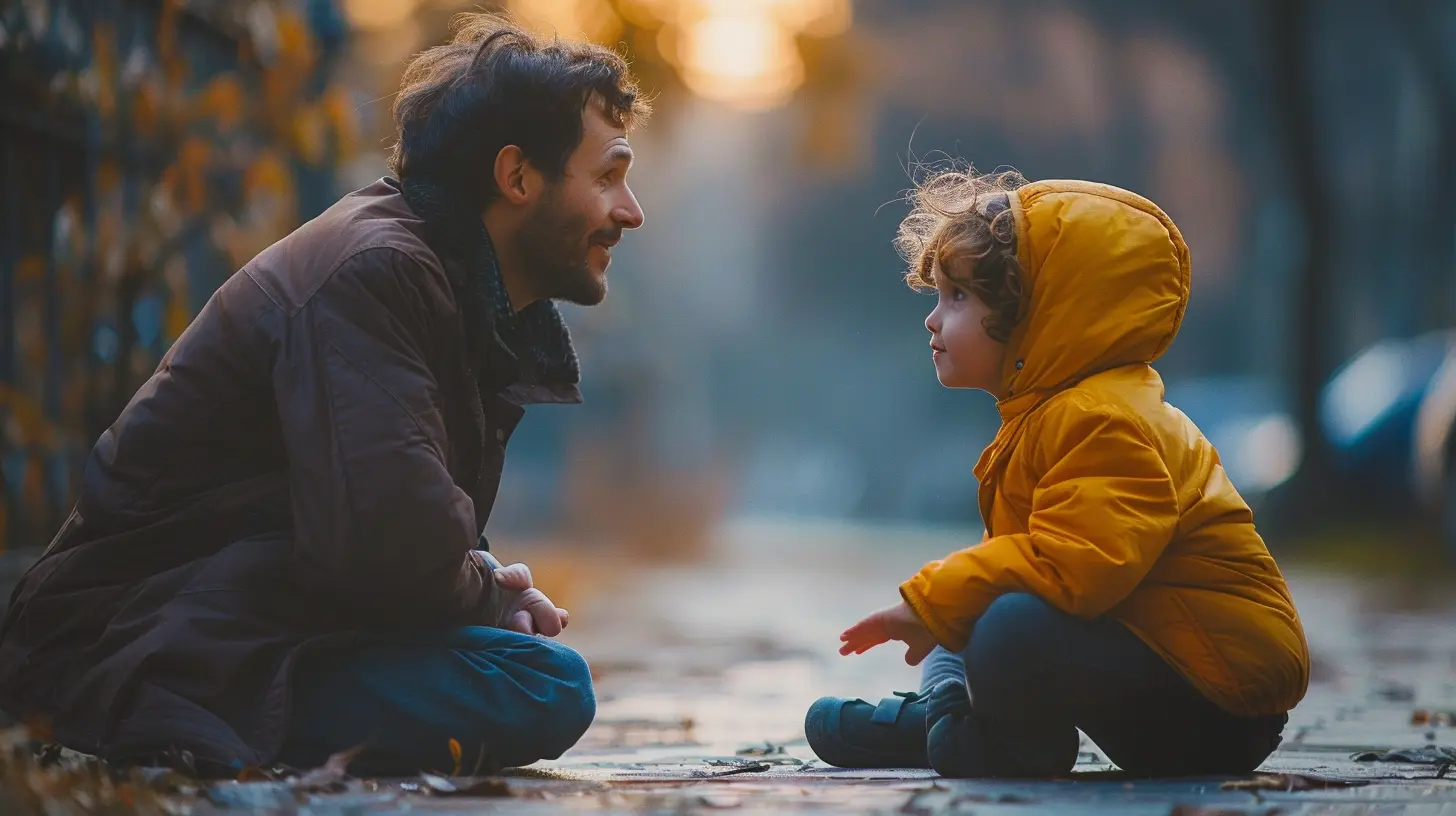
The Silent Language of Love
Think of a time you comforted your child without words. Maybe you pulled them into a hug after they fell. Or you gently stroked their back when they couldn’t sleep. Those quiet actions hold so much power.For kids, especially in early development, nonverbal reassurance is essential. It builds trust and creates a sense of security. These moments send a message: "I’m here. You're safe. You're loved." And often, those messages don’t need words at all.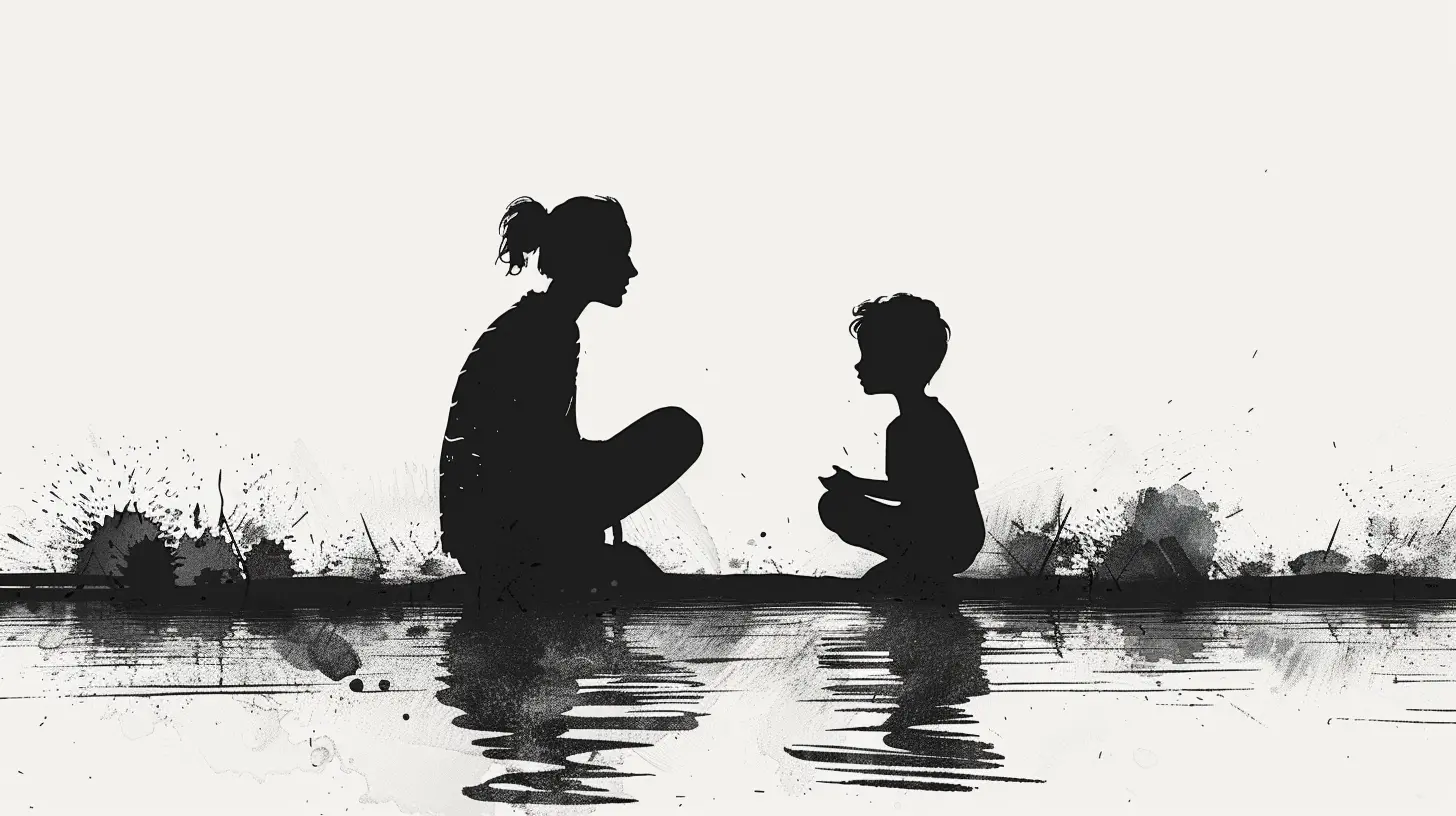
Body Language Through the Stages of Childhood
Just like they outgrow their onesies and strollers, kids also go through stages in how they read and respond to body language. Let’s look at how it shifts as they grow:Infancy (0–2 Years)
Infants are pure emotion-readers. They’re soaking up your tone, your facial expressions, and your body movements. When you smile and engage warmly with them, they smile back—it's like a little mirror of your feelings. Consistent, loving gestures at this stage help shape their emotional security.Toddlers to Preschoolers (2–5 Years)
At this stage, kids are getting better at recognizing emotions—not just feeling them. They're beginning to match your facial expressions and tone with meaning. If you say “I’m not mad” while clenching your fists, they’ll believe your fists, not your words.Your physical presence is especially important now. Getting down to their eye level when talking is a huge trust booster.
Middle Childhood (6–12 Years)
Older kids get more observant. They start noticing inconsistencies. Ever told your child “everything’s fine” while looking stressed or distracted? They catch onto that. And they might even start feeling confused or anxious if your body language and words don’t line up.This age is great for teaching them how to express themselves using both words and behaviors. Modeling this through your own body language goes a long way.
Teens (13+ Years)
Teenagers can be trickier. They’re developing complex emotional responses and sometimes seem physically distant. But don’t be fooled—your body language still matters a lot. They’re watching, even if they pretend they aren’t.A simple hand on the shoulder during a tough chat or relaxed, open posture can be the invitation they need to open up. And if you look calm and approachable—even during disagreements—they’re more likely to respond in kind.
How Body Language Builds Emotional Intelligence
Being aware of your own body language doesn’t just help you communicate better—it also helps your child grow emotionally.When kids see you expressing yourself nonverbally in healthy ways, they learn emotional intelligence by example. They begin to understand that emotions aren’t just things we say—they’re also what we show.
Here’s what your body language teaches your child:
- How to recognize and name feelings (happy, sad, angry, nervous)
- How to empathize with others
- How to express emotions appropriately
- How to feel seen and validated
Body language becomes a silent classroom for emotional growth.
Mixed Signals: When Your Body Language and Words Don’t Match
Imagine you're telling your child you’re not upset—but your arms are crossed, your tone is sharp, and your eyes are darting every which way. What message are they going to believe?Spoiler alert: They’ll trust the nonverbal ones every time.
Mixed signals can confuse kids, especially younger ones. They aren’t wired yet to interpret complex contradictions. So if your verbal and nonverbal cues don’t match, guess what? You’re basically speaking in two different languages at once.
That’s why self-awareness matters. If you’re upset, it’s okay to say so—just be mindful of how your body reflects that emotion. Kids appreciate honesty more than perfection.
Tips to Improve Your Body Language as a Parent
We’re not aiming for perfection here. Parenting is messy, exhausting, and often full of contradictory feelings. The goal isn’t to always send the “perfect” signal but to be intentional and aware.Here are a few practical habits you can start practicing right now:
1. Get on Their Level
Literally. Physically lowering yourself to your child’s eye level shows respect, openness, and full attention. It makes them feel heard.2. Make Eye Contact—But Keep It Gentle
Eye contact says, “You matter to me.” But if it's too intense, it can feel like a stare-down. Keep it warm and natural.3. Mirror Their Emotions… Mindfully
Emotion mirroring helps children feel understood. If they’re sad, a soft expression shows empathy. But don’t overdo it—you’re not performing, just connecting.4. Uncross Those Arms
It’s a small thing with a big impact. Open posture signals that you’re emotionally available, not closed off.5. Use Touch Thoughtfully
A pat on the back, a squeeze of the hand, or a hug can say a thousand words. Just make sure it’s welcome—respect their personal space, especially as they grow older.6. Stay Calm in the Heat of the Moment
Easier said than done, right? But keeping your body controlled—even when your emotions are flaring—sets a powerful example. Deep breathing, relaxed shoulders, and a calm voice can de-escalate almost any meltdown.How to Read Your Child’s Body Language, Too
It’s a two-way street. Just like they’re reading your signals, you can learn to read theirs. Is your child fidgeting? Avoiding eye contact? Crossing their arms? Those might be signs they’re feeling anxious, overwhelmed, or defensive.Sometimes, kids don’t have the words to express how they feel. That’s when their bodies do the talking.
Paying attention to these subtle cues helps you respond with empathy. If your child shuts down during conflict, maybe they need space. If they lean in close, maybe they need reassurance.
Being tuned in to their nonverbal language builds connection, trust, and emotional safety.
When Body Language Bridges Gaps (Even Without Words)
Here’s the beautiful part: Body language can bridge communication gaps when words fall short. Whether your child is nonverbal, developing language skills, or just having a tough day emotionally, your body language can speak volumes.Imagine this: Your child flops down on the couch after school, visibly deflated. You don’t ask a million questions. Instead, you sit beside them, offer a quiet smile, and give their shoulder a gentle squeeze.
No words. Just love. Just presence. And sometimes, that’s all they need.
Final Thoughts: Your Body Is Always Talking—Make Sure It’s Saying What You Mean
Parenting is a constant dance of saying the right thing, doing the right thing, and loving our kids through the ups and downs. But as we’ve seen, what your body says might be the loudest voice in the room.So next time you’re communicating with your child, take a beat. How are you standing? What’s your face doing? Where are your hands? These tiny cues can either build a bridge or a wall.
Body language isn’t about becoming robotic or overly polished. It’s about being present, congruent, and emotionally honest. When your words and your actions are walking hand in hand, your child will feel it—deep in their heart.
And in the end, that’s what truly strengthens the parent-child bond.
all images in this post were generated using AI tools
Category:
Communication With KidsAuthor:

Kelly Snow
Discussion
rate this article
2 comments
Penelope Blevins
Nonverbal cues build strong connections.
March 31, 2026 at 4:25 AM
Kelly Snow
Absolutely! Nonverbal cues like eye contact and gestures are essential in fostering trust and understanding in parent-child communication.
Gavin McHugh
Great insights! Body language truly enhances connection and understanding between parents and children.
March 28, 2026 at 5:17 AM
Kelly Snow
Thank you! I'm glad you found it insightful. Body language indeed plays a vital role in fostering strong connections.