The Role of Temperature in Creating a Sleep-Friendly Environment for Babies
6 February 2026
Getting your baby to sleep soundly through the night can sometimes feel like trying to solve a mystery with a million clues. You’ve probably heard it before: swaddling, bedtime routines, white noise, or even singing a lullaby on loop. But there's one factor that often gets overlooked – temperature.
Yep, the temperature of your baby’s sleep space plays a major role in how well they sleep. It’s like trying to nap in a sauna – not happening, right? Babies are just like us in that sense but with even more sensitivity to their environment.
In this article, let’s break down how temperature affects your baby’s sleep, why it matters more than most people realize, and how to get that Goldilocks-level “just right” feel in the nursery. Grab a cup of coffee, get comfy, and let's chat baby sleep science – in the simplest way possible.
Why Temperature Matters More Than You Think
Let’s start with a little science (don’t worry, we’ll keep it light). Your body temperature is closely tied to your sleep cycle. As adults, our body naturally cools down before bedtime – a signal that it’s time to hit the sack. Babies, though, aren't quite there yet. Their internal thermostat, so to speak, is still maturing.So when the room is too hot or too cold, your little one’s body has a hard time regulating itself. That discomfort often shows up in the form of restlessness, tossing, turning, and of course – waking up, crying, and letting you know something's off.
Babies also can’t adjust their blankets or remove a layer if they’re warm like we do. They’re relying on you to create a sleep space that’s not too hot, not too cold – just right.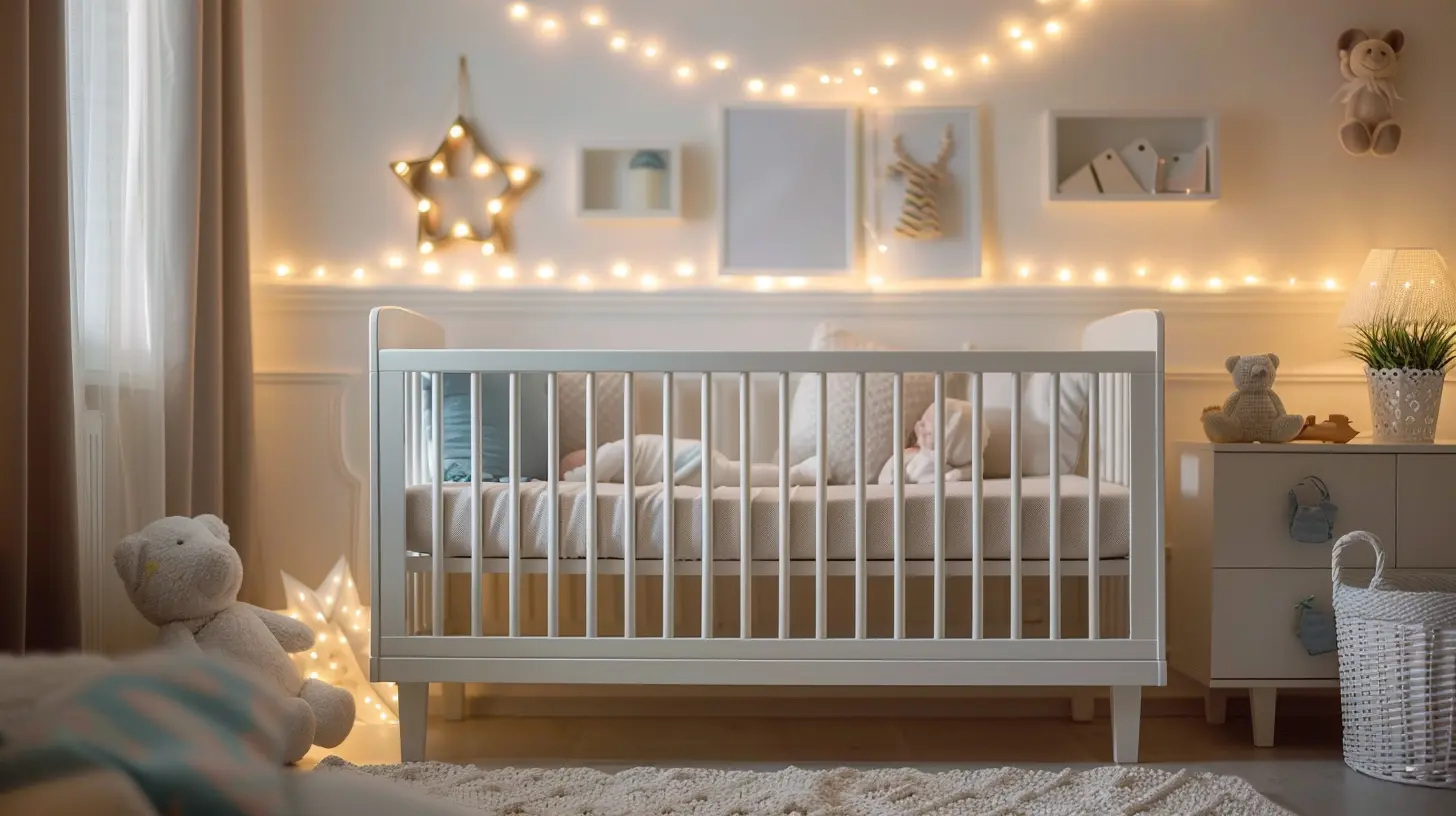
What’s the Ideal Room Temperature for Babies?
Okay, so what’s that magic number?Experts generally recommend keeping the nursery between 68°F and 72°F (that’s about 20°C to 22°C). This range is considered the sweet spot – warm enough so they’re not chilly, but cool enough to avoid the risk of overheating.
Now, you’ve probably heard that overheating is linked to SIDS (Sudden Infant Death Syndrome). It’s one of the main reasons why sleep temperature is such a big deal. An environment that’s too warm can disrupt your baby’s natural ability to wake themselves if needed – and that raises red flags.
No pressure, right? But hey, don’t stress – once you know what to look for, creating a cozy sleep environment becomes second nature.
Signs Your Baby Might Be Too Hot (or Too Cold)
Babies aren’t great at telling us what’s wrong, but their little bodies give clues. Here’s how to tell if your baby’s uncomfortable:Signs of Overheating:
- Sweating (especially on the back of the neck)- Flushed cheeks or red skin
- Rapid breathing
- Damp hair
- Heat rash
Signs Your Baby Is Too Cold:
- Cold hands and feet (though that’s not always reliable)- Pale or blotchy skin
- Fussiness or restlessness
- Shivering (though rare in babies)
Tip: The best way to check if your baby is too warm or too cold is by feeling their neck, back, or chest. Those areas give you a better read than their hands or feet.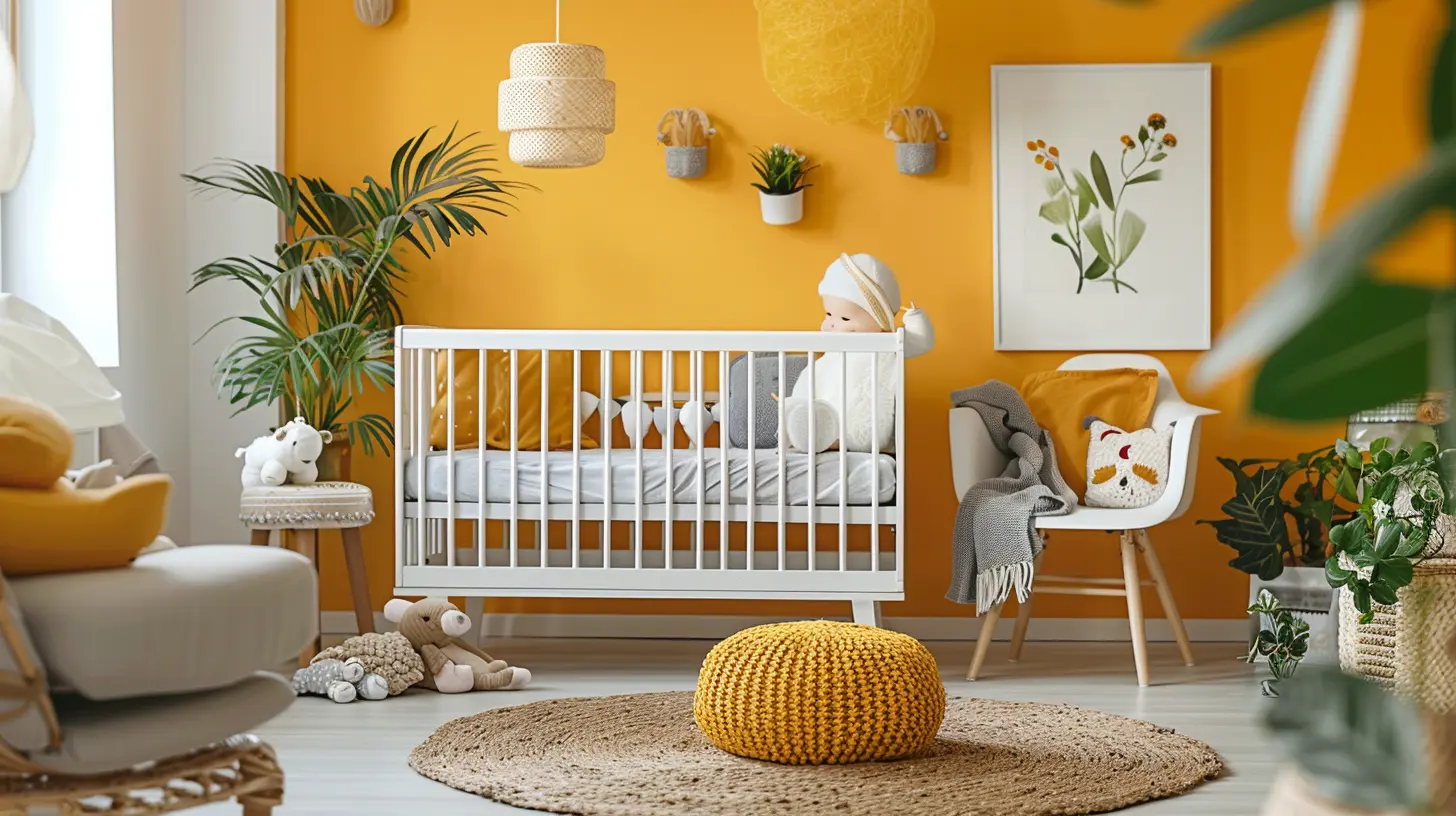
Dressing Your Baby Right for Sleep
If you’ve ever stood in front of your baby’s dresser wondering “Is this too much? Not enough?” — you’re not alone.Here’s a general rule of thumb: Dress your baby in one more layer than you'd wear to be comfortable.
So, if you’re sleeping in a t-shirt under a light blanket, your baby might do well in a cotton onesie and a light sleep sack.
Sleepwear Based on Room Temp:
- 64°F (18°C) or lower: Long-sleeve onesie + warm sleep sack or footie pajamas with an extra swaddle- 68–72°F (20–22°C): Short or long-sleeve onesie + medium-weight sleep sack
- Over 74°F (23°C+): Just a short-sleeve onesie or even just a diaper and lightweight sleep sack
Avoid heavy blankets or duvets – they’re not safe for infants. Instead, opt for wearable blankets (aka sleep sacks), which keep your baby warm without the risk of suffocation.
Blackout Curtains, Fans, and Thermostats – Tools That Help
Creating a baby haven goes beyond just a cute crib and soft sheets.Blackout Curtains
These are a game-changer. They help regulate both light and temperature in the room. By blocking out sunlight, they can keep the nursery cooler in warmer months and cut down on early wakings when the sun rises at 5 AM.Fans and Air Circulation
You might be worried about using a fan, but studies show that having a fan in the room can actually reduce the risk of SIDS by improving air circulation.A gentle ceiling or standing fan helps keep air moving and prevents warm air from getting trapped around your baby’s body. Just don’t point it directly at them.
Thermostats & Thermometers
Get a room thermometer – they’re inexpensive and super helpful. Some even come with a color display to show if the temperature is in the safe range.Smart thermostats can also be a godsend, letting you monitor and adjust the temperature without tiptoeing into the nursery and risking a wake-up.
Don’t Forget Seasonal Adjustments
Just like adults trade hoodies for tank tops on a hot summer day, your baby might need a wardrobe (and bedding) change as the seasons shift.Summer Sleeping Tips:
- Use breathable, lightweight sleepwear- Open windows when safe or use a fan
- Keep curtains closed during the day to block heat
- Avoid plastic mattress protectors that trap heat
Winter Sleeping Tips:
- Use fleece or thermal sleep sacks- Keep crib away from windows or drafts
- Check for cold air leaks and seal them
- Consider a space heater (but use it safely – never leave it on unattended or too close to baby)
Remember, you’re aiming for consistent room temperature – not a sauna in the winter or an icebox in July.
Co-Sleeping and Temperature: Things to Consider
If you’re bed-sharing (or considering it), temperature control becomes even more crucial. Two (or more) bodies in the same bed naturally raise the heat.- Wear lighter clothing to bed
- Use minimal bedding
- Avoid heavy quilts or extra pillows near baby
- Monitor the temperature frequently
Baby’s safety always comes first, especially in shared sleep spaces.
Travel and Sleep Temperature Challenges
Ever tried getting your baby to sleep somewhere new and it was a complete disaster? Been there.Hotels, grandma’s house, camping trips — they don’t always offer perfect climate control. In those cases:
- Bring your own room thermometer
- Pack layers so you can adjust baby’s sleepwear
- Use portable white noise machines to help with unfamiliar sounds
- Consider a travel-friendly sleep sack
Planning ahead with temperature in mind can make sleep on-the-go way less stressful.
Trust Your Instincts (You're Doing Better Than You Think)
Here’s the thing — no one knows your baby better than you do. While guidelines and tips help, trust those parental instincts. If you think your baby seems uncomfortable, you're probably right.Creating a sleep-friendly environment isn’t about perfection. It’s about noticing what works, tweaking what doesn’t, and responding to your baby’s cues. And hey, if you have to do a middle-of-the-night pajama swap or adjust the thermostat at 3 AM — welcome to the club.
Parenting is messy, sweet, exhausting, and full of trial and error. But helping your baby sleep better (and getting a little shut-eye yourself) is definitely worth dialing in that nursery temp.
Final Thoughts: A Cozy Baby is a Sleeping Baby
Temperature might not be the flashiest part of your baby’s sleep setup, but it’s one of the most vital. Keep it cool but not cold, dress your baby smartly, and stock the nursery with helpful tools like blackout curtains and fans.When the room feels comfortable, safe, and just the right kind of cozy – your baby sleeps better, and in turn, so do you. And let’s be honest, a well-rested parent is a better parent. (Seriously, you’re a superhero—but even superheroes need rest!)
So, tonight, as you do your bedtime routine, give a little extra thought to the room temperature. It’s a small tweak with a big impact. Here's to better baby sleep—and more peaceful nights for everyone.
all images in this post were generated using AI tools
Category:
Baby SleepAuthor:

Kelly Snow
Discussion
rate this article
2 comments
Kennedy Clarke
This article highlights essential tips for maintaining an optimal sleep environment for babies. Understanding temperature’s impact on sleep quality is crucial for nurturing healthier sleep habits. Great insights!
February 25, 2026 at 4:02 PM
Kelly Snow
Thank you for your feedback! I'm glad you found the insights helpful for promoting better sleep for babies.
Sylas McFee
Creating a sleep-friendly environment for babies involves maintaining an optimal room temperature, ideally between 68-72°F (20-22°C). Proper ventilation, breathable bedding, and avoiding overheating are crucial in promoting restful sleep, ensuring your baby feels safe and comfortable throughout the night.
February 10, 2026 at 4:28 PM
Kelly Snow
Thank you for highlighting these important guidelines! Maintaining the right temperature and ventilation is key to ensuring a safe and comfortable sleep space for babies.