The Teething Timeline: What to Expect
7 March 2026
Teething. It’s one of those milestones that every parent dreads. Just when you thought you had a handle on this whole parenting thing—bam! Your sweet, drooly baby turns into a cranky, sleep-deprived little gremlin. Sound familiar? You're not alone. Teething is no joke, but the good news is, it’s totally normal.
But what exactly happens during teething, and when should you expect those pearly whites to make their grand entrance? Grab a cup of coffee (you’ll need it), and let’s break down the teething timeline so you know what’s coming.

When Does Teething Start?
Babies don’t read baby books, so there’s no exact start date for teething. However, most little ones begin the process between 4 to 7 months old. Some babies start earlier (hello, overachievers!), while others wait until after their first birthday to sprout that first tooth. Both are totally normal.One thing’s for sure—once those teeth start coming in, you’ll know it. The drool, the fussiness, the constant gnawing on anything and everything? Yep, teething is in full swing.
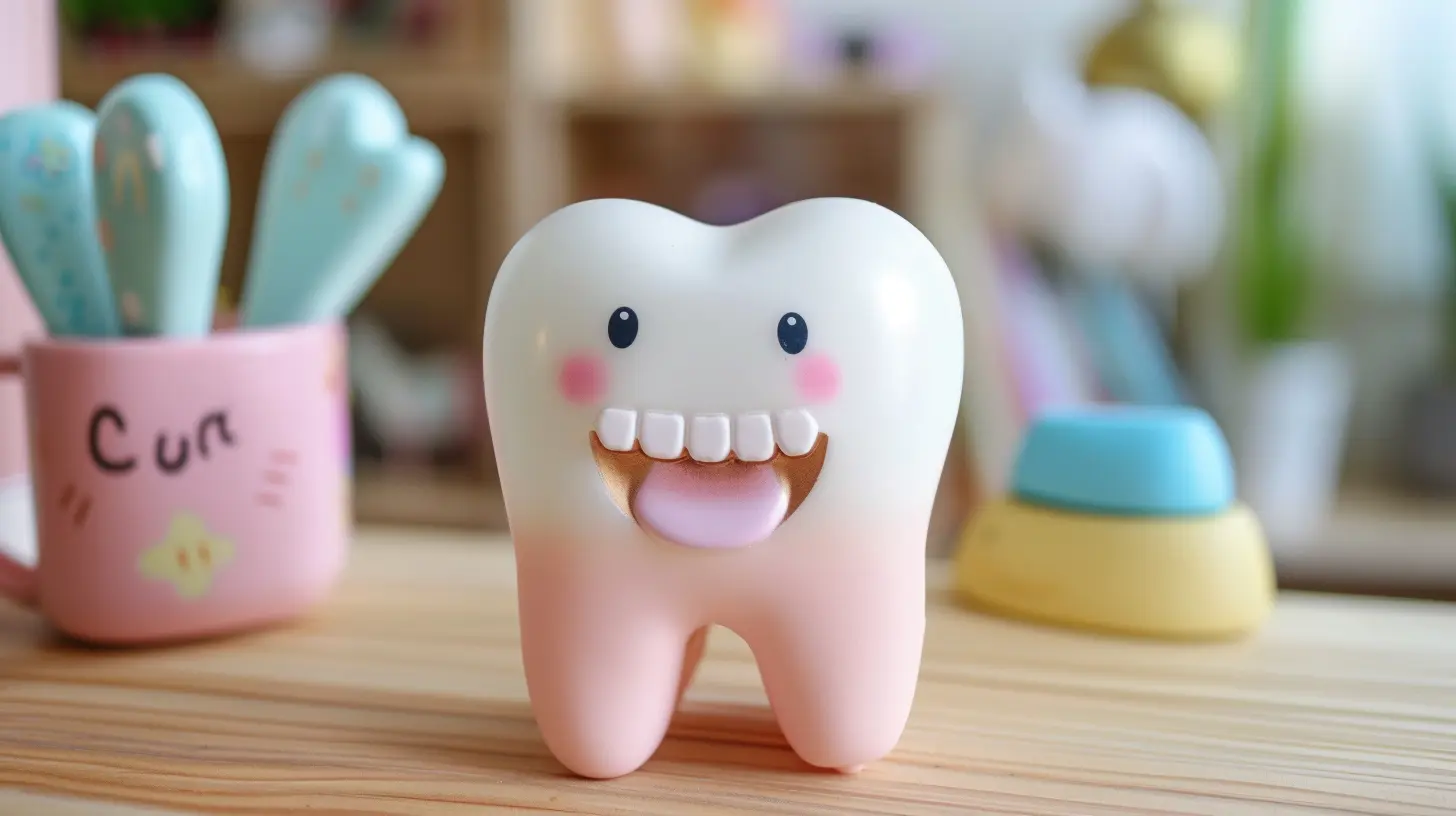
Signs Your Baby Is Teething
Every baby is different, but here are some common teething symptoms to watch out for:- Drooling galore – Get those bibs ready because teething babies can soak through an outfit in minutes.
- Fussiness – Your normally happy baby might turn into a tiny, emotional wreck (send help).
- Chewing on everything – Toys, fingers, furniture—nothing is safe.
- Trouble sleeping – Guess who’s waking up multiple times a night? (It’s you. Sorry.)
- Irritated gums – Red, swollen gums mean teeth are getting ready to break through.
- Loss of appetite – Teething discomfort can make babies turn their noses up at food.
- Ear pulling & cheek rubbing – The pain can radiate, making them tug on their ears or rub their face.
Now that we’ve confirmed your baby is, in fact, teething, let’s go through the timeline so you know what to expect and when.

The Teething Timeline: When Each Tooth Arrives
Babies are born with all 20 primary teeth hiding in their gums, just waiting to make their grand entrance. Here’s a rough breakdown of when each set of teeth typically appears:4-7 Months: The Bottom Central Incisors
These are the first teeth to emerge, typically the two bottom front teeth. They’re small but mighty, and they usually pop up between 4 to 7 months. This is when the real fun begins (aka, the sleepless nights start stacking up).8-12 Months: The Top Central Incisors
Right after the bottom two, the top front teeth make their debut. These usually show up between 8 to 12 months. If your baby looks like a tiny bunny with just two top teeth, enjoy it—it’s a ridiculously cute phase.9-13 Months: The Top Lateral Incisors
Next up, the teeth on either side of the top front teeth come in, making your baby’s grin even wider. These typically show up between 9 to 13 months.10-16 Months: The Bottom Lateral Incisors
The bottom teeth next to the central ones arrive around 10 to 16 months. By this point, your baby has a nice little collection of front teeth for nibbling on finger foods (and occasionally your fingers).13-19 Months: The First Molars (Top & Bottom)
Now it’s time for the big guys—the first molars. These bad boys appear between 13 to 19 months, and they are NOT fun for anyone involved. Molars are larger and take their time pushing through. Expect extra fussiness, possibly a little more drooling, and lots of chewing.16-22 Months: The Canines (Pointy Teeth)
The canines, or "fang teeth", come next (around 16 to 22 months). These pointed teeth sit between the incisors and molars, making your toddler’s smile look even more complete.25-33 Months: The Second Molars (Top & Bottom)
The final teeth to arrive are the second molars, which usually come in between 25 to 33 months. They mark the end of the teething journey (hallelujah!). Once these are in place, your little one officially has a full set of 20 baby teeth.
How Long Does Teething Last?
Brace yourself—teething doesn’t just happen overnight. It’s a long, drawn-out process that can last until your child is about 3 years old. The symptoms come and go as different teeth push through, giving you short breaks in between. (Silver lining, right?)While there’s no way to "speed up" teething, there are plenty of ways to help your little one get through it.
Teething Remedies That Actually Work
By now, you're probably wondering—how do I survive teething? Here are a few tried-and-true remedies to help soothe your baby’s sore gums:1. Teething Toys
Rubber teethers, silicone rings, or even a clean, cold washcloth can work wonders. Some babies prefer hard rubber, while others like soft or textured surfaces—experiment and see what works.2. Cold Things = Happy Gums
Cold can numb sore gums and provide relief. Try chilling a teething toy, offering a cold spoon, or even giving your baby a cold piece of fruit (if they’re already eating solids).3. Gentle Gum Massage
Wash your hands and give your baby’s gums a gentle rub with your finger. The counter-pressure can help ease discomfort.4. Teething Biscuits (For Older Babies)
If your baby is already eating solids, teething biscuits can keep them busy while soothing their sore gums. Just keep a close eye to prevent choking.5. Pain Relievers (If Necessary)
If your baby is really struggling, you can use infant acetaminophen (Tylenol) or ibuprofen (for babies over 6 months). Just check with your pediatrician for the correct dosage.
What NOT to Do for Teething
There are some teething remedies you should skip:🚫 No teething necklaces – They pose a choking and strangulation hazard.
🚫 No frozen items directly on gums – Too much cold can damage the tissue.
🚫 Stay away from teething gels with benzocaine – The FDA warns against them due to safety concerns.
When to Call the Pediatrician
Most teething symptoms are mild and manageable, but if you notice anything unusual, check with your doctor. Signs that something else might be going on include:- High fever (over 100.4°F) – Teething might cause a slight temp, but not a fever.
- Severe diarrhea – Mild loose stools are common, but full-blown diarrhea could mean something else.
- Rashes that worsen – A little drool rash is normal, but widespread redness or swelling isn’t.
- Extreme fussiness that won’t stop – If nothing helps, it’s worth checking in with your pediatrician.
Final Thoughts on Teething
Teething is a rollercoaster—some days are fine, others are pure chaos. But here’s the thing: it won’t last forever. One day, you’ll wake up, and your child will have a full set of teeth, ready to flash their adorable grin at you.Until then, stock up on teething toys, arm yourself with patience, and know that you’re not alone. You got this, parents!
all images in this post were generated using AI tools
Category:
Teething BabyAuthor:

Kelly Snow
Discussion
rate this article
2 comments
Jennifer Duke
Teething: tiny teeth, huge parental coffee!
March 14, 2026 at 5:52 PM
Kelly Snow
Absolutely! Teething can be tough, but that caffeine boost helps parents power through the sleepless nights!
Lyanna Lane
Hang in there, parents! Teething can feel overwhelming, but remember, it’s a temporary phase. Embrace those little milestones and cherish each moment. Your patience and love will guide your little one through this journey. You've got this! 🌟
March 14, 2026 at 4:19 AM
Kelly Snow
Thank you for your encouraging words! Teething can be tough, but your support and positivity make a big difference for parents navigating this phase. 🌟