Understanding Teething Rash and How to Treat It
28 February 2026
Ah, teething—the word alone is enough to send shivers down a parent's spine. Between the sleepless nights, the waterfall of drool, and the constant gnawing on anything within arm’s reach (including your fingers, phone, and maybe even the cat), it’s a wild ride. But wait—just when you thought things couldn’t get messier, here comes another surprise sidekick: teething rash.
If you're staring at your baby’s red, bumpy cheeks or mysterious patches on their chin, neck, or chest and wondering, "Is this just teething? Or did they try to kiss a lava lamp?"—you’re in the right place.
Grab a cozy blanket, a lukewarm cup of coffee (because we both know it’s never hot), and let’s break this down in the most parent-friendly, giggle-laced way possible.
What is Teething Rash, Anyway?
Think of teething rash as the uninvited guest at the already chaotic teething party. It's a skin irritation caused primarily by the copious amounts of drool that babies produce when those tiny teeth decide to bulldoze their way through the gums.Basically, your baby’s chin and cheeks become a slip ‘n slide for saliva, which irritates the sensitive baby skin and causes those red, blotchy rashes. In short, teething rash is your baby drooling so hard, it’s literally making a splash... on their face.
Why Does Teething Cause So Much Drool?
Oh, let me count the drool rivers. Babies start drooling more around 3-6 months, whether or not a tooth is popping through. The salivary glands are working overtime, like a hyper-caffeinated barista in a coffee shop, and babies haven’t quite figured out how to swallow all that excess liquid.Add teething into the mix, and bam—waterworks. That nonstop moisture sits on the skin like a soggy blanket, breaking down its natural barrier and—voilà!—rash city.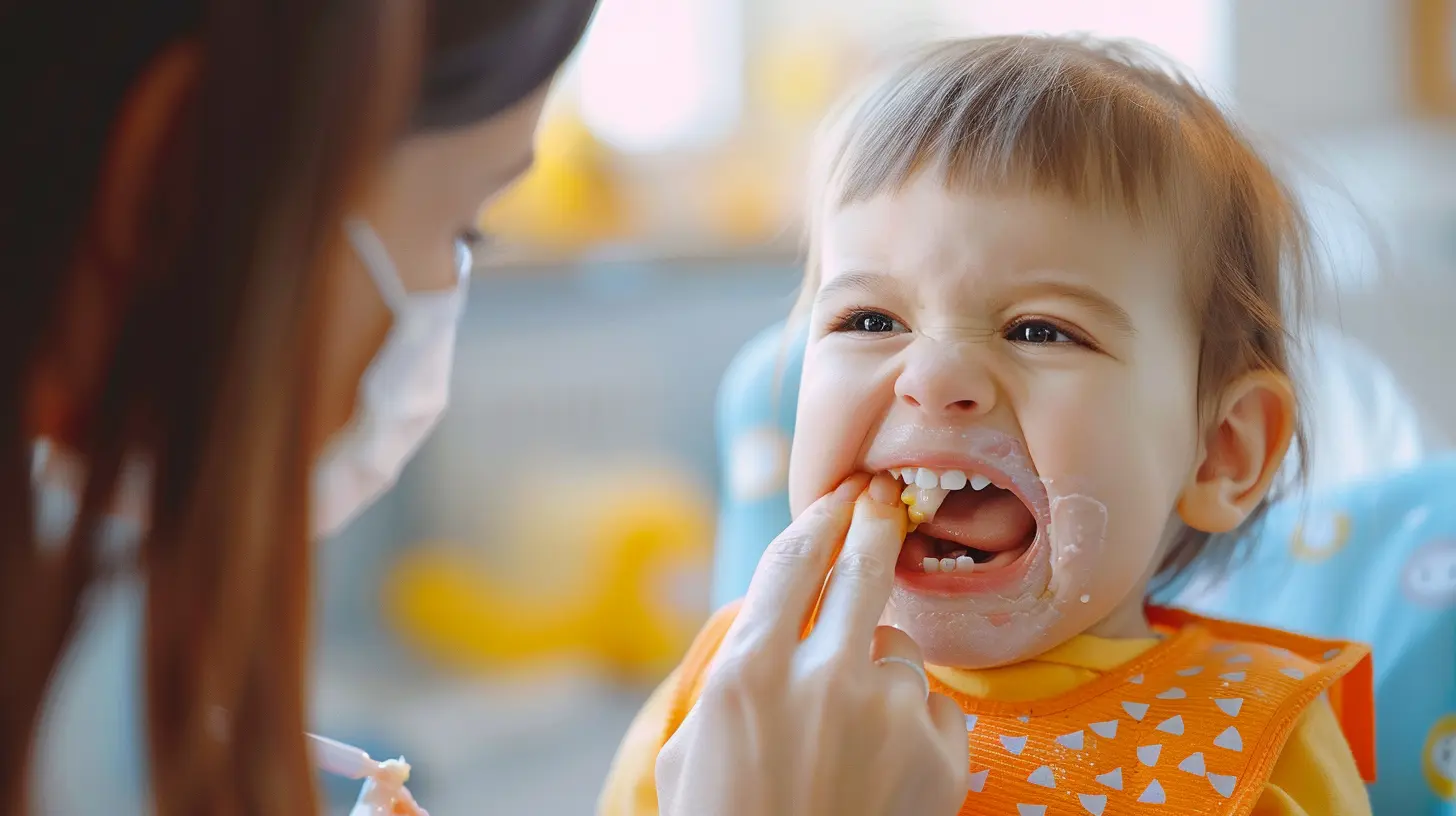
What Does a Teething Rash Look Like?
Good question. And no, it doesn’t glow in the dark or play sad violin music, but it is pretty noticeable. Here's what to look for:- Red patches on the chin, cheeks, around the mouth
- Bumpy skin that may feel dry or scaly
- Mild swelling or irritation
- Rash extending to the neck or chest if the drool has gone rogue
It usually doesn’t look too scary—more like your baby tried a spicy chili for the first time. But don’t worry, it’s not harmful—just a little uncomfortable and definitely photobombing those baby milestone pics.
Is It Really a Teething Rash or Something Else?
Okay, Sherlock Holmes moment here. Not every red bump is a teething rash. Sometimes, it might actually be:- Baby acne – those annoying little bumps that show up in the first few weeks of cuteness overload
- Eczema – which looks drier and can show up all over the body, not just the face
- Heat rash – those pinhead-sized bumps popping out during warmer weather
- Allergic reaction – to lotions, detergent, or that “organic” baby wipe that smells like a scented candle exploded
When in doubt, give your pediatrician a call. Or, like most parents, Google obsessively at 2 a.m., then call your pediatrician anyway.
How to Treat Teething Rash (Without Losing Your Mind)
Let’s get down to the juicy part (pun intended). Here's how you can tackle teething rash like a pro:1. Wipe, But Don’t Rub
Wiping your baby’s face gently (emphasize the gentle, because babies are sensitive little peaches) helps keep the area dry—but rubbing like you're buffing out a car will only irritate it more.Use a soft cloth or a baby wipe. Dab and go. Think of it as giving their cheeks a little pat-pat, not a scrub-a-dub.
2. Keep It Dry-ish
I say “-ish” because if you’ve ever tried to keep a teething baby’s face completely dry, please share your wizardry. For the rest of us, let’s aim for less wet.Keep a bib on the baby during drool season, and swap it out when it gets soaked. Like, if it's so wet you could wring it out like a dish rag—it’s time for a new one.
3. Use a Barrier Cream
Ah, the magical shield of parenthood: barrier cream. Think petroleum jelly, lanolin, or fancy organic balms if you're feeling bougie.These creams sit on the skin like a force field against the drool. Apply a thin layer a few times a day, especially before naps or bedtime. You’re basically giving your baby’s face a raincoat.
4. Cool Compresses (For Extra Sass)
If the rash is looking angry and hot, slap a cool washcloth (not ice-cold, just chill) on the area for a minute or two. It’s like spa day for your baby—minus the cucumber eye masks.Bonus: It helps soothe any itchiness or discomfort that might make your baby crankier than usual. (And we don’t need another reason for crankiness, am I right?)
5. Avoid Irritating Products
You’d be surprised how many baby products have artificial fragrances, alcohol, and other "no-no" ingredients. Stick to fragrance-free and baby-safe lotions or cleansers.And no, now is not the time to experiment with that DIY essential oil concoction your friend swears cleared her third eye chakra.
Should I Call the Doctor?
Listen, we parents have two speeds: "It’s probably nothing" and "This is DEFINITELY the bubonic plague."Truth is, most teething rashes go away on their own with a little TLC. But call your pediatrician if:
- The rash spreads suddenly or looks infected (oozing, crusting—yup, yuck)
- Your baby has a fever (higher than 100.4°F)
- The rash isn’t improving after a few days of treatment
- You’re just not sure (because honestly, parenting is hard and reassurance is golden)
Can I Prevent a Teething Rash?
In a dream world? Sure. In reality? Only kinda.You can’t stop drool (unless your baby has a secret off-switch you haven’t found yet), but you can do these:
- Keep baby’s face dry with bibs, cloths, or absorbent onesies
- Use barrier cream proactively
- Avoid spicy foods that might irritate the skin (sorry, no baby tacos)
- Skip plastic pacifiers that trap saliva around the mouth
It’s all about managing the splash zone, people.
Natural Remedies for Teething Rash (Because You're Crunchy Like That)
If you're riding the natural parenting train (or just have a curious mind), here are a few gentle options:Coconut Oil
Smells like vacation, works like magic. It’s antimicrobial and super hydrating. Massage a tiny amount into the rash area a couple of times a day.Breast Milk
Yup—you read that right. This liquid gold is packed with antibodies and healing properties. Dab a little on the rash and let it air dry. Nature’s remedy in a milk mustache.Chamomile Extract
Known for its calming effects, chamomile (diluted, please!) can soothe inflammation. Use with caution and check with your pediatrician first.The Light at the End of the Drool Tunnel
Teething, like all things baby, is just a phase. A messy, slurpy, slightly rashy phase. But hey, it comes with cute first teeth, gummy smiles, and a lot of funny photos you’ll use for future blackmail—I mean, memories.So when you’re elbow-deep in bib laundry, wiping baby cheeks for the 78th time today, just remember: someday, these will be the stories you laugh about.
And if you ever find a way to keep a baby from drooling… patent it. You’ll retire on a yacht called “No More Rash.”
Final Thoughts
Teething rash is a common, harmless (but annoying) part of babyhood. With some simple TLC, a tube of barrier cream, and a stash of bibs that rivals a department store, you’ll be just fine.And hey, if all else fails—wine for you, teether for baby. Balance.
all images in this post were generated using AI tools
Category:
Teething BabyAuthor:

Kelly Snow
Discussion
rate this article
2 comments
Matilda Mason
This article offers valuable insights into teething rash that every parent should know. Understanding the symptoms and effective treatments makes navigating this phase a bit easier—thank you for sharing!
March 9, 2026 at 5:02 AM
Kelly Snow
Thank you for your kind words! I'm glad you found the insights helpful for navigating this challenging phase.
Phoenix McClendon
Teething rash is common and can be eased with gentle cleansing and soothing ointments. Keep your baby's skin dry and apply barrier creams to protect against irritation. Consult your pediatrician for persistent issues.
March 1, 2026 at 3:34 AM
Kelly Snow
Thanks for the tips! Keeping the skin dry and using barrier creams can really help. Always good to consult a pediatrician when needed.