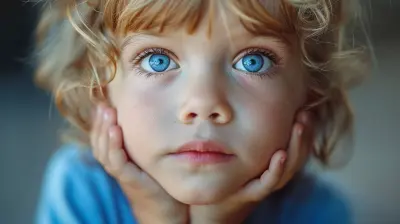
Unpacking the Power of Non-Verbal Cues in Parent-Child Communication
16 December 2025
Ever had a moment with your child where no words were spoken, but somehow, everything was understood? Yep — been there. That magical connection where a glance, a smile, or even a sigh says it all. That’s the real power of non-verbal cues in parenting. These silent signals carry more weight than we often give them credit for.
Let’s dive in and unpack why non-verbal communication is actually the secret sauce in building stronger, deeper, and more loving parent-child connections. Don't worry — no psychology degree required, just a big heart and a willingness to tune in.
What Are Non-Verbal Cues Anyway?
Before we jump into the why and how, let’s get clear on the what.Non-verbal cues are the silent signals we send without speaking — things like body language, facial expressions, tone of voice, posture, gestures, and even eye contact. It's basically everything you're "saying" without actually saying a word.
In a world where we rely so much on words (texts, calls, emails), it might surprise you that 70% to 90% of communication is non-verbal. So yeah, that raised eyebrow or shoulder shrug isn’t just an add-on — it’s potentially the main message!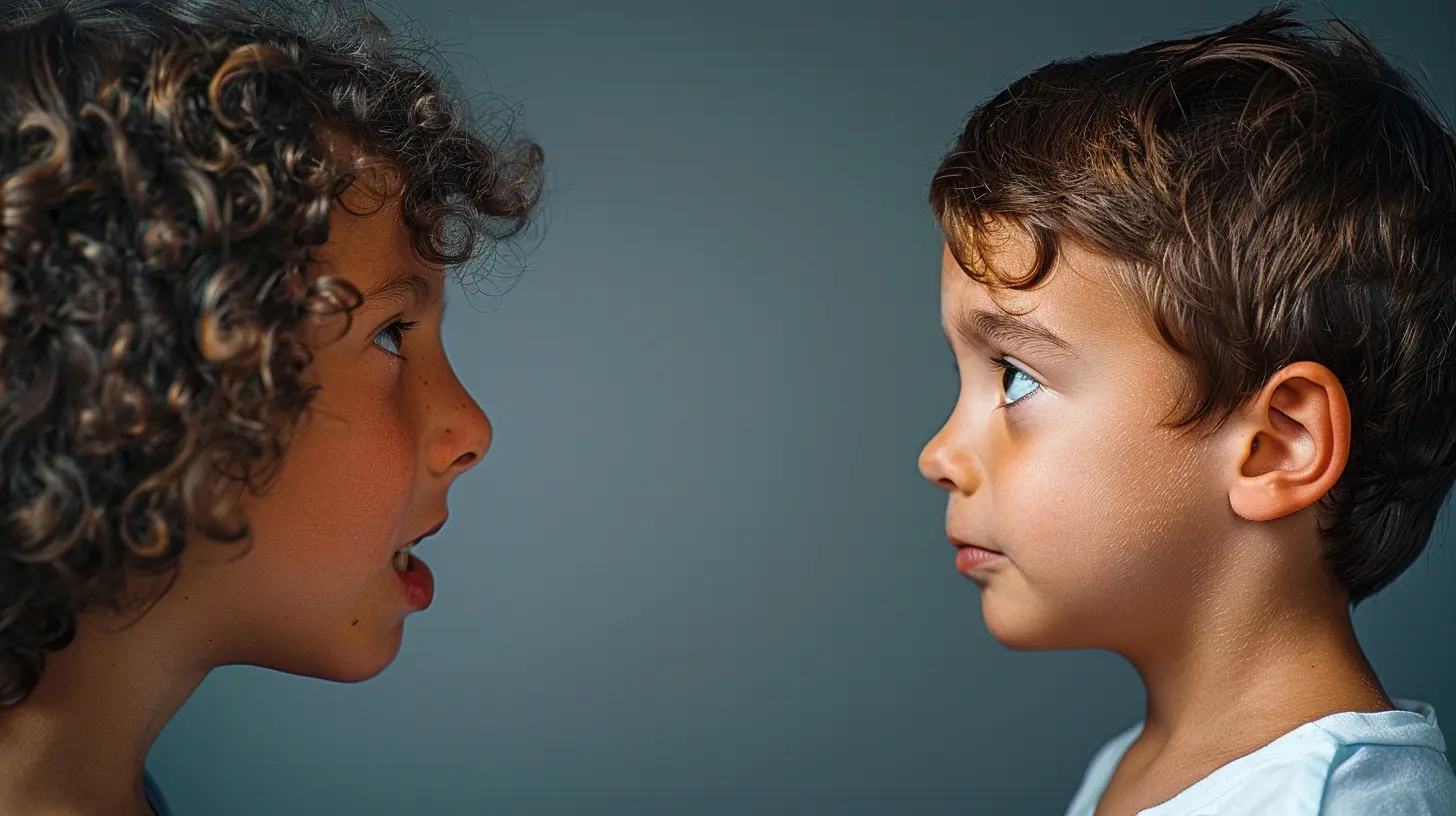
Why Non-Verbal Cues Matter So Much in Parenting
Ever heard the saying, “Actions speak louder than words”? You bet they do — especially when it comes to parenting.1. Children Are Super Observers
Before kids even learn to speak, they’re tuned into your face, your voice, your movements. Babies, for example, can read emotional cues from facial expressions!That means your toddler might not catch your “I’m not mad” words — but they’ll 100% notice your crossed arms or furrowed brow. They don’t just listen with their ears; they read your whole vibe.
2. Trust Is Built (or Broken) Without Words
Kids can spot inconsistency like radar. If you say “I’m proud of you” but sigh and roll your eyes? That message gets scrambled. But if you lock eyes, smile earnestly, and hug them tight? You just built trust with zero confusion.Non-verbal cues deliver authenticity. When your actions match your words, it sends kids a loud and clear message: “You can trust what I say.”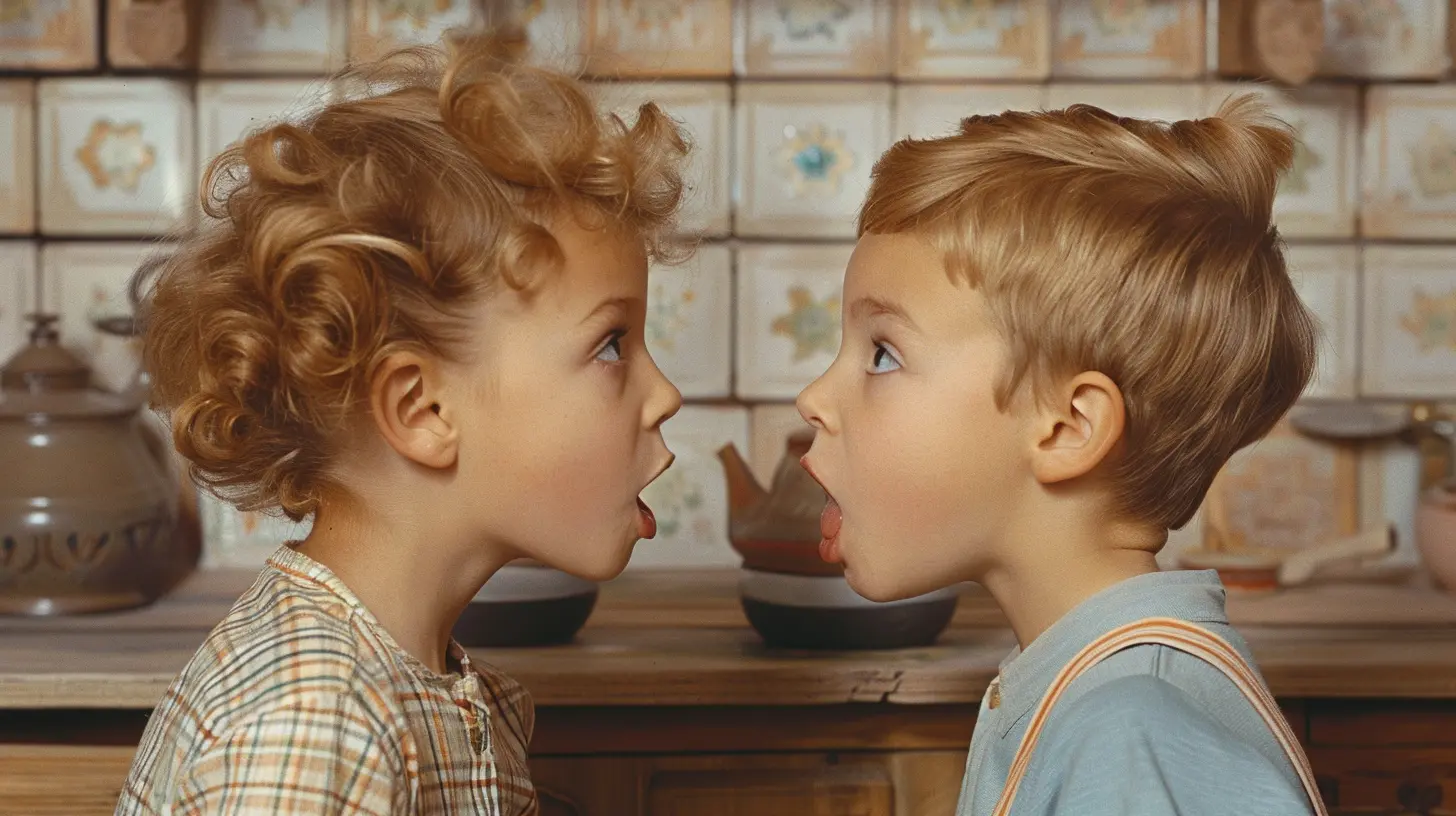
Types of Non-Verbal Communication Parents Use (Whether We Realize It or Not)
Let’s break down the subtle language we’re always speaking — even when our mouths are zipped.1. Facial Expressions: Your Built-In Emoticons
Happy face, angry face, sad face — no need to explain to your child how you're feeling. Your face says it all!Your child learns to interpret emotions by watching yours. Smiling when they succeed or giving a concerned look when they're upset shows empathy. And that makes them feel seen and understood.
2. Tone of Voice: The Hidden Meaning Behind Your Words
You can say “Come here” 10 different ways and each one can mean something totally different. Whispering it gently invites trust. Barking it loud might trigger panic. Tone is like the background music of your message — it adds context and emotion.3. Eye Contact: The Connection Glue
Looking into your child’s eyes, even for a brief moment, creates a bond that's stronger than words. Eye contact says: “I see you. You matter to me.”Of course, too much intense eye contact can overwhelm a shy child. It's all about balance and sensitivity.
4. Gestures and Body Movements: The Conversation Enhancers
Think of these as your message’s backup dancers. A thumbs-up, a high five, or even open arms are all ways of reinforcing what you're trying to say.When your child is upset, crouching down to their level communicates that you're here and you're listening — no words needed.
5. Physical Touch: Hugs, Hand-Holding, and Comfort
Sometimes a warm hug speaks louder than a thousand reassuring words. Touch builds security, comfort, and attachment. Whether it’s a pat on the back or holding their hand across a busy street — it's pure love in action.
The Domino Effect: How Non-Verbal Communication Shapes Behavior
Believe it or not, your child learns how to navigate emotions, relationships, and even conflict by watching how you act — not just what you say.Positive Cues = Positive Development
When children regularly receive non-verbal messages of love, safety, and respect, it shows. These kids are more likely to:- Develop strong self-esteem
- Manage their emotions better
- Communicate more effectively
- Show empathy toward others
Mixed Signals = Confusion and Frustration
Imagine being told "You're not in trouble" but your parent’s tone says otherwise. Confusing, right? Mixed messages can make kids feel anxious and unsure. Over time, this affects their ability to trust or share openly.Common Missteps and How to Avoid Them
We're human — not robots. So yeah, we all mess up from time to time. The key is awareness.1. Distraction Mode (a.k.a. Checking Your Phone Constantly)
Multitasking while your child talks? That signals “I’m not interested.” It might seem small, but it adds up. Try giving your full attention — even just for a minute. It's like giving them a mental hug.2. Overreacting with Body Language
Rolling your eyes. Throwing up your hands. Glaring. These can make your child shut down or become defensive. Choose calm, open gestures instead.3. Smiling Through Frustration
Kids will pick up on forced emotions. If you're frustrated, it's okay to show it — just do it constructively. “I’m feeling a bit overwhelmed right now, let’s take a minute.” That’s honest and empowering.Reading Your Child’s Non-Verbal Language
It’s a two-way street! Kids are little emotion sponges and they’re constantly sending signals too.Watch for These Clues:
- Crossed arms = feeling defensive- Avoiding eye contact = nervousness or guilt
- Fidgeting = anxiety or boredom
- Hugging or clinging = seeking comfort or reassurance
Being tuned into these signs helps you respond in a way that meets their emotional needs. And that? That’s parenting gold.
Building a Better Bond Through Non-Verbal Connections
The best part? Improving your non-verbal communication doesn’t require a course. It just takes being present, intentional, and tuned in. Here are some practical ways to level up your silent parenting skills:1. Practice “Face Time” (No, Not the App)
Create small pockets of undistracted, face-to-face time daily. Even 5 minutes of direct eye contact and interaction while playing or chatting boosts connection.2. Mirror Their Emotions
If your child is excited, light up with them! If they’re sad, soften your expression and match their energy. It tells them: “I'm with you.”3. Crouch to Their Level
Talking “eye to eye” — literally — makes your child feel equal and heard. It’s a simple but powerful move.4. Use a Gentle Touch
A reassuring hand on the shoulder, a cuddle on the couch, even a soft hair stroke — these are all non-verbal love notes in action.5. Be Aware of Your "Mood Posture"
Are your arms crossed constantly? Do you sigh when your child walks in the room? Take inventory. Your body often speaks louder than your mouth.The Long-Term Magic of Mastering Non-Verbal Communication
Here’s the cherry on top: mastering non-verbal cues doesn’t just create better moments — it shapes lifelong relationships.When kids grow up feeling truly understood (even in silence), they develop into emotionally intelligent, empathetic adults. You’re basically handing them a secret emotional toolkit they’ll use forever — in school, friendships, and eventually, in their own families.
Plus, you might just find your parenting journey gets a bit smoother. Less chaos, fewer misunderstandings, more connection.
Let the Silent Signals Speak Volumes
Parenting is a beautiful, unpredictable dance. Sometimes we stumble, sometimes we soar. But when we tune into the silent language between us and our children, we create harmony even in the messiest moments.So next time you’re with your little one, pause. Take a breath. Look into their eyes. Smile from your heart. Let your presence say — without a single word — “You are loved.”
Because in the end, it’s not just about what we say, it’s about what we show.
all images in this post were generated using AI tools
Category:
Communication With KidsAuthor:

Kelly Snow
Discussion
rate this article
2 comments
Jude Ross
This article beautifully highlights the significance of non-verbal communication in parent-child interactions. Understanding these cues can greatly enhance our relationships and foster a deeper emotional connection with our children. Thank you!
December 26, 2025 at 4:43 PM
Kelly Snow
Thank you for your thoughtful comment! I'm glad you found the article valuable in understanding the importance of non-verbal communication in strengthening parent-child relationships.
Simon Rhodes
Who needs a parenting manual when you’ve got a toddler’s eye roll and a silent stare? Non-verbal cues are the real MVPs of communication—because sometimes, words just mess things up!
December 16, 2025 at 5:19 AM
Kelly Snow
Absolutely! Non-verbal cues like eye rolls and silent stares often convey more than words ever could, highlighting the importance of understanding and interpreting these subtle signals in parent-child communication.