What Experts Say About Managing Teething Pain
21 July 2026
Let’s talk about teething. Yep, that dreaded phase where your sweet, smiley baby suddenly turns into a drooly, cranky little gum-monster. It sneaks up on you—everything’s going smoothly and then bam! They're chewing on everything like a teething velociraptor. So what do the experts really say about managing teething pain? Are those teething gels actually safe? Do frozen washcloths work? And what the heck is up with those amber necklaces?
Buckle up, because we’re breaking down everything you need to know about soothing those sore baby gums—straight from pediatricians, dentists, and child development experts who’ve seen it all.
Teething Basics: What’s Really Going On?
Before we dive into the "how-to" part, let’s unpack what’s happening during teething.Babies are typically born with a full set of teeth hidden under the gums. Teething starts when those pearly whites begin pushing through the gums—usually around 4 to 7 months. But hey, some babes are early birds. Others don’t sprout a thing until after their first birthday. All totally normal.
Here are some classic teething signs:
- Excessive drooling (hello, mini waterfall)
- Chewing on everything in sight
- Puffy or swollen gums
- Fussiness or irritability
- Trouble sleeping
- Loss of appetite
Sounds a bit like dealing with a tiny, grumpy vampire, right?
Myth-Busting: Teething Doesn’t Cause Fevers
Let’s get one thing straight—teething does not cause high fever or diarrhea. That’s pediatrician-confirmed. Dr. Tanya Altmann, a well-known pediatrician and author, emphasizes that while a mild temperature might show up, a true fever (over 100.4°F or 38°C) usually points to something else.So if your baby’s burning up or has tummy troubles, don’t brush it off as teething. Make that call to your pediatrician, just to be safe.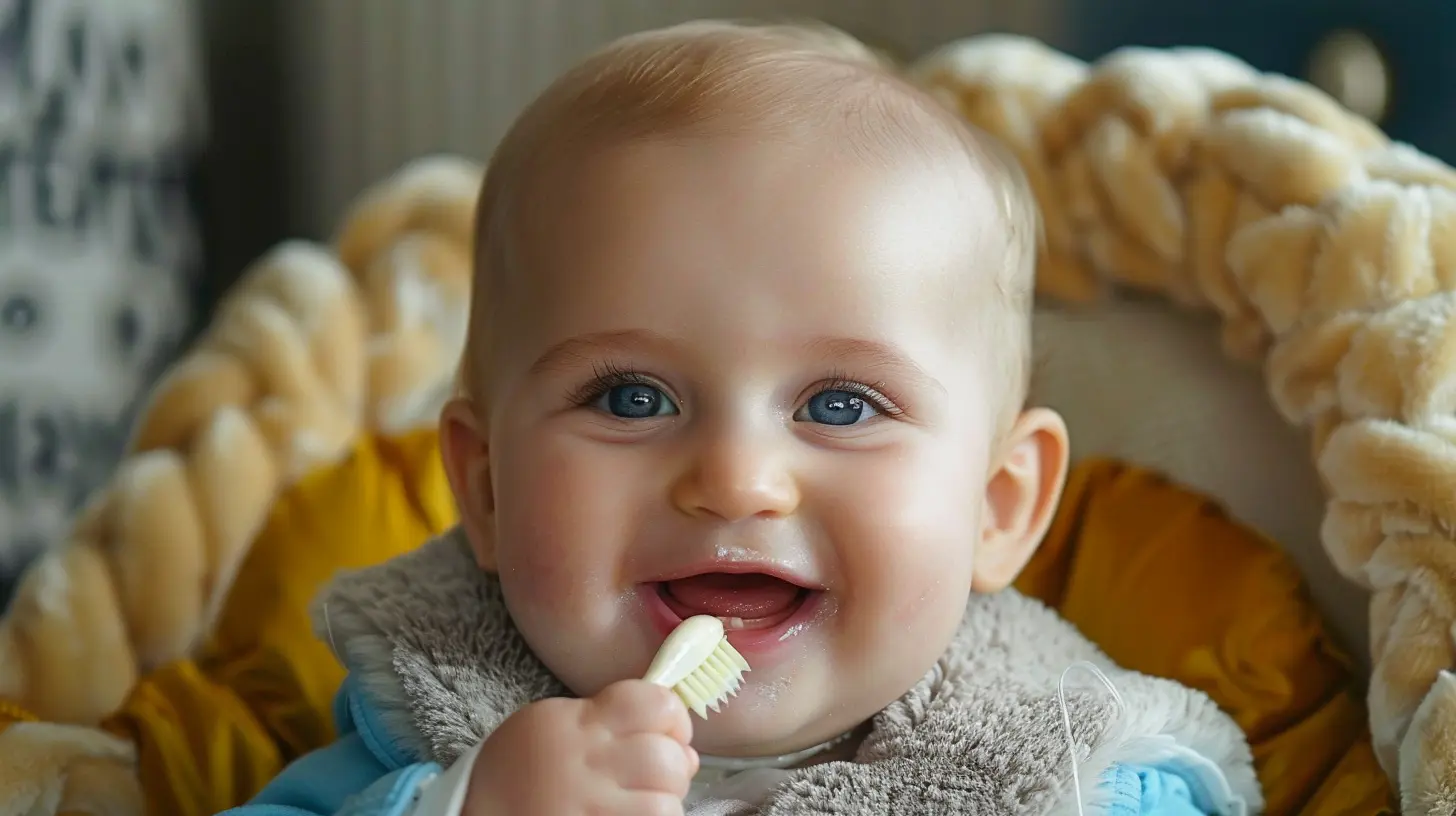
What Pediatricians Recommend for Teething Relief
Alright, now that we’ve set the stage, let’s tackle the million-dollar question: How do you actually soothe a teething baby?1. Cold Is King
Almost every expert gives a thumbs-up to cold items. Why? Cold numbs the gums and reduces inflammation.Try this:
- A cold wet washcloth (twist it up and pop it in the fridge)
- A chilled (not frozen) teething ring or spoon
- Refrigerated purees like apple or pear (great for older babies)
Just don’t freeze teething rings solid—rock-hard objects can bruise already sensitive gums.
2. The Power of Pressure
Counter-pressure works wonders. When babies chew, they’re doing more than satisfying the urge—they’re easing the discomfort too.Give your little one:
- A silicone teething toy (BPA-free only, folks!)
- Your clean fingers to massage their gums gently
- Teething mittens (for the little hand-chewers out there)
Bonus tip: Rub their gums with a cool, damp finger. It’s easy, free, and surprisingly calming.
Are Teething Gels Safe? Spoiler: Not Really.
In the good ol' days, parents reached for teething gels without blinking. But modern experts are strongly waving red flags.The FDA warns against gels with benzocaine (a topical anesthetic). Why? It can cause a rare but serious condition called methemoglobinemia—where oxygen levels in the blood drop dangerously low. Not worth the risk.
Even homeopathic teething tablets have been under investigation for inconsistent levels of belladonna (yes, that toxic plant). Dr. Jay L. Hoecker from the Mayo Clinic advises avoiding these completely.
Bottom line? Skip the gels. There are safer, more effective ways to do the trick.
Natural Remedies Experts Actually Like
Going the crunchy route? Natural doesn’t always mean safe—but some remedies do have expert backing.1. Chamomile Tea (Weak and Cooled)
Some pediatricians give chamomile tea the green light for its calming anti-inflammatory effects. Soak a clean cloth in a weak brew and let baby chew—or offer it in a sippy cup.Important: Check with your pediatrician before trying this.
2. Breastfeeding for Soothing
If you’re nursing, your breast is basically a teething toy with built-in comfort. Don’t be surprised if your baby wants to nurse more often during this phase. It’s part pain relief, part emotional comfort.3. Distraction Therapy
Sometimes, the best remedy is shifting their focus. Play some music, go for a walk, pop them in a carrier—anything to change the scenery and help them forget the fuss.What Dentists Say: Start Oral Care Early
Teething time is also the perfect moment to start talking dental care. According to the American Academy of Pediatric Dentistry, you should start brushing as soon as the first tooth pops up.Here’s what they suggest:
- Use a tiny smear of fluoride toothpaste (think: size of a grain of rice)
- Opt for a soft infant toothbrush
- Make brushing a twice-a-day ritual
Starting early builds lifelong habits—not to mention it’s a handy distraction during teething meltdowns.
What About Teething Biscuits?
Teething biscuits are a mixed bag. Some pediatricians are cautious, especially with younger babies (under 8–9 months), due to choking hazards and added sugar.If you use them:
- Supervise closely (we’re talking hawk-eye level)
- Choose options with simple, wholesome ingredients
- Never let baby teethe on cookies unattended
Honestly, chilled veggies like cucumber spears or soft carrots (peeled and supervised) are a safer and healthier bet for older babies.
Teething Necklaces? Nope, Nope, and Nope.
Let’s talk amber teething necklaces. They’ve gained cult-like popularity, but experts—dentists and pediatricians—are unanimously against them.The idea is that amber releases succinic acid, which supposedly reduces pain and inflammation. But there’s no solid science behind that. Plus, they’re a real choking and strangulation hazard.
Dr. Natasha Burgert, a pediatrician and parenting influencer, is blunt: “Necklaces don’t belong on babies. Period.”
So, nope. Not worth the risk.
Expert Tips for Surviving the Sleepless Nights
Teething pain often peaks at night. Great, right? Just when you’re ready to crash. But there are ways to ease the chaos:- Give a dose of baby acetaminophen or ibuprofen (age-appropriate and doctor-approved) at bedtime if the pain is severe.
- Keep the room cool—cooler temps seem to soothe teething discomfort.
- Stick to a consistent bedtime routine—even if it feels like a lost cause, babies find comfort in predictability.
- Offer your teething tricks (cool cloth, toy) during the wind-down phase.
And don’t worry—it will pass. Teething is temporary, even if the sleepless nights feel eternal.
Teething Timeline: When Will It End?
Here’s a rough guide to when those tiny teeth show up:| Tooth | Typical Age (Months) |
|---------------|------------------------|
| Bottom Central Incisors | 6–10 months |
| Top Central Incisors | 8–12 months |
| Lateral Incisors | 9–16 months |
| First Molars | 13–19 months |
| Canines | 16–23 months |
| Second Molars | 23–33 months |
By age 3, most kids have their full set of 20 baby teeth. Yes, that means teething can hang around for the better part of 2 years. But thankfully, the toddler years bring a little more resilience (and fewer tears).
When to Call the Doctor
Teething is uncomfortable, but it shouldn't leave your baby completely miserable. Call your pediatrician if:- Baby has a fever over 100.4°F (38°C)
- There’s diarrhea or vomiting
- Gums are excessively swollen or bleeding
- Baby is inconsolable or won’t eat/drink
- You just need reassurance (trust us, doctors get it)
No one gets a trophy for toughing it out solo. If something feels off, get help.
Real Talk from Parents (Because Experts Aren’t the Only Ones Who Know)
Let’s face it—sometimes the best advice comes from the trenches. Fellow parents swear by things like:- Baby mesh feeders stuffed with frozen fruit
- Cold yogurt or applesauce
- Silicone toothbrush teethers
- Singing their favorite lullaby on loop (even at 3 a.m.)
And remember, every baby is different. What works for one won’t always work for another. Trial and error is part of the journey.
Final Thoughts: You've Got This
Teething isn’t fun. In fact, it can make you second-guess your parenting skills or wonder if your baby’s possessed (kidding… kind of). But here’s the good news: it’s normal, it’s temporary, and there’s a whole toolbox of solutions out there.Experts agree that safe, soothing strategies like cold items, gum massage, and lots of cuddles work wonders. You don’t need fancy gadgets or risky remedies. You need patience, love, and maybe a solid stock of coffee.
So hang in there. Those tiny teeth are a rite of passage—for both of you.
all images in this post were generated using AI tools
Category:
Teething BabyAuthor:

Kelly Snow