When to Expect Your Baby’s First Tooth
12 February 2026
Watching your baby hit different milestones is one of the most exciting parts of parenthood. From the first smile to the first word, every moment feels magical. But one milestone that often comes with some fussiness (and maybe a few sleepless nights) is the emergence of your baby’s first tooth.
So, when exactly can you expect that first little pearly white to make an appearance? And what signs should you look for? Let’s dive into everything you need to know about your baby’s first tooth—from timing to teething symptoms and tips to soothe your little one.

When Do Babies Typically Get Their First Tooth?
Every baby is different, but most babies get their first tooth between 4 to 7 months of age. However, some little ones might surprise you by cutting a tooth as early as 3 months, while others may not see their first tooth until after 12 months.By the time your baby turns 3 years old, they should have a full set of 20 baby teeth. But like everything in parenting, there’s no strict timeline—just general guidelines.
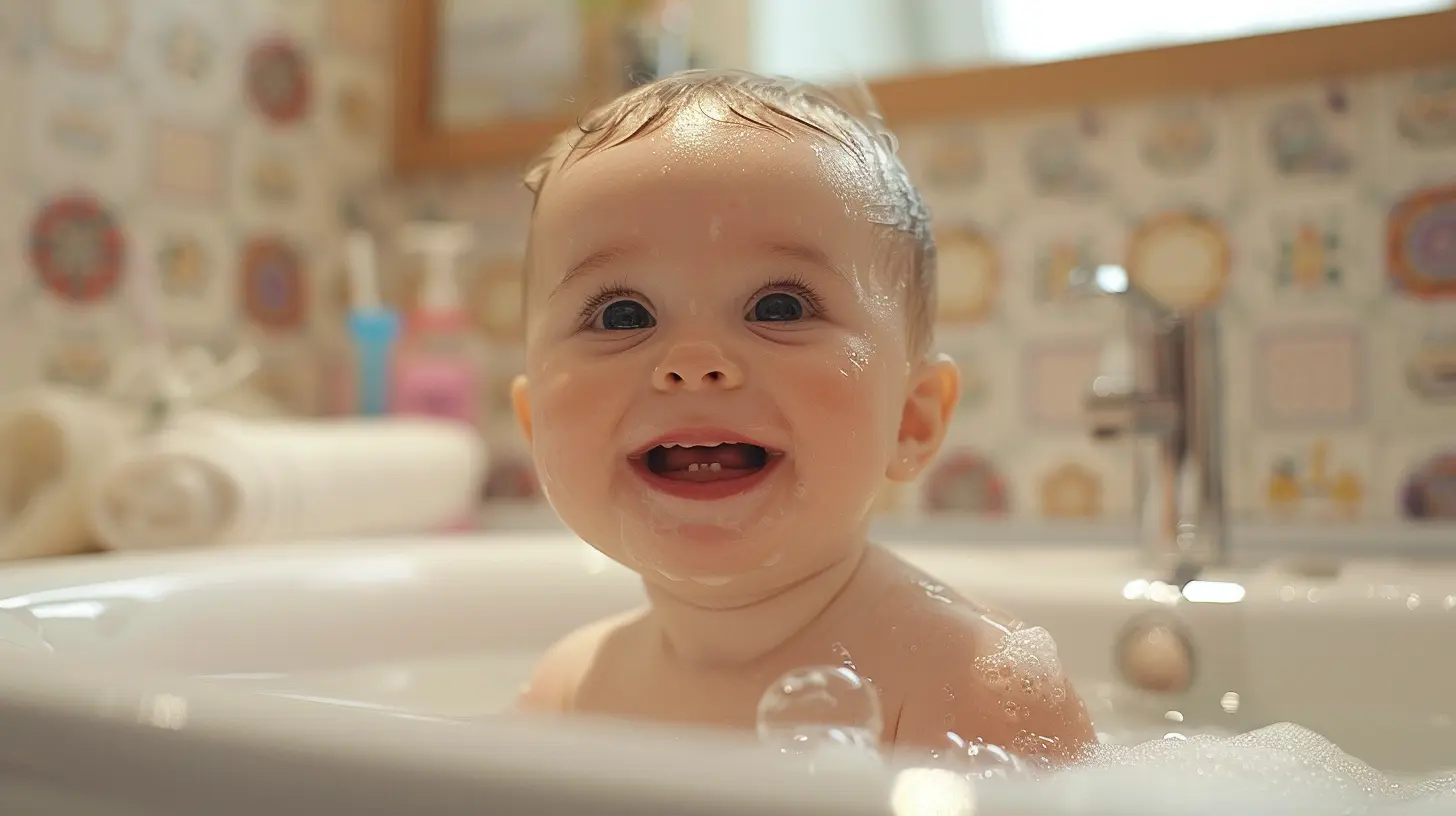
Signs That Your Baby is Teething
Teething can be a tricky phase because it affects every baby differently. Some babies sail through it without a fuss, while others may have a tough time. Here are some common signs that your baby's first tooth is on the way:1. Increased Drooling
If you've noticed your baby practically soaking their bib with drool, teething could be to blame. Excessive drooling is one of the most common early signs of teething.2. Chewing on Everything
Has your little one suddenly started gnawing on their fingers, toys, or even your shoulder? The pressure from chewing helps soothe sore gums, so they instinctively try to relieve the discomfort.3. Irritability and Fussiness
If your usually happy baby is more cranky than usual, teething might be the culprit. Sore gums can make them uncomfortable, leading to more fussiness during the day.4. Trouble Sleeping
Teething pain doesn’t take a break at bedtime. Babies who are teething may have trouble falling asleep or wake up more frequently.5. Swollen or Tender Gums
You might notice your baby's gums looking red or swollen. A small, white bump could also appear where the tooth is about to break through.6. Refusing to Eat
If your baby is rejecting food (especially bottle feeding or breastfeeding), it might be due to gum discomfort. The sucking motion can worsen their pain, making them reluctant to eat.7. Ear Pulling or Face Rubbing
Because teething pain can radiate to the ears and cheeks, some babies pull at their ears or rub their faces as a way to cope.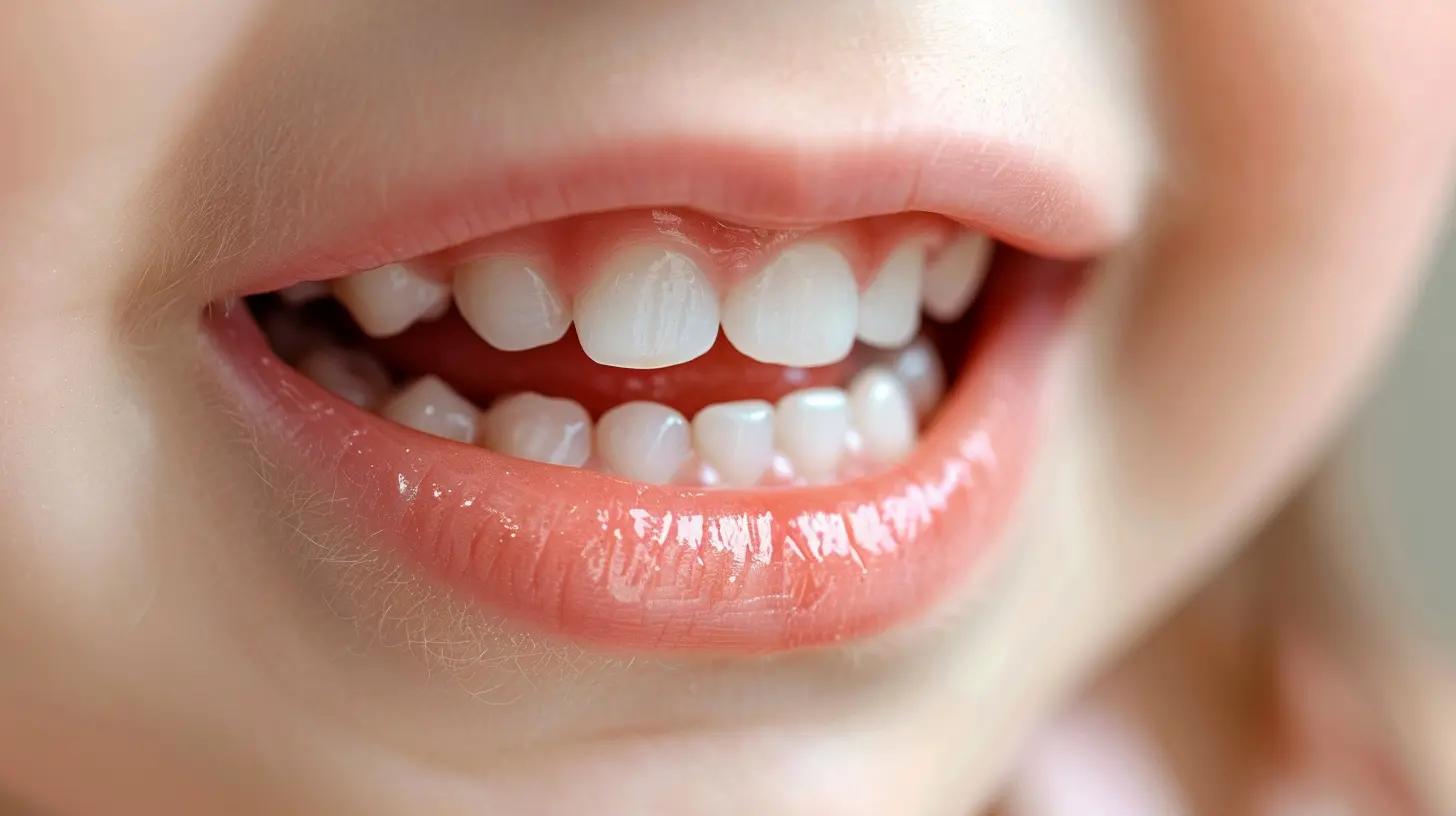
Which Teeth Come First?
You might be wondering—where will that first tooth pop up? In most cases, the two bottom front teeth (lower central incisors) come in first, followed by the two top front teeth (upper central incisors). From there, more teeth start making their way in, usually in pairs.Here’s a general timeline of baby teeth eruption:
| Age Range | Teeth That Appear |
|-----------|------------------|
| 4-7 months | Lower central incisors (bottom front teeth) |
| 8-12 months | Upper central incisors (top front teeth) |
| 9-16 months | Upper and lower lateral incisors (beside the front teeth) |
| 13-19 months | First molars (back teeth used for chewing) |
| 16-23 months | Canines (pointed teeth, between incisors and molars) |
| 23-33 months | Second molars (far back teeth) |
By age 3, your toddler should have all 20 baby teeth in place.
How to Soothe a Teething Baby
Teething discomfort can be tough on both babies and parents. Here are some tried-and-true ways to help your little one feel better:1. Give Them Something to Chew On
Teething rings, silicone teething toys, or even a cold, damp washcloth can provide relief by applying gentle pressure to their gums.2. Try Chilled Teething Toys
Cold objects can help numb sore gums, so consider placing a teething toy in the fridge for a few minutes before giving it to your baby. Avoid freezing toys, as they can become too hard and hurt your baby's gums.3. Massage Their Gums
Using a clean finger, gently rub your baby’s gums for a minute or two. The light pressure can help ease the discomfort.4. Offer Cold Foods (If They’re Eating Solids)
For babies who have started solids, chilled purees, cold yogurt, or refrigerated fruit slices can provide relief. Just make sure the pieces are small enough to avoid choking.5. Use a Teething Biscuit
Teething biscuits can be a great way for babies to chew and soothe their gums. Just make sure they’re age-appropriate and don’t contain added sugar.6. Distract Them with Playtime
Sometimes, a little distraction can work wonders! Engaging your baby in play, going for a walk, or singing songs can help take their mind off the discomfort.7. Consult Your Pediatrician for Pain Relief
If your baby seems extremely uncomfortable, you can ask their pediatrician about using infant pain relievers like acetaminophen or ibuprofen. However, always check with a doctor first before giving any medication.Teething Myths You Shouldn’t Believe
There are plenty of myths surrounding teething. Let’s clear up a few common misconceptions:- Myth: Teething Causes Fevers – While teething can cause slight temperature increases, it shouldn’t cause a high fever. If your baby has a fever over 100.4°F (38°C), it’s likely due to something else.
- Myth: Teething Causes Diarrhea – While some parents notice looser stools due to extra drooling, true diarrhea isn’t a teething symptom.
- Myth: The More Drool, The Closer the Tooth – Some babies drool for months before their first tooth even appears. Drooling alone doesn’t mean a tooth is about to pop through in the next few days.
- Myth: Rubbing Alcohol on Gums Helps – This is unsafe and should never be done. Stick to safer, baby-friendly teething remedies.
When to See a Doctor About Teething
Teething is a natural process, but there are times when you may need to check in with your pediatrician. Consider making an appointment if:- Your baby still has no teeth by 12-15 months
- They seem to be in extreme pain despite soothing efforts
- You notice severe swelling or signs of infection in their gums
- Their teething symptoms are accompanied by a high fever, rash, or persistent diarrhea
Final Thoughts
Teething is a big milestone in your baby’s development, but it doesn’t have to be a stressful one. Every baby’s timeline is different, so don't stress if your little one is an early or late teether. Keep an eye out for teething symptoms, use safe remedies to ease discomfort, and enjoy those adorable little smiles—teeth or no teeth!And remember, once that first tooth appears, it’s time to start brushing! Good oral hygiene from the start sets the foundation for a lifelong healthy smile.
all images in this post were generated using AI tools
Category:
Teething BabyAuthor:

Kelly Snow
Discussion
rate this article
2 comments
Casey Cook
“Ah, the elusive first tooth! It’s like waiting for a surprise party—exciting and a bit nerve-wracking, but remember, when it arrives, it’s all fun, games, and lots of drool!”
March 5, 2026 at 4:19 AM
Kelly Snow
Absolutely! The first tooth is indeed a thrilling milestone, full of surprises and joy—just like a fun party!
Shania Gomez
Exciting times ahead! Each tiny tooth is a milestone in your baby's journey. Embrace every moment and cherish these early experiences—they grow up so fast! You’ve got this!
February 12, 2026 at 3:32 AM
Kelly Snow
Thank you! Every tiny tooth really does make each moment special. We appreciate the support!