Why Teething Pain Seems Worse at Night
12 January 2026
Teething—it’s one of those parenting milestones that feels a little like a rite of passage. You know it’s coming, you’ve read all about it, and yet when it hits, it can feel like an absolute nightmare (literally). If you're up at 2 a.m. with a fussy, drooling, inconsolable baby, you may find yourself wondering: Why does teething pain seem way worse at night?
Is it just in your head? Nope. There are actually some solid reasons why the nighttime hours tend to intensify those teething troubles. Let’s break it all down while you sip that much-needed coffee. 
The Science Behind Teething Discomfort
Before we get into why teething pain peaks at night, let’s take a quick look at why it hurts in the first place.What Happens During Teething?
Teething starts when a baby’s teeth begin pushing through their gums. This process can start as early as 3 months and usually kicks into full gear around 6 months. Some babies sail through it with barely a whimper, while others act like their entire world is ending.The discomfort comes from the pressure and inflammation caused by the teeth breaking through the gum line. Think of it like a stubborn splinter in your finger—except it’s inside your mouth, and you can’t do anything about it. 
Why Does Teething Pain Get Worse at Night?
So, why is it that your baby seems relatively okay during the day but suddenly turns into an inconsolable mess after sunset? There are a few big reasons:1. Fewer Distractions = More Focus on the Pain
During the day, your baby is busy. They’re playing, watching you, exploring, and generally getting distracted by life. Heck, even watching you fold laundry can be entertainment!At night? There’s nothing to take their mind off the discomfort. No toys, no siblings running around, no pets doing funny things—just them, the dark, and their aching gums.
2. Lying Down Increases Blood Flow to the Head
Ever notice how any kind of pain—like a headache or a sore throat—feels worse when you lie down? That’s because lying flat increases blood flow to the head, which can lead to more swelling and inflammation.The same thing happens with teething. When your baby lies down, blood rushes to the gums, making them even more swollen and sensitive. No wonder they’re fussing!
3. Cortisol Levels Drop at Night
Cortisol is a hormone that helps manage stress and pain. During the day, cortisol levels are higher, which can help dull the pain. But at night, cortisol levels naturally drop—meaning there’s less of that built-in pain relief to keep your baby comfortable.4. Increased Fatigue Makes Everything Feel Worse
Let’s be honest—when you’re tired, everything seems a thousand times worse. Babies are no exception. If they’re already exhausted from the day, they’ll have a harder time coping with discomfort.Think about how cranky you get when you’re overtired and have a headache. Now imagine being a baby and not understanding why your mouth hurts. Yeah, it’s rough.
5. Nighttime Feedings Can Aggravate Sore Gums
If your baby is still nursing or bottle-feeding at night, the sucking motion can sometimes irritate already sore gums, making them cry even more after a feed.On the flip side, some babies find sucking soothing, which is why they might suddenly become attached to their pacifier like it’s a lifeline. Every baby is different! 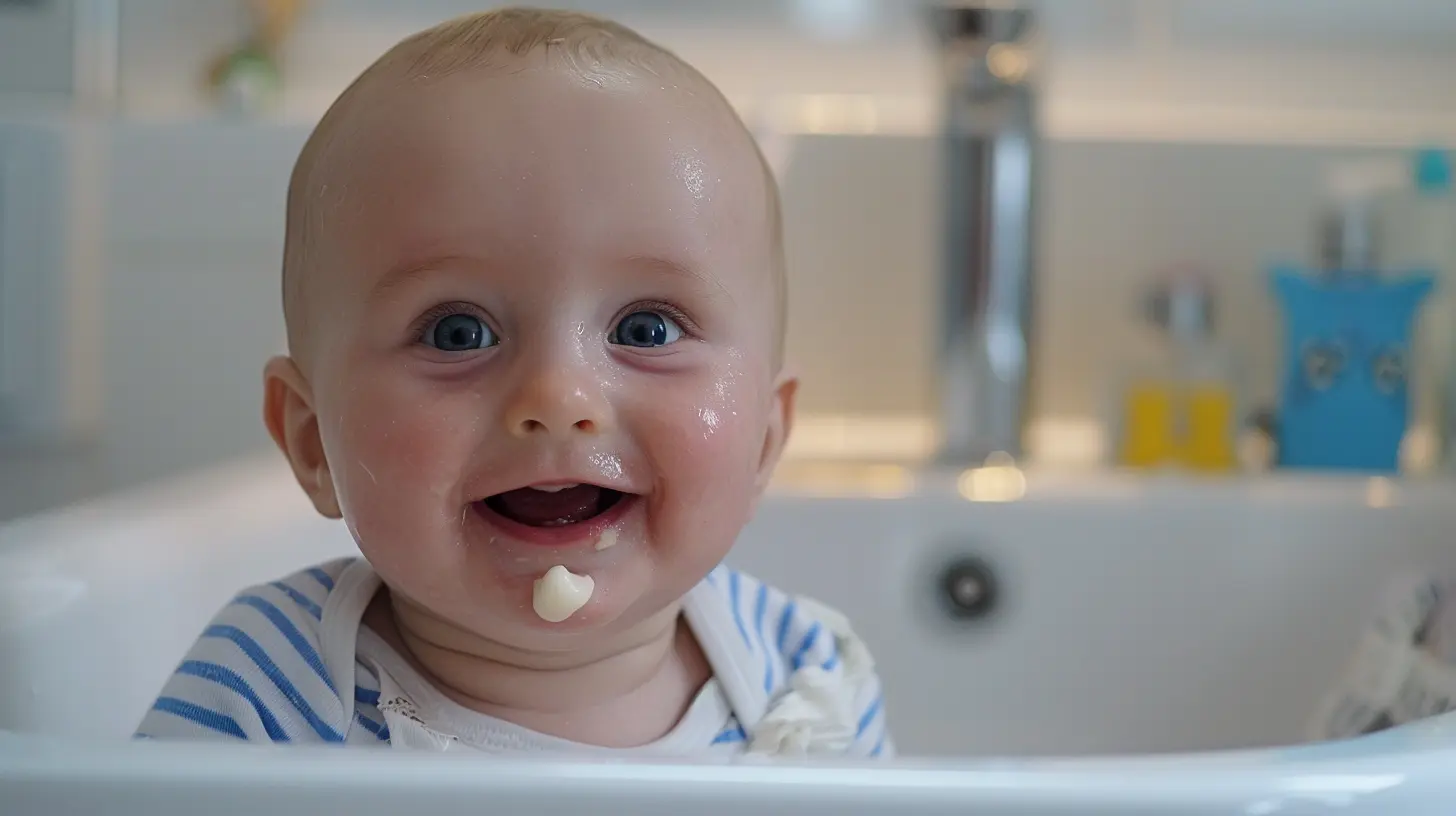
How Can You Help Your Baby Through Nighttime Teething Pain?
So now that we know why teething pain is worse at night, let’s talk about what you can do to help make it a little easier—for both your baby and yourself!1. Give a Chilled Teething Toy
Nothing works magic quite like something cold on sore gums. Try popping a teething toy in the fridge (not the freezer—that can make it too hard and hurt their gums even more!). Let your baby chew on it before bedtime to help numb some of the discomfort.2. Use a Gentle Gum Massage
Your clean finger is one of the best teething tools out there. Gently rub your baby’s gums with a light circular motion. It might not stop the pain completely, but it can provide temporary relief.3. Offer a Cold Washcloth
A damp washcloth that’s been chilled in the fridge can be a lifesaver. Let your baby suck and chew on it—it’s soft, soothing, and gentle on their delicate gums.4. Try a Natural Teething Remedy
Some parents swear by chamomile tea (cooled down, of course) as a natural teething soother. You can dip a clean cloth in the tea and let your baby chew on it.There are also teething gels available, but make sure to check with your pediatrician before using them—some contain ingredients that aren’t safe for babies.
5. Consider Pain Relief (If Necessary)
If your baby is really struggling and nothing else is working, you might consider baby-safe pain relief like acetaminophen or ibuprofen (for babies over 6 months). Again, always check with your pediatrician before giving any medication.6. Maintain a Comforting Bedtime Routine
A predictable, calming bedtime routine can work wonders. A warm bath, some quiet cuddle time, and a little gentle rocking can help your baby feel secure—even if their gums are giving them trouble.
When Will the Nighttime Teething Drama End?
Here’s the good news: Teething doesn’t last forever. The worst of it usually happens between 6-24 months, and while every baby is different, most get through it with minimal long-term suffering. (You, on the other hand, may have some serious sleep deprivation to recover from!)By the time your baby has a full set of 20 primary teeth (usually by age 3), teething nightmares will be a thing of the past. Until then, just know that this phase will pass, even if it doesn’t feel like it right now.
Hang in There, Sleep-Deprived Parent!
Teething is one of those small-but-mighty parenting challenges that can feel endless in the moment. But before you know it, those tiny teeth will be in, and your baby will be flashing you a toothy grin instead of wailing in the middle of the night.Until then? Stock up on teething toys, cooled washcloths, and coffee (for you, obviously)—because the teething struggle is real, but you're totally going to get through it.
all images in this post were generated using AI tools
Category:
Teething BabyAuthor:

Kelly Snow
Discussion
rate this article
2 comments
Declan Henderson
Great insights! It’s so true that teething pain can feel more intense at night. Those quiet hours really highlight our little ones' discomfort. Thanks for sharing these tips!
January 31, 2026 at 5:20 AM
Kelly Snow
Thank you for your kind words! I'm glad you found the tips helpful. Teething can indeed be challenging for both kids and parents at night!
Lennox Burton
You're doing great—hang in there!
January 15, 2026 at 4:30 AM
Kelly Snow
Thank you! I appreciate your support!