Building Healthy Eating Habits Without Making It a Battle
2 January 2026
Feeding kids healthy food—sounds easy, right? In reality, it's often a daily struggle. Whether it’s picky eaters, tantrums at the dinner table, or endless snack requests, many parents find themselves in constant food battles. But here’s the good news: it doesn’t have to be that way.
The key? Creating a positive environment where kids naturally develop healthy eating habits without force or frustration. Let’s dive into how you can make mealtimes pleasant, stress-free, and nourishing for your little ones. 
Why Forcing Kids to Eat Healthy Doesn’t Work
Many parents assume that insisting on fruits and veggies will ensure their kids eat well. But when kids feel pressured, they often resist even more. It’s like trying to push a boulder uphill—it only leads to exhaustion (for you) and defiance (from them).When healthy eating turns into a battle, kids start associating food with stress. Instead of developing a natural appreciation for nutritious meals, they see it as something they have to do rather than something they want to do.
So what can you do instead? Shift your approach from control to guidance. 
1. Create a Positive Eating Environment
Kids learn from what they see and experience. When mealtimes are relaxed and enjoyable, they’re more likely to build a positive relationship with food.Make Mealtimes Enjoyable
- Turn off distractions (TV, tablets, and phones).- Sit together as a family and engage in conversation.
- Avoid using food as a reward or punishment—keep it neutral.
When children associate meals with warmth, comfort, and family bonding, they’re more open to trying new foods. 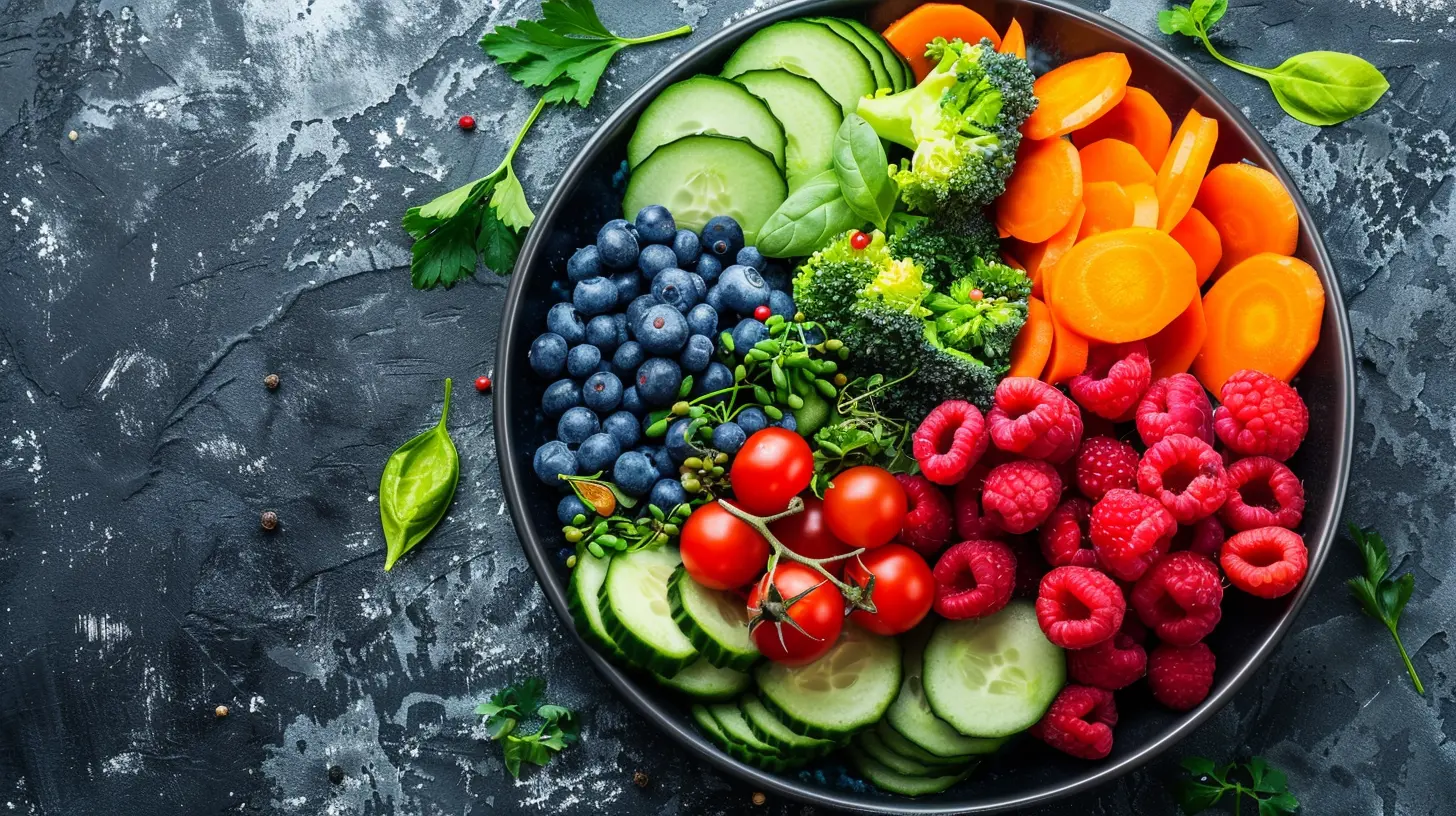
2. Let Them Have Some Control
Kids love feeling independent! Instead of dictating every bite, empower them to make healthy choices.Give Them Options
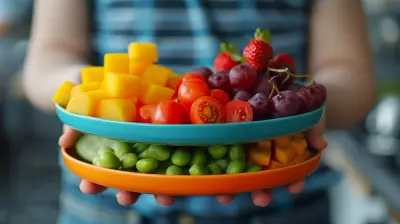
Instead of saying, “Eat your broccoli,” try:- “Would you like carrots or green beans with your meal?”
- “Do you want apple slices or grapes for snack time?”
This small shift makes kids feel in charge while still ensuring they eat nutritious foods.
Serve Family-Style Meals
Letting kids serve themselves allows them to decide how much they want to eat. This not only fosters independence but also helps them learn to listen to their own hunger cues.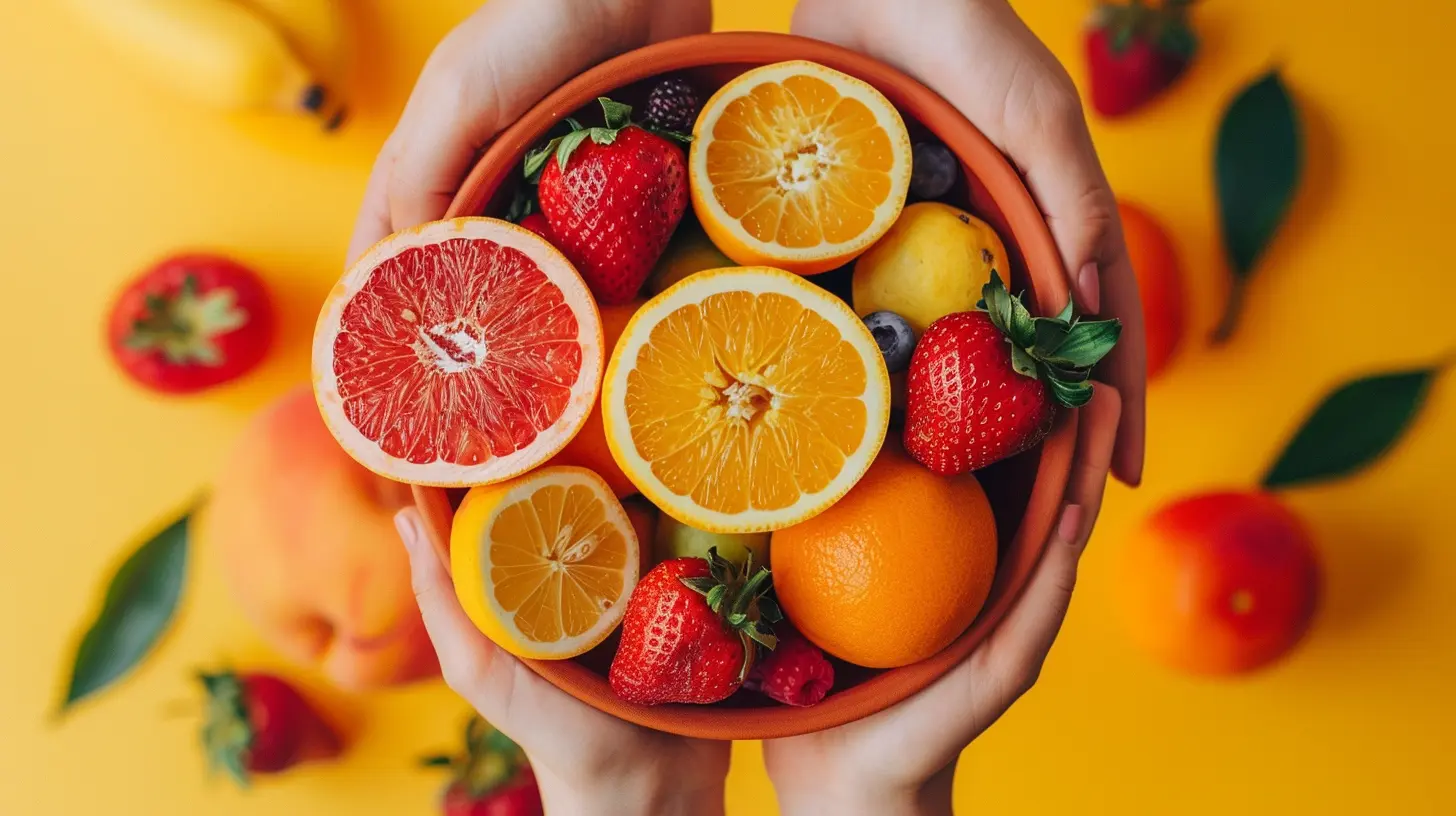
3. Be a Role Model
You can’t expect your child to grab a salad if you never eat one yourself. Kids mimic what they see, so set the example.- Eat a variety of healthy foods in front of them.
- Express excitement about fresh, wholesome meals.
- Avoid making negative comments about certain foods (e.g., “I hate Brussels sprouts” might make them dismissive of veggies, too).
When they see you enjoying nutritious foods regularly, they’ll eventually follow suit.
4. Make Healthy Eating Fun
Let’s be real—boring food isn’t appealing to anyone, especially kids. The trick is to make healthy eating exciting!Get Creative With Presentation
- Use cookie cutters to shape sandwiches, fruits, and veggies.- Arrange food into fun designs (a smiley face made of fruit, for example).
- Serve food on colorful plates, divided trays, or bento boxes.
Involve Them in Meal Prep
Kids are more likely to eat something they helped make. Let them:- Pick out fruits and veggies at the grocery store.
- Help wash, chop (if age-appropriate), or mix ingredients.
- Choose toppings for homemade pizzas, oatmeal, or yogurt.
Cooking together makes them feel involved and excited about the meal.
5. Avoid Labeling Foods as “Good” or “Bad”
When kids hear that cookies are “bad” or veggies are “good,” they might develop guilt around food. Instead, focus on balance.Teach them that some foods give their bodies energy and strength (fruits, veggies, proteins), while others are occasional treats. No food needs to be off-limits, but moderation is key.
A good rule of thumb? Keep nutrient-dense foods readily available while limiting processed snacks without making them completely forbidden.
6. Keep Healthy Options Accessible
Kids eat what’s convenient. If you want them to grab healthier snacks, make them easy to access.Stock Up on Nutritious Staples
- Have cut-up fruits and veggies ready in the fridge.- Keep whole-grain crackers, yogurt, and cheese sticks within reach.
- Avoid keeping sugary snacks in plain sight—out of sight, out of mind!
Making healthy options the easy choice encourages kids to grab them naturally.
7. Be Patient and Keep Offering
It’s normal for kids to reject foods—sometimes multiple times—before they start liking them. Research shows that it can take 10–15 exposures for a child to accept a new food.No Pressure, Just Exposure
- Place new foods on their plate without forcing them to eat.- Let them touch, smell, or take tiny tastes without pressure.
- Pair new foods with familiar favorites to make them less intimidating.
The key is consistency. Over time, they’ll become more comfortable with a variety of foods.
8. Set Realistic Expectations
Let’s be honest—kids won’t always eat perfectly balanced meals, and that’s okay. Instead of stressing over every meal, focus on their overall intake over the week, not just a single day.Some days they’ll devour veggies, and other days they might eat nothing but bread and cheese. As long as they’re exposed to a variety of healthy foods regularly, they’ll get the nutrients they need over time.
9. Keep a Long-Term Perspective
Healthy eating isn’t about short-term wins—it’s about establishing lifelong habits. The goal is to create a foundation where healthy choices become second nature, not something they have to be forced into.By making mealtimes positive, stress-free, and full of variety, you’re setting your kids up for a future of healthy eating—without the battles.
So, the next time your child refuses broccoli, take a deep breath, stay consistent, and remember: progress over perfection!
Final Thoughts
Building healthy eating habits doesn’t have to be a war zone. By fostering independence, making meals enjoyable, and leading by example, you can encourage your child to embrace nutritious foods on their own terms.The best part? When kids develop a healthy relationship with food early on, they carry those habits into adulthood—without the struggle.
Now, go enjoy mealtime with your little ones—minus the battles!
all images in this post were generated using AI tools
Category:
Parenting TipsAuthor:

Kelly Snow
Discussion
rate this article
2 comments
April Franklin
Great tips! Encouraging kids to explore new foods can be fun and stress-free with the right approach!
January 24, 2026 at 3:42 AM
Kelly Snow
Thank you! I'm glad you found the tips helpful—encouraging exploration can truly make mealtime enjoyable for everyone!
Mara McAndrews
Oh sure, because getting toddlers to eat broccoli is just as easy as convincing cats to take a bath. But hey, who doesn’t love a good mealtime showdown? Bring on the culinary negotiations! 🍽️😂
January 6, 2026 at 3:25 AM
Kelly Snow
Absolutely! It can be a challenge, but with patience and creativity, mealtime can become a fun and positive experience for everyone. 🍽️😊