The Connection Between Diet and Behavior: Understanding Food’s Impact
19 January 2026
Hey there, parents and caregivers! Ever wonder why your little one transforms into a bundle of energy (or a meltdown machine) just after snack time? Or why they can’t focus during homework even though they slept well? If you’ve been blaming the full moon or a growth spurt, it might be time to look a little closer at what’s on their plate. Yes, we’re diving deep into the link between diet and behavior—and trust me, it’s more connected than you think!
This isn’t just about cutting down sugar (though that’s part of it). From mood swings to meltdowns, hyperactivity to sluggishness—what your child eats truly shapes how they think, feel, and act. So let’s break it down, in plain language, and figure out how food influences behavior and how you can start making smart, simple food choices that lead to calmer, happier days.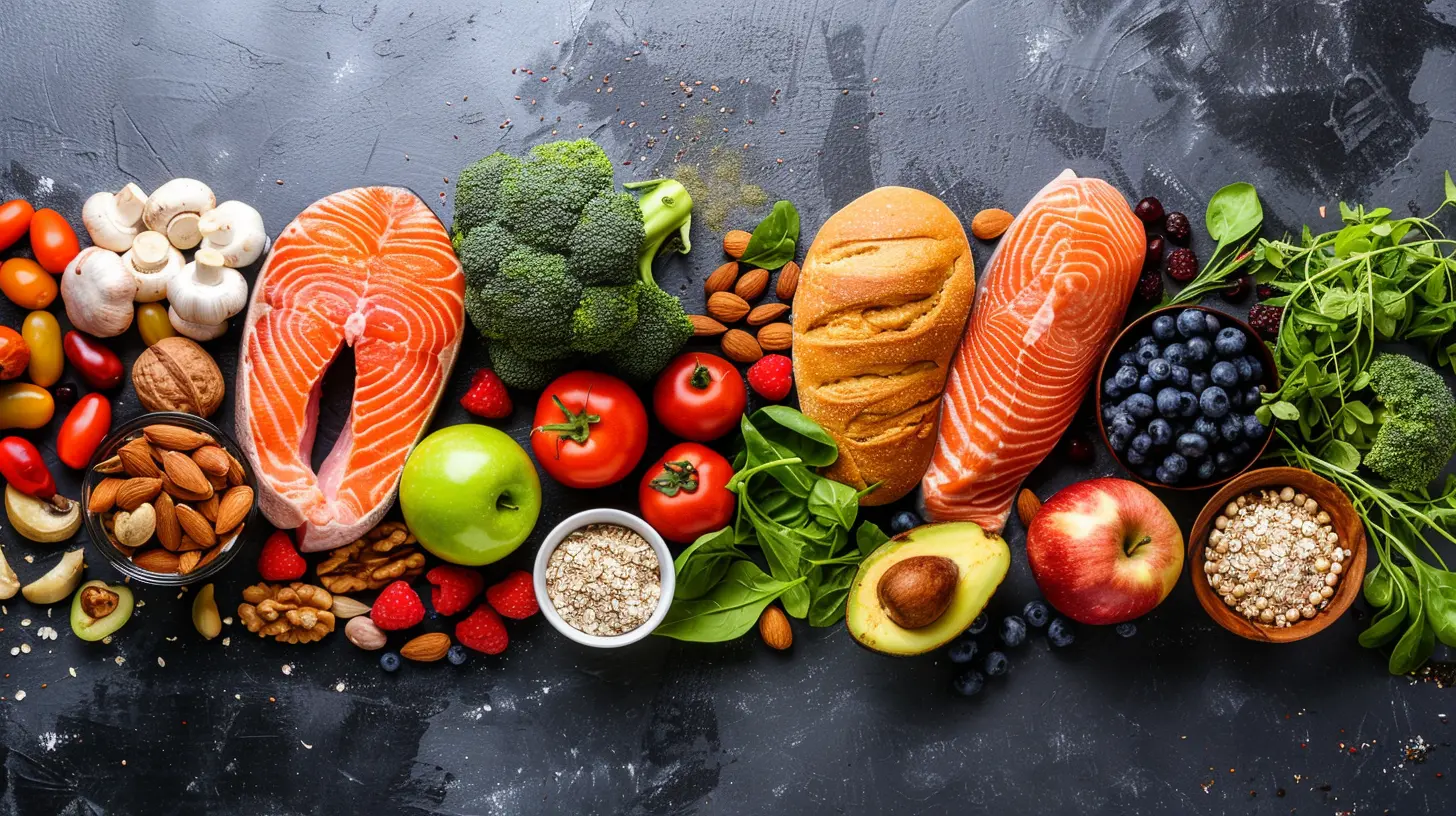
Why Food and Behavior Go Hand-In-Hand
Believe it or not, your child’s gut and brain are basically texting BFFs—constantly sending messages back and forth. This connection, called the gut-brain axis, means what goes into your child’s tummy can directly affect their mental and emotional state.Think of food as fuel. Just like a car sputters without gas or runs rough on bad oil, your child’s behavior can fluctuate based on the quality of their fuel. Junk food? It’s like giving a Ferrari diesel. Yikes.
So if you've noticed sudden changes in your child’s mood or attention span, it's time to peek into their lunchbox.
Nutrients That Directly Impact Behavior
Let’s zoom into some specific nutrients. Here are the usual suspects that can either help or hinder your kiddo's behavior:1. Sugar and Refined Carbs – The Mood Rollercoaster
We can’t talk about diet and behavior without mentioning sugar. You’ve seen it: one moment, your child is bouncing off the walls, and the next, they’re having a full-blown meltdown. That’s sugar at work.When kids eat sugary snacks or refined carbs (like white bread, chips, or pastries), their blood sugar spikes quickly—hello, energy boost! But what goes up must come down. Cue the crash, crankiness, and tantrums.
📌 Tip: Swap sugary treats with naturally sweet alternatives like fruit, and go for whole grains instead of white carbs to keep blood sugar stable.
2. Protein – The Focus Helper
Protein isn’t just for building muscles—it helps regulate blood sugar and keeps tiny tummies full and focused. It supports neurotransmitter function, which directly influences mood and attention.📌 Try This: Add eggs, yogurt, cheese, lean meats, or plant-based proteins like lentils and chickpeas to meals and snacks. Even a little protein at breakfast can change the tone for the whole day.
3. Omega-3 Fatty Acids – The Brain’s Best Friend
Omega-3s are like the brain's magic oil. Found in fatty fish like salmon and in walnuts, chia, and flaxseeds, these fats are essential for brain function, emotional regulation, and focus.Studies show kids with higher omega-3 intake show fewer behavior issues, especially in cases of ADHD or anxiety.
📌 Snack Hack: Try giving your kids nut butter sandwiches or sneak chia seeds into smoothies. And yes, fish fingers count—just choose ones with minimal processing.
4. Iron – The Energy and Focus Booster
Iron helps carry oxygen to the brain. When iron levels dip, behavior can too. Kids low in iron might seem tired, irritable, or fuzzy-headed.📌 Foods Rich in Iron: Red meat, beans, spinach, fortified cereals, and even dried fruits like apricots.
🔥 Pro Tip: Pair iron-rich foods with vitamin C (like citrus or strawberries) to boost absorption.
5. Zinc and Magnesium – The Calm Duo
Zinc is linked to learning and memory, while magnesium has an amazing calming effect on the nervous system. Together, they can lower irritability, reduce restlessness, and improve sleep.📌 Best Sources: Whole grains, nuts, seeds, legumes, and leafy greens. (Yep, veggies strike again!)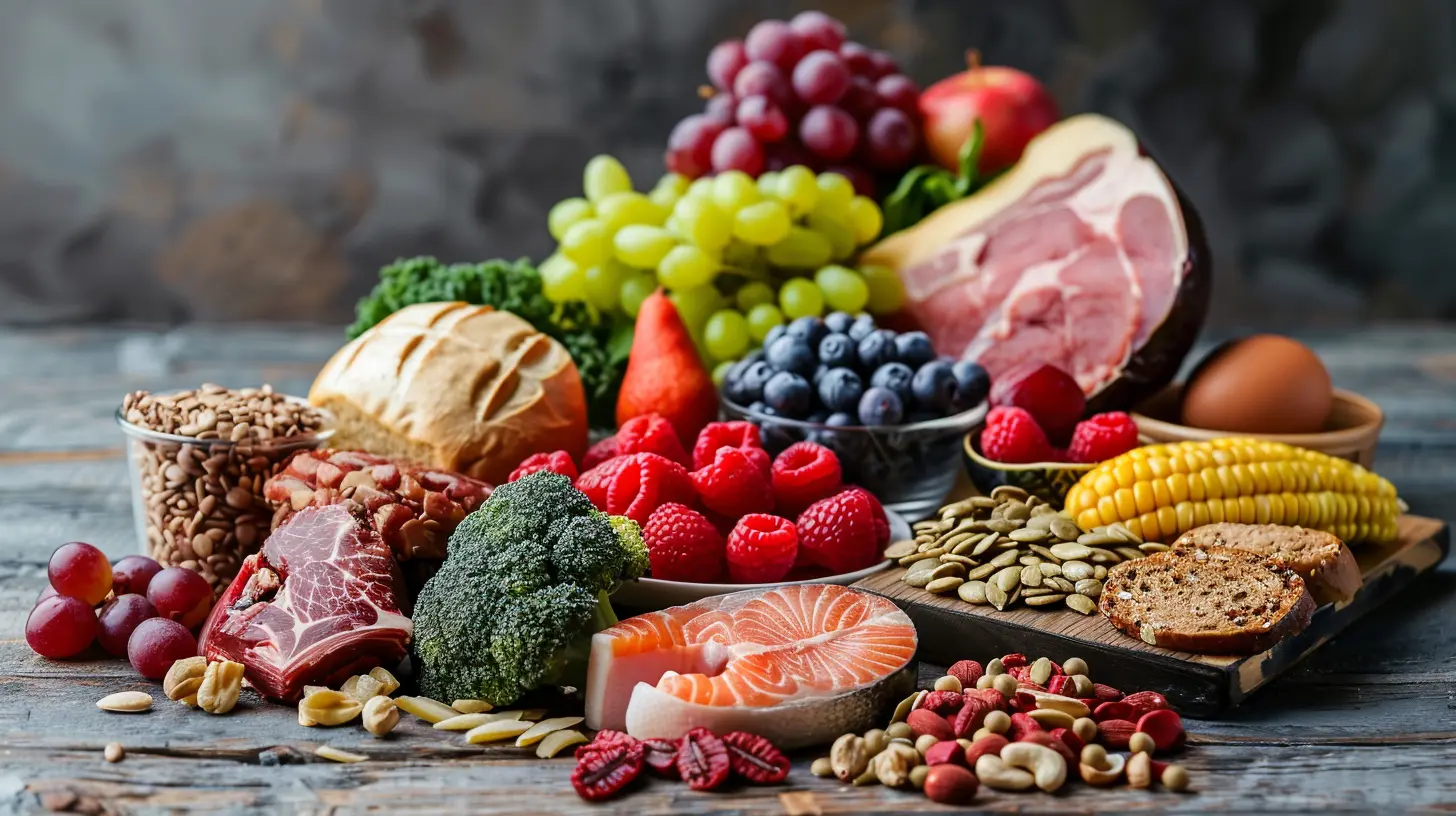
The Food/Behavior Red Flags You Shouldn’t Ignore
Still unsure if diet’s really making a difference? Watch out for these signs:- 🌪 Sudden energy spikes and sudden crashes
- 😠 Frequent mood swings or meltdowns
- 😴 Lack of focus or daydreaming
- 🌀 Sleep issues or night waking
- 😣 Digestive problems (bloating, constipation, etc.)
- 🧁 Constant cravings for sweets or salty snacks
If you’re seeing a regular pattern between what your child eats and how they act afterward, trust your gut—something’s up.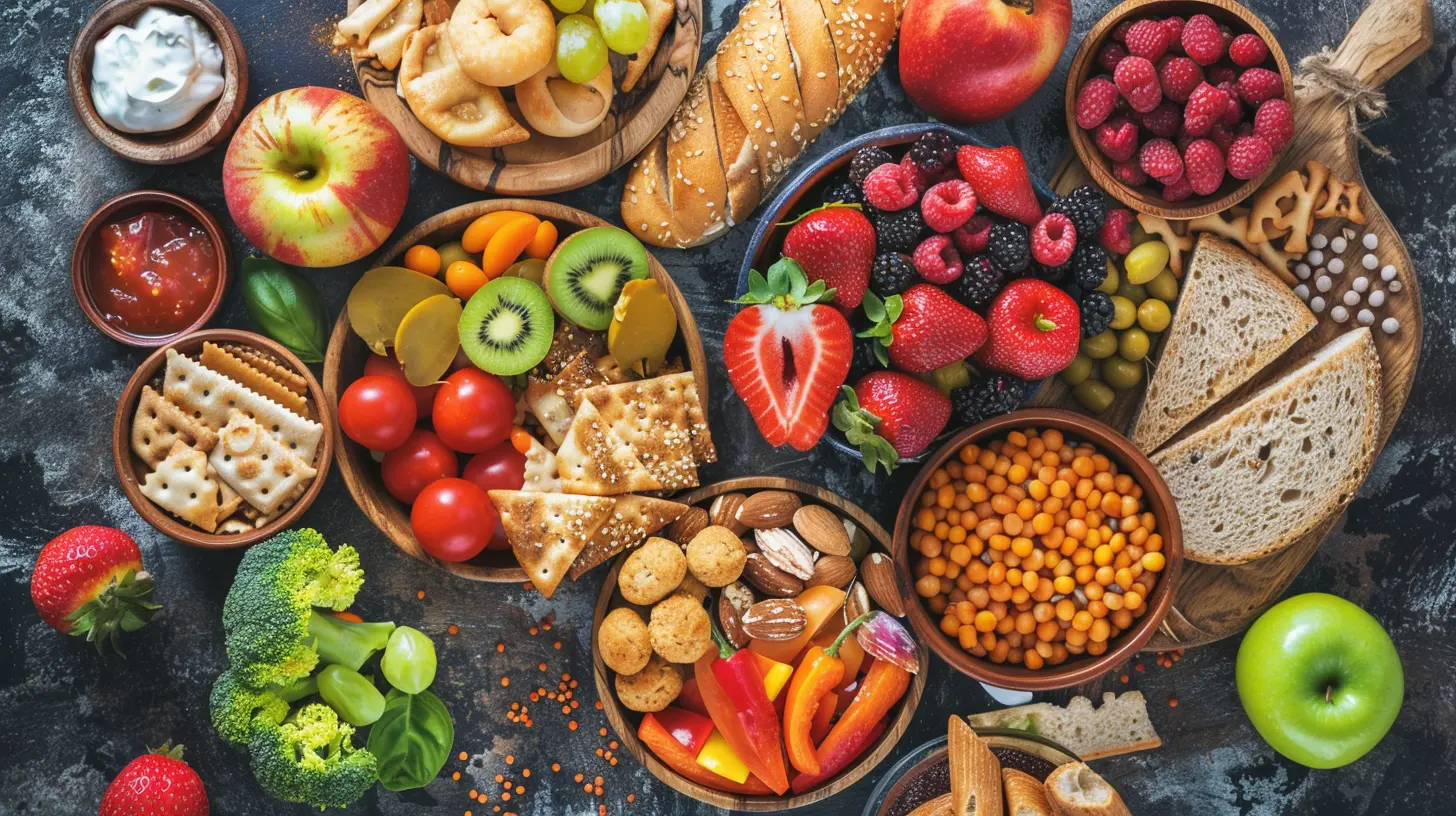
How Food Sensitivities Affect Behavior
Here’s something even sneakier: your child might be sensitive to certain foods and not even know it. It’s not always a dramatic allergy with hives and swelling. Sometimes, it shows up as:- Irritability
- Trouble concentrating
- Hyperactivity
- Headaches or tummy aches
The usual culprits? Gluten, dairy, artificial additives, and food dyes. Yep, those bright rainbow cereals and neon gummies might be doing more harm than good.
📌 What to Do: Try eliminating one suspect food at a time for a couple of weeks and observe changes. Keep a food-and-behavior diary—it’s a game changer.
Real-Life Everyday Meal Tweaks That Make a Difference
No, you don’t need to overhaul your pantry overnight. Small, consistent changes go a long way. Here are realistic, parent-approved ideas:🍳 Breakfast: Ditch Sugary Cereals
Instead of sugar-loaded cereal, go for:- Oatmeal with berries and a spoon of almond butter
- Whole grain toast with avocado or peanut butter
- Smoothie with banana, spinach, Greek yogurt, and chia seeds
🥪 Lunch: Balance is Queen
Think: protein + complex carbs + veggies- Turkey/cheese wrap in a whole wheat tortilla
- Hummus with pita bread and carrot sticks
- Rice + beans + shredded chicken with salsa
🍎 Snacks: Fuel, Not Fluff
Avoid empty calories—go for:- Apple slices with nut butter
- Hard-boiled eggs
- Cheese sticks and whole grain crackers
- Trail mix with nuts and raisins (skip the candy-coated bits)
🍲 Dinner: Keep It Colorful
More colors on the plate usually mean more nutrients:- Grilled chicken, quinoa, and steamed broccoli
- Stir-fried tofu and mixed veggies with brown rice
- Homemade burgers with sweet potato fries
Hydration: The Underrated Mood Stabilizer
Let’s not forget water. Dehydrated kids are cranky kids. Even mild dehydration can cause moodiness, headaches, and poor concentration.📌 Hydration Hacks:
- Get them a fun water bottle
- Infuse water with berries, mint, or cucumber for natural flavor
- Offer smoothies or herbal teas as bonus liquids
What About Supplements?
Sometimes, even with a stellar diet, kids fall short on nutrients—especially picky eaters. In such cases, a quality multivitamin or omega-3 supplement may help, but always check with your pediatrician first.Look for:
- DHA + EPA omega-3s (from fish oil or algae-based for vegetarians)
- Iron (if your child is diagnosed with low levels)
- Magnesium (especially for sleep support)
Remember, supplements support the diet—they don't replace it.
A Word on Emotional and Behavioral Disorders
While diet can’t “cure” conditions like ADHD, anxiety, or autism, it can absolutely play a supportive role. Many families report that dietary changes lead to fewer symptoms, better focus, and improved mood.Work with professionals and consider food as one tool in your toolkit—it’s not magic, but it is powerful.
Final Thoughts: Food Is More Than Just Fuel
Look, we all know parenting isn’t easy (understatement of the year, right?). But if you could reduce tantrums, improve focus, and make bedtime easier just by tweaking what your child eats—wouldn’t you want to try?The connection between diet and behavior is real. It’s not about perfection, it’s about progress. Start small, stay consistent, and pay attention. You know your child best—and now, you’ve got the insights to help them thrive.
After all, a happy belly makes for a happy brain.
all images in this post were generated using AI tools
Category:
Childrens HealthAuthor:

Kelly Snow
Discussion
rate this article
2 comments
Ardent Tucker
Understanding the link between diet and behavior is essential for parents. Nutrient-rich foods can enhance mood and cognitive function, while processed options may contribute to behavioral issues. Prioritizing healthy eating can foster better emotional and developmental outcomes for children.
February 9, 2026 at 5:09 AM
Kelly Snow
Thank you for your insight! I agree that a nutrient-rich diet is crucial for children's emotional and cognitive development, and understanding this link can empower parents to make healthier choices.
Taryn Wilkins
This article beautifully highlights the crucial link between diet and behavior. As a parent, I've noticed how my child's mood shifts with their food choices. Thank you!
January 20, 2026 at 4:44 PM
Kelly Snow
Thank you for your insight! I'm glad the article resonated with your experiences as a parent. Nutrition plays a vital role in mood and behavior.