Empowering Kids to Ask Questions and Speak Their Mind
4 July 2026
Ever watched a little kid stare at the stars and suddenly ask, _“Why is the sky blue?”_ It’s magical, right? Their curiosity knows no bounds. They want to know _everything_, and they’re not afraid to ask. But somewhere along the way — maybe during a scolding from a tired parent or a dismissive laugh from an adult — many kids start to hush those burning questions. They stop speaking up. They stop being curious.
As parents and caregivers, it’s our job to make sure that spark never goes out. Let’s talk about how we can empower our children to ask questions fearlessly and speak their minds boldly — and why it’s one of the most important things we can do for them.
Why Encouraging Questions Matters
You might be thinking, "Well, it’s just a question, right?" But it's so much more than that.Questions Are the Foundation of Learning
Kids asking questions isn’t just about curiosity — it’s how they figure out how the world works. When a child asks "why?" for the hundredth time, they’re building their understanding of science, relationships, emotions, and more. Every _why_, _how_, and _what if_ is a tiny brick in the foundation of lifelong learning.Speaking Up Builds Confidence
When a child feels safe to express their thoughts or challenge ideas (respectfully, of course), they grow into someone who believes their voice matters. That kind of confidence? It creates future leaders, innovators, and problem solvers. Think of it like training wheels for independence — the more they practice speaking up, the more balanced and confident they’ll be on their own.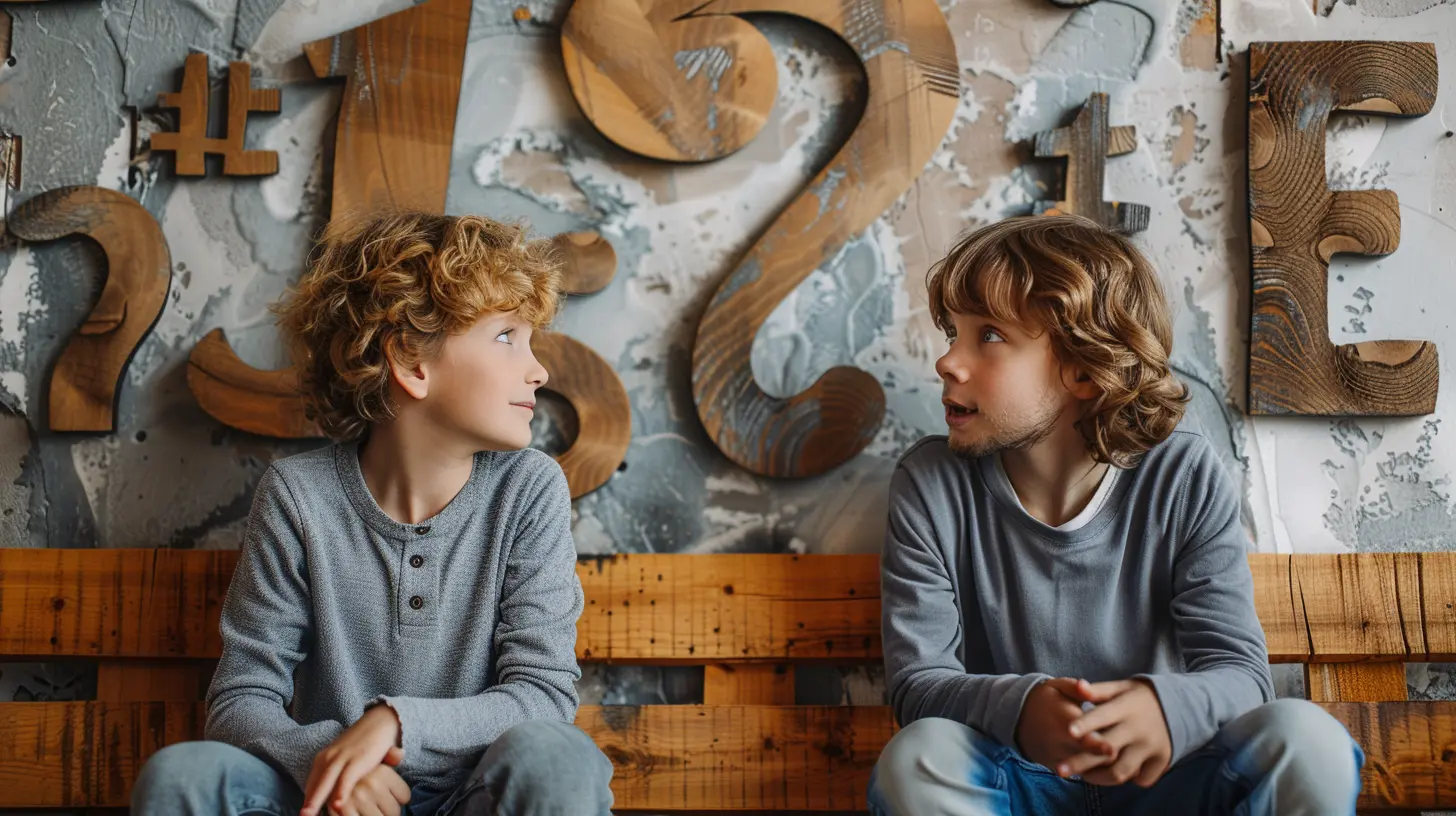
Common Reasons Kids Stay Quiet
Before we can encourage kids to speak up, we have to understand why they don’t in the first place.Fear of “Silly” Questions
Unfortunately, many kids have been told — directly or indirectly — that their questions are silly or annoying. Even an eye-roll can be enough to shut them down. They start to believe their curiosity isn’t valuable.Worry About Getting in Trouble
In strict households or classrooms, kids might worry that asking a question will be seen as disrespectful or challenging authority. So instead of asking, they stay silent.The Pressure to Be “Right”
Some kids are perfectionists in disguise. They don’t want to be wrong, so they don’t speak up at all. This fear of failure can build up until they’re paralyzed by the thought of getting something “wrong.”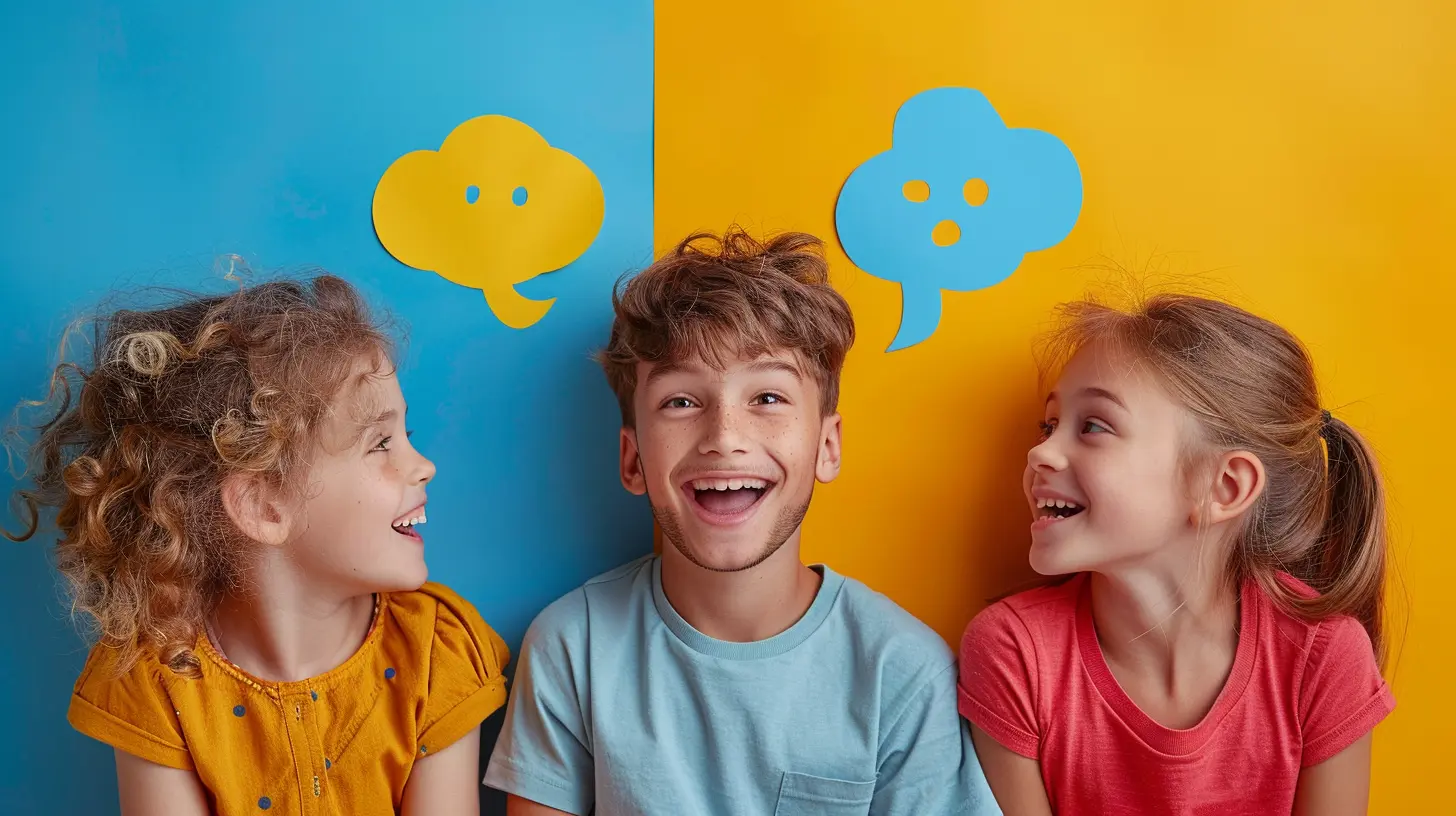
So, How Do We Empower Kids to Ask and Speak?
Let’s break it down into practical, doable steps that you can start today.
1. Make Question-Asking a Superpower
Celebrate Curiosity
When your child asks you something — even if it’s the tenth question during dinner — respond with genuine interest. Say things like:- “That’s a great question.”
- “I never thought of it that way before.”
- “Hmm, let’s find out together.”
You’re showing them that curiosity is a strength, not a flaw.
Be a Model Question-Asker
Kids mimic adults more than we realize. So ask your own questions out loud:- “I wonder why the moon looks so big tonight?”
- “Why do you think the cat likes sleeping by the window?”
You’re giving them permission to wonder openly and seek answers.
2. Listen Without Judgment
You don’t need to have all the answers. But what your child really needs is someone who listens without making them feel small.Practice Active Listening
Nod. Make eye contact. Ask follow-up questions. This tells them you’re not just _hearing_ them — you’re truly _listening_.Keep a Safe Space
Avoid laughing at, dismissing, or correcting them too quickly. Even if their question seems off-the-wall, remind yourself: it's not about the question — it's about the courage it took to ask it.3. Teach the Magic of "Why," "What If," and "How"
Curiosity isn’t just a phase. It’s a skill. Help your child ask better, bolder questions by introducing them to three magic words:- Why – digs deeper into causes.
- What if – sparks imagination.
- How – leads to solutions.
Encourage them to use these phrases when they’re thinking about a new idea, solving a problem, or reading a story. It turns passive learning into an exciting adventure.
4. Create Opportunities for Them to Speak Up
Let Them Make Choices
Start small: “Do you want the red or blue cup?” Then work up to bigger things: “What kind of birthday party would you like this year?” Giving kids decision-making power helps them realize their voice has value.Invite Their Opinions
Ask for your child’s opinion on things that matter — and even things that don’t:- “What do you think of this new song?”
- “How should we organize the bookshelf?”
- “What would you change about your school if you could?”
Even if their opinion isn’t practical, it’s important that they know it _counts_.
5. Help Them Speak with Respect and Clarity
We’re not just encouraging _any_ kind of speaking up — we want it to be _respectful_, thoughtful, and clear.Teach Them to “Use Their Words”
When toddlers throw tantrums, we tell them to use their words. But older kids need that lesson too — just on a deeper level. Instead of yelling, teach phrases like:- “I feel frustrated because…”
- “Can I say something?”
- “I disagree, but here’s why…”
Practice at Home
Role play different scenarios with your kids:- Standing up to a bully.
- Asking a teacher for help.
- Telling a friend their feelings were hurt.
This kind of practice makes speaking up feel less scary when it really counts.
6. Encourage Debate and Dialogue
Not every disagreement is a fight. Teach your kids that respectful debate is healthy — even fun!Family Talk Nights
Pick a topic and go around the table sharing thoughts. Include light debates, like:- “Is cereal a soup?”
- “Should homework be banned?”
This builds their confidence and communication skills while keeping the mood light and playful.
Show That Disagreement is OK
Kids need to see that two people can disagree and still respect each other. Model this in your own conversations with friends, family members, or your partner.7. Celebrate Their Voice
When your child speaks up — whether in school, at home, or in public — celebrate it. Let them know you noticed.- “I loved how you spoke up in class today.”
- “You asked such an insightful question at the museum.”
- “You really stood your ground respectfully — I’m proud of you.”
This positive reinforcement solidifies that speaking their mind is something to be proud of.
8. Embrace Mistakes as Learning Opportunities
Sometimes kids will say something awkward, wrong, or even inappropriate. Don't panic. This is part of the process.Correct with Kindness
Instead of reprimanding, try gentle redirection:- “That’s an interesting thought — but let’s think about how that might feel to someone else.”
- “That’s not quite right, but I’m glad you tried. Want to figure it out together?”
Focus on Effort, Not Perfection
If the goal is asking more questions and speaking up, then reward the _effort_, not the accuracy. Mistakes are signs of growth, just like scraped knees when learning to ride a bike.9. Limit Screen Time to Make Room for Conversation
It’s hard to ask questions or express thoughts when everyone’s glued to a screen. Try setting up tech-free zones or times when conversation takes center stage — like during meals, car rides, or bedtime.You’ll be amazed at what comes out when there’s room for real talk.
Final Thoughts: Raising Bold, Curious Humans
Empowering kids to ask questions and speak their mind isn’t about creating loud or rebellious children — it’s about raising thoughtful, curious, and confident individuals who know how to think and express themselves with courage and respect.We're not just answering their questions — we're helping them build their own voice. And in a world that often tries to quiet them, that voice is their superpower.
Let’s keep curiosity alive. Let’s teach kids that their questions matter. And most of all, let’s show them that their words can shape their world.
Bonus Tips for Parents
Here are a few quick wins you can try today:- Keep a “Question Jar” in the house. Anytime your child has a curious thought, pop it in the jar! Dedicate time each week to explore and talk about the questions together.
- Read books with questioning characters (think: _Ada Twist, Scientist_ or _Calvin and Hobbes_) and talk about how asking questions helped them solve problems.
- Watch documentaries or educational shows together, then ask, “What did you wonder about most?
all images in this post were generated using AI tools
Category:
Communication With KidsAuthor:

Kelly Snow
Discussion
rate this article
1 comments
Adria McGinn
Encouraging kids to ask questions builds confidence and sparks curiosity. Let their voices be heard and valued.
July 9, 2026 at 3:16 AM
Kelly Snow
Absolutely! Encouraging questions is key to fostering both confidence and curiosity in kids. Their voices truly matter.